

- Essential Japanese greetings
- Konnichiwa
- Ohayou gozaimasu/ohayou
- Konbanwa
- Moshi-moshi
- Ya-ho/osu/yo/aah
- Basic Japanese phrases
- Hajimemashite
- Arigato gozaimasu/arigato
- Sumimasen
- Gomenasai
- Dou itashimashite
- Sugoi
- Japanese farewells
- Ja ne
- Mate ne
- Baibai
- Mata ashita
- Ki wo tsukete
- Want to take your Japanese skills to the next level?
- Frequently Asked Questions
- What are some essential Japanese greetings for beginners?
- How do you say thank you in Japanese?
- What is the difference between ‘sumimasen’ and ‘gomenasai’?
- What are some common Japanese farewells?
- Why is learning basic Japanese phrases beneficial when traveling to Japan?
If you’re considering a move to Japan for work, planning a trip, or eager to dive into Japanese lessons, picking up some basic Japanese phrases is a great idea. This knowledge not only deepens your understanding of Japanese culture but also enhances your ability to connect with locals, navigate the country with ease, and enrich your overall experience. Get ready for an exciting adventure!
Embark on your Japanese language journey with this essential guide to greetings and farewells! Packed with fundamental phrases, it’s designed to equip you for your very first conversations in Japanese. Dive in and start communicating with confidence!
Essential Japanese greetings
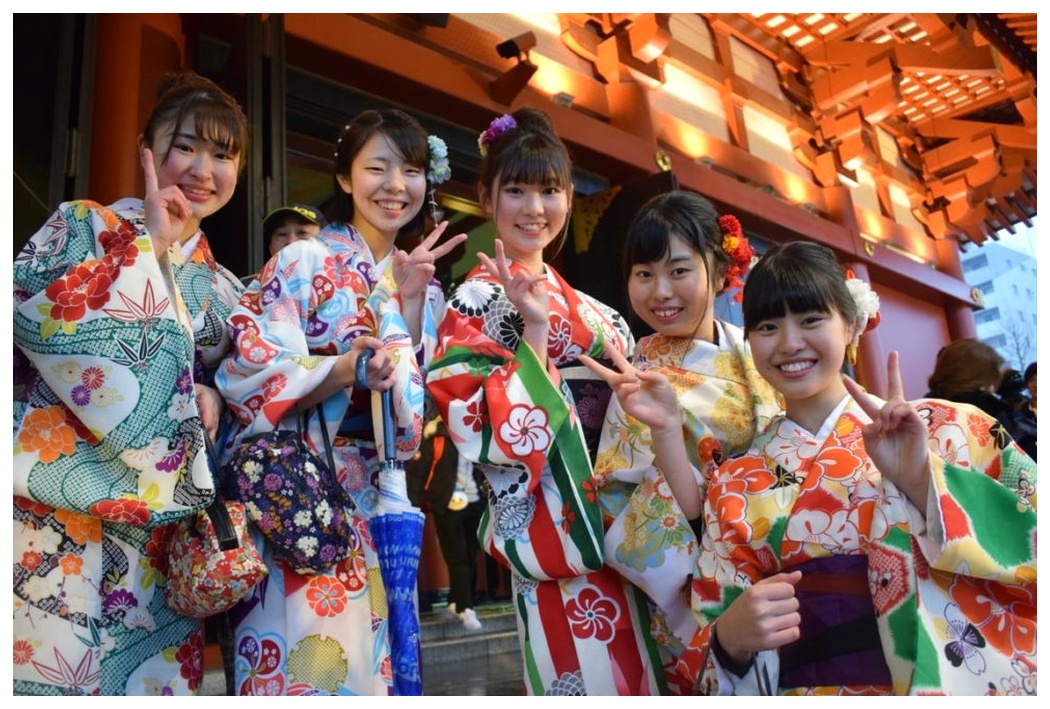
To kick off your Japanese language journey, it’s important to master some fundamental greetings. Just like in other languages, there are various ways to say hello and greet others. Here’s a selection of essential phrases that will be incredibly useful for beginners diving into Japanese!
Konnichiwa
To greet someone in Japanese, the first word you should master is “konnichiwa.” This popular greeting is typically used when meeting someone in person during the afternoon. It’s a polite and relatively formal expression, making it suitable for interactions with acquaintances or those you haven’t met before.
Ohayou gozaimasu/ohayou
“Ohayou gozaimasu” translates to “good morning” in Japanese, making it the perfect greeting for the early hours. This expression carries a formal tone, ideal for professional or respectful interactions. However, when greeting a close friend or family member, you can keep it casual by simply saying “ohayou.”
Konbanwa
“Konbanwa” means “good evening” in English. Similar to “konnichiwa,” it’s a formal greeting that you can use in various social contexts, making it a versatile choice for your evening interactions.
Moshi-moshi
“Moshi-moshi” is a friendly greeting used exclusively when answering the phone. This informal phrase is perfect for conversations with friends and family, but it’s best to avoid using it in professional contexts.
In more formal settings, you can answer the phone by saying hai (yes) followed by your name.
Ya-ho/osu/yo/aah
These greetings are quite casual, so it’s important to reserve them for your close friends and acquaintances. If you’re uncertain, opting for a more formal greeting is always the safer choice.
“Ya-hoi” is a playful and youthful greeting, commonly used by children and teens. It’s akin to the English expression “yoo-hoo!” and serves the purpose of catching someone’s attention, often accompanied by their name.
Osu is informal slang that’s almost always used between men.
“Yois” functions much like its English equivalent, serving as an informal greeting akin to “hello” among close friends. However, it’s important to note that this term is not typically used when addressing anyone older than the speaker.
In Japan, it’s a common practice to greet friends or colleagues with a cheerful “aah,” often followed by their name and a polite bow. This friendly gesture reflects the cultural emphasis on respect and connection in social interactions.
Are you eager to dive into the world of Japanese language learning? If you’re considering an online course, check out our comprehensive summary of the 11 best online Japanese classes and courses available. It’s a great resource to help you find the perfect fit for your learning journey!
Basic Japanese phrases

While mastering basic Japanese, it’s beneficial to expand your vocabulary beyond just “hello.” You’ll encounter various phrases in the top five Japanese learning podcasts, which we highly recommend if you’re committed to your studies.
In the meantime, these essential phrases will be sure to come in handy.
Hajimemashite
“Hajimemashite” is an essential phrase for anyone learning Japanese, particularly for those living in Japan or planning to visit. This greeting is commonly used when meeting someone for the first time, whether in a professional setting or while making new friends.
In English, it roughly translates to a combination of “nice to meet you” and “how are you?”
Arigato gozaimasu/arigato
One of the most significant phrases in any language is “Arigato gozaimasu,” which translates to “thank you” in Japanese. This expression is quite formal, making it suitable for situations where you want to show deep respect or convey heartfelt gratitude, such as in professional settings or when addressing someone you admire.
For more casual and day-to-day situations, a simple arigato would be appropriate.
Sumimasen
“Sumimasen” is a versatile phrase that can enhance your daily interactions in Japan. Primarily, it translates to “excuse me,” making it perfect for casual apologies or to politely grab someone’s attention. Knowing this expression can enrich your communication and help you navigate various social situations with ease.
Sumimasen is also very flexible in terms of formality. You can say it confidently to anyone.
Gomenasai
“Gomenasai” is a Japanese term used specifically for apologizing. While it shares some similarities with “sumimasen,” which can express a wider range of sentiments, “gomenasai” is reserved solely for when you want to convey regret or sorrow to someone.
The term “gomenasai” carries a personal touch and is best reserved for apologies to family and friends. In contrast, when navigating formal or professional settings, “sumimasen” is the more suitable choice.
Dou itashimashite
“Dou itashimashite” is a common way to say “you’re welcome” in Japanese, and it’s definitely a phrase worth adding to your vocabulary. However, it’s interesting to note that there are various other expressions in Japanese that convey the same sentiment.
In Japan, it’s common for people to respond to a “thank you” with expressions like “ie, ie” (which means “no, no”) or “ie ie, kochira koso” (translating to “no, no, the pleasure is mine”). These responses reflect a cultural emphasis on humility and are widely accepted in social interactions.
Sugoi
“Sugoi” is an essential word to learn, as you’ll frequently hear it in conversation. It captures the excitement of saying “wow!” or “amazing!” and allows you to express your own admiration just like a local.
Japanese farewells

After forging new friendships and having meaningful interactions, it’s important to wrap up your conversations on a positive note. Mastering the art of concluding a discussion can leave a lasting impression, so be sure to select the right phrase that fits the context.
Ja ne
“Ja ne” is a popular and casual way to say goodbye in Japanese, typically reserved for friends and peers. It’s similar to the English expression “see ya!” and conveys a friendly, informal farewell.
Mate ne
“Mate neis” shares a close resemblance to “ja ne,” both phrases conveying a casual farewell. Frequently used among close friends and family, it carries the friendly meaning of “see you later!”
Baibai
You may be familiar with this term: “Baibai.” This charming expression is a playful way to say goodbye in Japanese and is often used by women. Its origins stem from the English phrase “bye bye,” and its sound closely resembles it, adding a touch of cuteness to farewells.
Mata ashita
In more formal settings where you need to bid farewell in Japanese, consider using “mata ashita,” which translates to “see you tomorrow.” This phrase is versatile and suitable for both social and professional contexts, making it a great choice when you’ll be seeing the person again the next day.
Ki wo tsukete
“Ki wo tsukete” translates to “take care of yourself” in English. This phrase is suitable for a variety of farewells, but it’s especially popular when parting ways late at night or during inclement weather. It’s a thoughtful way to show you care about someone’s well-being as you say goodbye.
Want to take your Japanese skills to the next level?

Japanese is a fascinating language, but it can present some challenges for beginners. If you’re feeling stuck, consider enlisting the help of a personal tutor. They can pinpoint your areas for improvement, allowing you to address specific language hurdles effectively. This targeted approach can significantly accelerate your journey toward mastering Japanese compared to studying alone!
Why wait any longer? Elevate your Japanese language skills by scheduling a lesson with a LingualNeeds tutor today!
Frequently Asked Questions
What are some essential Japanese greetings for beginners?
Some essential Japanese greetings for beginners include ‘konnichiwa’ for hello, ‘ohayou gozaimasu’ for good morning, and ‘konbanwa’ for good evening.
How do you say thank you in Japanese?
‘Thank you’ in Japanese can be expressed as ‘arigato gozaimasu’ for a formal tone or simply ‘arigato’ for casual situations.
What is the difference between ‘sumimasen’ and ‘gomenasai’?
‘Sumimasen’ is used for casual apologies or to get someone’s attention, while ‘gomenasai’ is specifically for expressing regret or sorrow.
What are some common Japanese farewells?
Common Japanese farewells include ‘ja ne’ for see you, ‘mate ne’ for see you later, and ‘mata ashita’ for see you tomorrow.
Why is learning basic Japanese phrases beneficial when traveling to Japan?
Learning basic Japanese phrases helps deepen your understanding of the culture, enables you to connect with locals, and enhances your overall travel experience.


