

- Why you should learn Japanese slang
- The differences between formal and slang Japanese words
- 40 must-know Japanese slang words and phrases
- Borrowed English words in Japanese slang (和製英語 – wasei-eigo)
- Young people’s slang in 2023 (若者の流行語 – wakamono no ryukogo)
- Learning slang Japanese words makes you sound like a native Japanese speaker
- Frequently Asked Questions
- Why is it important to learn Japanese slang?
- How does formal Japanese differ from slang?
- What is Wasei-eigo?
- Can you provide examples of popular Japanese slang words?
- How can learning slang enhance my Japanese conversation skills?
Japanese extends far beyond the formal expressions found in textbooks. Like any language, it brims with vibrant and playful slang that reflects the culture. By mastering these popular phrases, you’ll enhance your language skills while gaining valuable insights into the everyday lives and cultural nuances of the Japanese, particularly among the younger generation.
In this article, you’ll learn all about Japanese slang and get 50 examples to try out. Let’s get started!
Why you should learn Japanese slang
Mastering formal Japanese is crucial for official situations, but diving into slang offers a genuine glimpse into everyday conversations, particularly among the younger crowd. Here are some compelling reasons to embrace learning slang:
- You can engage more genuinely with Japanese culture by understanding movies, music, and even manga (Japanese comics) better.
- Bridge the gap between textbook Japanese and everyday conversation for smoother, more relatable interactions.
- You can stay up to date. Languages evolve – knowing slang ensures you’re up-to-date with the latest words.
The differences between formal and slang Japanese words
Mastering the balance between formality and casualness is crucial in any language, but it holds particular significance in Japanese. The language features rigid formal structures and an additional layer of respect known as “keigo,” which is essential in professional and formal contexts. Understanding when to switch between these styles can greatly enhance communication and relationships in Japanese culture.
In professional environments and when interacting with elders or superiors, it’s important to use formal Japanese. However, feel free to embrace slang with friends, in casual situations, or while enjoying Japanese entertainment. This balance helps you navigate social dynamics effectively.
Let’s explore a straightforward example of Japanese expressions of gratitude. In formal situations, you would say “ありがとうございます (Arigatou gozaimasu),” while in casual contexts, a more relaxed “ありがとう (Arigatou)” or even the English-inspired “サンキュー (Sankyuu)” suffices. This distinction highlights a common trait in many languages: formal speech often employs longer phrases and more complex structures compared to informal communication.

40 must-know Japanese slang words and phrases
Ready to sound like a local? Here are some phrases to get you started:
- Baka (ばか) = Stupid or idiot.
- Bucchake (ぶっちゃけ) = To be honest or frank.
- Chiruru (チルる) = To chill or relax.
- Chō (超) = Very.
- Dame (だめ) = No good or not allowed.
- Dasai (ダサい) = Uncool or out of style.
- Disuru (ディスる) = To disrespect or talk down about someone.
- Egui (えぐい) = Awesome or incredible.
- Gachi (ガチ) = Serious or real.
- Ganba (がんば) = A short version of “ganbatte,” meaning “do your best” or “good luck.”
- Guguru (ググる) = To Google something.
- Guru guru (ぐるぐる) = Going around in circles – literally or metaphorically.
- Gyaru (ギャル) = A fashion-conscious young lady with tanned skin and long nails.
- Hamaru (はまる) = To be obsessed with or really into something.
- Honto (ほんと ) = Really or for real.
- Ii kanji (いい感じ) = To have a good vibe or feeling about something.
- JK = High school girl.
- Kimoi (キモい) = Creepy or gross.
- Kira kira (キラキラ) = Sparkling, cute, or beautiful.
- Kireru (キレる) = To snap or lose your temper.
- Maji (マジ) = Seriously or really.
- Moteru (モテる) = To be popular or attractive.
- Mukatsuku (むかつく) = To be irritated.
- Nampa (ナンパ) = To chat or pick someone up.
- Nau (なう) = Now, in internet slang.
- Nori ga ii (ノリがいい) = Someone who’s easy-going or goes with the flow.
- Otaku (オタク) = A person obsessed with anime, manga, video games, etc.
- Paripi (パリピ) = Party people.
- Saboru (サボる) = To slack off or skip work/class.
- Sugoi (すごい) = Amazing or incredible.
- Sutaba (スタバ) = Starbucks.
- Tehepero (てへぺろ) = A cutesy way of admitting a mistake.
- Torihada (トリハダ ) = Goosebumps.
- Ukeru (ウケる) = Hilarious.
- Urusai (うるさい) = Literally noisy, but often used as annoying.
- Uzai (うざい) = Another word for annoying.
- Wakannai (わかんない) = I don’t know.
- Warota (ワロタ) = Internet slang for “I laughed.”
- Yabai (ヤバい) = Anything from “awesome” to “oh no.”
- Zakko (ざっこ) = Cheap or low quality.
Keep in mind that slang often varies by region and evolves rapidly over time. Nevertheless, here are some widely recognized and frequently used terms in modern Japanese culture that you might find interesting.
Borrowed English words in Japanese slang (和製英語 – wasei-eigo)
Japanese is rich with loanwords derived from English, but they aren’t mere translations. Instead, these terms are uniquely adapted to suit Japanese culture and pronunciation, a phenomenon known as Wasei-eigo, or “Japanese-made English.” This fascinating blend showcases how language evolves and interacts across cultures.
Here are some popular slang examples:
41. Sumaho (スマホ) = A condensed form of “smartphone.”
42. Donmai (ドンマイ) is a Japanese expression derived from the phrase “Don’t mind.” It’s commonly used to convey reassurance, meaning “Don’t worry about it” or “It’s all right.”
43. Furītā (フリーター) is a unique term that blends “free” with the German word “arbeiter,” meaning worker. It describes individuals who do not hold a full-time job, typically engaging in various part-time positions instead. This lifestyle offers flexibility but often lacks the stability of traditional employment.
It’s important to note that even though these terms originate from English, their meanings can vary significantly in Japanese culture. Don’t assume that your English will be easily understood; take the time to learn about these distinctions. Doing so will help you avoid potential misunderstandings that could be amusing or even offensive.
Young people’s slang in 2023 (若者の流行語 – wakamono no ryukogo)
So far, we’ve explored slang that’s commonly used in Japan. Now, let’s dive into a more niche selection of terms, many of which have emerged from social media and are popularized by Japanese YouTubers and TikTok influencers. Join us as we uncover the slang that resonates with the youth of 2023!
44. Choe (ちょえ) = Wait a second.
“Genkai otaku” (限界オタク) refers to an ultra-enthusiastic fan who has reached the pinnacle of their passion for a particular interest. While this term was once viewed negatively, it has since evolved into a more positive expression, celebrating the depth of devotion that these fans have for their hobbies.
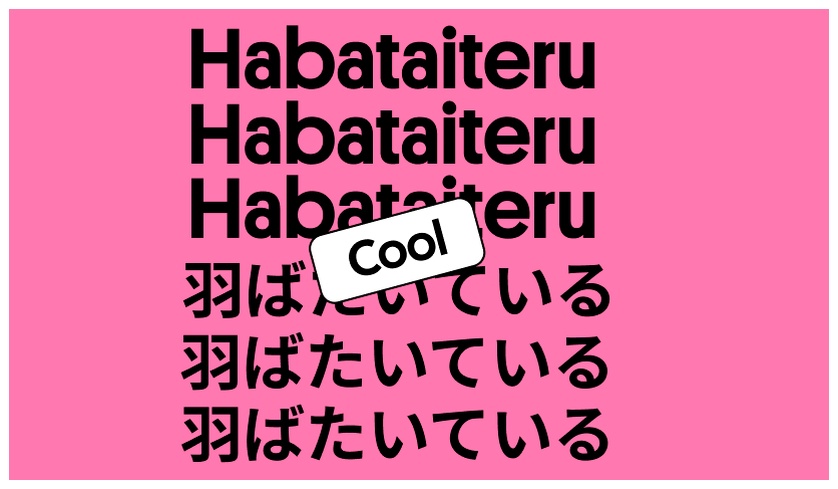
46. Habataiteru (羽ばたいている) = Cool.
47. Kawachii (かわちぃ) = Cute.
48. Sukihao (好ハオ) = Like.
49. Tētē (てぇてぇ) = Valuable or precious in otaku culture.
50. Yuzane (ユザネ) = Username.
Slang is ever-changing, and these trendy terms might quickly become outdated. If you’re eager to try them out, now is the time—just be sure to chat with a young person who’s familiar with the lingo!
Learning slang Japanese words makes you sound like a native Japanese speaker
While these expressions may not always be suitable, they can enhance your conversational skills in Japanese when used in the right context. Experiment with them during casual chats with friends or practice with online tutors at LingualNeeds to sound more like a native speaker.
Frequently Asked Questions
Why is it important to learn Japanese slang?
Learning Japanese slang allows for a more genuine engagement with Japanese culture and helps bridge the gap between formal and informal language.
How does formal Japanese differ from slang?
Formal Japanese employs rigid structures and respect forms like ‘keigo,’ while slang is more casual and used in relaxed settings.
What is Wasei-eigo?
Wasei-eigo refers to Japanese-made English words that are adapted to fit Japanese culture and pronunciation.
Can you provide examples of popular Japanese slang words?
Examples include ‘baka’ (stupid), ‘ganba’ (do your best), and ‘sugoi’ (amazing).
How can learning slang enhance my Japanese conversation skills?
Using slang in the right context can make you sound more like a native speaker and improve your conversational skills.


