

- The format of Japanese letters
- Opening and closing words
- Set phrase #1 (opening greetings)
- General greeting
- Seasonal greetings
- Main text
- Set phrase #2 (final greetings)
- An example Japanese letter
- Formal Japanese
- How to write a Japanese address
- Write Japanese letters like a pro
- Frequently Asked Questions
- What are the main components of a Japanese letter?
- How do I address someone in a Japanese letter?
- What is keigo and why is it important in Japanese letters?
- Can I use informal language when writing to friends in Japan?
- What is a recommended phrase to use in Japanese letters?
You might find it surprising, but letter writing is still alive and well in Japan! While the practice has declined over the years, it’s far from extinct and remains quite common. In fact, the use of fax machines contributes to this enduring tradition, making letters and postcards a popular form of communication among many.
In Japan, a significant number of official procedures remain rooted in traditional paper formats, and the transition to online systems is progressing slowly. Therefore, if you’re considering living in Japan, it’s essential to familiarize yourself with the art of letter writing, as it plays a crucial role in navigating these processes.
Japanese letters adhere to specific formal conventions, but these can be relaxed when writing to close friends or family. However, in today’s digital age, the art of letter writing is becoming less common, as many people prefer the convenience of sending a quick text message instead.
When writing a letter in Japanese, you will typically encounter a formal style that adheres to specific conventions and incorporates keigo, the respectful form of the language. This means you’ll use vocabulary and phrases that are quite different from everyday conversation.
In this article, you’ll learn how to follow the strict formal guidelines and write effective Japanese letters.
The format of Japanese letters
Writing letters in Japanese can be surprisingly straightforward due to the strict format and established phrases used in the language. By simply inserting these pre-defined phrases into the correct spots, you can effortlessly create a polished letter that’s ready to be sent.
Here’s the format of a letter:
- Addressee’s name
- Opening word
- Set phrase #1 (opening greeting)
- Content (what you want to talk about)
- Set phrase #2 (final greeting)
- Closing word
- Date
- Your name
For section #3, your task is simply to select the appropriate words. The rest of the process adheres to a predefined formula. Let’s dive deeper into the specifics.
Opening and closing words
In Japanese correspondence, the opening and closing phrases are intricately linked, forming pairs that set the tone for the entire letter. The most frequently used combination is 拝啓 (haikei) at the beginning, which translates to “Dear,” and 敬具 (keigu) at the end, meaning “Sincerely.” This pairing reflects the formal structure and respect inherent in Japanese writing.
In Japanese writing, the greeting 拝啓 (haikei – Dear) is placed after the recipient’s name, which is quite different from English conventions where it precedes the name. Additionally, when signing off with 敬具 (keigu – Sincerely), it’s important to include the date before adding your name.
Set phrase #1 (opening greetings)
Following your opening word, make sure to add one of the greetings from the list provided below. We’ve also included the romaji spelling for each greeting to assist you.
Please note that the greetings in the following two tables are formal in nature. Unlike Japanese, which has distinct levels of formality, English lacks this nuance, making precise translations challenging. As a result, we’ve provided straightforward English translations, even if they don’t fully capture the formality of the original Japanese.
General greeting
|
Greeting |
Romaji |
Approximate meaning |
|
お元気でいらっしゃいますか。 |
ogenki de irasshaimasu ka |
How are you? (very formal) |
|
お元気ですか。 |
o genki desu ka |
How are you? |
|
いかがお過ごしでいらっしゃいますか。 |
ikaga osugoshi de irasshaimasu ka |
How have you been? (very formal) |
|
いかがお過ごしですか。 |
ikaga osugoshi desu ka |
How have you been? |
|
おかげさまで元気にしております。 |
okage sama de genki ni shite orimasu |
Fortunately, I’m doing well. |
|
家族一同元気にしております。 |
kazoku ichidō genki ni shite orimasu |
The family is all doing well. |
|
お手紙ありがとうございました。 |
otegami arigatō gozaimashita |
Thank you for your letter. |
|
長い間ご無沙汰しておりまして申し訳ございません。 |
nagai ma gobusata shite orimashite mōshiwake gozaimasen |
I’m sorry for neglecting to write for such a long time. |
|
ご無沙汰しております。 |
gobusata shiteorimasu |
I’m sorry for not writing sooner. |
|
ご無沙汰しておりますが、お元気でいらっしゃいますか。 |
gobusata shite orimasu ga, ogenki de irasshaimasu ka |
I’m sorry for not writing sooner, have you been well? |
|
お世話になっております。 |
osewa ni natte orimasu |
Thank you for your support (This is a very useful phrase for spoken, polite Japanese, too) |
Seasonal greetings
Seasons are a big part of Japanese culture. So there are some seasonal greetings you can add here instead:
|
Greeting |
Romaji |
Approximate meaning |
|
寒くなってきましたが、お体に気をつけてください。 |
samuku nattekimashitaga, okarada ni ki o tsukete kudasai |
It’s getting cold but please take care of yourself. |
|
寒さひとしお 身みにしみる 今日このごろ、お体に気をつけてください。 |
samusa hitoshio mimi ni shimiru kyō konogoro, okarada ni ki o tsukete kudasai |
Please take care of yourself in this cold weather. |
|
寒い日が続いておりますが、いかがお過ごしですか。 |
samui hi ga tsuzuite orimasu ga, ika ga osugoshidesu ka |
While the cold days continue, how are you doing? |
|
新春とは 申しながら、まだまだ 寒さが 続いておりますが、お元気でいらっしゃいますか。 |
shinshun to wa mōshinagara, madamada samusa ga tsuzuite orimasu ga, o genkide irasshaimasu ka |
Even though the cold continues this New Year, I hope you’re well. |
|
春の日うららかな今日このごろ、お元気でいらっしゃいますか。 |
harunobi urara kana kyō konogoro, ogenki de irasshaimasu ka |
How are you on these beautiful spring days? |
|
暑中お見舞い申し上げます |
shochū o mimai mōshiagemasu |
Summer greetings. |
|
厳しい残暑が続いておりますが、いかがお過ごしでいらっしゃいますか。 |
kibishī zansho ga tsuzuite orimasu ga, ikaga osugoshi de irasshaimasu ka |
I hope you’re doing well in this oppressive heat. |
|
すっかり秋らしくなってまいりましたが、いかがお過ごしでいらっしゃいますか。 |
sukkari akirashiku natte mairimashita ga, ikaga osugoshi de irasshaimasu ka |
It’s becoming autumn-like; How are you? |
|
今年も 押し 迫りましたが、いかがお過ごしでいらっしゃいますか。 |
kotoshi mo oshi semarimashita ga, ikaga osugoshi de irasshaimasu ka |
As the year draws to a close, I hope you’re doing well. |
These phrases are distinct to letter writing, with one exception noted in the top tip below. They tend to be elaborate and very formal, making them unsuitable for everyday conversation. Since these phrases are standardized, their specific meanings are less important for you to remember. Instead, focus on the fact that formal letters must include at least one of these phrases. When crafting your letter, refer to this list for guidance.
Main text
Now it’s time to put your Japanese skills to use! This is the moment to express the main message of your letter. You can begin with phrases like “さて (sate),” “ところで (tokorode),” or “このたび (konotabi)” to smoothly transition into your message.
These expressions serve the same purpose as the English phrase “I’m writing in regard to.” The following part of this section is yours to develop.
Set phrase #2 (final greetings)
We’re returning to the use of a specific phrase. Please select one of the options below to incorporate before your final word.
|
Final greeting |
Romaji |
Approximate meaning |
|
お体に気をつけて。 |
okarada ni ki o tsukete |
Please take care of yourself. |
|
お体を大切に。 |
okarada o taisetsu ni |
Please take care of yourself. |
|
ご健康をお祈りしています。 |
gokenkō o oinori shiteimasu |
I pray for your health. |
|
どうかよろしくお願い致します。 |
dōka yoroshiku onegai itashimasu |
Thank you for dealing with this matter for me. |
|
お返事お待ちしております。 |
ohenji omachi shite orimasu |
I look forward to hearing from you. |
|
田中さんよろしくお願いします。 |
Tanaka-san ni yoroshiku onegai shimasu |
Give my regards to Mr. Tanaka. |
An example Japanese letter
Here’s an example letter using the format and phrases from above.
|
Example letter |
Translation |
|
田中様 拝啓 お世話になっております。 さて [YOUR MESSAGE GOES HERE] お返事お待ちしております 敬具 2024/08/01 John Smith
|
Tanaka-sama (Mr. Tanaka) haikei (Dear) osewa ni natteorimasu (Thank you for your support) sate (I’m writing in regard to…) o henji omachi shiteorimasu (I look forward to your reply) keigu (Sincerely) |
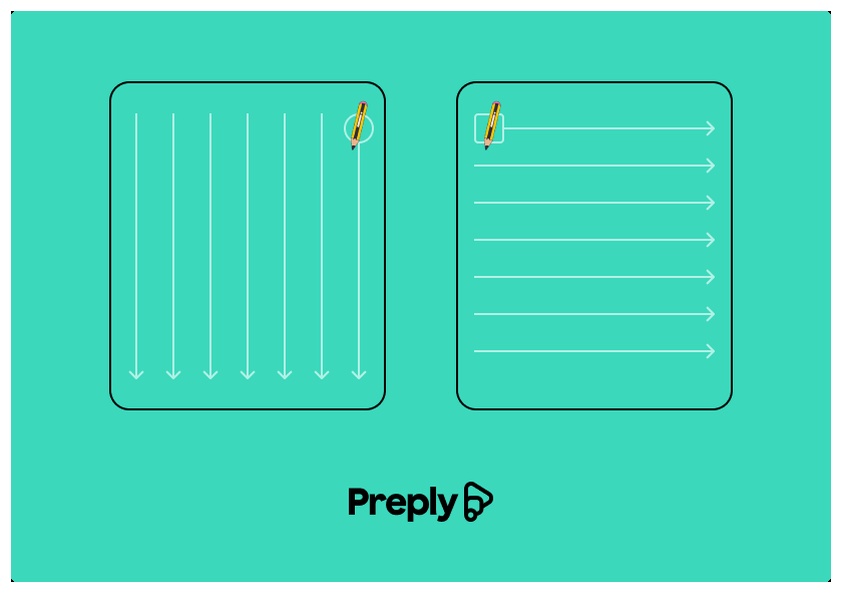
Formal Japanese
Japanese is known for its strict formalities, influenced by social hierarchy and etiquette. For those whose first language lacks these layers of formality, such as English, this can be quite challenging to grasp. If you’re looking to master polite and formal Japanese, consider enrolling in online lessons to enhance your understanding and skills.
How to write a Japanese address
By now in this guide, you likely expect that Japanese envelopes and addresses adhere to a specific format as well.
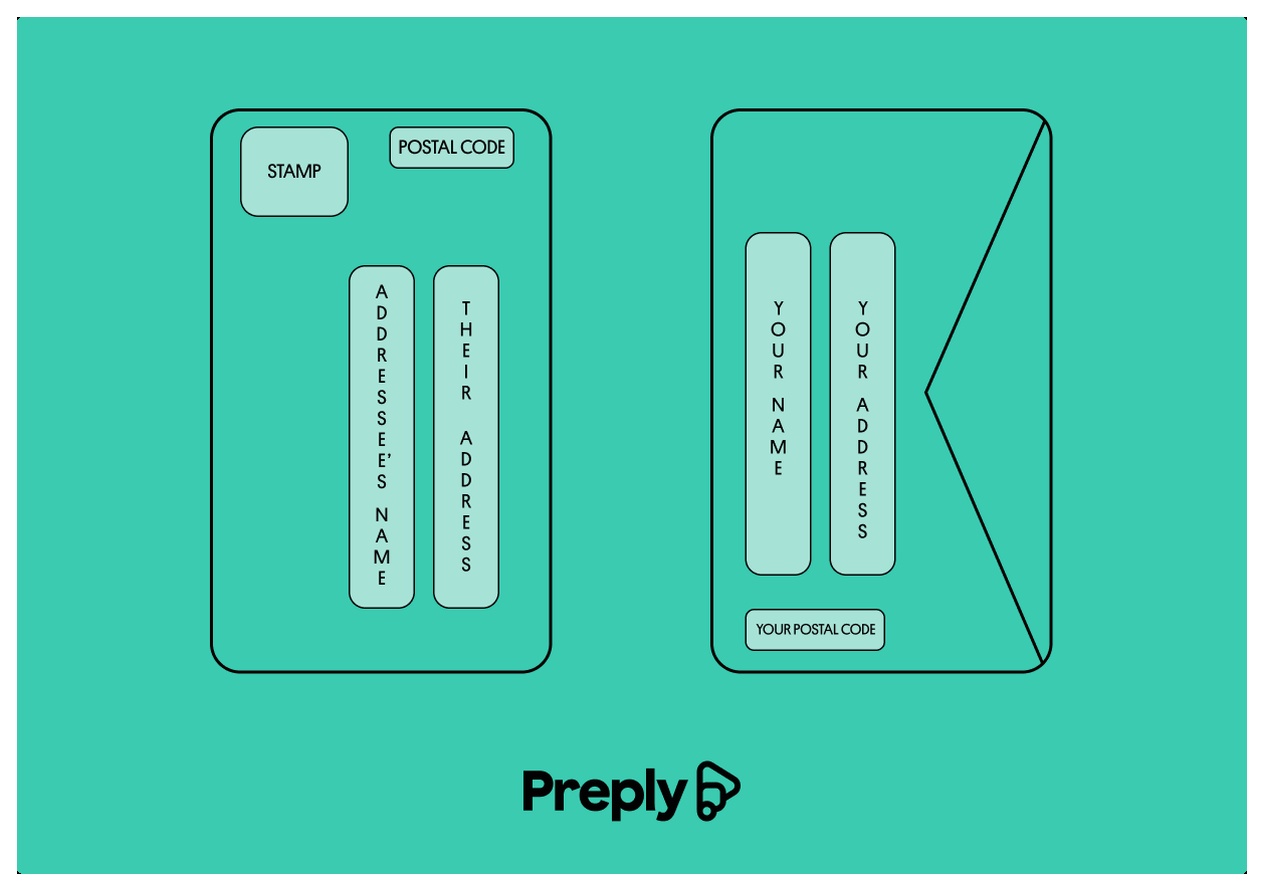
Here’s how to address an envelope in Japanese:
- You’ll find seven boxes at the top of most envelopes in Japan. Add the seven-digit postcode here.
- Display the address vertically on the right side of the envelope, typically within a designated box. List the address components in order from largest to smallest: Prefecture, city, ward, street number, and building name.
- Place the recipient’s name on the left side in a larger font than the address, and remember to include an appropriate honorific.
- Put your address and name on the back of the envelope.
Write Japanese letters like a pro
Writing a letter in Japanese can be challenging due to its stringent rules regarding formality. However, the good news is that a structured format is in place, which simplifies the process. By adhering to this established framework and utilizing common phrases, you can craft your letter with ease.
This guide offers valuable tips for crafting formal Japanese letters. For those seeking additional practice, consider learning Japanese online with a LingualNeeds tutor. You’ll receive immediate feedback and personalized support, ensuring your letters convey your message clearly and effectively.
Frequently Asked Questions
What are the main components of a Japanese letter?
The main components of a Japanese letter include the addressee’s name, opening word, set greeting, content, final greeting, closing word, date, and your name.
How do I address someone in a Japanese letter?
In a Japanese letter, you typically place the recipient’s name followed by an appropriate honorific, such as 様 (sama) for formal situations.
What is keigo and why is it important in Japanese letters?
Keigo is the respectful form of the Japanese language used in formal writing and communication. It is important in Japanese letters to convey respect and adhere to cultural norms.
Can I use informal language when writing to friends in Japan?
Yes, when writing to close friends or family, the formal conventions can be relaxed, allowing for more casual language.
What is a recommended phrase to use in Japanese letters?
A commonly recommended phrase to use is お世話になっております (osewa ni natte orimasu), which means ‘Thank you for your support’ and is versatile for various contexts.


