- Key takeaways
- An interest in affirmations
- The practice of affirmations
- Methodology
- Frequently Asked Questions
- What are affirmations?
- Which state in Australia searches for affirmations the most?
- What are the most popular affirmations searched in Australia?
- What percentage of Australians use daily affirmations?
- Which generation is most likely to practice daily affirmations?
Picture beginning each day with uplifting words that inspire success and joy. These powerful phrases, known as affirmations, help cultivate a positive mindset and are becoming increasingly popular across Australia.
In this article, we delve into the growing trend of Australians incorporating affirmations into their lives. We highlight popular phrases and examine their positive impact on well-being, self-confidence, and overall life satisfaction. You might discover just the motivation you need to integrate this uplifting practice into your daily routine!
Key takeaways
- South Australia is the state looking for affirmations the most.
- Brisbane is the city looking for affirmations the most.
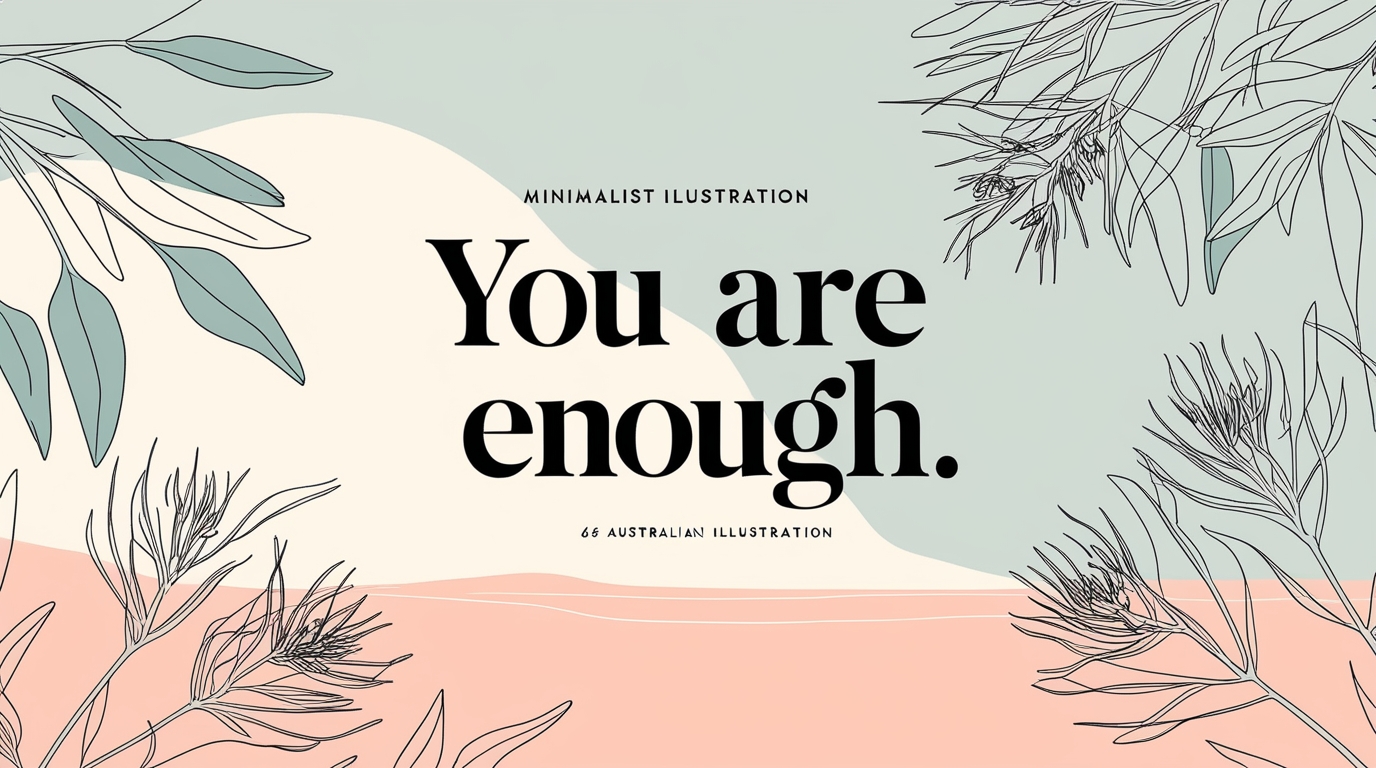
- “I am enough,” “I am loved,” and “I love myself.” are the most searched affirmations.
- Nearly 3 in 10 Australians use daily affirmations, with Gen Z being the generation most likely to do so.

Learn a language with personalised 1-on-1 classes with our expert tutors from all over the world
French lessons online
Spanish lessons online
An interest in affirmations
A recent analysis of Google search data, combined with a survey of 970 Australians, has revealed intriguing insights into how affirmations shape everyday life. Here, we share the empowering phrases that Australians use to tackle challenges and pursue their dreams.

South Australia is the state searching for affirmations the most, closely followed by Tasmania and Victoria.
Brisbane is the city most engaged in searching for affirmations, with Adelaide and Melbourne not far behind.
The affirmations topping the searches in Australia are:
- “I am enough.”
- “I am loved.”
- “I love myself.”
The practice of affirmations
Daily affirmations among Australians reveal a powerful shift towards self-love, personal development, and overall well-being. Let’s delve deeper into who is embracing this practice and the impact it has on their lives.

29% of Australians use affirmations in their daily routines, while another 35% are interested in adopting this practice.
A majority of individuals, about 54%, prefer to focus on a single affirmation each day. Meanwhile, 24% choose to incorporate two affirmations, and a more dedicated 10% engage with five or more affirmations daily.
Women are 39% more likely than men to practice daily affirmations.
Gen Z stands out as the most engaged generation, with 34% of its members incorporating daily affirmations into their routines. This trend highlights a growing emphasis on mindfulness among younger Australians, reflecting their commitment to mental well-being.
Among those who practice daily affirmations, their primary areas of focus are:
- Self-esteem
- Confidence
- Self-improvement
- Health
- Gratitude
A study reveals that 30% of users stick to the same affirmations each day, while 33% prefer to switch them up frequently. Interestingly, 37% are eager to explore the benefits of incorporating a rotating approach into their affirmation practice.
87% of those who practice daily affirmations do so in the morning.
The most popular methods for affirmation practices are:
- Internal repetition (74%)
- Speaking them aloud (38%)
- Writing them down (19%)
- Listening to recordings (8%)
The top motivations among Australians who practice daily affirmations are:
- Enhancing self-esteem and confidence
- Managing stress
- Fostering personal growth
- Developing a positive mindset
- Boosting motivation
Many Australians who practice affirmations report notable benefits: 55% experience a more positive outlook on life, 47% have reduced negative self-talk, and 45% find they manage stress more effectively.
At LingualNeeds, we understand the transformative power of words. Our English language tutors are here to help you harness this power, not only for self-affirmation but also to broaden your horizons through language learning. Whether your goal is to enhance your self-esteem, alleviate stress, or embark on a journey of personal growth, mastering a new language can be a deeply rewarding experience.
Discover our diverse selection of language classes that allow you to connect with experienced English tutors from Australia or embark on your journey to learn Spanish with dedicated private tutors. This is your opportunity to boost both your personal and professional growth!
Methodology
Over the past 12 years, we analyzed Google Trends search volume for 23 affirmations and related terms across Australia, examining data at the national level, by six states, and within the five largest cities. To gain deeper insights, we surveyed 970 Australians about their interest in and experiences with daily affirmations. The survey results revealed a diverse demographic: 42% identified as men, 56% as women, and 2% as nonbinary or nonconforming. In terms of age groups, 5% were baby boomers, 16% were Gen X, 52% were millennials, and 27% were Gen Z.
Frequently Asked Questions
What are affirmations?
Affirmations are powerful phrases that help cultivate a positive mindset and inspire success and joy.
Which state in Australia searches for affirmations the most?
South Australia is the state looking for affirmations the most.
What are the most popular affirmations searched in Australia?
The most searched affirmations are ‘I am enough,’ ‘I am loved,’ and ‘I love myself.’
What percentage of Australians use daily affirmations?
Nearly 3 in 10 Australians, or 29%, use daily affirmations.
Which generation is most likely to practice daily affirmations?
Gen Z is the generation most likely to incorporate daily affirmations into their routines.