- What makes British English unique?
- Accent
- Spelling
- Vocabulary and slang
- Pronunciation
- Grammar
- 8 tips on how to speak British English
- 1. Watch British TV and Film
- 2. Find a native British English speaker to teach you
- 3. Use resources made for British English learners
- 4. Make British friends
- 5. Set your gadgets to British English
- 6. Find accent videos on YouTube
- 7. Listen to British podcasts
- 8. Sing along to British music
- 20 British slang terms & idioms you need to know
- 1. Bloke
- 2. Loo
- 3. Cheers
- 4. Reckon
- 5. Gutted
- 6. Mate
- 7. Posh
- 8. Sick
- 9. Lie-in
- 10. Chuffed
- 11. Fit
- 12. Rubbish
- 13. Chat
- 14. Skive
- 15. Snog
- 16. Fancy
- 17. Can’t be bothered
- 18. Skint
- 19. Kip
- 20. Knackered
- A brief afterword
- Frequently Asked Questions
- What are some key features that make British English unique?
- How does British English pronunciation differ from American English?
- What are some common vocabulary differences between British and American English?
- What are effective ways to learn British English?
- Can you give examples of British slang terms?
Ah, British English! While it may not be the most widely spoken or the simplest to grasp, there’s an undeniable charm in its unique expressions and rich history, don’t you think?
While most English learners focus on the American dialect, there are many compelling reasons to choose British English. You might be preparing for a Cambridge English exam, planning to study in London, or simply a fan of Harry Potter. Whatever the motivation, embracing British English can enrich your language skills and cultural understanding.
To master English like a native speaker, it’s essential to familiarize yourself with everything from popular slang and grammar rules to the nuances of pronunciation. Here’s what you need to know!
What makes British English unique?
Discover the five key features that set British English apart from other variations—master these essential aspects to enhance your understanding and communication!
Accent
Contrary to popular belief, there isn’t just one “British accent.” In fact, the United Kingdom is home to a rich tapestry of distinct accents, each reflecting its unique regional culture. Some accents are so pronounced that even native English speakers can find them challenging to comprehend!
Northern Ireland, Scotland, and Wales are often collectively referred to as “Britain,” yet each boasts its own unique accents shaped by local languages. The North of England, in particular, showcases a remarkable diversity of accents due to its towns and cities being historically isolated and less densely populated. For example, despite being only 90 miles apart, the accents of Liverpool and Manchester are strikingly different, highlighting the rich tapestry of regional speech across these areas.
When people outside of Britain mention “a British accent,” they often mean Received Pronunciation (RP), also known as “the Queen’s English.” This accent is commonly heard in documentary narration, among characters like Harry Potter and his friends, and even in Hollywood villains. Surprisingly, RP is less widespread in the UK than many assume. It is primarily spoken by upper and middle-class individuals in North London and some southern areas, where it is often viewed as “posh.”
Spelling
English words often have different spellings depending on whether you’re using British or American English. While autocorrect can help you navigate these differences in your typing and messaging, it’s still important to be aware of them. Understanding these variations can enhance your writing and communication skills.
Americans embrace the letter “z” with gusto, incorporating it frequently in their spelling. In contrast, you’ll seldom find it nestled in the middle of words in British English. Take a look at how certain words are spelled differently:
- Memorized (US English)
- Memorised (UK English)
Whereas the Brits often throw in some extra vowels, like so:
- Color (US English)
- Colour (UK English)
Navigating the differences between US and UK spellings can be tricky, as there isn’t a clear set of rules to follow, and they don’t always indicate how words are pronounced. If you find yourself mixing them up, don’t be too hard on yourself—native speakers often do the same! To make things easier, consider using an autocorrect tool configured for British English; it can be a helpful ally in your writing!
Vocabulary and slang
Native English speakers from the US and the UK typically communicate seamlessly, yet they often encounter a surprising range of vocabulary differences in everyday conversation. In fact, some words can carry entirely different meanings across the two regions, highlighting the fascinating diversity within the English language.
- In the US, “pants” are the clothes that cover your legs.
- In the UK, “pants” means underwear, and the clothes that cover your legs are “trousers.”
The UK boasts a rich array of mild swear words that often differ from those used in the US, with terms like “blimey” and “bloody” standing out. Additionally, the British have a variety of slang terms for toilets, including “loo,” “john,” and “bog,” adding a unique flavor to everyday language.
Consider region-specific vocabulary as a delightful adventure you’ll embark on rather than a tedious subject to master. Native speakers love sharing their slang, making it one of the most exciting aspects of learning a language! If you’re looking for a structured way to study, take a look at our article comparing American and British English terms and phrases.
Pronunciation
Did you know that the American English accent is believed to be closer to 17th-century English than many accents found in England today? Linguists explain that the sounds of American English are generally easier to produce, contributing to this interesting linguistic connection.
While audio recordings and videos are the most effective tools for demonstrating pronunciation, here are a few key differences to watch for:
- In US English, “water” is pronounced as “waadder,” with the stressed “a” and a nearly silent “t.” In contrast, UK English pronounces it as “worter,” featuring a distinct and crisp “t” sound.
- US English speakers often emphasize the “a” sound in the middle of words, pronouncing “tomato” as “tom-AIY-to.” In contrast, UK English speakers tend to soften the “a,” resulting in “tom-art-o.”
If you’re looking for an audible explanation of the differences, take a look at this video:

To master pronunciation differences effectively, take your time and immerse yourself in the accent gradually. If there’s a specific word you need to pronounce correctly, a great resource is the Cambridge English Dictionary online, where you can find accurate pronunciations.
Grammar
There are some nuanced grammar distinctions between US and UK English, but there’s no need to stress over them. Interestingly, grammar isn’t typically a focus in British schools. Often, if you inadvertently apply an American grammatical rule, native British speakers may not even notice!
Here are some small points to take note of:
- In UK English, the preposition “at” is used for dates: “I will bake a cake at the weekend.” In contrast, US English speakers use “on”: “I will bake a cake on the weekend.”
- In North America, “gotten” serves as the past participle of “get,” as in “I’ve gotten all the ingredients for the cake.” In contrast, the UK prefers “got,” making the phrase “I’ve got all the ingredients for the cake” more common.
- North Americans often use the past simple tense for recent events, saying “I ate too much cake,” while in the UK, the present perfect tense is preferred, as in “I’ve eaten too much cake.”
However, these are the kinds of variations you’ll only need to worry about at a very advanced level.
8 tips on how to speak British English
Learning to speak British English follows a similar path to mastering English overall. The key distinction, however, lies in your choice of study materials. To truly immerse yourself in British English, focus on resources that highlight this specific variant, ensuring it becomes your primary exposure to the language.
1. Watch British TV and Film
A key factor contributing to the widespread adoption of the North American accent among ESL speakers is the overwhelming influence of the United States in the English-language media and entertainment sectors. With giants like Hollywood and Netflix leading the way, American accents have become the most recognizable and prevalent globally.
Learning a British accent can be challenging, especially when distractions arise. Additionally, many North American films feature British characters portrayed by American actors, resulting in “English accents” that often sound painfully inaccurate to native Brits.
To truly immerse yourself in captivating storytelling, consider shifting your focus from US-produced series to the wealth of British television and film available. The BBC, the British state-owned broadcasting company, has a treasure trove of acclaimed TV shows (or programmes!) just waiting to be explored. Here are some standout examples to get you started:
- Doctor Who — a long-running science-fiction program about a person who can travel through time in a phone booth.
- Fleabag — a dark, feminist comedy about a single woman living in London. Explicit.
- Sherlock — a high-budget, contemporary remaking of some of the most famous detective stories in the English-speaking world.
- Blue Planet — a series of highly cinematic nature documentaries about the ocean.
- Louis Theroux’s Weird Weekends: A classic documentary series exploring unconventional lifestyles, featuring interviews with alien hunters, polygamists, and more.
- The Mighty Boosh — a psychedelic comedy popular with alternative teenagers.
- The Great British Bake Off: A comforting reality TV series featuring bakers vying to create the finest cakes in the UK.
- Peep Show — a dark comedy about two single men who share a flat in a poor part of London. Explicit.
These shows are true classics; just mention one to a British person, and you’ll instantly see their eyes light up with recognition! If none of these pique your interest, don’t worry—explore Netflix for a treasure trove of British TV shows waiting to be discovered.
2. Find a native British English speaker to teach you
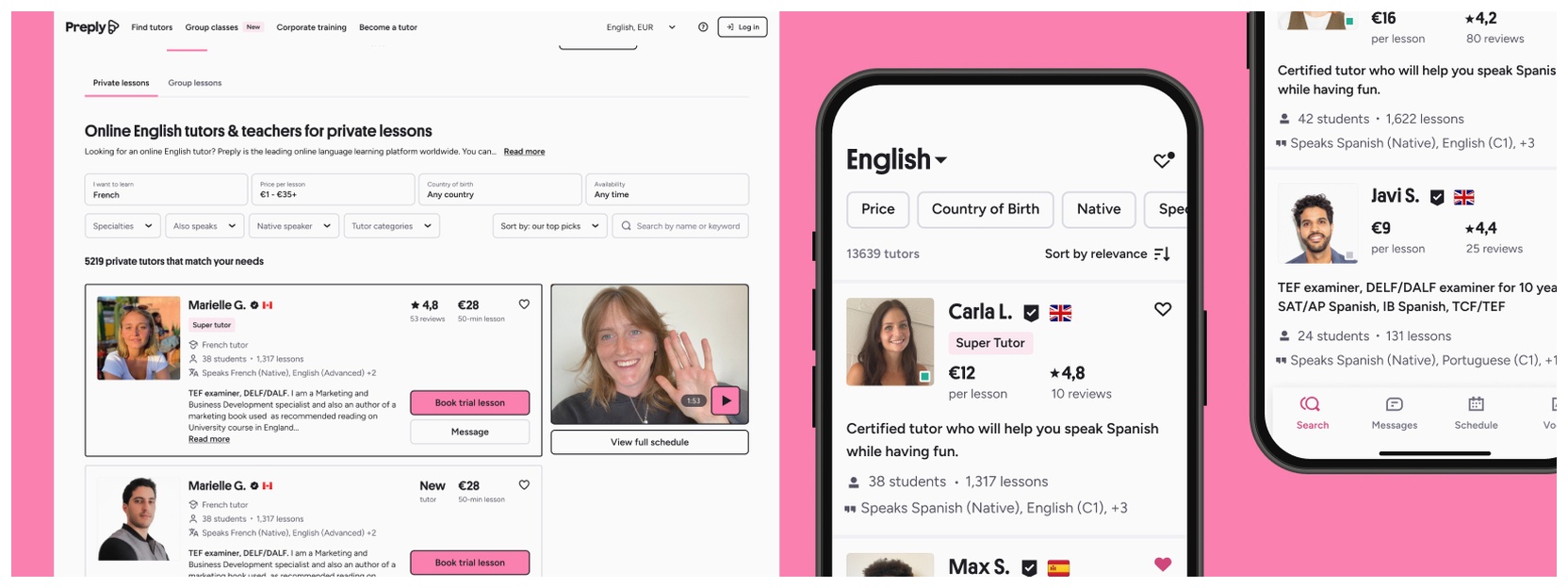
Are you committed to mastering British English? The best way to achieve your goal is by working with a native British English tutor. On LingualNeeds, you can easily connect with experienced tutors for online lessons. Simply use our search filters to find someone who fits your schedule, has excellent reviews, and offers rates that suit your budget. Start your journey to fluency today!
Nothing compares to the insight of a native speaker! Their guidance is invaluable, especially when it comes to grasping the nuances of a British accent—a challenge many ESL learners face, given the prevalence of US accents. You’ll receive immediate feedback on your pronunciation and vocabulary, allowing you to recognize your strengths and pinpoint areas for improvement. This tailored support can significantly enhance your speaking skills and confidence.
Your native speaker tutor will introduce you to British words and expressions tailored to your needs. They serve as a bridge to British culture, offering personalized recommendations for books, music, and TV shows that align with your interests and language proficiency. Just one or two lessons a week can lead to significant progress!
3. Use resources made for British English learners
To master British English, it’s essential to focus on the right learning resources. This can actually be a relief for many students! With a vast array of materials available, you can now streamline your search by knowing what to avoid and what to seek out.
Fortunately, the British government allocates substantial funds to provide free resources aimed at helping ESL learners master British English. These initiatives encompass:
- BBC Learning English offers a vast array of current ESL resources, including quizzes, an app, and a YouTube channel. Their “60 Seconds to Learn English” feature provides quick audio clips that teach grammar rules or vocabulary in just one minute.
- British Council: Learn English Online
Access a wealth of resources for learning English, featuring exercises tailored to all proficiency levels. The business English section is especially robust. Additionally, the British Council offers a variety of online and in-person courses.
British English learners have access to a rich array of privately-owned resources. From materials offered by Cambridge English and various exam boards to specialized courses on Coursera, the options are plentiful. Additionally, learners can enhance their vocabulary with British English flashcards available on Memrise.
4. Make British friends
It’s fascinating how easily we adopt the speech patterns of our friends, including their expressions, accents, and slang! Embrace this natural tendency by teaming up with a native British English speaker or two. You’ll not only enhance your language skills but also gain a deeper understanding of the culture.
If you’re not in the UK, the simplest way to connect is through the internet. You can immerse yourself in video games, join vibrant online communities on platforms like Facebook and Reddit, or utilize language exchange apps to enhance your experience.
When exploring language exchange opportunities, be sure to indicate on your profile that you’re eager to connect with British English speakers. A helpful tip: consider the time difference between your location and the UK. To maximize your chances of engaging with native speakers, use the app during their waking hours!

5. Set your gadgets to British English
In the 2020s, if you’re learning English, it’s likely that much of your study is happening on a screen. Consider changing your device settings to British English. This simple adjustment will ensure that autocorrect fixes your spelling and grammar according to British standards instead of the more prevalent American ones. You’ll become familiar with British English spellings of everyday words. Plus, if you use virtual assistants like Siri or Cortana, you can practice your listening skills with a British-accented voice, enhancing your learning experience even further!

6. Find accent videos on YouTube
YouTube is a valuable resource for mastering a new accent, especially British English. With countless expert tutorials available, you can learn the precise mouth shapes and movements necessary to create authentic-sounding British pronunciations. Dive in and start exploring!
- British Pronunciation Secrets by ETJ Languages
- How to sound British by 5 minute languages
- Pronounce the 100 Most Common English Words by English with Lucy
- British vs American English by Linguamarina
- 4 Ways to INSTANTLY Sound More British by Anpu
Keep in mind that if you’re having trouble with certain sounds, others who share your native language likely face the same challenges. Consider exploring YouTube for videos on “British English pronunciation for native [Arabic / Ukrainian / French] speakers.” These resources can provide valuable insights and tips from those who have successfully navigated similar hurdles!
7. Listen to British podcasts
Podcasts offer an excellent opportunity to immerse yourself in various accents through the beauty of spontaneous conversation. The best part? You can enjoy them while multitasking, making it a perfect form of passive learning. If you’re at an intermediate level, consider tuning into:
- Learn English Podcast from the British Council
- 6-Minute English from the BBC
- The English We Speak from the BB
- Luke’s English Podcast
If you’ve reached an advanced level in your English skills—congratulations! Now is a great time to dive into a British podcast that aligns with your interests. To get started, explore the UK podcast charts on your preferred listening app for some exciting options!

8. Sing along to British music
Music is an excellent avenue for immersing yourself in British English, and singing along can significantly enhance your accent! However, it’s important to note that many British rock and pop artists often adopt a more neutral or Americanized accent when they sing, which can differ from their natural speaking voice. This intriguing phenomenon is evident in iconic British musicians like Mick Jagger and Ed Sheeran, who surprisingly sound more American when performing.
You can definitely spot British accents in popular music! Here’s a quick list of UK-based artists and bands whose distinctive accents shine through in their songs:
- 1960s British pop music, including The Beatles, Fairport Convention, The Zombies, The Kinks, and The Small Faces.
- Oasis (and a lot of other 1990s “Britpop” bands including Pulp and Suede)
- The Cure, The Smiths (1980s Indie Rock)
- Laura Marling (2000s folk Pop)
- Lily Allen (2000s Pop)
For a fresh, contemporary sound, tune into BBC Radio 6, a national station that champions up-and-coming British artists. Additionally, don’t hesitate to reach out to a British English tutor or a British friend for more music recommendations!
20 British slang terms & idioms you need to know
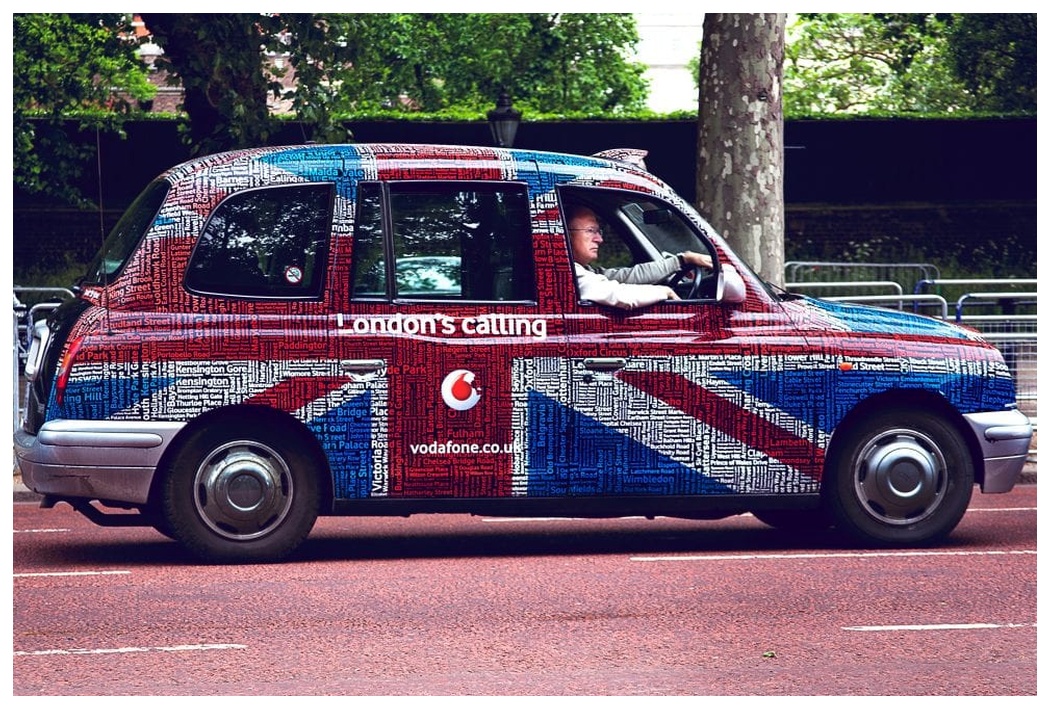
If you have a British tutor or friend, they’re likely excited to share their favorite slang with you! To kick off your journey into British vernacular, here are some essential slang words to help you get started.
1. Bloke
Look at that bloke in the grey jumper waiting at the bus stop
The term “bloke” is a casual and playful slang word used to refer to an adult man. It’s often used affectionately, especially when describing someone as “a good bloke,” highlighting their friendly and pleasant nature.
2. Loo
Give me five minutes, I need the loo.
A casual yet courteous way to refer to the toilet is the term “loo.” A popular expression is to “nip to the loo,” which means to make a quick trip to the restroom.
3. Cheers
Cheers for photocopying that for me!
A cheerful expression of gratitude, “cheers!” serves as a friendly alternative to “thank you.” Just like “thanks!,” it can stand alone as a lively exclamation of appreciation.
It’s interesting to note that the word “cheers” serves a dual purpose. Not only is it a friendly expression of gratitude, but it’s also what people say when they propose a toast by raising their drinks. This versatility adds depth to its meaning!
4. Reckon
I reckon we’ll have another quarantine here soon.
The phrase “I reckon” is a popular expression for conveying “I think” or “in my opinion,” and it’s widely used across all age groups. If you want to express agreement, you can also say “I reckon so,” which means “I think that too” or “I share your view.”
5. Gutted
I was gutted when we lost the world cup again.
“Gutted” means very disappointed. So disappointed that you feel the misery in your guts!
Young people often use the term “gutted” on its own as an expression of disappointment. For example, simply saying “Gutted!” conveys a strong sense of feeling let down, whether it’s about a personal experience or empathizing with someone else’s disappointment.

6. Mate
Can you lend me a pen, mate?
“Mate” means friend, but it is used to address or describe any person who you relate to informally.
7. Posh
Stuart’s new boyfriend is a bit posh, did you notice his expensive shoes?
The term “posh” refers to something luxurious or affluent, often associated with wealth and elegance. While it’s widely used, it can carry a negative undertone, implying snobbery or an air of superiority that sets it apart from the everyday experiences of most people.
Often, the term is used ironically to describe something lavish or overly fancy in a fun way. For example, one might say, “Let’s check out that upscale café!”
8. Sick
Have you seen the new season yet? You have to watch it! It’s sick!
The term “sick” has evolved to mean something incredibly cool or fantastic. Initially popularized by skateboarders, this slang has now found its way into the vocabulary of many British people under thirty, who use it regularly.
9. Lie-in
I’m going to have a lie-in on Saturday, I cannot wait!
A “lie-in” refers to the indulgent act of sleeping in later than your usual wake-up time, allowing yourself to recharge and feel refreshed. It’s a delightful practice that many English speakers in the US could certainly benefit from having a term for!
10. Chuffed
I was so chuffed with the present you bought me!
“Chuffed” is an enthusiastic and friendly alternative to expressing feelings of being “glad” or “thankful.” In fact, people from the North of England often use the phrase “dead chuffed” to convey an even greater sense of joy!
11. Fit
All the people who work at that coffee shop are fit.
“Fit” is an informal, slightly crude term for someone you find physically attractive.
12. Rubbish
No, I’m sorry, I don’t like that idea at all! It’s rubbish.
In UK English, “rubbish” refers to “trash” or waste. Additionally, in a slang context, it can be used as an adverb to describe something as “bad,” “terrible,” or “useless.”
HubSpot Call-to-Action Code [if lte IE 8]>
<div id=”hs-cta-ie-element”></div>
<![endif] end HubSpot Call-to-Action Code
13. Chat
She had really good chat. I’d love to see her again.
In this context, the term “chat” serves as a noun, referring to someone’s conversational skills or their knack for entertaining others with jokes and ideas. When someone is described as having “bad chat” or “no chat,” it implies that they are dull or unengaging in conversation. This phrase is particularly popular among young people in London.
14. Skive
Skive off school today and come to the beach with me!
“Skive” is a slang term that refers to the act of neglecting your responsibilities in favor of more enjoyable activities, often due to laziness. A person who frequently engages in this behavior is called a “skiver.”
15. Snog
I heard they had a snog at the end of the party.
“Snog” is a playful term for “kiss” or “make out.” While it may feel a bit old-fashioned and whimsical, this charming word continues to be used in conversation today.
16. Fancy
I do NOT fancy Michel Buble.
In casual language, the term “fancy” serves as a verb that means “to have a crush on someone” or “to find someone romantically appealing.”
17. Can’t be bothered
I can’t be bothered to leave the house today.
The phrase “can’t be bothered” is a phrasal verb that expresses a sense of laziness or reluctance to take action. It conveys that engaging in a particular task would disturb your current state of relaxation, leading to irritation or a feeling of being “bothered.”
18. Skint
I wish I could join you but I’m skint at the moment. No pub for me, I’m afraid.
“Skint” means “without money.” It’s usually used in a jokey way, to refer to short-term money problems.
19. Kip
We’ve been driving for hours, shall we stop the car and have a kip?
“A kip” is a charming British term for “a sleep,” often associated with quick naps. However, it can also describe a refreshing night’s rest, as in the phrase “a good night’s kip,” which signifies a deeply satisfying sleep.
20. Knackered
Did you drive all through the night? You must be knackered.
“Knackered” is a synonym for “exhausted.” It is not considered a rude thing to say, just a little informal.

A brief afterword
When it comes to logistics, mastering British English is just as accessible as learning American English. The key lies in consistently selecting resources that align with your goal. While it may seem a bit intense to exclusively choose British films, podcasts, and books, if you’re passionate about sounding like Emma Watson, this focused approach will effectively shape your learning experience.
Looking for an effective way to learn British English? Consider taking lessons with a native British tutor. Engaging in regular conversations will help you naturally absorb their pronunciations, expressions, and vocabulary. It’s a fantastic approach to mastering the language!
Frequently Asked Questions
What are some key features that make British English unique?
British English is characterized by its distinct accents, different spellings compared to American English, diverse vocabulary and slang, unique pronunciation, and specific grammar rules.
How does British English pronunciation differ from American English?
British English typically features clearer consonant sounds and different stress patterns in words, such as pronouncing ‘water’ as ‘worter’ and ‘tomato’ as ‘tom-art-o’.
What are some common vocabulary differences between British and American English?
In British English, ‘pants’ refers to underwear while ‘trousers’ means pants. Other examples include ‘lift’ (elevator) and ‘boot’ (trunk of a car).
What are effective ways to learn British English?
To learn British English, consider watching British TV shows and films, finding a native tutor, using resources tailored for British learners, and immersing yourself in British culture.
Can you give examples of British slang terms?
Some British slang terms include ‘bloke’ (man), ‘loo’ (toilet), ‘cheers’ (thank you), and ‘gutted’ (very disappointed).