- Key takeaways
- The states that say “sorry” the most
- States that give the most sincere apologies
- The best language for apologizing
- 38% say an apology is easier to accept if it comes with a gift
- Important characteristics of an apology
- Celebrities who Americans wish would apologize to each other
- Language mends relationships
- Frequently Asked Questions
- What factors influence the effectiveness of an apology?
- Which states are known for giving the most sincere apologies?
- What are some common phrases Americans prefer when apologizing?
- How can a gift impact the acceptance of an apology?
- Who do Americans find it hardest to apologize to?
Apologies can vary greatly in their sincerity; some radiate genuine humility, while others may lack true remorse. The effectiveness of an apology is influenced by several factors, including the choice of words and the tone conveyed. Understanding these elements can significantly affect how an apology is perceived.
At LingualNeeds, a premier language platform providing English lessons for kids and conversational practice, we understand that expressing apologies can often feel challenging. Although we don’t offer a specific class on this topic, we believe that mastering language skills can significantly improve the sincerity and effectiveness of your apologies.
Language learning equips you with the skills to express heartfelt apologies that transcend the basic “I’m sorry.” In this article, we explore the various forms of apologies and the intricacies involved in delivering them effectively.
Given the diverse aspects of an apology, we set out to explore how Americans express remorse, which states lead the way in offering apologies, and the preferred language for these expressions. Discover the phrases that resonate most in apologies and learn which states excel in the art of saying “I’m sorry.”
Key takeaways
- Pennsylvania, Iowa, and Illinois give the most sincere apologies.
- Iowa, Utah, and Ohio give the most apologies per day.
- Nearly half, 48%, say their apologies are only sometimes or rarely sincere.
- If an apology comes with a gift, 38% say it’s easier to accept.
- Over 1 in 3 say that the hardest person to apologize to is their spouse or partner.

Learn a language with personalised 1-on-1 classes with our expert tutors from all over the world
French lessons online
Spanish lessons online
The states that say “sorry” the most
In a country as vibrant and diverse as the United States, each state boasts its own distinct cultures, traditions, and linguistic characteristics, leading to a fascinating variety in the way people apologize. Factors such as regional customs and the pace of life influence how often individuals express apologies, resulting in notable differences in the frequency of these social interactions across the nation.
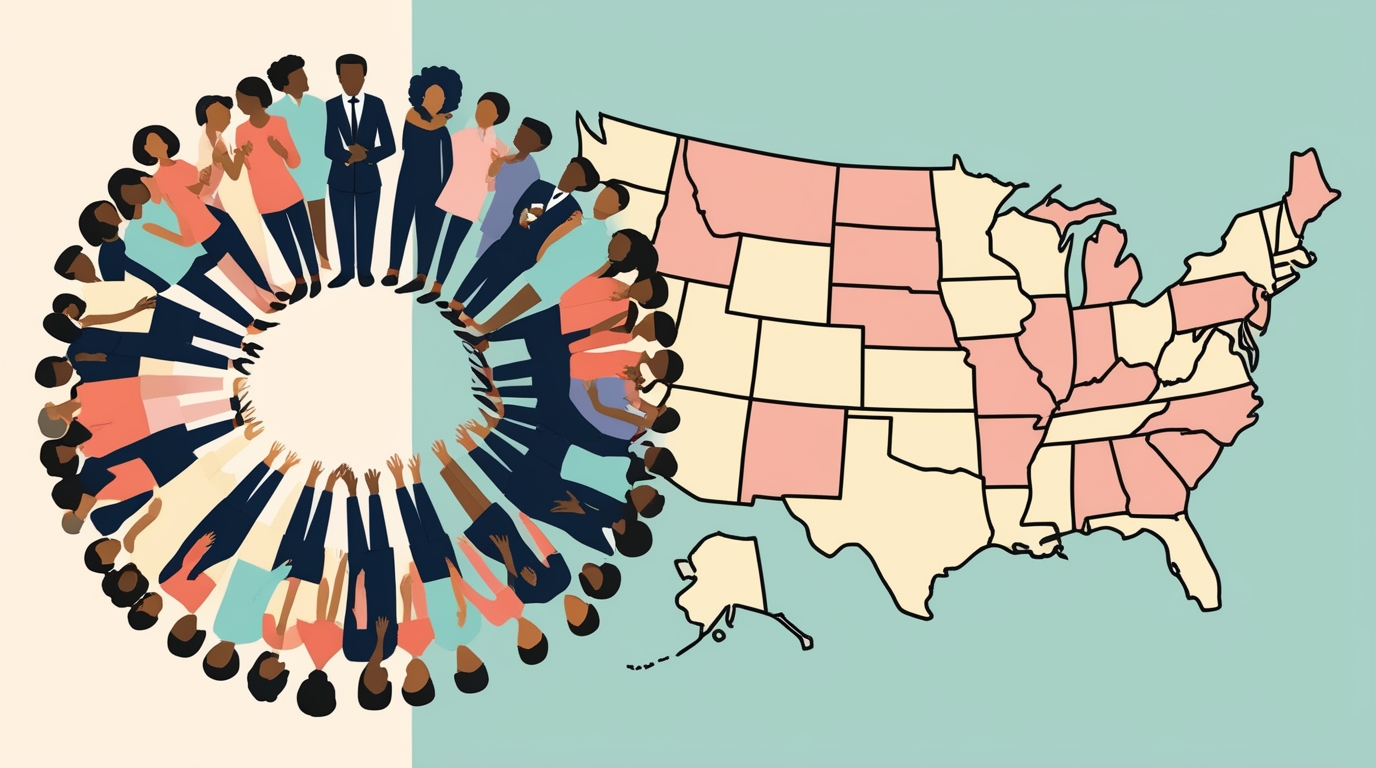
Our research shows that Iowa, Utah, and Ohio are the most apologetic states in the nation, averaging over four “sorry” expressions each day. In contrast, residents of other states typically say “sorry” three times or fewer daily. This trend highlights a unique cultural aspect of these states, where expressing apologies has become a common part of everyday interactions.

In certain states, expressing an apology is a rare occurrence. California, North Carolina, and Tennessee rank among the least apologetic, with residents averaging just two “sorrys” each day.
While a quick “sorry” might roll off your tongue when you accidentally bump into someone, offering a heartfelt apology can be much more challenging. Surprisingly, over 25% of Americans find it difficult to express genuine remorse. This hesitation can lead to significant consequences, as nearly 20% of people report having lost a relationship due to their failure to apologize.
States that give the most sincere apologies
Apologies can often feel hollow, with many people offering them out of obligation rather than genuine remorse. For instance, when a customer service representative says they’re sorry about a delayed package, it may come off as a scripted response rather than heartfelt concern. Research shows that a staggering 73% of individuals have apologized without truly meaning it, and nearly half of Americans (48%) confess that their apologies are sincere only occasionally or rarely. This highlights the need for more authentic communication in addressing grievances.
Curious about where Americans express their most heartfelt apologies, we set out to investigate. We surveyed respondents with a series of questions designed to gauge the sincerity behind their apologies. Each response was scored on a scale, culminating in a maximum possible score of 100.
The states that give the most sincere apologies are Pennsylvania, Iowa, and Illinois.

Learn a language online with our free learning materials.
Learn English online
Learn French online
The best language for apologizing
The words you choose when offering an apology play a vital role in its effectiveness. Whether you’re apologizing face-to-face or in writing, your message should always be clear, straightforward, and sincere.
If you’re unsure about the best way to apologize, research shows that Americans prefer certain phrases. The top choices include, “I take full responsibility for my mistake,” and “I’m truly sorry.” These expressions resonate because they convey sincerity and accountability.
A heartfelt apology demonstrates a true recognition of one’s mistakes, takes responsibility, and expresses sincere regret. When crafted thoughtfully, such an apology can effectively repair and strengthen relationships.
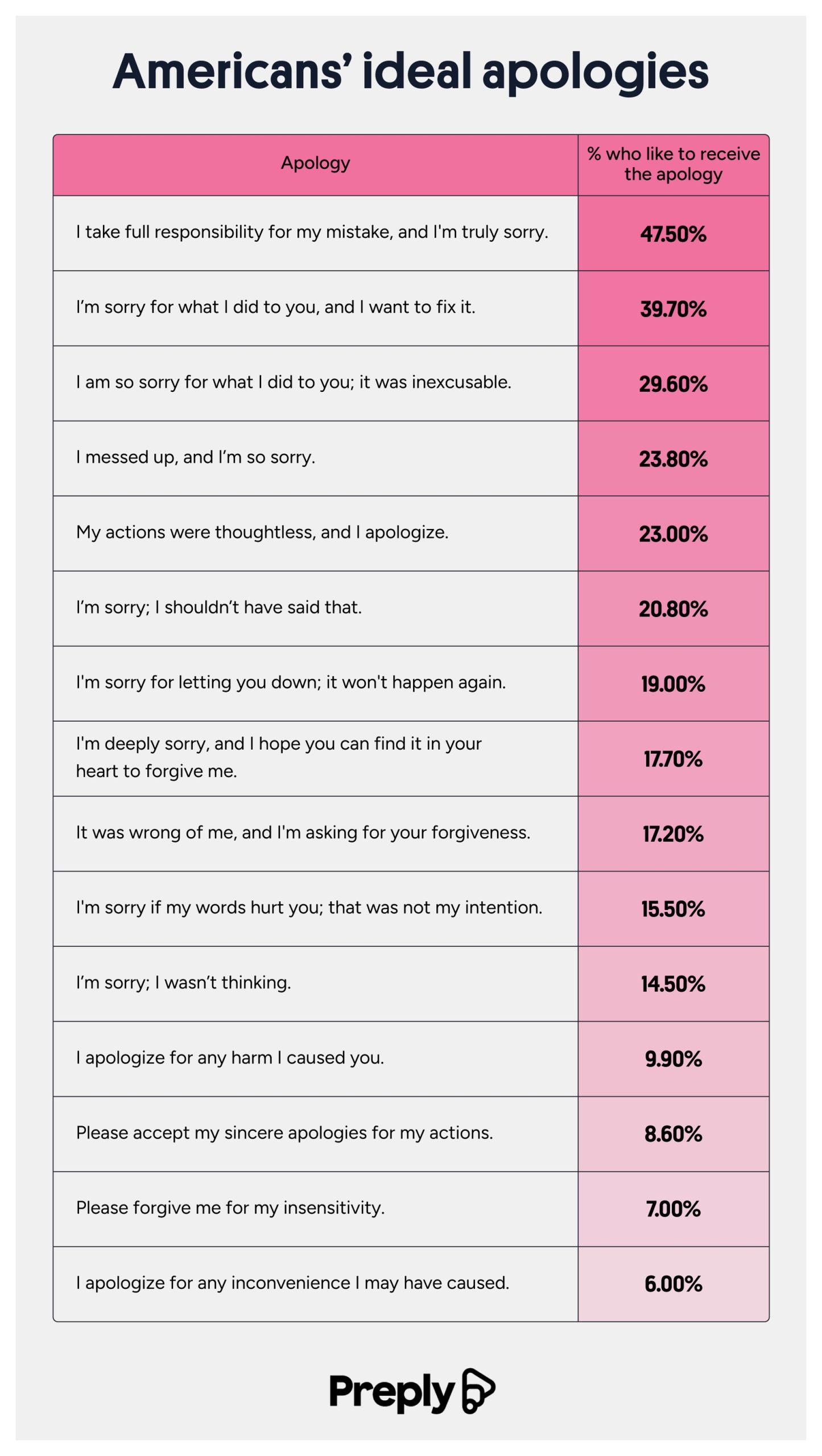
Language expert Sylvia Johnson from LingualNeeds emphasizes the importance of choosing the right words when apologizing to enhance and deepen your relationships. She explains, “Using the appropriate language shows that you recognize your mistake and genuinely respect the other person’s feelings. A heartfelt apology can mend broken trust, demonstrating your accountability for your actions. This approach not only offers reassurance but also paves the way for rebuilding trust.”
Johnson highlights the nuances of different types of apologies and their impact. Simply saying “I’m sorry” is a clear way to express regret. However, the phrase “I’m sorry for…” adds a personal touch by addressing specific actions, demonstrating a deeper understanding of the wrongdoing. Meanwhile, saying “I was wrong” reflects both regret and accountability, showcasing the speaker’s self-awareness. It’s important to avoid phrases like “I’m sorry, but…” since the addition of “but” can undermine the apology, making it sound defensive and as if the speaker is trying to excuse their behavior.
38% say an apology is easier to accept if it comes with a gift
Apologies, whether lighthearted or heartfelt, are crucial in our society. Across the globe, they foster connections through empathy, accountability, and a genuine awareness of how our actions affect others.
Sadly, not all connections flourish, leading to strained relationships. In fact, almost half of Americans—46%—report they are awaiting an apology from someone close to them. However, it’s also important to note that excessive apologizing can be off-putting; 59% of people find it bothersome when someone apologizes for every minor misstep. Balancing sincere apologies with mindfulness of frequency is key to maintaining healthy interactions.

Giving an apology can be a challenging task that often leads to significant stress for the person delivering it. Surprisingly, 41% of individuals admit to losing sleep over an apology they felt compelled to make.
When words fall short in conveying your message, many Americans recommend using a different language: the language of gifts. Research shows that 38% of people find it easier to accept an apology when it is accompanied by a thoughtful present.
Important characteristics of an apology
Apologies can be intricate and filled with emotion. This raises an important question: in a landscape where some anticipate apologies while others accept them hesitantly, what essential traits contribute to an apology that is both impactful and sincere?
Our survey indicates that respondents believe the key elements of a meaningful apology are genuine remorse, accountability, and recognition of one’s mistakes. These qualities are essential not only for restoring trust but also for fostering personal growth and facilitating reconciliation.
Mastering the art of apology requires genuine effort, especially when addressing certain individuals. Deep-seated grudges, pride, and past conflicts can make some people particularly hard to approach. Yet, overcoming this challenge to deliver a heartfelt apology can serve as a powerful opportunity for personal growth and effective conflict resolution.
For many individuals, the toughest hurdle is acknowledging their mistakes to those they hold dear. Our survey participants highlighted that spouses and partners are the most challenging to apologize to, followed closely by themselves and their parents. Offering an apology to loved ones often requires facing our own vulnerabilities and insecurities, transforming the act into a profound and emotionally intense experience.

Celebrities who Americans wish would apologize to each other
While apologies are often personal matters, many Americans have strong feelings about which celebrities should mend their relationships through sincere words. Even if we don’t know these public figures or their conflicts personally, it can feel as though we do. Fans are often left hoping for reconciliation, eager to see their favorite stars resolve their differences.
Prince William and Prince Harry top the list of celebrities Americans most want to see reconcile. Their ongoing feud has sparked a widespread longing for the restoration of brotherly love, highlighting the universal desire for family bonds to heal, especially among such prominent figures.
In a similar vein, many Americans are eager for comedians Will Smith and Chris Rock to reconcile their ongoing feud. With their exceptional comedic talents, there’s hope that they could harness the power of humor to heal their differences and restore their friendship.

Language mends relationships
Mastering the art of apology is essential for effective communication. The words we select to convey our remorse and seek forgiveness can significantly influence our relationships, adding depth and sincerity to our apologies.
To truly master the art of apology, it’s essential to first grasp the broader language concepts. LingualNeeds offers engaging language classes that enhance your understanding of grammar and vocabulary while providing valuable conversational practice and cultural insights. By exploring various languages and cultures, you can better appreciate the subtle nuances of apologizing in different contexts. Whether you’re looking to say sorry in German or Spanish, LingualNeeds has a tailored roadmap to guide you through the process.
By working with a tutor from LingualNeeds, you can elevate your conversational skills through dynamic dialogues and discussions. These skills are particularly valuable when it comes to expressing apologies and rebuilding relationships. Remember, language learning isn’t just about vocabulary; it encompasses the art of offering apologies, expressing gratitude, and showing empathy, all of which foster deeper connections with others.
Methodology
From October 5 to 11, 2023, we conducted a survey involving 2,025 Americans to explore the dynamics of giving and receiving apologies. Our diverse participants, aged 18 to 76, included 50% women, 48% men, and 2% nonbinary individuals, providing a rich perspective on this important social interaction.
Frequently Asked Questions
What factors influence the effectiveness of an apology?
The effectiveness of an apology is influenced by several factors, including the choice of words and the tone conveyed.
Which states are known for giving the most sincere apologies?
The states that give the most sincere apologies are Pennsylvania, Iowa, and Illinois.
What are some common phrases Americans prefer when apologizing?
Americans prefer phrases such as ‘I take full responsibility for my mistake’ and ‘I’m truly sorry’ when apologizing.
How can a gift impact the acceptance of an apology?
Research shows that 38% of people find it easier to accept an apology when it is accompanied by a thoughtful present.
Who do Americans find it hardest to apologize to?
Many Americans find it hardest to apologize to their spouse or partner.