- Modern Standard Arabic (MSA) vs. the dialects of Arabic
- Arabic dialects by region
- How different are the Arabic dialects from one another?
- Egyptian Arabic
- Levantine Arabic
- Maghrebi Arabic
- Peninsular Arabic
- Mesopotamian Arabic
- How to choose which Arabic dialect to learn?
- 1. Start with your learning goals
- 2. Take into account the most popular dialects
- 3. Consider the ease of learning and availability of learning resources
- Tailor your learning program to your specific needs
- Frequently Asked Questions
- What is the difference between Modern Standard Arabic (MSA) and Arabic dialects?
- Why is Egyptian Arabic popular among language learners?
- What should I consider when choosing which Arabic dialect to learn?
- Which Arabic dialects are the most widely spoken?
- How can LingualNeeds assist in learning Arabic dialects?
Across Africa and Asia, twenty-two Arab countries showcase a rich tapestry of culture and language. While Arabic is the official language in each of these nations, the way it’s spoken varies significantly. This diversity has given rise to over 20 distinct Arabic dialects, each reflecting the unique identity and heritage of its region.
Every Arab nation employs at least two distinct varieties of Arabic. The first is Modern Standard Arabic (MSA), which serves as the formal language for official documents and communication throughout the Arab world. Notably, MSA is also the language of the Quran, reflecting its significance in both religious and secular contexts.
The second type is the conversational Arabic dialect, commonly used in everyday interactions and informal writing, such as texting and advertisements. These dialects evolved through the blending of local languages with Arabic, which became widespread in the region following the rise of Islam in the 6th century.
In this article, we’ll dive into the distinctions between Modern Standard Arabic (MSA) and various Arabic dialects. We’ll highlight the five most widely spoken dialects and provide guidance on selecting the right one for your language learning journey. Let’s jump in!
Modern Standard Arabic (MSA) vs. the dialects of Arabic
To grasp the distinction between Modern Standard Arabic (MSA) and the various Arabic dialects, consider the connection between Latin and the languages that evolved from it. Just as Latin laid the foundation for Romance languages like Spanish, French, and Italian, MSA serves as the formal, standardized version of Arabic, while the dialects represent the diverse, everyday forms spoken across different regions.
The connection between Standard Arabic and the Egyptian dialect is similar to that of Latin and French. Just as those familiar with Latin can often decipher French words through their root meanings, speakers of Standard Arabic can grasp elements of the Egyptian dialect. However, a key distinction is that, unlike Latin, Standard Arabic remains actively spoken and utilized throughout the Arab world today.
To embark on your journey to learn Arabic, start with Modern Standard Arabic (MSA), as it serves as the foundation for all Arabic dialects. However, it’s important to note that MSA isn’t used in everyday conversations across Arab countries. By choosing to focus on a specific dialect, you’ll not only deepen your cultural immersion but also enhance your ability to communicate like a native speaker. This approach will also enrich your experience of the country’s vibrant popular culture and arts.
At LingualNeeds, we offer a team of expert tutors who specialize in various dialects of Arabic, allowing you to select the one that best suits your learning goals. Discover your perfect tutor today!
Arabic dialects by region
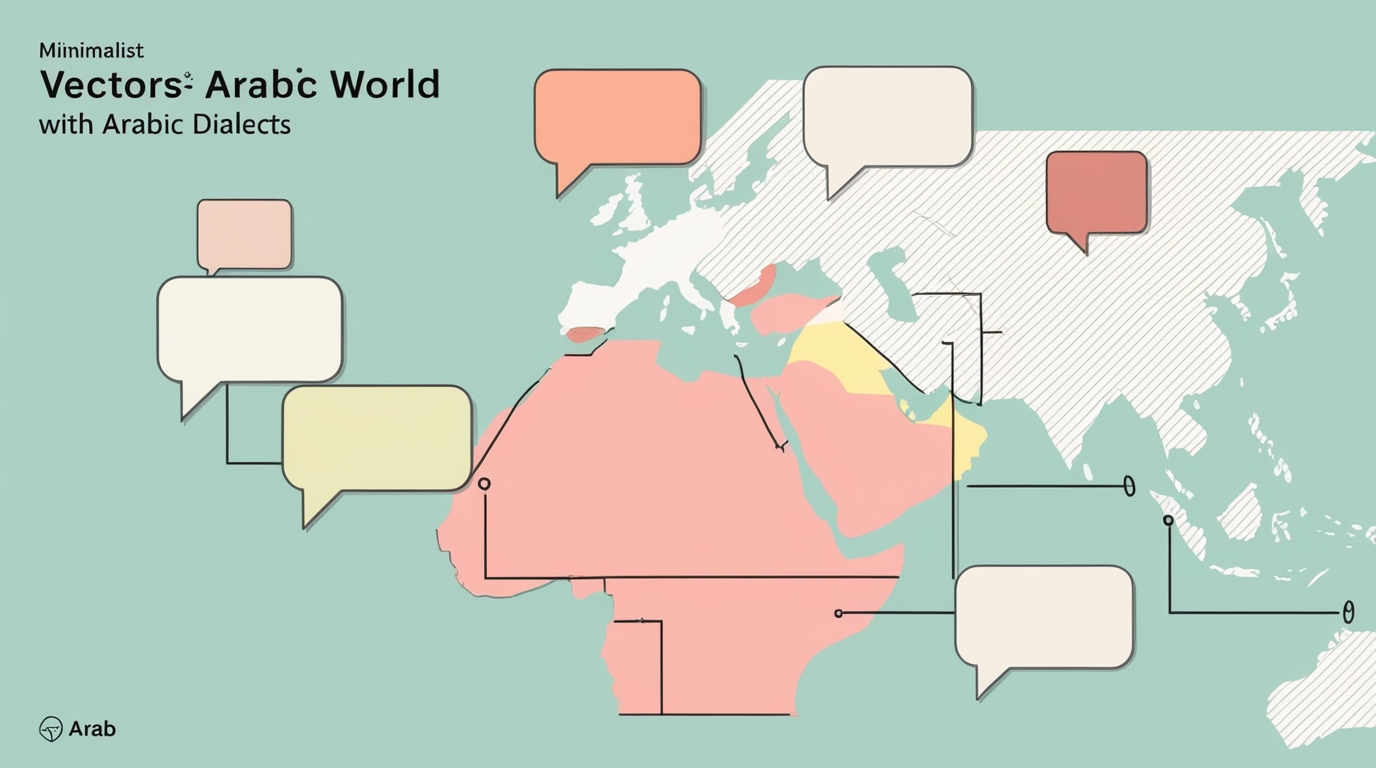
While there are over twenty-five dialects of Arabic, the most popular Arabic dialects can be classified into five groups:
- Egyptian (Egypt, North Sudan, and Eastern parts of Lybia)
- Levantine (Lebanon, Syria, Palestine, and Jordan)
- Maghrebi (Tunisia, Algeria, Morocco, Mauritania, Western Sahara, and Western parts of Lybia)
- Peninsular Arabic (Qatar, Oman, Bahrain, Saudi Arabia, UAE, Kuwait, and Yemen)
- Mesopotamian Arabic (Iraq)
Every country infuses its unique character into its dialects, yet speakers across these variations can generally comprehend one another.
How different are the Arabic dialects from one another?
Discover the unique features that make each Arabic dialect fascinating and worthwhile to learn. This guide will assist you in choosing the dialect that best suits your needs and goals.
Egyptian Arabic
The Egyptian dialect is a vibrant blend of Coptic influences and ancient Pharaonic languages intertwined with Arabic. It is predominantly spoken in Egypt, North Sudan, and parts of Eastern Libya. Renowned for its humor, sarcasm, and sharp wit, mastering the Egyptian dialect means staying in tune with current trends and the latest jokes.
Egyptian Arabic stands out as one of the most sought-after dialects for Arabic learners, and the explanation is straightforward: pop culture. Think of Cairo as the Middle East’s Hollywood. With its thriving cinema industry, Egyptian film is the most advanced in the Arab world. This vibrant film scene, along with catchy pop music, has not only popularized the Egyptian dialect but has also helped spread it throughout the entire Arab region.
The Egyptian Arabic dialect is widely regarded as the most accessible form of Arabic, making it an excellent choice for learners. If your goal is to communicate effectively in Arabic, then choosing to study Egyptian Arabic is the way to go.
Levantine Arabic
Levantine Arabic is widely spoken and easily understood, making it a popular dialect. The Levant itself is a historically rich region that once housed the ancient Phoenicians and now includes the modern countries of Lebanon, Syria, and Palestine.
Lebanon boasts a rich musical heritage, with Fairuz standing out as its most celebrated singer. Meanwhile, Jordan has made a name for itself in the alternative rock scene, producing talented musicians and bands. In contrast, Syria shines in the world of television, renowned for its captivating drama series and exceptional dubbing of popular Turkish shows.
The Lebanese dialect stands out as one of the most refined and captivating among all Arabic dialects. If you have some knowledge of French, you’ll find that Levantine dialects may resonate with you, as French is occasionally incorporated into conversations among the Arabic-speaking communities in the Levant.
Maghrebi Arabic
The term “Maghrebi” means “Western.” Specifically, Maghrebi Arabic encompasses the various Arabic dialects spoken in Tunisia, Algeria, Morocco, Mauritania, Western Sahara, and the western regions of Libya. These countries are all situated west of the Nile River in Egypt.
This dialect traces its roots to the Amazigh people, the original inhabitants of North Africa. Among the various Maghrebi dialects, Tunisian is the most accessible for those unfamiliar with the region.
Maghrebi Arabic is often considered the most challenging dialect for other Arabic speakers to comprehend. This complexity arises from its heavy incorporation of French, a reflection of the region’s extensive colonial history. Therefore, we advise that you only pursue learning one of the Maghreb dialects if you already speak French or have a strong interest in the dialect and culture of a specific Maghrebi country.
Peninsular Arabic
If you’re eager to dive into the rich cultures of the Gulf countries, learning Peninsular Arabic is an excellent choice. These nations boast a unique heritage deeply influenced by their desert landscapes and vibrant Bedouin traditions, which are also reflected in their delicious culinary practices.
An increasing number of individuals are opting to learn Peninsular Arabic to enhance their career prospects in Saudi Arabia, the UAE, or Qatar. This dialect is particularly appealing as it closely aligns with Modern Standard Arabic (MSA). Additionally, the influx of high-quality media from Gulf countries, especially Saudi Arabia, has further fueled interest in the language.
Studying peninsular Arabic can significantly simplify your journey in mastering both the informal dialect and Modern Standard Arabic (MSA), as they share many similarities. Furthermore, this knowledge will deepen your understanding of Islam and its texts, enriching your appreciation of Arab culture as you explore its nuances.
Mesopotamian Arabic
Finally, let’s explore Mesopotamian or Iraqi Arabic, the distinct dialect spoken in Iraq. While it shares similarities with Peninsular Arabic and Modern Standard Arabic (MSA), it stands out due to its unique vocabulary, pronunciation, and intonation patterns, setting it apart from Gulf Arabic.
Iraq is renowned for its vibrant Arabic poetry, a testament to its thriving literary heritage. During the Middle Ages, often referred to as the Golden Age of Arab civilization, poets from prominent cities engaged in lively poetry slam battles on the bustling streets of Baghdad. Remarkably, this captivating tradition continues in certain areas of Baghdad today, showcasing the enduring passion for poetry in Iraqi culture.
If you are a literature geek, the Mesopotamian or Iraqi dialect could be the right fit for you.
How to choose which Arabic dialect to learn?
Before we help you decide on a dialect, remember that each one is valuable and will be useful in any Arab country you explore.
Every dialect across the 22 Arab countries is mutually intelligible, as they all stem from a common linguistic foundation. This shared heritage ensures effective communication among speakers, regardless of regional variations.
That’s why it’s essential to select the dialect that aligns with your objectives. Keep in mind, though, that you’ll also need to learn Modern Standard Arabic (MSA) for a well-rounded understanding.
1. Start with your learning goals
Before selecting an Arabic dialect to study, it’s important to clarify your goals. To help you get started, here are some key questions to consider:
- Do you want to pursue an educational opportunity in one of the Arab countries?
- Are you taking a job that requires you to learn Arabic and/or relocate to an Arab-speaking country?
- Are you interested in learning Arabic for travel and chatting with locals?
- Do you want to immerse yourself in Arabic pop culture?
Identifying your goals for learning a new language can significantly simplify the process of selecting the most suitable Arabic dialect for you.
2. Take into account the most popular dialects
There may be times when you don’t have a clear objective for learning Arabic. Your desire to learn might stem from wanting to broaden your horizons and connect with Arabic speakers. If that resonates with you, it’s worthwhile to explore the most widely spoken Arabic dialects.
The Egyptian dialect serves as a common bridge between speakers of various Arabic dialects, making it a popular choice for communication. Its widespread recognition is largely due to its prominence in pop culture, which has familiarized many Arabic speakers with it. Therefore, if your goal is to connect with a broad audience, opting for the Egyptian dialect is your best bet.
3. Consider the ease of learning and availability of learning resources
When selecting the ideal Arabic dialect, it’s essential to evaluate how accessible it is to learn and the abundance of available language resources. This will help you make an informed decision that aligns with your learning goals.
For instance, dialects such as Egyptian and Levantine are often recommended for beginner learners due to their more straightforward grammar and easier pronunciation.
These dialects boast a wealth of learning resources, such as online courses, apps, textbooks, and various media, including movies, music, and podcasts. This abundance of materials makes it easier than ever to immerse yourself in the language and enhance your learning experience.
Selecting a dialect with plenty of resources can greatly improve learning and speed up progress.
Tailor your learning program to your specific needs
No matter which Arabic dialect you choose to learn, LingualNeeds can support you on your journey.
Our platform connects you with online tutors from across the Arab world, each fluent in various dialects. They are dedicated to customizing your lessons to align with your unique learning objectives, ensuring an effective and personalized educational experience.
Prefer to study alone? Have a look at our free resources for learning Arabic online.
Frequently Asked Questions
What is the difference between Modern Standard Arabic (MSA) and Arabic dialects?
Modern Standard Arabic (MSA) is the formal, standardized version of Arabic used in official documents and communication, while Arabic dialects are the varied, everyday forms spoken across different regions.
Why is Egyptian Arabic popular among language learners?
Egyptian Arabic is popular due to its connection to a vibrant pop culture, including cinema and music, making it one of the most accessible and widely understood dialects.
What should I consider when choosing which Arabic dialect to learn?
Consider your learning goals, the popularity of the dialect, its ease of learning, and the availability of learning resources.
Which Arabic dialects are the most widely spoken?
The five most widely spoken Arabic dialects are Egyptian, Levantine, Maghrebi, Peninsular Arabic, and Mesopotamian Arabic.
How can LingualNeeds assist in learning Arabic dialects?
LingualNeeds connects learners with expert tutors who specialize in various Arabic dialects, enabling personalized lessons tailored to individual learning goals.