- Arabic greetings
- Formal greetings and responses in Arabic
- Informal greetings and responses in Arabic
- Arabic basic phrases
- Saying thanks and responding
- Apologizing in Arabic
- Basic questions
- Arabic farewells
- Etiquette in Arabic countries
- The first step on the path to learning Arabic
- Frequently Asked Questions
- What is a common religious greeting in Arabic?
- How do you respond to ‘good morning’ in Arabic?
- What is a polite way to say ‘thank you’ in Arabic?
- How do you ask someone where they are from in Arabic?
- What is a common farewell phrase in Arabic?
No matter where you find yourself in the world, the melodic sounds of Arabic are likely to greet you. This captivating language is rapidly gaining popularity, making it one of the fastest-growing languages globally. Spoken in 25 countries, Arabic serves as either an official or widely used language, offering valuable advantages for work, travel, and social interactions. Embracing Arabic can open up a world of opportunities!
No matter your motivation for learning, mastering a few essential Arabic greetings and farewells is an excellent starting point. Continue reading to discover more, or jump into your first online Arabic lessons today!
Arabic greetings
To greet someone in Arabic, it’s important to recognize the difference between religious and secular greetings. Understanding this distinction will help you choose the appropriate expression for any situation.
While not every Arabic speaker identifies as Muslim, the predominant greeting in Arabic is the Islamic phrase “As-salamu alaikum,” translating to “Peace be upon you.” For a more secular approach, you can simply say “ahlan” to greet someone. Each of these greetings also has customary responses that add to the richness of Arabic conversation.
| Greeting | Response | |||
| Hello (religious) | As-salamu alaikum | السلام عليكم | Wa-alaikum as-salam | وعليكم السلام |
| Hello (non-religious) | Ahlan | أهلاً | Ahlan beek | أهلاً بيك |
In Arabic, greetings vary with the time of day, adding a charming touch to everyday interactions. For instance, to say “good morning,” you would say “sabah al kheir,” where “kheir” translates to “goodness.” Thus, the phrase literally means “morning of goodness.” When someone greets you this way, a fitting response involves swapping “goodness” for another positive word, like “flowers” or “light,” creating a delightful exchange filled with warmth.
| Greeting | Response | ||||
| Good morning | Sabah al-kheir | صباح الخير | Morning of light | Sabah al-noor | صباح النور |
| Good evening | Masaa al-kheir | مساء الخير | Evening of flowers | Masaa al-ward | مساء الورد |
Similar to English, the phrase “good night” is typically not used as a greeting; instead, it’s reserved for bidding farewell.
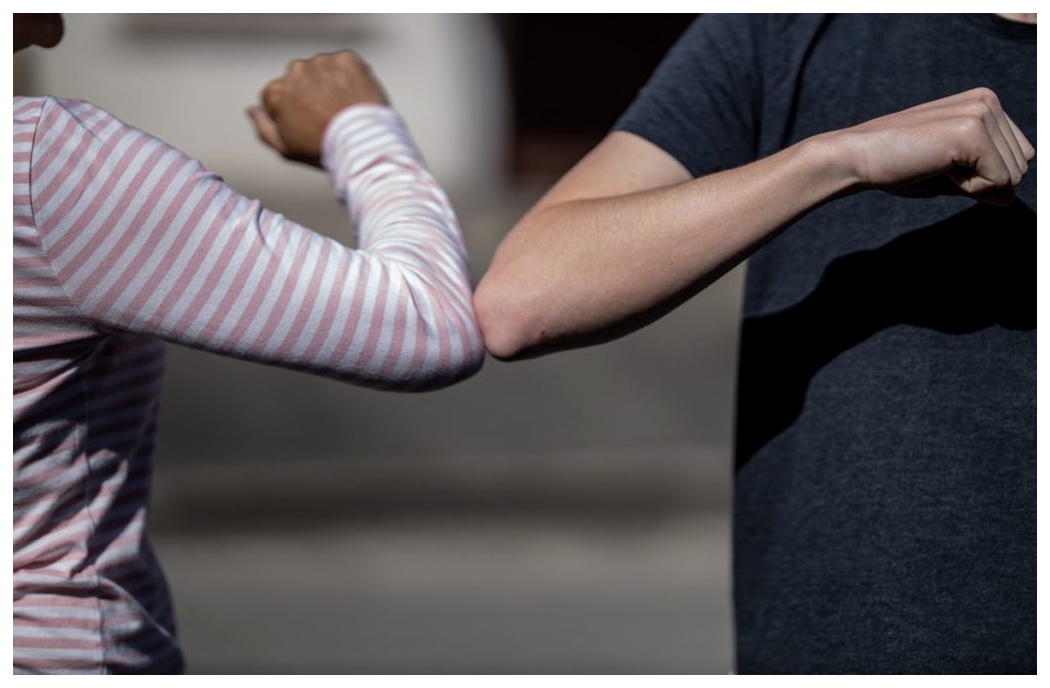
Formal greetings and responses in Arabic
In Arabic culture, greetings can be both religious and secular, offering a rich variety of ways to connect with others. A common way to start a conversation is by saying hello, often accompanied by the friendly inquiry, “How are you?” The phrasing can vary based on the relationship between speakers, showcasing the nuances of the language and social dynamics.
| Greeting | Response | ||||
| How are you? | Kaefa haaluk? | كيف حالك | Good thanks (religious) | Bekheir alhamdulilah | بخير الحمدلله |
| Good thanks (non-religious) | Bekheir shukran | بخير شكراً | |||
| And you? | Wa ant? (m)
Wa anti? (f) |
وأنت؟ | |||
Informal greetings and responses in Arabic
Arabic is rich with diverse dialects, each offering its unique expressions. Here are a few examples to illustrate this fascinating variety:
| Greeting | Response | |||||
| Levantine Arabic | How’s it going? | Keefak? | كيفك؟ | I’m fine | Mneeh (m)
Mneeha (f) |
منيح |
| Egyptian Arabic | Akhbarik eeh? | أخبارك إيه؟ | Kwayis (m)
Kwayisa (f) |
كويس | ||
Arabic basic phrases
After your initial meeting, deepening your interactions with Arabic-speaking colleagues becomes essential. It’s important to express politeness by saying “thank you” and offering apologies when necessary. Additionally, you’ll want to master some basic Arabic questions to enhance communication. Let’s explore these key elements together!
Saying thanks and responding
| Phrase | Response | ||||
| Thank you | Shukran | شكراً | You’re welcome | Afwan | عفواً |
| Thank you very much | Shukran jazeelan | شكراً جزيلاً | |||
| May god reward you (religious) | Jazakallah kheir | جزاك الله خير | And you | Wa iyak kheir | وإياك خير |
When interacting with family and friends, it’s common to use the phrase “min eyooni” instead of the more standard “afwan.” This expression translates to “from my eyes,” adding a heartfelt touch to everyday conversations.
Apologizing in Arabic
In Arabic, expressions of apology vary in intensity, allowing you to choose the right phrase for the situation. The first phrase is suitable for casual encounters, like when you need to pass by someone on the street or didn’t catch what was said. In contrast, the last two phrases are more appropriate for acknowledging a genuine mistake. Notably, “Samahni” is a formal expression reserved for instances when you’ve deeply offended someone.
| Phrase | Response | ||||
| Excuse me / pardon me | Afwan / lo samaht | عفواً / لو سمحت | Forgiveness | Al-afuw | العفو |
| Sorry | Asif | أسف | No worries | Hasal kheir | حصل خير |
| Forgive me | Samahni | سامحني | |||
Basic questions
Having learned some essential first words, you’re probably excited to explore further. Here are some key questions to help you connect with others and a few practical phrases that can simplify your travels in an Arabic-speaking country.
| Phrase | Response | ||||
| What’s your name? | Ma huwa ismuk?
Shu ismuk? (informal) |
ما هو اسمك؟
شو اسمك؟ |
My name is… | Ismee… [name]
Ana…[name] |
إسمي…
أنا … |
| Where are you from? | Min aina ant?
Inta min ween? (informal) |
من أين أنت؟
إنت من وين؟ |
I am from… | Ana min… | أنا من… |
| Do you speak another language? | Hel tatakalum lugha ukhra? | هل تتكلم لغة أخرى؟ | Yes, I speak…
No, sorry. |
Na’am, itakalam…
La, asif. |
نعم، أتكلم…
لا، أسف. |
| Pardon me, where is the restroom? | Lo samaht, ain al hamam? | لو سمحت، أين الحمام؟ | There | Hunak | هناك |
| How much is this? | Bikam hatha? | بكم هذا؟ | ` | ||
Arabic farewells

In Arabic, farewells can be expressed in both religious and secular ways. One formal phrase, “ila al liqaa,” translates to “until we meet again.” However, this expression is rarely used in everyday conversation; it’s more commonly found in news broadcasts or Modern Standard Arabic cartoons.
Unlike saying hello, responses to saying goodbye are often the same as the greeting and can be used interchangeably.
| Greeting and response | ||
| Bye (religious) | Fi aman illa
Allah ma’ik |
في أمان الله
الله معك |
| Bye (non-religious) | Ma’assalama
Illa al-liqaa |
مع السلامة
إلا اللقاء |
| Goodnight | Tisbah ‘ala kheir | تصبح على خير |
Etiquette in Arabic countries
Arabic is a language that emphasizes the significance of etiquette and politeness. While these social norms are more relaxed among friends and family, they remain essential when interacting with strangers and those in positions of authority. Understanding these nuances is key to navigating Arab culture effectively.
Cultural norms often extend beyond words, manifesting in various gestures. For instance, it’s customary to rise when a guest enters a room, or to wait for the host to take their seat and invite everyone to begin the meal.
Addressing elders in Arabic culture holds great significance. Typically, first names are reserved for specific situations—such as when you receive permission or when you are of similar age and familiarity. In formal contexts, it is customary to refer to someone as “Parent of” their oldest child. In more casual settings, using terms like aunt or uncle is perfectly acceptable.
When addressing an elder or a stranger, it’s polite to use the formal pronoun “hadartik.” For instance, saying “meen hadartik” translates to “who are you?” This expression is especially useful when you’re on the phone and want to inquire about the caller’s identity.
| Phrase | ||
| Please | Min fadlek / lo samaht | من فضلك / لو سمحت |
| Welcome | Ahlan wa sahlan | أهلاً وسهلاً |
| Please come in / please help yourself | Tfadel (m)
Tfadelee (f) |
تفضل
تفضلي |
| Mother of… / Father of… | Umm… (f) / Abo…(m) | أم… / أبو… |
| Auntie / uncle | Khala (f), Amo (m) | خالة / عام |
| Formal pronoun | Hadartik | حضرتك |
The first step on the path to learning Arabic
Now you have a collection of essential Arabic greetings and simple phrases that will help you engage in polite conversations. These key expressions are your gateway to connecting with Arabic speakers, allowing you to explore a rich culture, gain new insights, and unlock exciting opportunities ahead.
If you’re eager to explore Arab culture and language with the guidance of an expert, start your journey by taking your first online Arabic class at LingualNeeds today!
Frequently Asked Questions
What is a common religious greeting in Arabic?
A common religious greeting in Arabic is ‘As-salamu alaikum,’ which translates to ‘Peace be upon you.’
How do you respond to ‘good morning’ in Arabic?
To respond to ‘good morning’ (‘sabah al kheir’), you can say ‘sabah al-noor,’ which means ‘morning of light.’
What is a polite way to say ‘thank you’ in Arabic?
A polite way to say ‘thank you’ in Arabic is ‘Shukran.’
How do you ask someone where they are from in Arabic?
To ask someone where they are from in Arabic, you say ‘Min aina ant?’ or informally ‘Inta min ween?’.
What is a common farewell phrase in Arabic?
A common farewell phrase in Arabic is ‘Ma’assalama,’ which means ‘goodbye’.