
- What is bilingualism?
- Benefits of being bilingual
- Important things to consider when raising bilingual children
- Monolingual or bilingual household?
- Deciding on a language
- Your strategy
- Create a plan
- Get professional support
- Start young
- Promote immersion
- Have fun
- Common mistakes when raising bilingual children
- 1. Inconsistency
- 2. Expecting too much and comparing
- 3. Relying on TV or YouTube
- 4. Thinking it is too late
- Myths about bilingualism
- 1. Children confuse different languages
- 2. Bilingualism hinders school education
- 3. It has to be done early, or not at all
- 4. It’s easy for kids
- How to raise a bilingual child: Summary
- Frequently Asked Questions
- What is bilingualism?
- What are the benefits of raising a bilingual child?
- What strategies can parents use to raise bilingual children?
- Is it too late to raise a bilingual child if they are older?
- What are some common mistakes when raising bilingual children?
Are you eager to raise a bilingual child but unsure how to begin? This article will provide you with a clear strategy for fostering bilingualism in your child, along with the numerous benefits that come from being fluent in multiple languages.
You’ll discover common mistakes and misconceptions about raising bilingual children, equipping you with the knowledge you need to foster their language development effectively.
What is bilingualism?
Bilingualism, the skill of fluently speaking two languages, stands in contrast to monolingualism, where individuals communicate using only one language. As of 2021, around 33 million people globally are bilingual, representing an impressive 43% of the world’s population.
Benefits of being bilingual
Being bilingual offers a wealth of benefits, such as improved creativity, critical thinking, and communication abilities. For children, acquiring a second language early on boosts their capacity to absorb and retain new information, laying a strong foundation for future learning.
Bilingualism offers significant advantages for adults, enhancing their competitiveness in the job market and simplifying travel experiences. Moreover, knowing another language fosters cultural awareness, enabling deeper connections with people from diverse backgrounds around the world.
Important things to consider when raising bilingual children
Equipping your child with the ability to speak multiple languages is undoubtedly beneficial, but there are some important factors to consider before committing to raising bilingual children.

Monolingual or bilingual household?
Choosing whether to raise your child in a monolingual or bilingual environment is a crucial decision, as there are numerous effective methods to nurture bilingualism. Options include enrolling your child in a bilingual school, hiring a private tutor, or utilizing an au pair system. Consider your family’s needs and goals to make the best choice for fostering language development.
Creating a bilingual household can be incredibly beneficial, providing your child with early and natural exposure to multiple languages right from birth. It’s important to remember that your child might take some time to grasp the distinctions between the languages they are learning, and it’s common for them to mix up words unintentionally.
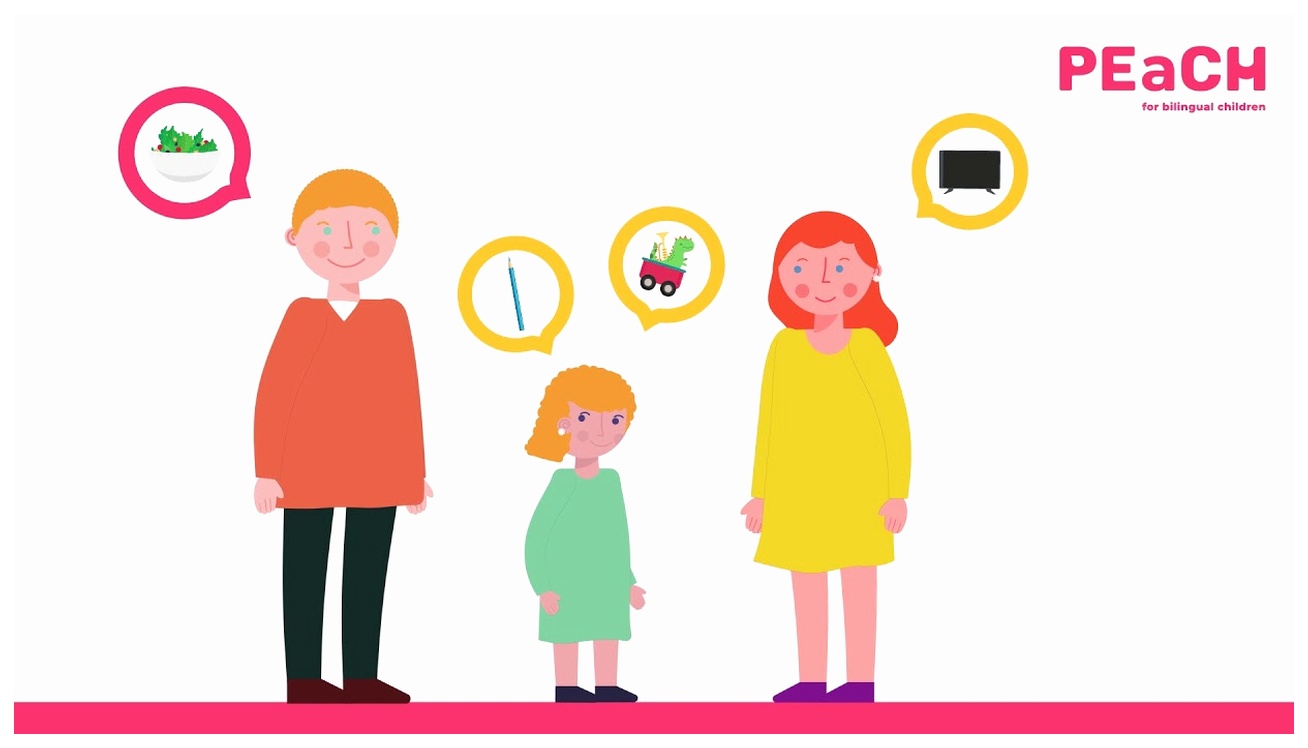
Many parents raising bilingual children often adopt the “one person, one language” strategy. In this approach, each parent communicates with their child in their native language, while refraining from mixing languages during family conversations. Whichever method you choose, consistency is key—sticking to your plan will help your children thrive in both languages.
Deciding on a language
Choosing a language for your child may seem straightforward, especially since English is the most widely spoken language globally. However, the decision can be quite complex. Many parents contemplate raising their children bilingually, even in a language they themselves may not speak fluently, believing it could provide their child with a competitive edge in the future.
If you want to raise a bilingual child in a language you’re not fluent in, it’s essential to do your homework. Start by exploring local schools that offer comprehensive bilingual education programs, and find out which languages they support. This proactive approach can significantly enhance your child’s language learning journey.
Explore a variety of online resources, such as interactive games and engaging English classes specifically designed for children. Tailor your approach to your child’s age and interests by asking them which languages they find most appealing, and let that guide your search for the best learning tools.
Your strategy
After choosing a language, you can create a dynamic plan that ensures language learning is both enjoyable and effective. Here are some key tips to help you develop a solid strategy for nurturing your bilingual child.
Create a plan
If you’ve ever embarked on learning a new language, you may worry that setting a structured plan could stifle your child’s enthusiasm, turning the exciting journey of language acquisition into a monotonous task.
On the contrary, investing time in preparing to raise a bilingual child fosters a natural learning environment that effectively supports their language acquisition. By doing so, you set the stage for your child to thrive as they learn their new language seamlessly.
No matter your unique bilingualism goals for your children, staying organized is key. Consider tracking the specifics of your language facilitation plan: Will you designate certain days for specific languages? How crucial is it for your child to develop reading and writing skills in their second language? By clarifying these details, you can create a more structured and effective language-learning environment.
Thinking through these and other questions is key to finding the best resources for your bilingual child.
Get professional support
Raising a bilingual child, especially in a monolingual household, involves numerous challenges. That’s why seeking professional guidance is essential to enhance your child’s journey in learning a second language.
At LingualNeeds, discover a diverse selection of thousands of tutors who excel in teaching children a variety of languages, including Japanese, English, and more.
One of the standout advantages of LingualNeeds is its remarkable flexibility, which is essential for parents navigating the challenges of raising children, especially bilingual ones. Regardless of your location, you can easily connect with your child’s tutor, monitor their progress, and adjust their language learning objectives as needed.
Your LingualNeeds tutor tailors lessons to keep your child actively talking, engaged, and enjoying the learning process. According to a survey of LingualNeeds students, an impressive 92% reported that our one-on-one lessons are more enjoyable than any previous methods they experienced.
Start young
It’s widely recognized that infants possess a remarkable ability to absorb language, making this stage crucial for developing vocabulary and linguistic memory. To successfully raise bilingual children, it’s essential to provide them with the right resources and support early on, ensuring a seamless and effective language learning journey.
If your child has outgrown the infant stage, there’s no need to panic! Research indicates that our brains continue to develop until around age 25, well beyond infancy. Additionally, consider enhancing your own language skills. As a role model, your ability to speak the language your child is learning can greatly benefit their education and confidence.
Promote immersion
Seize every chance to immerse your child in their second language! Attending cultural events and performances can be a fantastic way to enhance their learning experience. Such activities not only make language learning enjoyable but also help your child connect with the culture behind the language from an early age.
On hectic days, incorporating media such as movies and music in a different language can be a fantastic way to introduce your child to new vocabulary, speech patterns, and accents. If you live in an area with a vibrant community of speakers of their second language, consider tapping into local resources to enhance their learning experience.
Have fun
Above all, make it enjoyable! It’s essential to ensure that your child associates their bilingual journey with positivity rather than feelings of boredom, frustration, or stress. By infusing fun and excitement into their language learning experience, you can help foster a smooth and healthy transition to becoming bilingual.
Common mistakes when raising bilingual children
While having a strong strategy in place is essential, you might still feel uncertain about the effectiveness of your approach to raising a bilingual child. To help you navigate this journey, here are some frequent pitfalls to watch out for in bilingual upbringing.
1. Inconsistency
While it may be easy to yield to a child who resists speaking a new language or to skip conversations when you’re feeling exhausted, inconsistency can greatly hinder your child’s language acquisition. Staying committed to practicing the language, even on tough days, is crucial for their development.
After crafting a plan to raise a bilingual child, it’s essential to adhere to it consistently. This structured approach will equip your child with the skills to navigate different environments and use the language effectively in diverse situations.
2. Expecting too much and comparing
It’s a well-known fact that children often pick up new languages faster than adults, but it’s important to remember that mistakes are part of the learning process. Just like with their native language, kids might mix up grammar, use words incorrectly, or unintentionally alternate between languages. Rather than expecting flawless performance, focus on fostering a supportive environment. With patience and consistent practice, their language skills will naturally develop over time.
One common mistake to steer clear of is comparing your child’s language development to that of other bilingual kids or even to your own experiences. Each child grows in a unique environment, influenced by various factors such as age, school dynamics, personality traits, and more. Remember, every child has their own learning style, so it’s essential to embrace and support these differences to foster their language acquisition effectively.
3. Relying on TV or YouTube
Television shows, online games, YouTube videos, and music can be valuable tools for language learning, but they should not be your child’s primary source of education. While these resources can enhance learning, they often lack the context needed for effective understanding. Just as you might struggle to grasp a language through video alone, your child will benefit more from immersive experiences and structured lessons that provide context and depth.
If your child is learning English, consider using age-appropriate materials or scheduling lessons with an English tutor. A skilled tutor can not only recommend effective resources but also tailor lessons to align with your child’s unique interests. By incorporating engaging tools such as movies, books, and music, they can make the learning process enjoyable while helping your child expand their vocabulary and grasp grammar concepts.
4. Thinking it is too late
It’s never too late to nurture bilingualism in your child, as long as they are eager and engaged in the learning process. Whether your child is just starting to master their first language or is already taking a second language in school, you can help them thrive by finding the right resources and steering clear of common pitfalls.
Myths about bilingualism
While bilingualism offers numerous advantages, it’s common to encounter concerns about its drawbacks. Below, we clarify some of these prevalent misconceptions.
1. Children confuse different languages
It’s perfectly normal for young children to mix the languages they are learning, especially in the early stages of language acquisition. As they mature, however, they develop the ability to distinguish between languages, enhancing their communication skills and language proficiency.
Just like a monolingual child knows when to talk differently to their teacher versus a friend—a skill known as code-switching—bilingual children have the remarkable ability to tailor their speech based on their audience. This adaptability not only enhances their communication skills but also gives them a significant edge in school and in their future careers.
2. Bilingualism hinders school education
While some research indicates that bilingual children might initially progress more slowly in learning both languages, there is no evidence to support the idea that being bilingual negatively impacts their educational experience. In fact, bilingualism can offer numerous cognitive and cultural benefits that enrich a child’s learning journey.
Recent research highlights the benefits of bilingualism, revealing that bilingual individuals excel in conflict management tasks compared to their monolingual peers. Additionally, they demonstrate superior ability in switching between tasks. These skills are crucial for both academic achievement and social interactions, suggesting that bilingualism enhances rather than hinders education.
3. It has to be done early, or not at all
While starting early can be beneficial for raising a bilingual child, it’s important to know that it’s never too late to introduce them to multiple languages. Even if you haven’t exposed them to two or more languages from birth, you can still foster bilingualism and enhance their language skills at any age.
Children have a remarkable talent for absorbing new speech and language patterns, which allows them to engage in complex conversations, write effectively, and interpret meanings well into their late teenage years. If you’re considering introducing your teenager to a new language but worry it might be too late, remember how quickly they pick up and use new slang! This adaptability shows that they’re more than capable of learning a new language at this stage.
4. It’s easy for kids
Although children’s brains are more flexible than adults, this doesn’t mean that your child won’t struggle when becoming bilingual.
It’s perfectly normal for children to stumble over grammar and mix up words as they learn a new language. Be patient with your child as they gain confidence in speaking. Just as it took them years to master their first language, the journey to fluency in a second or third language will require time and practice too.
How to raise a bilingual child: Summary
While there are several factors to weigh, the advantages of learning a second language during childhood far surpass any potential downsides, many of which are actually based on misconceptions.
Raising a bilingual child requires consistency, and that’s where 1-on-1 tutoring with LingualNeeds can make a significant difference. This professional resource offers effective support tailored to your needs, ensuring your children gain the essential skills to thrive in our interconnected world. With the right guidance, you can empower them to confidently navigate diverse cultural landscapes.
Frequently Asked Questions
What is bilingualism?
Bilingualism is the skill of fluently speaking two languages, in contrast to monolingualism, where individuals communicate using only one language.
What are the benefits of raising a bilingual child?
Being bilingual offers benefits such as improved creativity, critical thinking, communication abilities, and a competitive edge in the job market.
What strategies can parents use to raise bilingual children?
Parents can create a bilingual household, adopt the ‘one person, one language’ strategy, and ensure consistency in language use to foster bilingualism.
Is it too late to raise a bilingual child if they are older?
It’s never too late to nurture bilingualism, as children can still effectively learn new languages at any age, provided they are eager and engaged.
What are some common mistakes when raising bilingual children?
Common mistakes include inconsistency in language use, expecting too much too soon, relying too heavily on media for learning, and thinking it’s too late to start.