
Before we talk about English phrases with the word “deal,” let’s look at what the word itself means.
The term “deal” serves as both a verb and a noun, encompassing various meanings. It can refer to an “agreement,” involve participation in “commercial trading,” or describe the action of “distributing cards in a systematic rotation.”
Today, I’m excited to share some essential conversational expressions featuring the word “deal.” You’ll often hear these phrases in various English movies and TV shows, making them a great addition to your language skills!
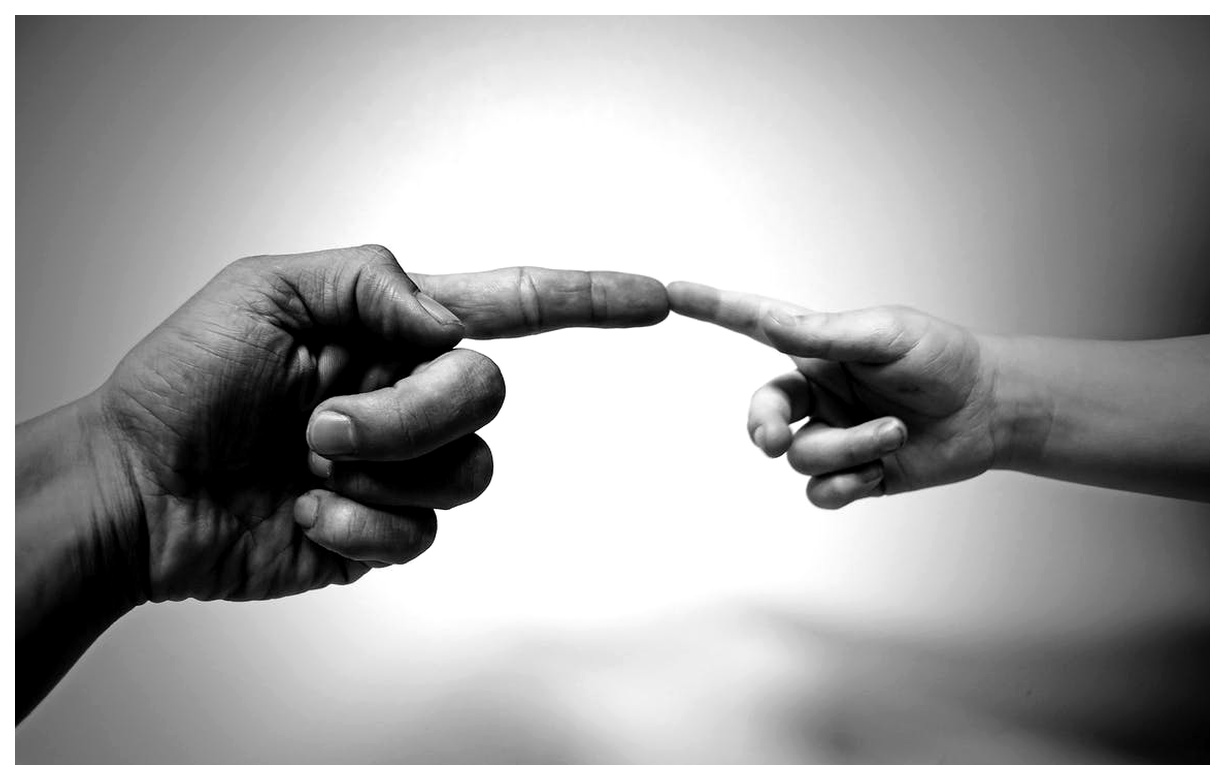
It’s a deal
This phrase signifies that an agreement has been reached or that a task has been successfully completed. Additionally, it can imply that a deal is particularly advantageous or a good bargain.
This phrase is versatile and can be applied in both formal settings, like finalizing an agreement or contract, and casual interactions, such as conversations with friends or colleagues.
For instance, Katie, how about we hit the cinema? I just have one condition: I get to pick the movie. – Sounds like a plan!
A big deal
The phrase “big deal” can refer to a person or an issue, indicating that they hold significant importance. When we say someone is a “big deal,” we highlight their influence or status, while describing something as a “big deal” emphasizes its relevance or impact.
If the negative word not is added, it has the opposite meaning: that someone or something isn’t very important.
For example: Next Saturday we’ll meet Jeremy Scott – he’s a big deal!
Who will deal with it?
Our third phrase translates to “Who will take care of this?” or “Who will be responsible for handling it?” Essentially, it asks who will step up to tackle the issue and work towards a solution.
For example: We’ve lost much of our savings on that project. Now, who will deal with it?
Dealer
This word usually means a person who distributes cards to players during a card game.
The second meaning is “someone who sells illegal drugs.”
Stay mindful of the context in conversations or reading materials. By doing so, you’ll avoid misinterpreting the meaning of words or phrases.
What’s your deal?
You can also say “What’s his/her/their deal?” depending on who you are talking about.
This phrase means “What’s your problem” or “What are you up to?”
For example: Ann, why are you so furious today? What’s your deal?
Deal with it
This commonly used English phrase conveys the idea of enduring a challenging situation or addressing a problem, depending on the context in which it is spoken. Whether it’s about coping with difficulties or finding a solution, the meaning shifts based on the scenario.
For example: Molly doesn’t appreciate any of my attempts to make things better. – Deal with it.
Deal me in
The final phrase on our list expresses a desire to participate: “I want to be involved. Include me.” It conveys not only a willingness to engage but also a commitment to support a specific idea or plan.
For example: Who wants to place a bet on the big game this weekend? – Deal me in!
Use these phrases to learn English, and keep making progress!
Good luck!
P.S. – What phrases in English with the word “deal” do you know?
Frequently Asked Questions
What does the word ‘deal’ mean?
The term ‘deal’ serves as both a verb and a noun, referring to an agreement, participation in commercial trading, or the action of distributing cards in a systematic rotation.
What does the phrase ‘It’s a deal’ signify?
‘It’s a deal’ signifies that an agreement has been reached or that a task has been successfully completed, often implying a good bargain.
What does the phrase ‘big deal’ indicate?
‘Big deal’ can refer to someone or something of significant importance, highlighting their influence or relevance.
What does the phrase ‘What’s your deal?’ mean?
‘What’s your deal?’ means ‘What’s your problem?’ or ‘What are you up to?’
What does ‘deal with it’ imply?
‘Deal with it’ conveys the idea of enduring a challenging situation or addressing a problem.