

- 13 Phrasal Verbs with “Get”
- 1. Get on with it
- 2. Get over
- 3. Get [it] over with
- 4. Get up to
- 5. Get out of
- 6. Get along with
- 7. Get through
- 8. Get through to
- 9. Get off on
- 10. Get off with
- 11. Get around
- 12. Get at
- 13. Get rid of
- What are phrasal verbs?
- How many phrasal verbs are there with “get”?
- Conquering English, one phrasal verb at a time
- Frequently Asked Questions
- What was the author’s experience with their friend over the weekend?
- What do phrasal verbs often obscure in conversations?
- What does ‘get on with it’ mean?
- How many phrasal verbs are there that incorporate ‘get’?
- What is the significance of learning phrasal verbs for mastering English?
What did I do this weekend? I caught up with a friend, but it became clear that we’re not on the same page anymore. She kept criticizing my new boyfriend, insisting that I should break up with him because he’s not good enough. She believes I’ll move on quickly since I can do better. It’s frustrating because all I really want is her support for my choices!
Having trouble following this conversation? You’re not alone! English speakers often rely on phrasal verbs, which can sometimes obscure their meanings. A prime example is the verb “get,” which takes on entirely new meanings when paired with different prepositions. To help you navigate these nuances, here’s a straightforward guide to some common phrasal verbs that use “get.”
Let’s get on with it then, shall we? Keep reading to learn more or discover online English grammar classes on LingualNeeds.
13 Phrasal Verbs with “Get”

1. Get on with it
I’m feeling the pressure as the deadline for this project approaches! It’s crucial that I dive in and focus on progress rather than striving for perfection.
This phrasal verb emphasizes the importance of taking action rather than just contemplating it. It’s often used by those facing tight deadlines or needing to complete tasks swiftly, signaling a shift from planning to doing.
2. Get over

That was a bad break up. It took me a long time to get over it.
“Getting over” something refers to the process of healing and moving past a challenging experience. This phrase is commonly used to describe the struggles individuals face and the resilience they demonstrate in overcoming adversity.
3. Get [it] over with
I hate exams! I just want to get them over with so I can enjoy my break.
This phrasal verb describes a situation where a task feels so tedious that you eagerly anticipate its completion.
4. Get up to
What did you get up to this weekend? I went to the cinema with my friends.
In the workplace, colleagues frequently use this phrasal verb as a friendly way to engage in conversation. Essentially, it serves as an informal substitute for the phrase “to do.”
5. Get out of
I’m so glad they hired a babysitter so I got out of looking after my younger sister!
“Getting out of doing something refers to the act of avoiding a task, particularly one that you find unpleasant. For instance, I always feel a sense of relief when I manage to dodge doing the dishes!”
6. Get along with
I’m close to my family – I get along with my sister really well.
This phrasal verb signifies having a positive relationship with someone. You can use it interchangeably with the phrase “get on with [someone].”
7. Get through
I couldn’t get through the film – it was so boring!
The phrase “get through” refers to successfully finishing or completing a task, project, or any activity that has a clear starting point and conclusion. It’s commonly used to describe the process of overcoming challenges and reaching a goal.
8. Get through to
I attempted to convey the crucial role of wearing a mask in curbing the virus’s spread, but unfortunately, I couldn’t connect with him on this important issue.
This phrase refers to the act of helping someone grasp a concept or idea. It suggests that the listener may not be fully engaged or interested in your message.
9. Get off on
He really gets off on being the boss and taking control.
The phrase “get off” carries various meanings in British English, so it’s essential to choose the right preposition to convey your intended message accurately. For instance, to “get off on” something means to find excitement or pleasure in it, often with a sexual undertone.
10. Get off with
I heard she got off with him at the party.
This informal British English phrasal verb refers to kissing or engaging in sexual relations with someone. However, it can be considered quite offensive, so it’s important to use it with caution!
11. Get around

This one has many meanings:
- Word got around that there were going to be redundancies.
In this context, the phrasal verb means to spread easily and quickly.
- I managed to get around the parking restrictions by parking on the road opposite.
This means to find an alternative or avoid something difficult.
- I get around a lot with my new job.
This means to travel a lot and go to many places.
- I’ll get around to moving house eventually.
This suggests that the speaker has a busy schedule and must carve out time to tackle an important task: relocating to a new home.
12. Get at
This phrasal verb also has different meanings depending on the context.
- My new boss is really getting at me for showing up late for work.
In this context, “to get at” refers to expressing anger or frustration. The individual is facing harsh criticism from their new boss for their tardiness.
- He went on for hours – I didn’t really know what he was getting at.
This phrasal verb means to suggest or imply.
13. Get rid of

I really need to get rid of the old sofa – it’s really ugly.
This means to throw away or cast aside.
What are phrasal verbs?
Phrasal verbs are unique expressions that cannot be understood by translating their individual words literally. To effectively grasp their usage and meaning, it’s best to learn them individually through memorization. This approach will help you navigate these idiomatic phrases with confidence.
How many phrasal verbs are there with “get”?
Did you know there are 177 phrasal verbs that incorporate “get”? While that may sound overwhelming, many of them are quite straightforward. Let’s explore some of the more perplexing “get” phrasal verbs commonly used in British English to help clarify their meanings.
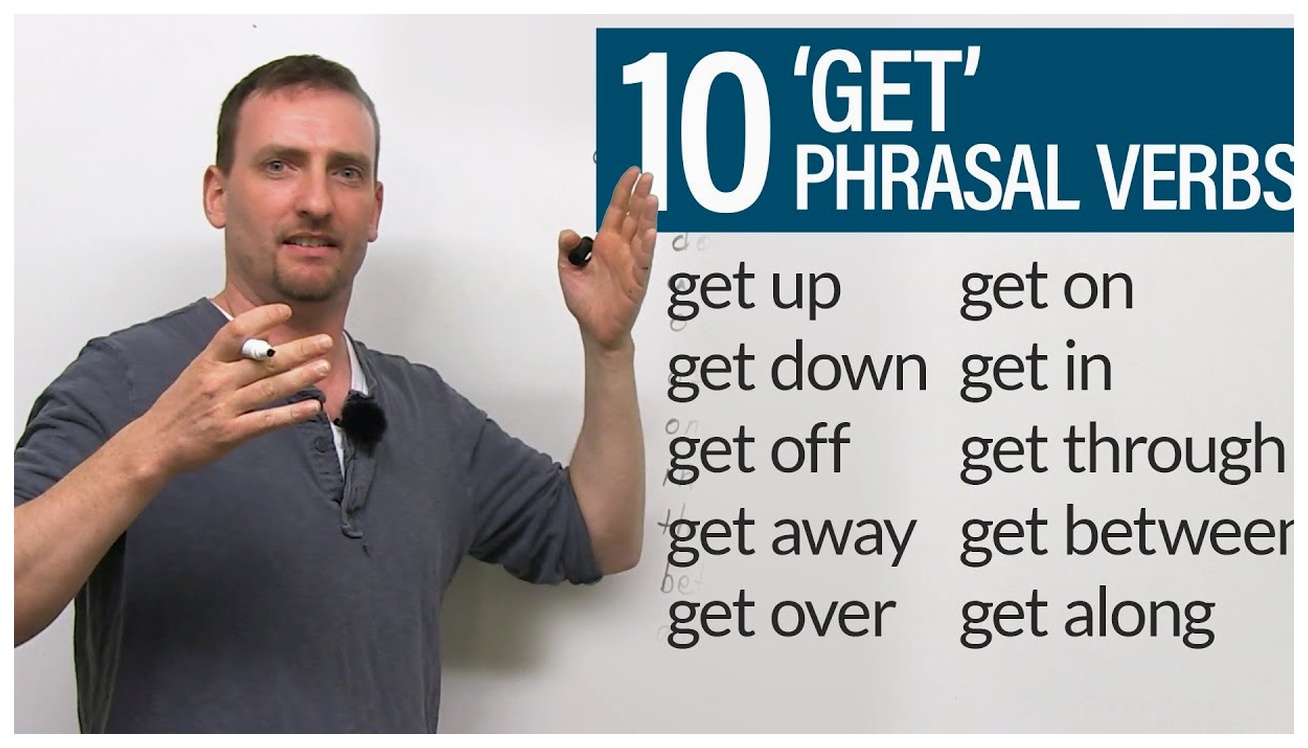
Conquering English, one phrasal verb at a time
Mastering English can be challenging due to the numerous ways to express the same idea. However, with helpful resources like this guide, you’ll be speaking like a native in no time! Keep an eye out for more tips and insights from me!
Frequently Asked Questions
What was the author’s experience with their friend over the weekend?
The author felt frustrated as their friend criticized their new boyfriend and insisted they should break up.
What do phrasal verbs often obscure in conversations?
Phrasal verbs can obscure meanings, making it difficult to follow conversations.
What does ‘get on with it’ mean?
‘Get on with it’ emphasizes the importance of taking action rather than just contemplating.
How many phrasal verbs are there that incorporate ‘get’?
There are 177 phrasal verbs that incorporate ‘get’.
What is the significance of learning phrasal verbs for mastering English?
Learning phrasal verbs helps in navigating idiomatic phrases and improves overall communication in English.