
- Overview of Italian as a global language
- A few historical notes
- Beyond Italy: Regions and countries that speak Italian
- Switzerland
- San Marino and Vatican City
- Italian as a minority language: Croatia and Slovenia
- Italian beyond Europe: America, Argentina, Australia, and Africa
- Keep traveling with Italian
- Frequently Asked Questions
- How many people speak Italian worldwide?
- In which countries is Italian an official language?
- What historical influences shaped the Italian language?
- How has Italian spread to other continents?
- What role does Italian play in cultural identity outside of Italy?
The Italian language transcends the stunning landscapes of its native Italy, spreading across continents and establishing a vibrant presence around the world. It has woven itself into the lives of millions, forging connections and resonating with diverse cultures far beyond its borders.
In this engaging guide, we’ll not only quench your curiosity about the number of Italian speakers worldwide but also celebrate the rich cultural tapestry that the Italian language weaves across the globe. From the sun-drenched shores of the Mediterranean to the majestic peaks of the Swiss Alps, Italian is a language that transcends borders and connects diverse communities.
Whether you’re a devoted Italophile or an inquisitive linguist, come along with us as we explore the captivating realm of Italian language and culture, where it’s not just spoken, but truly cherished and experienced.
“Iniziamo!” (Let’s start!)
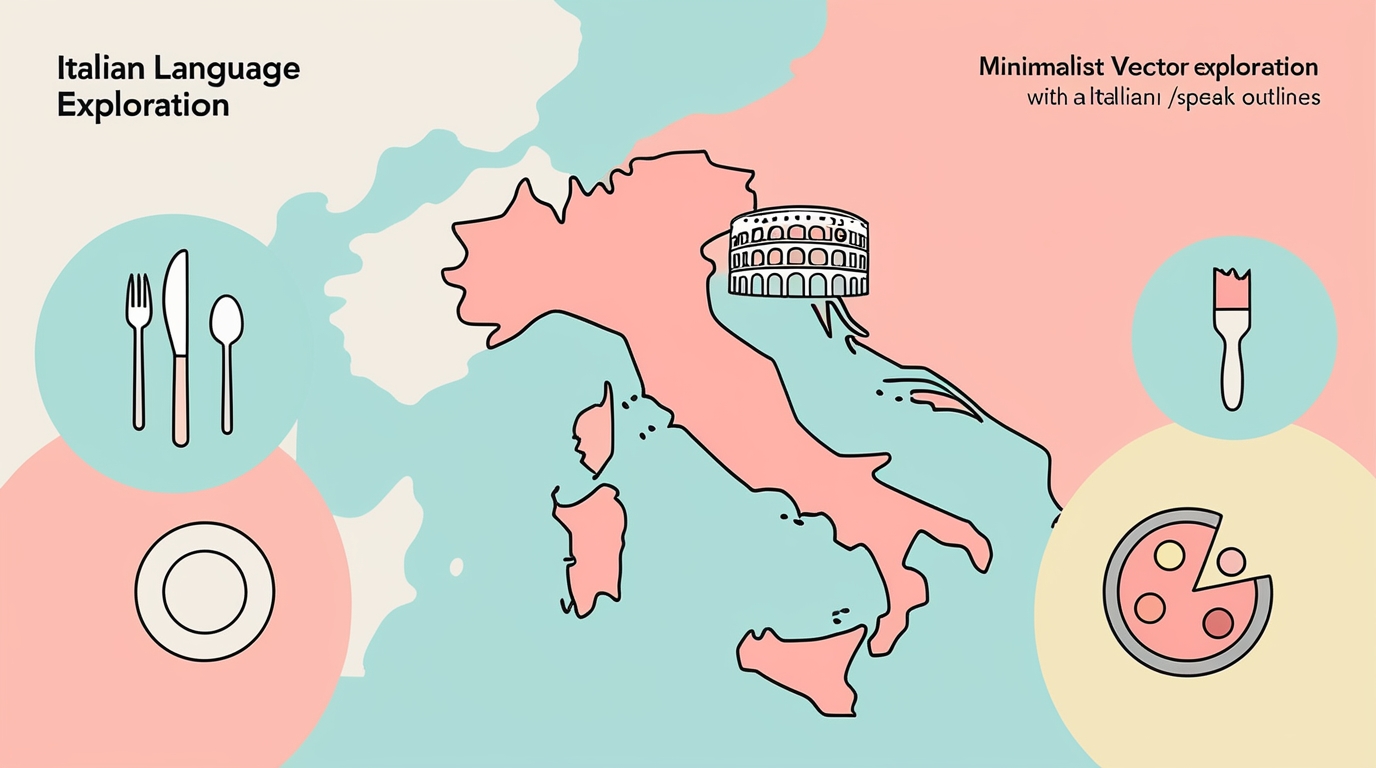
Overview of Italian as a global language
As of 2020, Ethnologue reports that Italian is spoken by 68 million people, representing 15% of the European Union’s population. Out of this total, approximately 64.6 million are native speakers, while around 3.1 million use Italian as a second language. This positions Italian as the second most widely spoken first language in the EU.
According to various sources, there are approximately 67 million Italian speakers in the European Union, which represents about 15% of the EU’s population. This figure excludes speakers from non-European countries; if they were included, the total would soar to 85 million. While the majority of Italian speakers live in Italy, millions more can be found across the globe.
Italian-speaking communities thrive across the globe, spanning every continent and a diverse array of countries. Notable locations include Albania, Argentina, Australia, Belgium, Bosnia and Herzegovina, Brazil, Canada, Costa Rica, Croatia, Malta, Egypt, Eritrea, France, Germany, Israel, Libya, Liechtenstein, Luxembourg, Paraguay, the Philippines, Puerto Rico, Romania, Saudi Arabia, Slovenia, Tunisia, the United Arab Emirates, the United Kingdom, the United States, and Venezuela. This rich tapestry of Italian speakers reflects the widespread influence of Italian culture and language worldwide.
Italian is a vital language in Europe, recognized as one of the key languages of the Organization for Security and Co-operation in Europe, and it also serves as a working language for the Council of Europe. Additionally, Italian is the main operational language of the Holy See and is the universal language within the hierarchy of the Roman Catholic Church. Furthermore, it is the official language of the Sovereign Military Order of Malta, highlighting its significance in various influential institutions.
A few historical notes
Italian, a Romance language rooted in Latin, echoes the rich heritage of the Roman Empire with every word. Following the empire’s collapse in the 5th century, regional variations of Latin emerged across Italy, giving rise to a tapestry of distinct dialects.
In the Middle Ages, dialects underwent remarkable transformations, shaped by local languages and the impact of invading cultures such as the Lombards and Normans. This era gave rise to a variety of regional vernaculars, each unique and separate from classical Latin and one another.
The Renaissance was a transformative era that significantly influenced the Western world, with Italy at its heart. During this dynamic period, the Italian language blossomed through the masterpieces of literary giants such as Dante, Petrarch, and Boccaccio, leaving a lasting legacy on culture and literature.
The 14th century was a pivotal era in literature, highlighted by Dante Alighieri’s groundbreaking work, “Divina Commedia” (“Divine Comedy”), crafted in the Tuscan dialect. By choosing to write in the vernacular instead of Latin, Dante opened the doors to literature for the general public, making knowledge and culture more accessible than ever before. The Tuscan dialect, predominantly spoken in Florence, rose to prominence during the Renaissance, reflecting the region’s economic and cultural influence, and ultimately laid the foundation for what is now considered modern standard Italian.
The unification of Italy in the 19th century marked a pivotal moment in the development of a standardized Italian language. To foster unity among its diverse regions, the newly established Kingdom of Italy championed the Tuscan dialect as the national language. However, this journey toward a cohesive Italian was complex; it intertwined linguistic efforts with political ambitions, as leaders sought to bridge the gap between the varied linguistic identities of the nation’s inhabitants.
During the 20th century, standard Italian became widely adopted across Italy, driven by key developments such as mandatory education, the rise of mass media, and significant internal migration. Although regional dialects continue to thrive, standard Italian now dominates education, media, and official communications, serving as a unifying language for the nation.
In modern Italy, standard Italian, which is taught in schools and used in media and official contexts, thrives alongside a rich tapestry of local dialects. Once viewed as obstacles to national unity, these dialects are now cherished as essential elements of Italy’s cultural heritage. The Italian government and various cultural organizations are dedicated to preserving these dialects, acknowledging their importance as crucial connections to Italy’s history and as vibrant representations of its diverse regional cultures.
Beyond Italy: Regions and countries that speak Italian
In addition to Italy, Italian is an official language in the following countries:
- Switzerland recognizes Italian as one of its four official languages, predominantly spoken in the canton of Ticino and parts of Graubünden.
- San Marino: A microstate surrounded by Italy, where Italian is used exclusively in all official capacities.
- Vatican City: Italian is the de facto official language, utilized in governance and religious ceremonies.
Switzerland

Travel just beyond Italy, and you’ll arrive in Switzerland, a country where the Italian language harmonizes beautifully with a rich tapestry of linguistic diversity. In Switzerland, Italian is one of four national languages, predominantly spoken in the canton of Ticino and parts of Grisons. These Italian-speaking areas provide a captivating insight into how various cultures and languages coexist and intertwine.
In Ticino, the elegance of Italian culture meets the precision of Swiss craftsmanship. This enchanting region, adorned with stunning lakes and majestic mountains, radiates a unique charm that blends Swiss efficiency with the warmth of Italian life. The Italian spoken here, while closely resembling standard Italian, boasts its own distinctive nuances and expressions, reflecting the area’s rich cultural heritage.
Switzerland’s vibrant multilingualism serves as a remarkable example of harmonious coexistence, demonstrating how language can uphold unique cultural identities while promoting mutual understanding. Italian, together with German, French, and Romansh, is vital to the nation’s diverse cultural landscape, enhancing Switzerland’s status as a pivotal crossroads of Europe.
San Marino and Vatican City
Now, let’s explore two of the world’s tiniest nations, San Marino and Vatican City, where the Italian language holds significant importance.
San Marino, a charming microstate surrounded by Italy, boasts a proud history of independence and a distinctive cultural heritage. While Italian serves as the official language, it also embodies the essence of San Marino’s national identity. Despite its small stature, the depth and richness of San Marino’s culture and traditions—articulated through the Italian language—rivals that of much larger countries.
Vatican City, the epicenter of the Catholic Church and the world’s tiniest sovereign state, is nestled within Rome and uses Italian as its common language. This vibrant language plays a vital role in everyday interactions, religious rituals, and administrative functions. In Vatican City, Italian not only highlights the historical importance of the language in the realms of faith and diplomacy but also continues to shape these spheres today.
Italian plays a vital role in the cultural, historical, and political landscapes of both San Marino and Vatican City, weaving itself into the very fabric of these distinctive nations.
Italian as a minority language: Croatia and Slovenia
The enchanting sounds of Italian resonate far beyond Italy, captivating minority communities around the globe. In particular, countries such as Croatia and Slovenia proudly embrace Italian as a lively minority language, reflecting the rich tapestry of cultural connections that span across their borders.
In Croatia, particularly in Istria and Dalmatia, Italian culture is a vibrant aspect of local identity. These regions, historically linked to the Venetian Empire, continue to celebrate their Italian roots through language, cuisine, and customs. The presence of Italian-language schools and bilingual signage highlights a thriving and enduring Italian-speaking community, showcasing the rich heritage that remains integral to the area.
In Slovenia, the Italian minority is a vital part of the region’s rich cultural tapestry, particularly along the stunning coast. Cities such as Koper—known as “Capodistria” in Italian—serve as vibrant examples of this cultural blend, where Italian traditions seamlessly merge with Slovenian heritage, resulting in a unique and harmonious community.
Italian beyond Europe: America, Argentina, Australia, and Africa
The global reach of the Italian language can be largely traced back to the significant waves of emigration from Italy in the 19th and 20th centuries. Italians settled in various countries, including the United States, Argentina, Australia, and parts of Africa, helping to establish vibrant Italian-speaking communities around the world.
Neighborhoods such as Little Italy in New York City serve as vibrant hubs of Italian culture, where the language is cherished and passed down through families and local businesses.
In Argentina, the influence of the Italian language can be heard in the unique accent and vocabulary of the local Spanish, a fascinating blend known as “cocoliche.” This linguistic phenomenon reflects the country’s rich cultural heritage and the significant Italian immigration that shaped its identity.
In Australia, Italian stands out as a lively testament to the wave of immigration that followed World War II. As large numbers of Italian migrants settled in the country, they infused their rich language and culture into the local fabric. Today, Italian ranks among the most widely spoken languages outside of English, especially thriving in bustling cities like Melbourne and Sydney.
Italian can also be found in various regions of Africa, particularly in Libya, Eritrea, Somalia, and Ethiopia. While it is not an official language in these nations, it still holds significance, especially among older generations. However, its use is declining among the youth, making it less prevalent in everyday conversation.
Keep traveling with Italian
Italian boasts a captivating global presence that extends well beyond its origins as a regional dialect in Italy. Today, it serves as an official language in countries such as San Marino, Switzerland, and Vatican City. Moreover, Italian is spoken in vibrant communities across North and South America, Africa, and Australia, showcasing its rich cultural influence around the world.
Mastering Italian invites you into a vibrant tapestry of culture, history, and contemporary life. From the enchanting melodies of opera to the profound works of Renaissance literature, every aspect of the language offers a unique experience. Additionally, joining the ranks of Italian speakers worldwide allows for meaningful connections and shared passions. Embracing Italian is more than just learning a language—it’s an enriching adventure waiting to be explored.
If you’re eager to explore the beauty of the Italian language, LingualNeeds is the perfect place to start or enhance your learning experience. Offering personalized 1-on-1 tutoring that caters to your unique style and objectives, LingualNeeds creates a flexible and engaging environment for mastering Italian. Seize the chance to learn through interactive online lessons and connect with the ideal tutor to embark on your journey into the rich world of Italian language and culture today!
“Buon viaggio nel mondo dell’italiano!” (Enjoy your journey into the world of Italian!)
Frequently Asked Questions
How many people speak Italian worldwide?
As of 2020, Italian is spoken by approximately 68 million people, with about 64.6 million being native speakers.
In which countries is Italian an official language?
Italian is an official language in Switzerland, San Marino, and Vatican City.
What historical influences shaped the Italian language?
The Italian language evolved from Latin, influenced by regional dialects, the Renaissance, and the unification of Italy in the 19th century.
How has Italian spread to other continents?
Italian spread globally due to significant waves of emigration in the 19th and 20th centuries, establishing communities in the United States, Argentina, Australia, and parts of Africa.
What role does Italian play in cultural identity outside of Italy?
In countries like Croatia and Slovenia, Italian serves as a vibrant minority language that reflects cultural heritage and community identity.