- How to be an effective online tutor to young learners
- 1. Get to know your students
- Sample ESL needs analysis questions
- Sample needs analysis questions for young learners
- 2. Explore th e remote classroom
- 3. Establish a class routine
- 4. Focu s on virtual classroom management
- 5. Consider how you give instructions
- 6. Keep activities short and simple
- 7. Use a range of resources and materials
- Realia
- Audio clips
- Video clips
- Quizzes
- 8. Enlist the parents
- Find out more about tutoring learners online
- Frequently Asked Questions
- What are some challenges of teaching English online to young learners?
- How can I engage young students in online English classes?
- What should be included in a class routine for online learning?
- How can I manage behavior in a virtual classroom?
- What types of resources can enhance online English lessons for children?
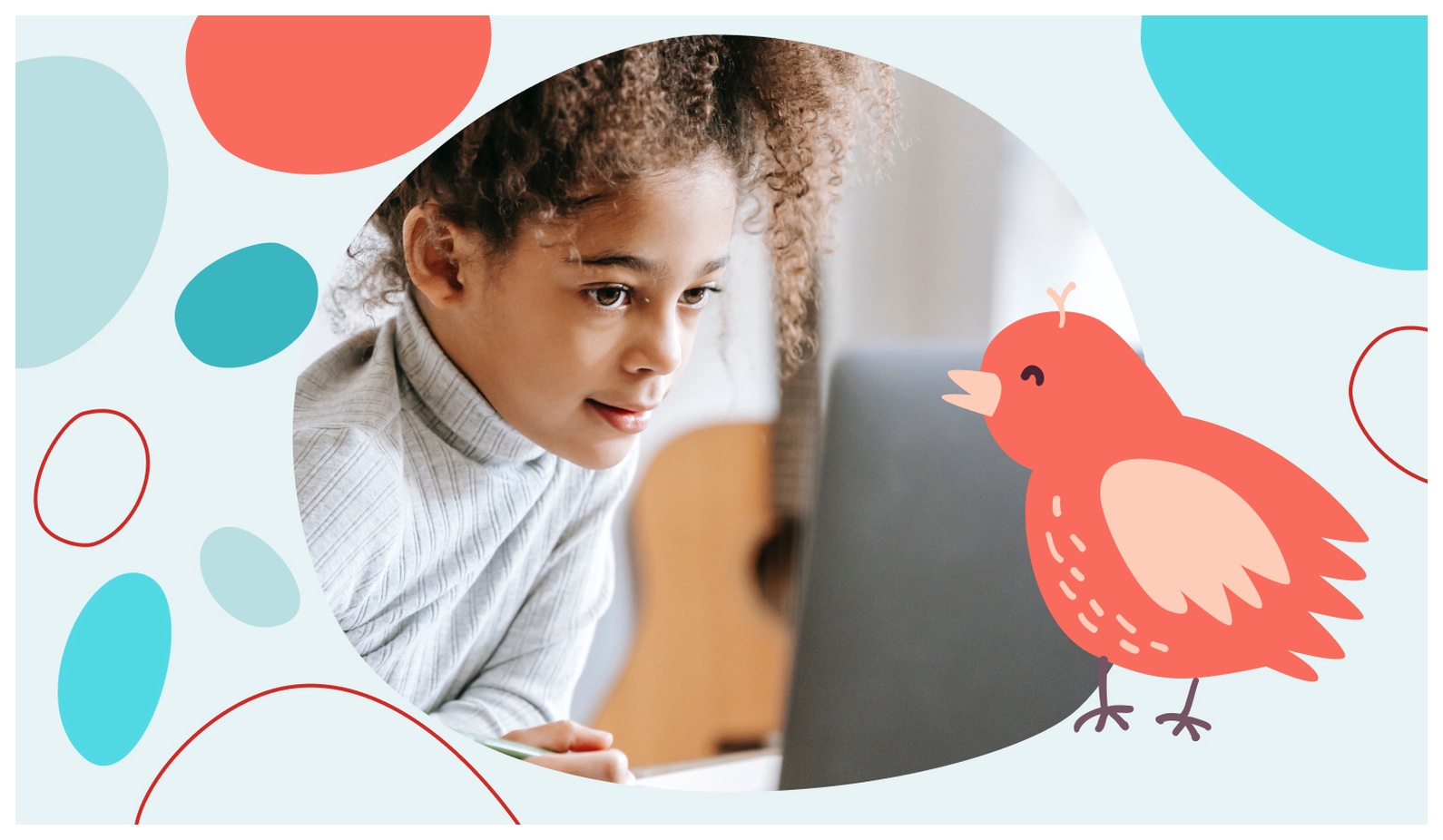
Teaching children is an incredibly fulfilling experience, particularly when you witness their rapid progress. However, instructing kids in English online also presents its own set of challenges.
Young learners often struggle with short attention spans, making reading and writing challenging for them. Additionally, they may experience mood swings during lessons, further complicating their engagement. As children age, the difficulties associated with virtual learning can intensify, making it crucial to adapt teaching methods to keep them motivated and focused.
How can you effectively teach young learners in an online environment? There are numerous strategies you can use to create a positive learning atmosphere and empower young students to thrive in their online language classes.
In this guide, we’ll explore strategies to make your online English teaching experience both enjoyable and highly effective, ensuring that your classes resonate with your students.
How to be an effective online tutor to young learners
1. Get to know your students
Children often struggle to focus when a topic doesn’t capture their interest. To enhance your online teaching experience for young learners, it’s essential to invest time in understanding their preferences and interests before diving into the lessons.
Begin with a straightforward needs analysis. This involves engaging your learners by asking them about their hobbies and interests. Understanding what they enjoy will help tailor the learning experience to their preferences.
Tailor your needs analysis to match the age and proficiency level of your learners by conducting it in their first language or in English. For younger students who might find writing or speaking challenging, consider using visual aids such as pictures and emoticons—like sad, neutral, and happy faces—to help gauge their preferences effectively.
Ultimately, this preparation will help you tailor your lesson plans to engage, inspire and motivate learners.
Sample ESL needs analysis questions
Here are some sample needs analysis questions you can adapt for use with your young learners.
Sample needs analysis questions for young learners |
|
|
Language:
|
Interests:
|
2. Explore the remote classroom
Many young learners struggle with essential computer literacy skills. A great way to kickstart their learning is by guiding them through the virtual classroom experience. Involving a parent or guardian can enhance this process, providing extra support. Focus on familiarizing them with key features like the microphone, camera, and chatbox, as these tools are crucial for effective participation.
To help them get to know how to use the technology, try the following activity:
- Show them a picture of a color.
- Ask them to use their microphone to say the color.
- Then, ask if they can find something of that color to show you using the camera.
- Encourage kids to express their feelings about the color. Start with this step to ensure they grasp the concept.
This activity is perfect for kindergarten teachers, but it can easily be modified for older students. By incorporating age-appropriate objects or images, you can engage them further and encourage them to share their answers in the chat box.
3. Establish a class routine
Establishing a routine is crucial for effective classroom management in a remote learning setting. A well-defined class routine enhances efficiency and provides students with a sense of security, as they are aware of what to anticipate during each session.
Take a look at the following routine as an example:
| Stage | Description |
| Welcome | Welcome students to the class and catch up |
| Warm up | Introduce a short, fun warm-up game to get kids motivated |
| Homework review | Correct any homework from the previous class |
| Set class objectives | Set your objectives for this class |
| Task 1 | Explain the topic e.g., the environment – Students have to match pictures with vocabulary. |
| Movement break | Give students a five-minute movement break. E.g., use a “Find something in your room that is made of…” activity. |
| Project work / Task 2 | If you have a group, give instructions for students to work together on a mini task or project.
If they’re alone, continue the practice of the topic you’re covering with a new task. |
| Interactive game | Break the class up with a short, interactive game |
| Review class objectives | Go over what you’ve covered today |
| Set homework | Give them homework for the next class |
| Goodbyes | Say your goodbyes and sign off |
For kindergarten-aged learners, consider swapping out project work for a fun activity like watching a brief video or singing a catchy song. To prevent screen fatigue and maintain their interest, incorporate mini-breaks and interactive games into your sessions. These strategies will keep young minds engaged and energized!
4. Focus on virtual classroom management

Setting clear rules for virtual classrooms is essential for young learners. In an online learning environment, educators may encounter a variety of behavioral challenges, which can disrupt the flow of teaching and learning.
- They might interrupt you or disrupt the class if their microphones are on.
- Students might even play games or go on social media rather than paying attention!
- Students at home may face distractions from nearby toys and electronic devices.
- Older children may chat with classmates using the chat box.
You can try setting the following rules to help with this:
- All students need to have their cameras on during class.
- When the teacher speaks, all students must mute their microphones.
- If students don’t understand something, they should raise their hand (literally or virtually).
- They should ask permission before going to the bathroom.
- No one should eat during the lesson.
- They should close all other websites when they’re in class.
5. Consider how you give instructions
When teaching English to children online, structuring your lessons is essential. Ensure that you offer ample guidance, enabling students to engage in exercises and activities confidently on their own.
Consider the logical progression of activities – they should build on each other in complexity. For example:
- You may start by demonstrating an activity first.
- Next, students should practice it in pairs or groups.
- Finally, students should do it individually.
When it comes to telling students what to do, remember to:
- Speak slowly and clearly.
- Concept check what they have to do by asking them to paraphrase the activity.
- Write instructions in the chat box, so they can read them too.
- Encourage them to raise their hands and ask for clarification.
To enhance understanding, it’s beneficial to visually present the activities, tasks, or games as you explain the instructions. This approach allows learners to better visualize what they need to do, making it easier for them to follow along.
6. Keep activities short and simple
One of the biggest hurdles in online education for children is their naturally short attention spans. To address this challenge effectively, break lessons into smaller, manageable segments. This approach not only keeps students engaged but also ensures a smoother learning experience.
Similarly, establish time limits for tasks to keep students focused and engaged. For more extensive assignments, like writing projects, consider assigning them as homework to ensure they have ample time to complete them thoughtfully.
Young children in kindergarten thrive on movement and play. To keep their energy levels up and enhance their learning, consider incorporating five-minute movement breaks into the classroom. You can also introduce a lively song, an interactive game, or a brief video to keep their enthusiasm high and minds engaged.
7. Use a range of resources and materials
Aside from keeping activities short, it’s a good idea to vary your resources and materials, too. Try using:
Realia
To effectively introduce new vocabulary, incorporate real-life objects that illustrate the words you’re teaching. This approach not only clarifies their meanings but also serves as a visual aid, making learning more engaging and memorable.
Audio clips
For kindergarten and elementary school students, incorporate playful songs and engage in sing-alongs to enhance their vocabulary in a fun way. For older children, consider trying:
- **Guess the Sound Game**: Play a sound and have students take turns guessing what it is. Increase the difficulty with each round to enhance engagement!
- “Simon Says: Students must follow instructions only if they begin with ‘Simon says,’ promoting active listening and engagement.”
- Listen and draw – Kids listen to a short explanation of something and draw what they hear.
Video clips
Videos provide valuable context for your teaching, making lessons more engaging. For younger children, consider using “English Singsing,” which offers interactive learning through songs. For older kids, “Sam and Mel” is a great option that combines entertainment with educational content. As long as the videos align with your lesson goals, they will enhance the learning experience and keep students interested.
Quizzes
Once you’ve covered grammar and vocabulary with your students, why not put their skills to the test using Quizlet or Kahoot? These interactive platforms not only make learning enjoyable but also encourage group participation and engagement in the classroom.

8. Enlist the parents
Managing tantrums, disruptive behavior, or lack of engagement in young children poses a significant challenge for online tutors. The difficulty lies in the fact that tutors are not physically present in the same space as their students.
Before class begins, it’s beneficial to encourage parents or caregivers to monitor their child’s behavior. If they observe any signs of distress, they should feel empowered to intervene and assist the child in calming down during tantrums. Additionally, they can support their child in navigating the platform, ensuring a smoother experience for everyone involved.
Find out more about tutoring learners online
By embracing these tips, you’ll undoubtedly enhance your experience teaching English to young learners online, whether in kindergarten or elementary school. While it requires perseverance and patience, the journey will be rewarding. Keep pushing forward, and success will follow!
You might also like to read our article on how to be a good online teacher.
Frequently Asked Questions
What are some challenges of teaching English online to young learners?
Young learners often struggle with short attention spans, mood swings during lessons, and essential computer literacy skills, which can complicate their engagement.
How can I engage young students in online English classes?
Engage young students by getting to know their interests through a needs analysis, using visual aids, and incorporating interactive games and movement breaks.
What should be included in a class routine for online learning?
A class routine should include stages like welcoming students, warm-up games, homework review, setting objectives, task explanations, movement breaks, project work, interactive games, and goodbyes.
How can I manage behavior in a virtual classroom?
Establish clear rules for virtual classrooms, such as keeping cameras on, muting microphones when the teacher speaks, and asking permission before leaving the room.
What types of resources can enhance online English lessons for children?
Use a variety of resources such as realia, audio clips, video clips, and interactive quizzes to make lessons engaging and reinforce learning.