
- Helpful phrases when asking for directions
- Useful direction words
- General direction words
- Transportation words
- Direction verbs
- Location words
- Building words
- Example conversations
- Conclusion
- Frequently Asked Questions
- What is the importance of learning basic Japanese vocabulary when visiting Japan?
- What are some useful phrases for asking for directions in Japanese?
- How can understanding directional vocabulary in Japanese help travelers?
- What are some examples of directional words in Japanese?
- How can practicing Japanese before a trip enhance the travel experience?
When you visit Japan, you’ll find a variety of transportation options at your disposal, including walking, trains, and buses. However, navigating the country can be challenging if you’re not fluent in Japanese. What happens if you lose your way or your phone runs out of battery? Many signs and maps, particularly in rural areas, are primarily in Japanese, which can make getting around more difficult.
When exploring Japan, having a grasp of basic Japanese vocabulary can be incredibly helpful, especially for asking for directions when you need assistance. To make your journey smoother, we’ve compiled a list of essential Japanese words and phrases to help you navigate with ease!
Ready to take your first Japanese lesson? Let’s go
Helpful phrases when asking for directions
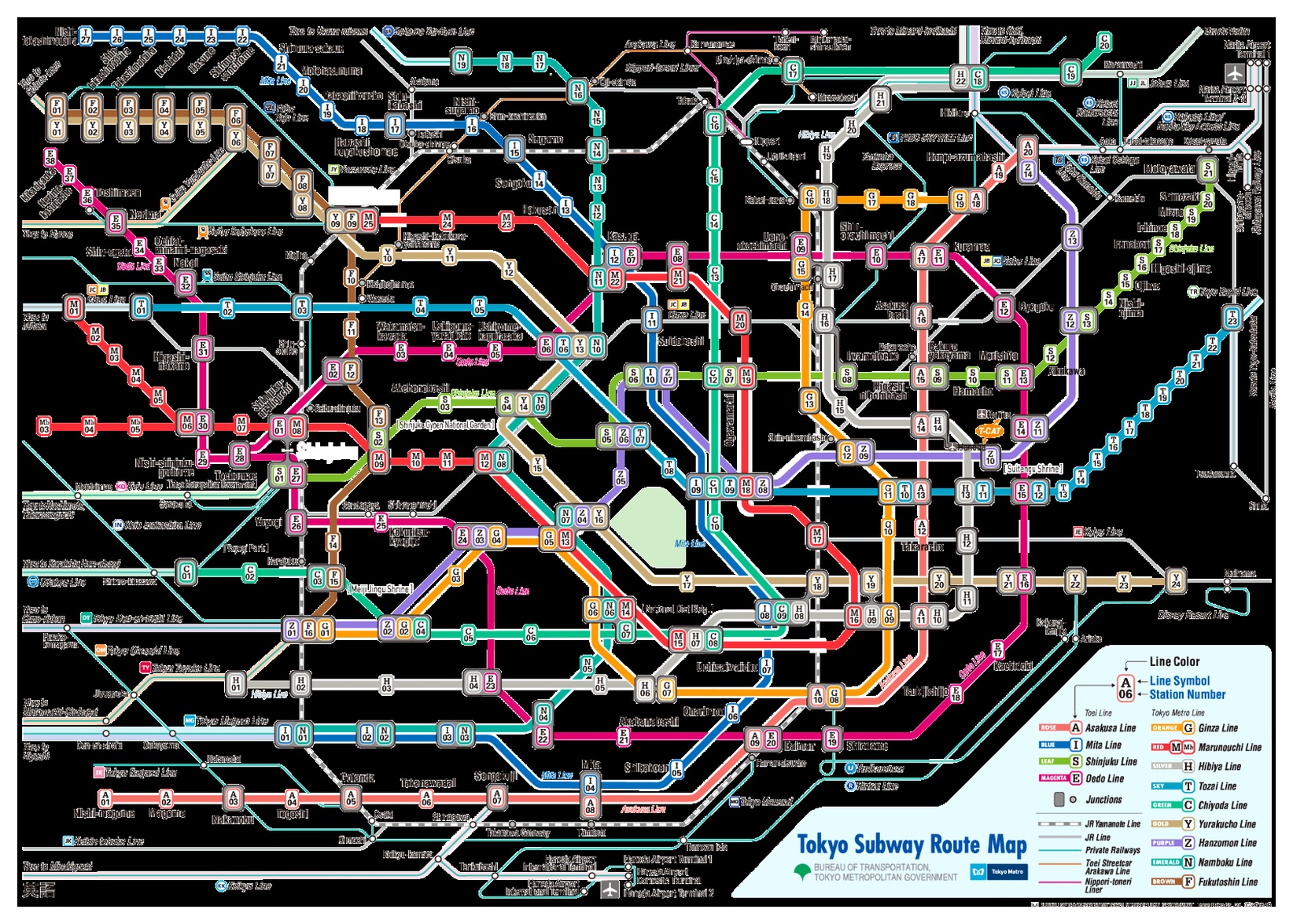
Japan’s vibrant cities offer a wealth of exciting destinations, easily accessible by trains and buses. In Tokyo, the extensive subway system features nearly 30 lines, so you’ll frequently need to transfer between them to reach your desired location.
To navigate the streets of Japan with ease, it’s helpful to familiarize yourself with some key numbers. This knowledge will assist you in identifying the correct bus or train stops. Additionally, learning a few simple Japanese phrases can be invaluable when you find yourself lost or need directions. Explore the useful expressions below!
| Where is the station? | 駅はどこですか? | Eki wa doko des ka? |
| Where do I transfer? | どこで乗り換えますか? | Doko de norikae mas ka? |
| How long does it take? | どのくらいかかりますか? | Eki wa doko des ka? |
| How far is it by car? | 車でどのくらい遠いですか? | Eki wa doko des ka? |
| Where is the restaurant? | レストランはどこですか? | Resutoran wa doko des ka? |
| Where is the restaurant? | トイレはどこですか? | Toire wa doko des ka? |
| I want to go to (name of place). | (場所の名前)に行きたいです。 | (Name of place) ni ikitai des. |
| How can I get to (name of place)? | どうやって(場所の名前)に行けますか? | Douyatte (name of place) ni ike mas ka? |
| Please tell me how to get there. | 道を教えてください。 | Michi wo oshiete kudasai. |
| Where am I? | ここはどこですか? | Koko wa doko des ka. |
Useful direction words
While major cities boast extensive transportation options, navigating smaller towns often requires walking or biking to reach your destination. To make your journey smoother, it’s beneficial to learn some directional vocabulary in Japanese. This knowledge will help you communicate effectively and seek assistance when needed.
General direction words
| Right | 右 | Migi |
| Left | 左 | Hidari |
| Straight | 真っ直ぐ | Mattsugu |
| Front | 前 | Mae |
| Back | 後ろ | Ushiro |
| Next to | 隣 | Tonari |
| Near | 近い | Chikai |
| Far | 遠い | Tooi |
| Corner | 角 | Kado |
| Inside | 中 | Naka |
| Outside | 外 | Soto |
| North | 北 | Kita |
| East | 東 | Higashi |
| West | 西 | Nishi |
| South | 南 | Minami |
| Here | ここ | Koko |
| There | そこ | Soko |
| Over there | あそこ | Asoko |
Transportation words
| Train | 電車 | Densha |
| Subway | 地下鉄 | Chikatetsu |
| Bus | バス | Basu |
| Taxi | タクシー | Takushii |
| Car | 車 | Kuruma |
| Bullet train | 新幹線 | Shinkansen |
| Airplane | 飛行機 | Hikooki |
Direction verbs
| To turn | 曲がる | Magaru |
| To walk | 歩く | Aruku |
| To cross | 渡る | Wataru |
| To ride | 乗る | Noru |
| To drive | 運転する | Unten suru |
Location words
| Train station | 駅 | Eki |
| Bus stop | バス停 | Basu tei |
| Airport | 空港 | Kukoo |
| Parking | 駐車場 | Chuusyajoo |
| Bank | 銀行 | Ginkoo |
| Hospital | 病院 | Byooin |
| Park | 公園 | Kooen |
| Temple | お寺 | Otera |
| Hotel | ホテル | Hoteru |
| Police station | 交番 | Kooban |
| Intersection | 交差点 | Koosaten |
Building words
| Building | 建物 | Tatemono |
| Entrance | 入口 | Iriguchi |
| Exit | 出口 | Deguchi |
| Elevator | エレベーター | Elebeetaa |
| Escalator | エスカレーター | Esukareetaa |
| Stairs | 階段 | Kaidan |
| Room | 部屋 | Heya |
| Front desk | フロント | Huronto |
| Bathroom | トイレ | Toire |
| Restaurant | レストラン | Resutoran |
| Café | カフェ | Café |
Example conversations
Japanese culture is celebrated for its friendliness and politeness. To reciprocate this warmth when seeking directions, it’s essential to demonstrate humility and respect. Begin and conclude your conversations with courteous Japanese expressions like “Sumimasen” (meaning “Excuse me”) and “Arigatoo gozaimas” (which translates to “Thank you”). This simple gesture goes a long way in fostering a positive interaction.
To witness these directional terms in action, check out the two example conversations below. Visualize how you might incorporate the vocabulary provided during your trip to Japan, and begin practicing now!
| Conversation #1 | |
| Person A | Sumimasen. Tokyo Eki ni ikitai des. Douyatte ike mas ka?
(Excuse me, I want to go to Tokyo station. How can I get there?) |
| Person B | Densha de ike mas.
(You can go by train.) |
| Person A | Densha de donokurai kakari mas ka?
(How long does it take by train?) |
| Person B | Ichi jikan kakari mas.
(It takes one hour.) |
| Person A | Arigato gozaimas.
(Thank you.) |
| Conversation #2 | |
| Person A | Sumimasen. Resutoran wa doko des ka?
(Excuse me. Where is the restaurant?) |
| Person B | Koko kara mattsugu des.
(Straight from here.) |
| Person A | Koko wa doko des ka?
(Where am I?) |
| Person B | Asakusa eki des.
(Asakusa station.) |
| Person A | Arigato gozaimas.
(Thank you.) |
Conclusion
Excited to explore Japan? This vibrant country is filled with amazing sights and experiences waiting for you! To enhance your adventure, consider practicing Japanese beforehand. This will not only help you communicate with locals more effectively but also make navigating your journey a breeze.
To enhance your Japanese skills before your trip, check out LingualNeeds for personalized 1-on-1 lessons with qualified tutors. Learn at your own pace, whenever and wherever it suits you. Book your lesson today and gain the confidence to navigate Japan effortlessly during your travels!
Frequently Asked Questions
What is the importance of learning basic Japanese vocabulary when visiting Japan?
Learning basic Japanese vocabulary is essential for asking for directions and navigating the country, especially in rural areas where signs may primarily be in Japanese.
What are some useful phrases for asking for directions in Japanese?
Useful phrases include ‘Eki wa doko des ka?’ (Where is the station?), ‘Doko de norikae mas ka?’ (Where do I transfer?), and ‘Douyatte (name of place) ni ike mas ka?’ (How can I get to (name of place)?)
How can understanding directional vocabulary in Japanese help travelers?
Understanding directional vocabulary helps travelers communicate effectively, seek assistance, and navigate their surroundings with ease.
What are some examples of directional words in Japanese?
Examples include ‘Migi’ (Right), ‘Hidari’ (Left), ‘Mattsugu’ (Straight), and ‘Mae’ (Front).
How can practicing Japanese before a trip enhance the travel experience?
Practicing Japanese can improve communication with locals, making it easier to navigate and enhancing the overall travel experience.


