

- What is small talk
- Steps to making small talk: 5 main principles
- Show a genuine interest
- Ask open-ended questions
- Never talk about something too personal
- Practice active listening
- Put away your phone
- Look for opportunities to converse
- Frequently Asked Questions
- What is the purpose of small talk?
- How can small talk benefit introverts?
- What are some effective strategies for making small talk?
- What topics should be avoided during small talk?
- Why is active listening important in small talk?

Many people dislike small talk, especially introverts. However, despite concerns about running out of things to say or feeling awkward, engaging in this seemingly trivial conversation is often unavoidable. It serves as a polite way to connect and break the ice, making it a useful skill to develop.
David Burkus, author of “Friend of a Friend: Understanding the Hidden Networks That Can Transform Your Life and Your Career,” highlights that small talk is not merely a social nicety; it’s essential for your success in various areas of life. If you dislike small talk and actively avoid it, you’re missing out on valuable social connections. Research shows that engaging in small talk can boost happiness, even for introverts.
Strong relationships often begin with small talk. Whether you’re at a networking event, enjoying a Friday gathering with friends, or simply waiting in line for coffee, effective conversational skills are key to navigating these casual interactions. By mastering a few easy techniques and phrases, you can enhance your small talk abilities and leave a lasting positive impression.
Let’s revisit the fundamentals of small talk and explore some essential tips. But first, let’s clarify what small talk truly entails.

What is small talk
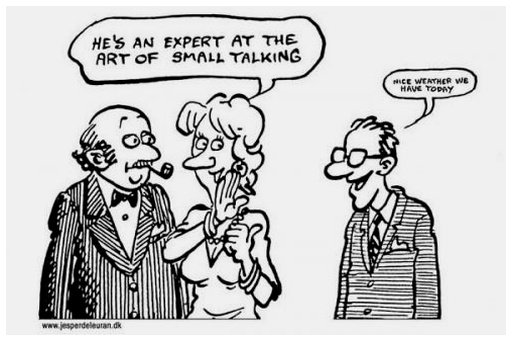
Small talk may seem trivial, but it serves as a crucial entry point into deeper conversations. Think of it as knocking on a door—once you engage, you wait to see if the other person welcomes you in. Whether chatting with friends or colleagues, even in a professional setting, keeping the atmosphere light and informal is key. Typically, small talk occurs between individuals who aren’t well acquainted, making it a common feature at social gatherings and networking events. Embracing this art can lead to meaningful connections!
While most dictionaries define small talk as brief conversations about trivial subjects, perspectives on its value vary. Some view it as mere filler to ease awkward silences, while others recognize its strategic importance. In fact, small talk serves as a crucial element in casual conversations, particularly within English-speaking cultures.
It’s no surprise that Americans effortlessly engage in small talk with salespeople, strangers, gym-goers, and taxi drivers. While some cultures view these light-hearted exchanges as trivial, in the English-speaking world, small talk is a common and accepted part of everyday interactions.
Steps to making small talk: 5 main principles
Here are five valuable strategies to enhance your small talk skills and confidently initiate conversations in any setting.

Show a genuine interest
To enhance your conversational skills and master the art of small talk, it’s essential to let go of any misconceptions that such interactions lack value. Each person you meet offers a unique opportunity for connection. These conversations could lead to new friendships, potential customers, or valuable insights that enrich your life. Embrace the possibilities!
Throughout history, many successful business partnerships have begun with casual conversations. A prime example is the friendship between Ben Cohen and Jerry Greenfield, who eventually founded Ben & Jerry’s. Their journey started with simple chats during gym class, highlighting how small talk can pave the way for significant collaborations.
Each interaction with someone unfamiliar presents a valuable opportunity for personal growth and connection. Instead of approaching these conversations with anxiety, embrace them with enthusiasm. Show a genuine curiosity about the person you’re speaking to, and you’ll not only learn from them but also make the conversation enjoyable. When you find joy in connecting with others, even the simplest exchanges become meaningful.

Ask open-ended questions
People naturally enjoy discussing themselves, and it’s easy to see why. Talking about personal experiences and preferences is far simpler than delving into topics we’re less familiar with. For instance, would you prefer to analyze Shakespeare’s impact on film and television, or share your thoughts on your favorite movie? The choice is clear!
While straightforward questions often elicit quick one-word responses, open-ended small talk questions spark engaging and dynamic conversations. These questions invite the person you’re speaking with to share more, fostering a deeper connection and encouraging them to express themselves.
To keep the conversation light and friendly, begin with straightforward questions. Alan Garner, author of “Conversationally Speaking: Tested New Ways to Increase Your Personal and Social Effectiveness,” suggests that the key to engaging small talk lies in following up these simple inquiries with open-ended questions. This approach encourages deeper dialogue without feeling overly aggressive.
Here are a few small talk examples:
- “Where are you from?” followed by “What is your hometown like? What do you like the most about it?”
- “What is your profession, and what motivated you to pursue it?”
- “Have you attended similar lectures before?” followed by “What do you think of today’s presentation?
Never talk about something too personal
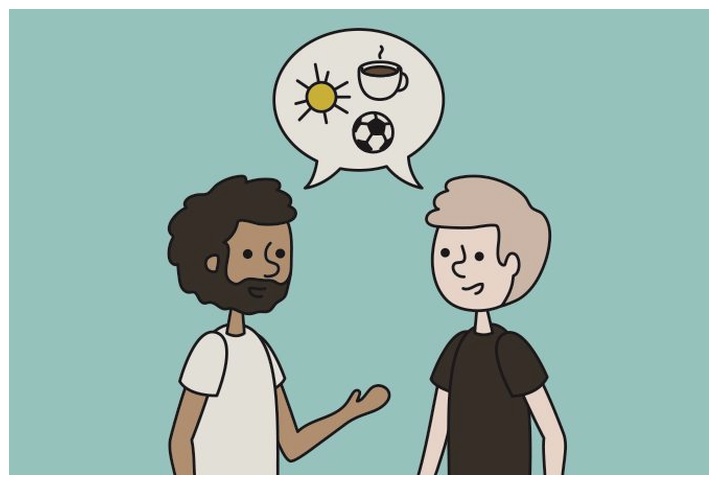
Starting a conversation with someone new can feel a bit daunting since you typically know very little about them. To break the ice, author, speaker, and blogger Gretchen Rubin recommends selecting topics that are relatable to both parties. This approach can help create a more engaging and enjoyable dialogue.
The forbidden topics are the person’s health, religion, and political views. The best subjects are:
- Weather
- Sports
- Shows and movies
- Art
- Your location or venue
- Food or cooking
- Hobbies
- Professional interests and responsibilities
Just keep your chatting light and ask questions about the interests, job, or surroundings.
Looking to spark engaging conversations at work? Discover a variety of topics and useful phrases in our article, “10 English Small Talk Topics for Starting a Conversation at Work.” It’s packed with insights to help you connect with your colleagues effortlessly!

Practice active listening
Active listening is a powerful communication technique that requires you to fully immerse yourself in what the other person is saying. While it’s natural to occasionally drift off, focusing intently on the speaker’s words can significantly enhance your connections. By demonstrating genuine engagement, you’ll not only foster deeper relationships but also make the other person feel truly valued and heard.
Here are some straightforward tips to enhance your active listening skills during small talk, whether at work or in any social setting:
- Maintain eye contact for 60% of the conversation while listening, and nod occasionally to demonstrate your engagement.
- Avoid interrupting or formulating your response while your conversation partner is speaking, as their final words may alter the context of their previous statements.
- Don’t offer unrequested advice, suggestions or solutions.
- As you listen, keep an open mind as well as withhold your judgment and stereotypes.
- Be patient while listening, keep yourself fully present and relaxed.
- Ask questions during pauses to clarify what is said.
- Pay attention to nonverbal cues—such as tone of voice, facial expressions, and body language—to uncover the deeper meaning behind what the speaker is saying.
To master the art of small talk and confidently engage in conversations on any subject, it’s essential to become an active and empathetic listener. By honing your active listening skills, you’ll significantly enhance your ability to connect and converse effectively with others.

Put away your phone
Looking to master the art of small talk? The key is to make the other person feel valued! There’s nothing more frustrating than engaging with someone who constantly checks their phone during the conversation. Focus on being present and attentive to create a meaningful connection.
In social situations, it’s common for people to reach for their phones when they feel awkward. However, nothing can undermine your efforts at making conversation faster than getting lost in your phone during small talk.
Look for opportunities to converse
Whether you’re a fan of small talk or prefer to skip it, these tips will enhance your experience. If you’re unsure how to engage in casual conversation with your boss or a stranger at reception, these strategies will help you navigate the situation gracefully and confidently.
Remember, the more you engage in conversations with new acquaintances, the easier it will become. To conquer your fear of small talk, try practicing in new settings. Attend networking events in different industries or ask friends to invite you to their work gatherings. You’ll build confidence in no time! Good luck!
Looking to enhance your language skills? Subscribe to our blog for weekly updates packed with valuable tips and insightful articles delivered straight to your inbox!
Frequently Asked Questions
What is the purpose of small talk?
Small talk serves as a polite way to connect and break the ice, making it a useful skill to develop.
How can small talk benefit introverts?
Engaging in small talk can boost happiness and help introverts form valuable social connections.
What are some effective strategies for making small talk?
Effective strategies include showing genuine interest, asking open-ended questions, practicing active listening, and being mindful of personal topics.
What topics should be avoided during small talk?
It’s best to avoid discussing personal topics such as health, religion, and politics.
Why is active listening important in small talk?
Active listening helps demonstrate genuine engagement, fosters deeper relationships, and makes the other person feel valued and heard.


