
- What are the most popular internet abbreviations of 2024?
- What makes people abbreviate?
- Texting abbreviations list: 100+ of the most popular internet abbreviations
- Expressing emotions and feelings
- Download a list of internet abbreviations for free
- Expressing Opinion and Reaction
- Describing the reaction to something stupid, aggressive, hostile, unfair, etc.
- Disclaimers
- Attracting attention
- Notifications, wishes, greetings, closings
- Warning and recommendation
- Asking for a favor or advice
- Ready to use these abbreviations for texting?
- Frequently Asked Questions
- What are some examples of popular internet abbreviations for 2024?
- Why do people use abbreviations in text communication?
- How did internet slang evolve among different age groups?
- What is the purpose of using shorthand communication online?
- What does the abbreviation NSFW stand for?
In the realm of messaging and chat rooms, Internet abbreviations have become as commonplace as encountering someone snapping selfies on the street. These clever shorthand expressions have evolved into a distinctive language embraced by millennials and Gen Z, adding a playful twist to digital communication.
Often referred to as Internet slang, these abbreviations are commonly found in casual conversations among specific groups on social media. Unlike traditional slang that varies across British, American, and Australian English, Internet abbreviations have a universal appeal. They are easily understood by anyone who is familiar with the context of the discussion, transcending geographical boundaries.
Chances are, you can easily list ten popular texting abbreviations, just like you regularly message or tweet your friends. However, you might encounter many internet acronyms that leave you puzzled. That’s why we’ve created this article featuring over 100 of the most popular internet abbreviations for 2024. Use it as your go-to guide to enhance your understanding, challenge yourself, and become fluent in the latest online lingo!
What are the most popular internet abbreviations of 2024?
Here is a selection of the most popular and widely used internet abbreviations in 2024:
- LOL: Laughing out loud
- ASAP: As soon as possible
- FYI: For your information
- G2G: Got to go
- FB: Facebook
- MSG: Message
- TTYL: Talk to you later
- IMO: In my opinion
What makes people abbreviate?
Character limits have transformed the way we communicate online. Initially, tweets were restricted to just 140 characters, with usernames capped at 20 characters. Although this limit increased to 280 characters in 2017, the habit of abbreviating words remains popular. This trend enables users to convey their messages quickly and efficiently, especially when they’re on the move and need to save time while typing.
Additionally, one key reason people use shorthand in texting is the fast-paced nature of modern life, which encourages us to communicate more efficiently and express ourselves in fewer words and less time.
In today’s fast-paced world, lengthy and elegant transition words like “nevertheless” and “notwithstanding” are falling out of favor. The reason? It often requires too many taps on our devices to type them out. This trend highlights a common human tendency toward laziness and impatience when it comes to typing. However, it’s worth noting that this inclination towards brevity isn’t entirely negative; throughout history, our desire for efficiency has driven significant progress and innovation.
Shorthand communication resembles a unique secret code used by individuals across various online platforms, including social media, instant messaging services like Skype, WhatsApp, Telegram, and Facebook Messenger. This abbreviated language not only streamlines conversations but also serves as an effective shield, safeguarding private discussions from prying eyes.
One common belief is that many abbreviations emerged as a way for teens to keep their private conversations hidden from their parents. There are several examples that support this idea:
- PAW (Parents are watching)
- PITR (Parent in the room)
- PBB (Parent behind back)
- POMS (Parent over my shoulder)
- KPC (Keeping parents clueless)
- PAH (Parent at home).
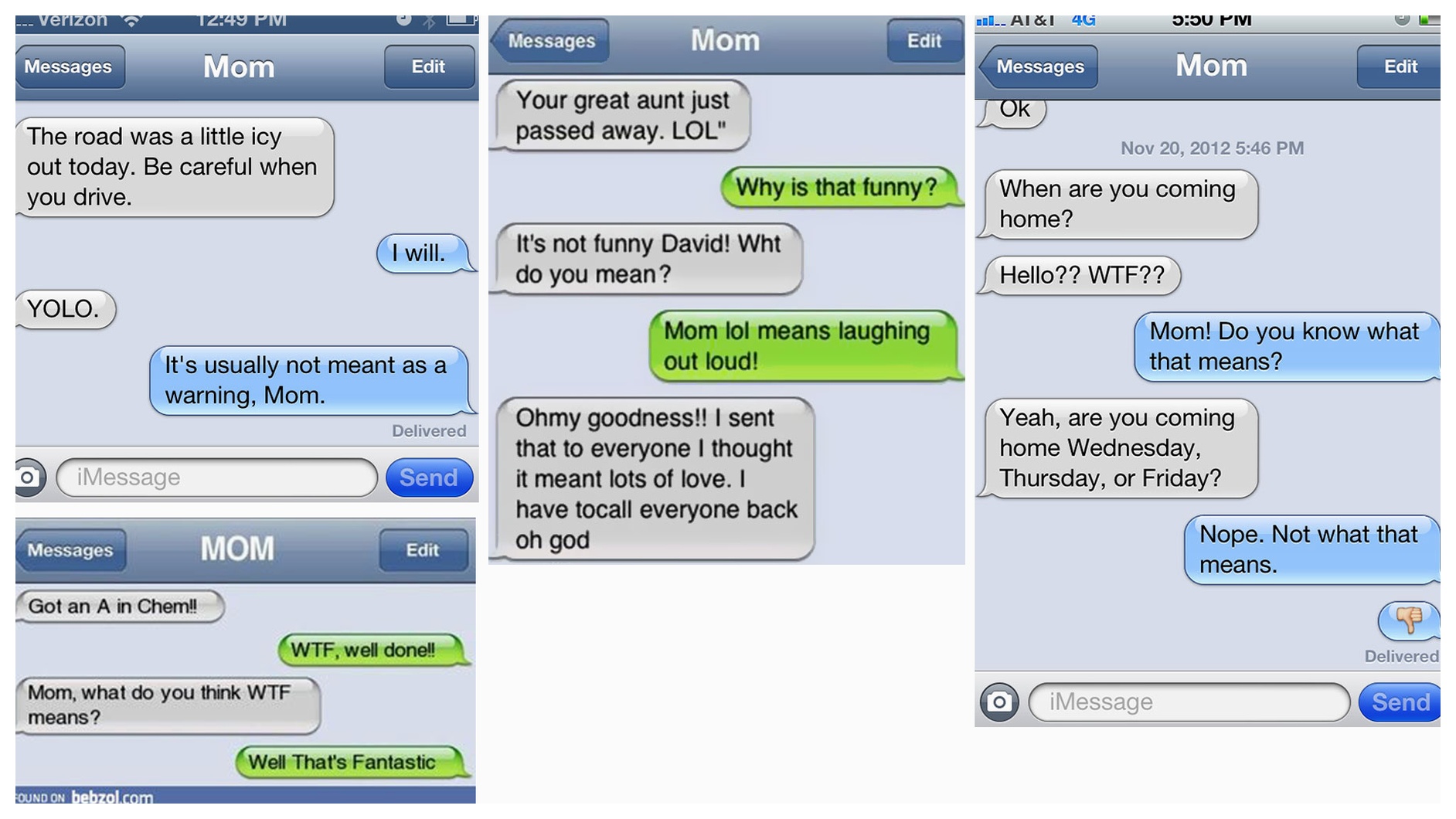
It’s amusing to see that our parents have embraced instant messaging abbreviations to connect with their friends! Yet, their messages can sometimes leave us blushing and rolling on the floor with laughter.
Texting abbreviations list: 100+ of the most popular internet abbreviations
Millennials played a pivotal role in the rise of internet chat abbreviations, crafting a new language for digital communication. Shortened words, phrases, and even complete sentences have become staples in tweets and instant messages. For instance, have you ever wondered what “NTH” means in texting? It’s a testament to how quickly language evolves in our fast-paced digital world—sometimes, saying “Nice to have!” just feels too lengthy!
You have the option to engage in a chat by using complete phrases instead of abbreviations—like saying “Talk to you later” instead of “TTYL” or “Oh my God” instead of “OMG.” Rest assured, Twitter won’t crash, and fellow chat participants won’t react negatively. However, as the conversation progresses, you may find yourself naturally adopting these shorthand expressions to stay in sync with the group.
To enhance your understanding of abbreviations and acronyms, we’ve organized them by their usage patterns. Remember to engage in daily English exercises to reinforce your memory of new words and phrases!
Expressing emotions and feelings
HIFW – How I feel when
HIFW has emerged as a popular text abbreviation, often featured in humorous and sarcastic memes and GIFs across social media platforms like Twitter, Instagram, and Facebook. Additionally, the full phrase is commonly found in blogs and Facebook posts, showcasing its versatility in online communication.
TFW – That feeling when. TFW internet slang often goes in a caption to an image.
MFW – My face when
MRW – My reaction when
IFYP – I feel your pain
LOL – Laughing out loud
TNTL – Trying not to laugh
JK – Just kidding
IDC – I don’t care
ILY – I love you
IMU – I miss you
ADIH – Another day in hell
IDC – I don’t care
ZZZ – Sleeping, bored, tired
WYWH – Wish you were here
TIME – Tears in my eyes
BAE – Before anyone else
You can use it to refer to someone you cherish deeply. For example, “My partner and I just finished another thrilling episode of Game of Thrones!”
SSDD – Same stuff, different day
QQ – Crying
I find the origin of the QQ abbreviation to be quite fascinating. According to Urban Dictionary, QQ originally referred to quitting the game Warcraft II by pressing the hotkey Alt+QQ. When players began to complain or whine, others would suggest they “QQ.” Over time, this term evolved to symbolize crying eyes, and it eventually made its way into texting and tweeting as a shorthand for expressing frustration or sadness.
FIMH – Forever in my heart
BSAAW – Big smile and a wink
BWL – Bursting with laughter
LMAO – Laughing my a** off
BFF – Best friends forever
CSL – Can’t stop laughing
Download a list of internet abbreviations for free
Expressing Opinion and Reaction
IMOIMHO – In my opinionIn my humble opinion
OMDB – Over my dead body
NTH – Nice to have. what does nth mean in texting messaging
POV – Point of View
TBH – To be honest
FTW – For the win
WTF – What the f***
The following examples showcase internet slang abbreviations that express varying levels of quality. When you say something is “FTW,” you’re declaring it to be fantastic, incredible, or simply perfect!
FTL – For the loss
YNK – You never know
SMH – Shaking my head
Describing the reaction to something stupid, aggressive, hostile, unfair, etc.
SRSLY – Seriously
YGTR – You got that right
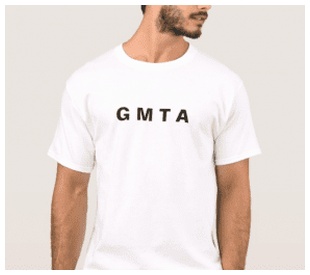
GMTA – Great minds think alike
Often mistaken for the GMAT (Graduate Management Admission Test), the abbreviation actually represents a popular way of thinking. Those who have endured the challenging GMAT preparation can easily distinguish between the two. This concept has gained widespread recognition, finding its way onto everyday items like mugs, pillows, and t-shirts.
AYMM – Are you my mother?
CWOT – Complete waste of time
Disclaimers
IANAL – I am not a lawyer
Before sharing any legal advice in a public forum, make sure to include a disclaimer like “IANAL” (I Am Not A Lawyer) or “TINLA” (This Is Not Legal Advice). This simple precaution can protect you from being accused of providing unlicensed legal consultation. In the U.S. and many other countries, even a minor suggestion on handling assets or navigating a divorce could be interpreted as unauthorized practice of law. Stay informed and safeguard yourself!
AFAIK – As far as I know
AFAIR – As far as I remember
AFAIC – As far as I’m concerned
ASL – Age, sex, location
AAMOF – As a matter of fact
FWIW – For what it’s worth
YMMV – Your mileage may vary
IIRC – If I remember correctly
DM – Direct message
AFAICT – As far as I can tell
TL;DR – Too long; didn’t read
You can use the abbreviation “TL;DR” not just to highlight the length of a post, but also to admit that you didn’t bother to read it at all—hence, it humorously stands for “Too lazy; didn’t read.” This concept evolved into “ToS;DR,” which means “Terms of Service; didn’t read.” Many users tend to overlook this section of websites because the legal jargon and lengthy explanations can be daunting.
Attracting attention
IRL – In real life
TIL – Today I learned
SOML, which stands for “Story of My Life,” is commonly used in texting to express how someone’s experiences resonate with one’s own. It’s often a way for individuals to relate to another person’s story, highlighting similarities in their situations.
EMBM – Early morning business meeting
J4F – Just for fun
JSYK – Just so you know
FAWC – For anyone who cares
RLRT – Real life retweet
OH – Overheard
WUZUP – What’s up?
CS – Career suicide
DWH – During work hours
Notifications, wishes, greetings, closings
OMW – On my way
GRATZ – Congratulations
GL – Good luck
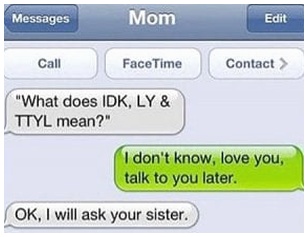
IDK – I don’t know
TTYL – Talk to you later
BRB – Be right back
W8 – Wait
NFS – Not for sale
B4N – Bye for now
B@U – Back at you
BBBG – Bye bye be good
BBIAS – Be back in a sec
RUOK – Are you OK?
CYT – See you tomorrow
DBMIB – Don’t bother me I’m busy
DM – Direct message
GFN – Gone for now
AFK – Away from keyboard
Warning and recommendation
NSFW – Not safe for work
If you come across the abbreviation “NSFW” next to a link, it’s best to avoid clicking it. This acronym stands for “Not Safe For Work” and typically indicates that the content may include sexual, nude, graphic, or violent material that is inappropriate for a workplace setting. Stay safe and steer clear when you see NSFW!
NSFL – Not safe for life
It refers to even more offensive and shocking content which can possibly cause mental harm.
SFW – Safe for work
GRAS – Generally recognised as safe
NBD – Not big deal
OC – Original content
4AO – For adults only
OP – Original poster
This refers to someone who was the first to publish a post.
PPL – People
ICYMI – In case you missed it
JIC – Just in case
NAGI – Not a good idea
GOI – Get over it
RBTL – Read between the lines
AYOR – At your own risk
DIY – Do it yourself
E123 – Easy as one, two, three
GAHOY – Get a hold of yourself
Asking for a favor or advice
TMB – Tweet me back
WTPA – Where the party at?
DAE – Does anyone else?
PRT – Please retweet
PTB – Please text back
TIA – Thanks in advance
BUMP – Bring up my post

Ready to use these abbreviations for texting?
The internet is full of extensive lists of abbreviations and shortened words, making it easy to familiarize yourself with common texting lingo. With a solid understanding of these examples, you’ll be ready to engage in public chats. However, before diving in, take a moment to review the chat history. If you notice that only familiar reaction acronyms like “lol” or “omg” are being used, it’s wise to avoid using less common abbreviations. Additionally, when communicating in a formal setting, such as a corporate chat with your CEO, steer clear of acronyms altogether. For more tips on effective workplace communication, be sure to check out our article on English for the office.
Need help improving your English skills?
Check out our guide on How to learn English!
Frequently Asked Questions
What are some examples of popular internet abbreviations for 2024?
Examples include LOL (Laughing out loud), ASAP (As soon as possible), FYI (For your information), G2G (Got to go), and TTYL (Talk to you later).
Why do people use abbreviations in text communication?
People use abbreviations to communicate quickly and efficiently, especially due to character limits on platforms and the fast-paced nature of modern life.
How did internet slang evolve among different age groups?
Millennials played a significant role in the creation of internet chat abbreviations, crafting a new language that is now used by various age groups, including their parents.
What is the purpose of using shorthand communication online?
Shorthand communication streamlines conversations and helps maintain privacy, as it can serve as a code that is easily understood by those familiar with the context.
What does the abbreviation NSFW stand for?
NSFW stands for ‘Not Safe For Work,’ indicating that content may be inappropriate for viewing in a workplace setting.


