- Nouns related to the mouth with idioms.
- Verbs related to the mouth with idioms.
- Frequently Asked Questions
- What does the idiom ‘all mouth and no trousers’ mean?
- What does ‘fight tooth and nail’ signify?
- What does ‘tongue in cheek’ imply?
- What does the idiom ‘turn the other cheek’ suggest?
- What does ‘swallow your pride’ mean?
English is rich with nouns, adjectives, and verbs related to the body, and it offers an exciting array of idioms that can enhance your learning experience!
Let’s explore some key vocabulary related to different body parts, which will help us easily connect with various idioms.
Nouns related to the mouth with idioms.
Mouth
• Idiom – “all mouth and no trousers”
Characterized by brash and empty boasts, often from a man who fails to back up his words with real action, this expression is primarily used in the UK. It’s also known as “all mouth and trousers.”
“He boasts confidently about his charm, but when it’s time to ask a woman out, he falls silent and shies away.”
Teeth
• Idiom – “fight tooth and nail”
To use a lot of effort to oppose someone or to achieve something.
“I’ll fight tooth and nail to keep that tree from being cut down by the council.”
Tongue
• Idiom – “Tongue in cheek”
When you express something “tongue in cheek,” you’re making a playful joke that may come across as serious at first glance.
“And we all know what a passionate love life I have!” he said, tongue in cheek.
Cheek
• Idiom – “turn the other cheek”
To decide not to do anything to hurt someone who has hurt you.
“When someone attacks you personally, the best approach may be to turn the other cheek”.
Throat
• Idiom – “a frog in your throat”
A feeling of hoarseness or a lump in one’s throat.
“She says she gets a frog in her throat when she is nervous.”
Lips
• Idiom – “to pay lip service”
Express approval of or support for (something) insincerely or without taking any significant action.
‘They pay lip service to equality but they don’t want to do anything about it’
Verbs related to the mouth with idioms.
Laughter is a familiar concept, but it’s not just a single sound; it comes in various delightful forms, such as giggles, chuckles, and titters. What other playful expressions can we create with our mouths?
smile = make your mouth wide to show friendliness or because you find something funny.
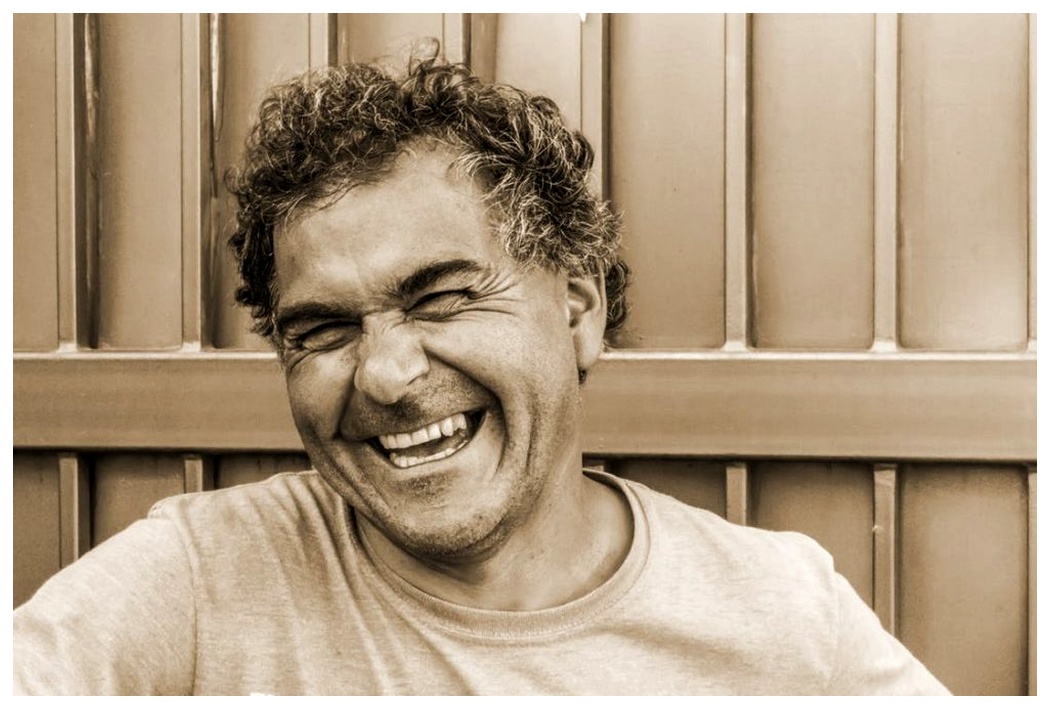
“The joke wasn’t funny, but he smiled anyway.”
bite (bite / bit / bitten) = use your teeth to break something.
“The boy hungrily bit the sandwich.”
“Bite the bullet” is an idiom that means to confront an unpleasant or challenging task head-on, summoning the courage to face tough situations. It’s about pushing through discomfort and embracing bravery when necessary.

“I dislike going to the dentist, but I’ll just have to bite the bullet.”
A kiss is an intimate gesture where you press your lips against someone else’s skin or lips, expressing love and affection.
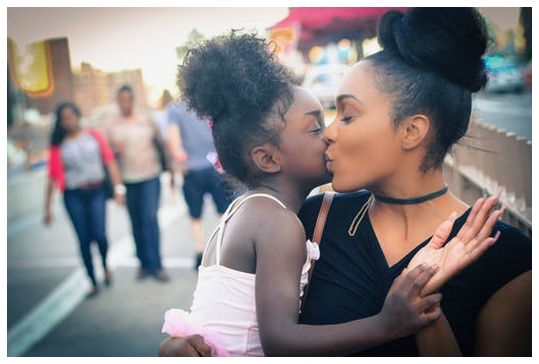
“She kissed her daughter on her cheek.”
swallow = make something (like food) go down your throat
“Drink some water to help you swallow the aspirin.”
• Swallow your pride (idiom) – to choose to take an action that may cause you embarrassment or shame, often for the sake of a greater good or to resolve a conflict.
He was forced to swallow his pride and ask if he could have his old job back.
sip = drink very small amounts at a time
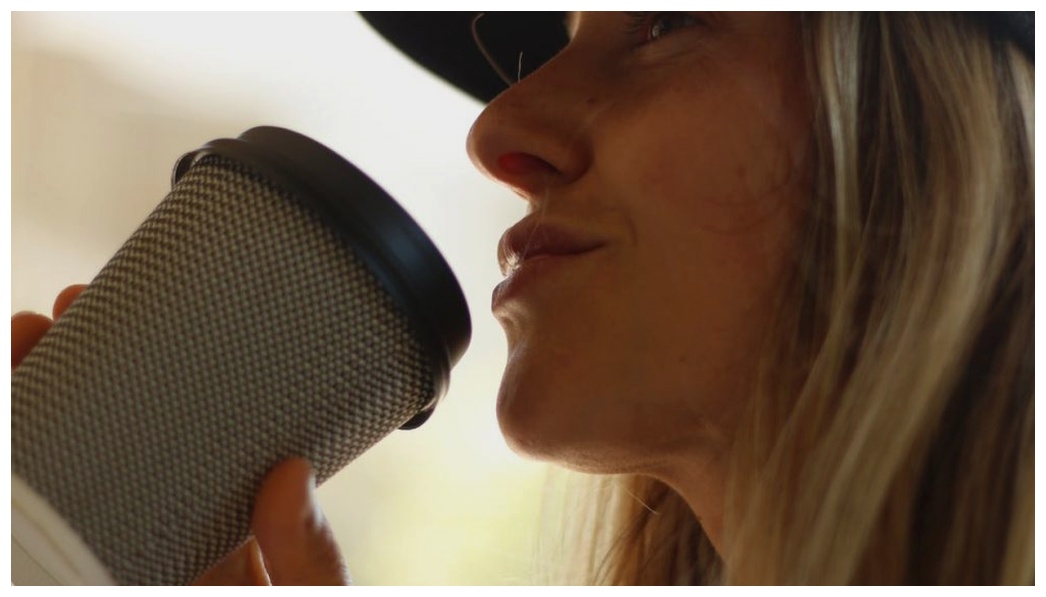
“She sipped his coffee as it was very hot.”
lick = use your tongue (to eat something)
“The dog licked the bone.”
• Lick your wounds (idiom) – to take time to recover and regain your strength or happiness following a setback or difficult experience.
blow (blow / blew/blown) = make air come out of your mouth
“She blew on the coffee because it was too hot.”
whistle = put your lips together and make a tune as you blow out air
“He always whistles when he’s working.”
hum = sing (but without the words) with your mouth closed
“I can’t get that tune out of my head, I can’t stop humming it..”
Frequently Asked Questions
What does the idiom ‘all mouth and no trousers’ mean?
It refers to someone who makes brash and empty boasts but fails to back them up with real action.
What does ‘fight tooth and nail’ signify?
It means to use a lot of effort to oppose someone or to achieve something.
What does ‘tongue in cheek’ imply?
It indicates that something is said as a playful joke that may seem serious at first.
What does the idiom ‘turn the other cheek’ suggest?
It suggests deciding not to hurt someone who has hurt you.
What does ‘swallow your pride’ mean?
It means to take an action that may cause embarrassment or shame for the sake of a greater good.