
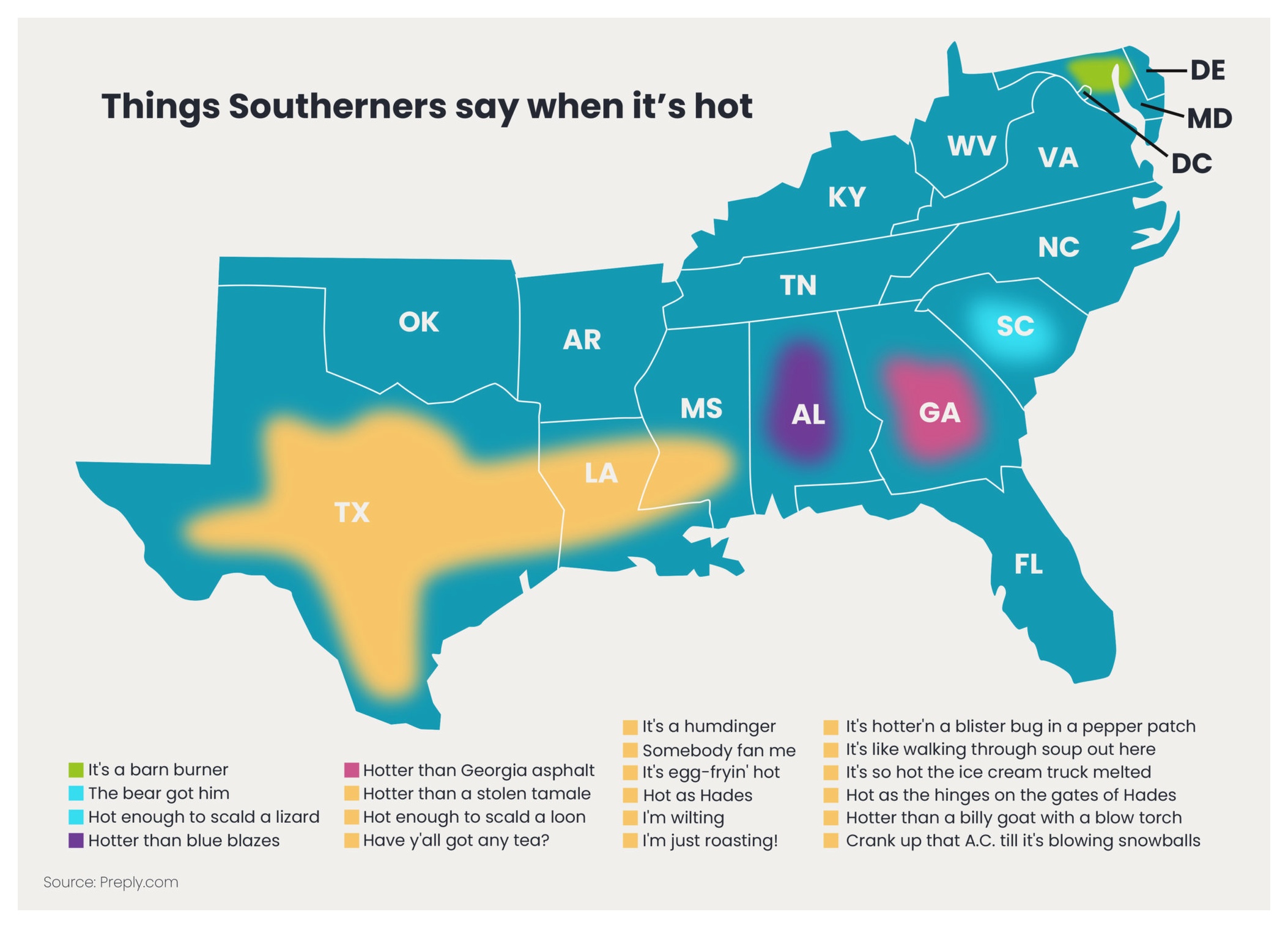
- Here are 20 of the most popular Southern “hotter than” sayings and other expressions about the heat
- 1. It’s not the heat — it’s the humidity.
- 2. It’s hot as Hades.
- 3. It’s hotter than Dutch love.
- 4. It’s a barn burner.
- 5. It’s hotter than blue blazes.
- 6. It’s hotter than Georgia asphalt.
- 7. It’s hot enough to scald a lizard.
- 8. It’s hotter than a stolen tamale.
- 9. She sure is a-beamin’.
- 10. It’s awful selsery.
- 11. It’s hot enough to scald a loon.
- 12. It’s like the training grounds for down below.
- 13. The bear got him.
- 14. It’s a torcher.
- 15. It must be 90 in the shade.
- 16. This one’s gonna be a scorcher.
- 17. It’s so hot you could fry an egg on the sidewalk.
- 18. It’s like walking through soup out here.
- 19. It’s so hot the ice cream truck melted.
- 20. It’s so hot the swimming pool is boiling.
- Final thoughts
- Frequently Asked Questions
- What are some popular Southern idioms related to heat?
- What does the phrase ‘It’s hotter than Dutch love’ mean?
- How does humidity affect the perception of heat?
- What is the significance of the term ‘barn burner’?
- Why might someone say ‘It’s so hot you could fry an egg on the sidewalk’?
Southerners in the U.S. are famous for their vibrant language and striking imagery. Expressions like “She’s madder than a wet hen” and “I’m finer than frog hair split four ways” offer a glimpse into their delightful way of communicating. They also have plenty of colorful phrases to describe the sweltering heat of a summer day. Exploring these idioms is as enriching and enjoyable as taking Italian lessons online!
Great news! We’ve put together a list of popular heat-related idioms commonly used in the Southern United States to vividly express just how sweltering it can get outside. Say goodbye to the simple “It’s hot!” and dive into this fun linguistic adventure—almost as thrilling as taking online Spanish lessons. Discover some catchy new phrases to impress your friends this summer!
Dr. Melissa Baese Berk, a Professor of Linguistics at the University of Chicago and an expert in language, notes, “Every language and culture features idioms and metaphors that reflect their unique experiences. However, these expressions often lack a straightforward meaning based solely on their words. As a result, grasping the true significance of these phrases can be challenging for language learners and newcomers to a region.”
Here are 20 of the most popular Southern “hotter than” sayings and other expressions about the heat
1. It’s not the heat — it’s the humidity.
A classic Southern summer is characterized by two main elements: sweltering heat and sticky humidity. Humidity refers to the moisture content in the air, and when temperatures soar alongside dampness, it becomes challenging for your body to cool down since sweat doesn’t evaporate effectively. Imagine trying to stroll around on a scorching July day while wrapped in a garbage bag—it’s a suffocating experience that intensifies the heat. This discomfort is why you’ll often hear Southerners grumble about humidity more than the temperature itself on those particularly oppressive days.

2. It’s hot as Hades.
In Greek mythology, Hades denotes both the underworld, a shadowy realm deep within the Earth, and the god who reigns over it. The ancient Greeks envisioned this underworld as a cold place with five rivers. In contrast, Christianity, the predominant faith in the South, portrays the land of the dead, or hell, as a “furnace of fire.” Thus, when people refer to the weather as “Hades,” it’s a clear sign that temperatures are soaring.
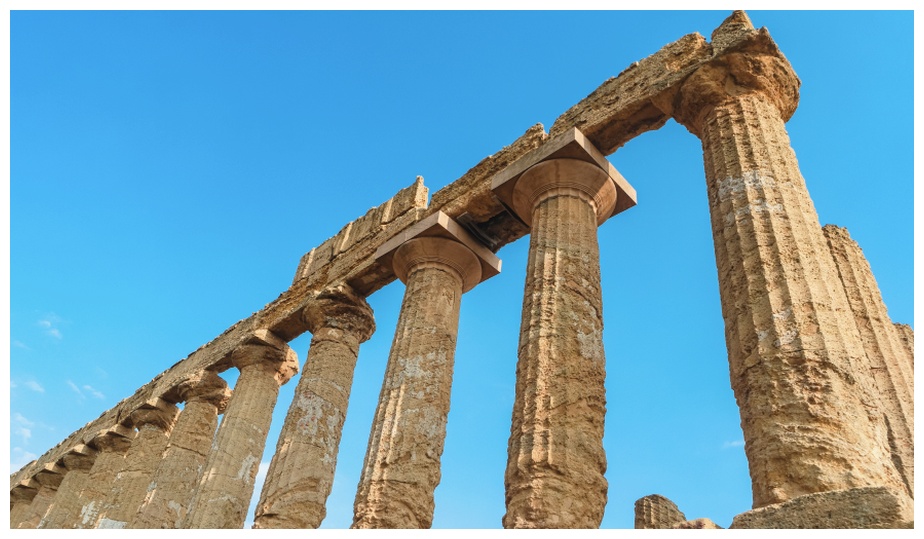
3. It’s hotter than Dutch love.
The phrase “Dutch love” has its roots in the Midwest, where Dutch immigrants began to settle in the mid-19th century. Some suggest the term is ironically used, hinting that Dutch affection might actually be quite cool. Others believe it stems from “Dutch oven,” a durable cast iron pot designed for cooking over open flames. Regardless of its origin, the expression conveys a universal sentiment: it’s incredibly hot where you are!

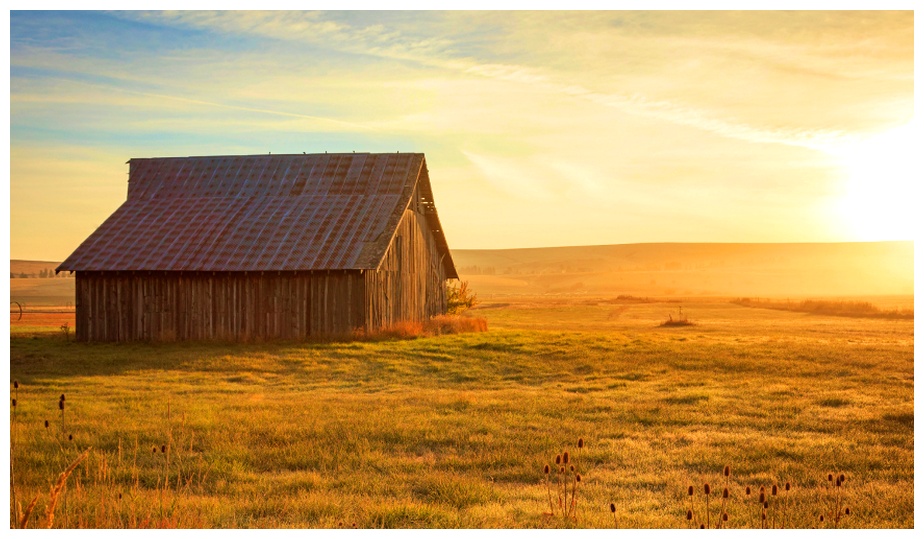
4. It’s a barn burner.
In Southern weather lingo, a “barn burner” refers to an extreme heat wave so intense that striking a match could ignite everything nearby—imagine an entire barn ablaze. This vivid imagery perfectly captures the sweltering temperatures of a scorching day, as the thought of a hay-filled barn engulfed in flames illustrates just how oppressive the heat can feel.
Just a quick heads-up: the term “barn burner” isn’t just for describing intense situations; it often refers to an exhilarating event, such as a nail-biting sports game. So if your American friend uses “barn burner” to describe a basketball game that goes into overtime during the winter, now you’ll know exactly what they mean!
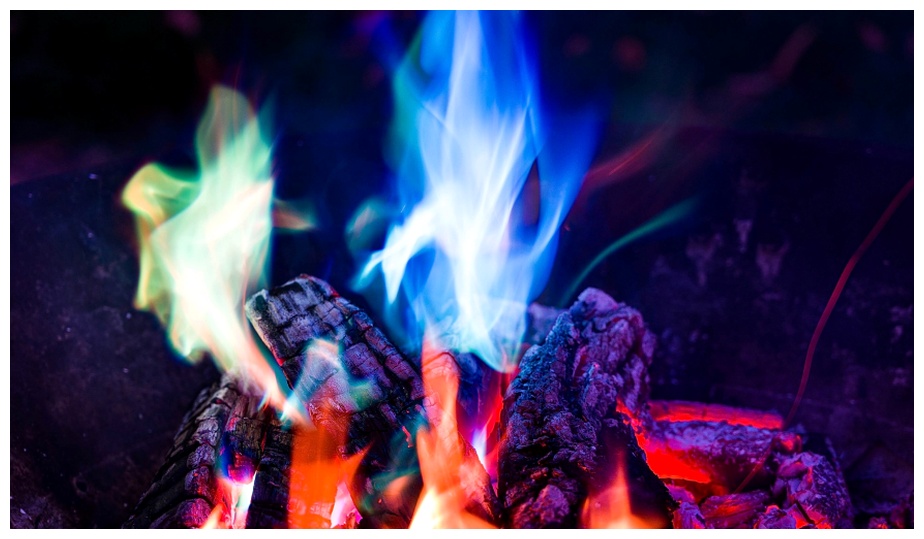
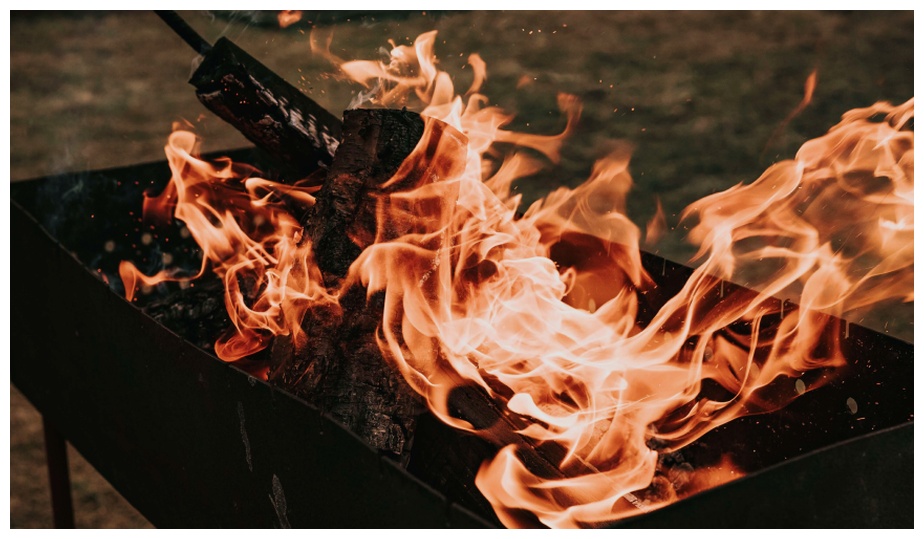
5. It’s hotter than blue blazes.
The color of a flame reveals its temperature: red, orange, yellow, and blue, with blue being the hottest, reaching around 1400℃ (2552℉). Interestingly, the word “blaze” originally described a fierce fire, but since the 19th century, it has also been associated with the “fires of hell.” So, when someone exclaims that a day is “hotter than blue blazes,” they’re expressing that it feels even more intense than the hottest hellfire.
6. It’s hotter than Georgia asphalt.
Georgia holds the title of the fifth warmest state in the U.S., with average summer temperatures hovering around 26℃ (79℉). However, it’s not uncommon for temperatures to soar above 43℃ (110℉), with the record high reaching a blistering 44℃ (112℉) back in 1952. Imagine how scorching the asphalt must become as it bakes under the relentless sun, and it’s clear why this region has its own saying about the heat!
A quick note of caution: the phrase “in the heat” can also imply sexual attraction, as famously portrayed by Laura Dern in the 1990 film *Wild at Heart*. To avoid any misunderstandings, be clear about your intended meaning when using this expression, or you might unintentionally create an awkward situation with your conversation partner.

7. It’s hot enough to scald a lizard.
Lizards, as reptiles, have evolved to thrive in high temperatures by using their environment to regulate their body heat. When they need to warm up, they bask in temperatures between 32°C and 43°C (90°F to 110°F). Desert lizards can even tolerate body temperatures soaring up to 42°C (108°F). Therefore, scorching weather that can burn or scald a cold-blooded lizard is truly oppressive.

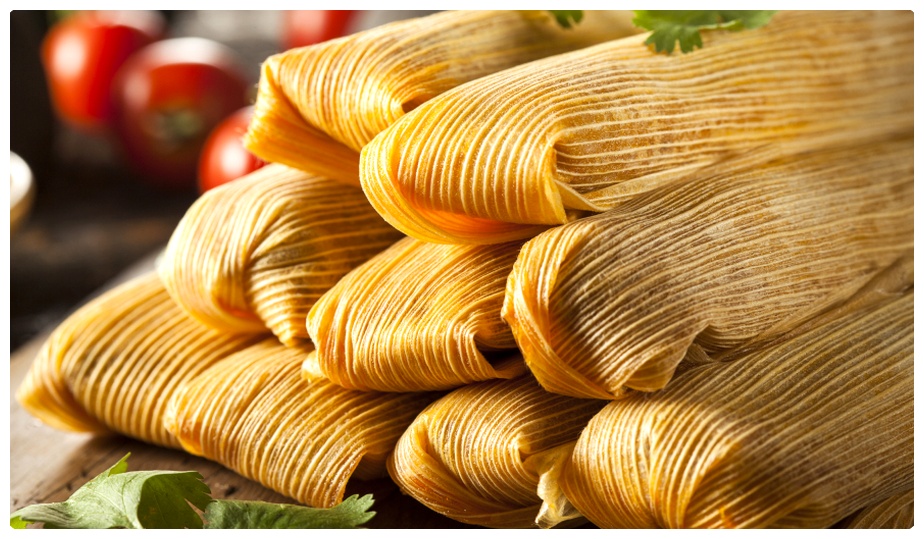
8. It’s hotter than a stolen tamale.
This witty phrase from Texas cleverly uses the word “hot” in three different ways. First, it refers to high temperatures, typical of the sweltering Texas summer. Second, “hot” is slang for items that have been recently stolen, such as cars or jewelry. Lastly, it describes foods with a spicy kick, like tamales or chili peppers. So, when you combine these meanings, you might wonder: is there anything “hotter” than a stolen tamale? Perhaps just a scorching Texas day!
9. She sure is a-beamin’.
The lively heat expression we enjoy today comes from the residents of Silver City, New Mexico. In this phrase, “she” refers to the sun, which is “beamin'” or shining brightly. You might wonder about the “a-” before “beamin’.” This is a charming feature of Southern American English known as a-prefixing, where “a” is added to certain “-ing” verbs. So when the sun is a-beamin’, you can bet you’ll be a-sweatin’!

10. It’s awful selsery.
Hailing from Kaskaskia, Illinois, the peculiar term “selsery” has captured attention, even as it’s often dismissed as mere “nonsense.” Its absence from dictionaries means you’ll spot a squiggly red line whenever you type it. Despite this, “selsery” has gained popularity as a colorful way to describe “intolerably hot” weather, particularly in the South and beyond.
Quick tip: If you’re puzzled by the use of “awful” here, you’re not alone! Many American English speakers often use “awful” informally as an adverb to mean “very” or “extremely.” For example, saying “You’re awful nice” is simply a casual way of saying “You’re very nice.” This differs from its standard meaning as an adjective denoting something terrible or horrendous.

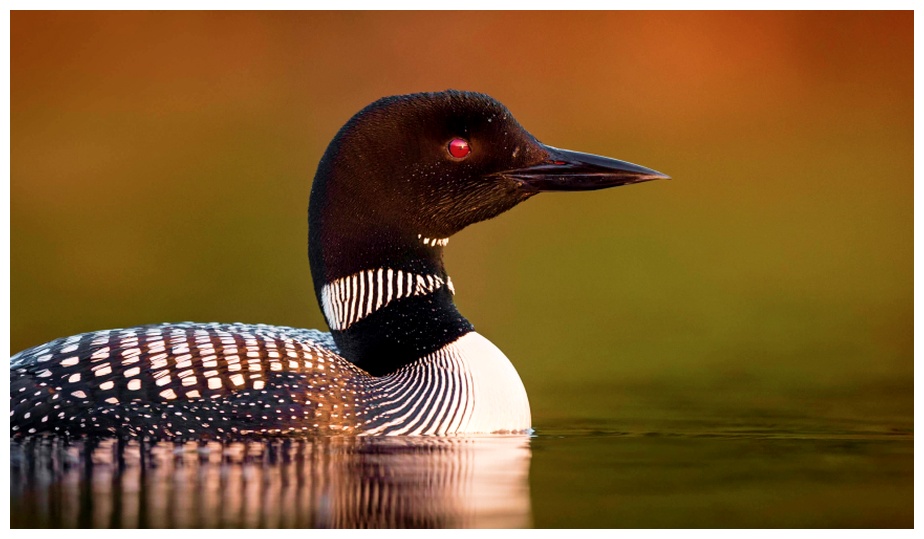
11. It’s hot enough to scald a loon.
Similar to the saying “hot enough to scald a lizard,” this phrase captures an intense heat so extreme that even loons—a type of aquatic bird—would struggle to endure it. Loons typically thrive in lakes, diving underwater to fish for up to five minutes and resting on the water’s surface, only venturing ashore to mate and lay eggs. Therefore, a scorching day that could scald a loon in a boiling lake is truly noteworthy.
12. It’s like the training grounds for down below.
The phrase “the training grounds” in the heat idiom refers to a place where people gear up for a big event or competition, like a track athlete sprinting on the field or Navy Seals practicing drills at a base. The second part, “down below,” serves as a euphemism for hell. Together, this Southern expression vividly conveys the experience of sweltering heat, making you feel as if you are preparing to face the very flames of hell.

13. The bear got him.
This old saying from the 1870s uses a vivid metaphor to illustrate the effects of heatstroke. Here, the “bear” symbolizes the oppressive heat that overwhelms individuals who have been exposed to extreme temperatures for too long or have overexerted themselves. This phrase became a common expression among workers in Georgia’s tobacco fields and gained further popularity from the 1960s novel and film *Cool Hand Luke*, where prisoners on chain gangs would say they got “bear-caught.” Today, hikers face not just the threat of heat but also the actual bears in the wild!

14. It’s a torcher.
It’s easy to see why Midwesterners coined the term “torcher” to describe an unbearably hot day, a phrase that Southerners have since embraced. Traditionally, a torch is simply a wooden stick ignited for light, but advancements have given us blowtorches that unleash intense flames for tasks like welding metal, paving asphalt, or caramelizing crème brûlées. Additionally, the verb “to torch” means to ignite or incinerate something. So, when you hear a day referred to as a “torcher,” it’s a clear signal to turn up the air conditioning and seek refuge from the sweltering heat!

15. It must be 90 in the shade.
When facing scorching hot weather, one of your most effective strategies is to seek refuge in a cool, shaded area—like under a tree or an awning—to shield yourself from the sun’s relentless heat. However, on those blistering days when even the shade feels stifling, with a heat index soaring to 90°F (32°C), you may find that comfort is elusive. Sometimes, it’s not as easy as just finding a spot “made in the shade”!

16. This one’s gonna be a scorcher.
Similar to the term “torcher,” a “scorcher” describes a day marked by intense heat. This word originates from the Old French “escorchier,” which translates to “to strip off the skin.” Ouch! Today, “to scorch” refers to burning or singeing with intense flames. Given the potential harm to our sensitive skin, it’s wise to take precautions on such days—slathering on plenty of sunscreen is a must!
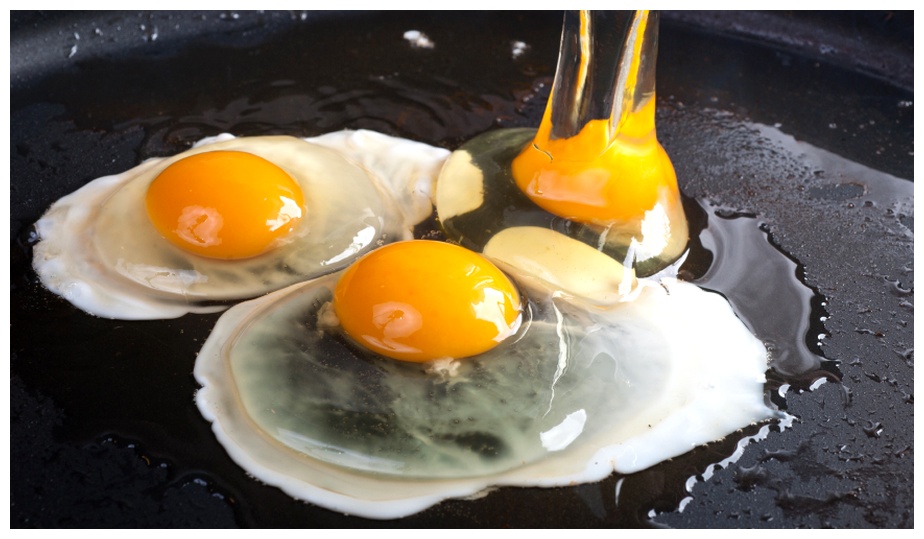
17. It’s so hot you could fry an egg on the sidewalk.
First referenced in a 1899 Atlanta newspaper, the saying suggests that temperatures soar high enough to fry an egg on the pavement. This whimsical idea has become so ingrained in American culture that July 4th is now celebrated as “Sidewalk Egg Frying Day,” and a small town in Arizona even hosts an annual sidewalk egg frying competition. However, this notion is more myth than reality; eggs actually need to reach a temperature of 70℃ (158℉) to cook thoroughly, while sidewalks typically only heat up to about 63℃ (145℉). Fortunately, you probably won’t find yourself needing to cook breakfast on the sidewalk anytime soon!
18. It’s like walking through soup out here.
Here’s another vivid expression that captures the oppressive weight of humidity combined with intense heat. This mix of sweltering temperatures and sticky air can make you feel like you’re wading through a thick, steaming bowl of tomato soup with every step. While soup is often said to be good for the soul, navigating through it is a whole different story!

19. It’s so hot the ice cream truck melted.
One frustrating result of extreme heat is the struggle of devouring an ice cream cone before it melts all over your hand. Now, imagine the scorching temperatures required to turn an entire ice cream truck into a puddle of liquid—this is the kind of heat we’re talking about. If you find it hard to picture this scenario, check out Orwest Keywan’s striking sculpture of a melted ice cream truck on a beach in Sydney, Australia. While this may seem far-fetched, it certainly paints a chilling picture of what severe heat can do.

20. It’s so hot the swimming pool is boiling.
When summer heat becomes unbearable, many seek refuge in refreshing swimming pools. But imagine if that pool turned into a scalding jacuzzi! This bizarre scenario has actually occurred in La Palma, Spain, where lava from a volcano flowed into a private pool, instantly boiling and evaporating the water. While such an event is rare, if you ever hear a Southerner say, “It’s hotter than a sauna,” be ready for some serious heat!


Learn a language with personalised 1-on-1 classes with our expert tutors from all over the world
French lessons online
Spanish lessons online
Final thoughts
Whether likening hot weather to the scorching flames of hell or a bubbling bowl of soup, these colorful Southern expressions create striking imagery. Similar to the insights gained from online English courses, they clearly convey the rich meanings behind the words and the distinct culture they represent.
Methodology
LingualNeeds has delved into Google Search data to explore 54 popular Southern expressions related to the heat. By examining which phrases people search for most frequently, they have ranked these expressions based on their popularity in online searches.
Frequently Asked Questions
What are some popular Southern idioms related to heat?
Some popular Southern idioms related to heat include ‘It’s not the heat — it’s the humidity’, ‘It’s hot as Hades’, and ‘It’s hotter than blue blazes’.
What does the phrase ‘It’s hotter than Dutch love’ mean?
‘It’s hotter than Dutch love’ conveys that it is incredibly hot, with origins linked to Dutch culture and possibly cooking.
How does humidity affect the perception of heat?
Humidity makes it challenging for the body to cool down because sweat doesn’t evaporate effectively, making the heat feel more oppressive.
What is the significance of the term ‘barn burner’?
‘Barn burner’ describes an extreme heat wave or an exciting event, illustrating the intensity of the heat or situation.
Why might someone say ‘It’s so hot you could fry an egg on the sidewalk’?
This phrase suggests that temperatures are so high that they could theoretically cook an egg on the pavement, although it’s more myth than reality.