- Types of English accents (from England)
- The King’s English
- Cockney accent
- Brummie accent
- Scouse accent
- West Country accent
- Mancunian accent
- Geordie accent
- Yorkshire accent
- British accents
- Welsh accent
- Scottish accent
- Northern Irish accent
- Non-British English accents
- American accent
- Australian accent
- Canadian accent
- Indian accent
- South African accent
- Irish accent
- Singaporean accent
- Nigerian accent
- One language, many cultures
- Frequently Asked Questions
- What is the most widely spoken second language in the world?
- What is Received Pronunciation (RP)?
- What are some characteristics of the Cockney accent?
- How does the Geordie accent differ from other English accents?
- What influences the Singaporean accent in English?
English stands out as the world’s most widely spoken second language, boasting over 1.3 billion speakers globally. Isn’t that remarkable?
With hundreds of millions of native English speakers worldwide, it’s no surprise that 39% of countries recognize English as an official language. This diversity gives rise to a fascinating array of English accents. While some are clear and easy to follow, others can be as puzzling as trying to assemble IKEA furniture without the instruction manual!
In this article, we’ll explore some of the most distinctive English accents, providing examples to help you recognize and understand them better the next time you encounter these diverse sounds.
Types of English accents (from England)
In reality, there are likely as many English accents as there are English speakers! Your accent can reveal a lot about you, including your hometown, educational background, and even your taste in movies. Let’s explore some of the most fascinating accents you might encounter.
The King’s English
Commonly referred to as Received Pronunciation (RP), this is the distinctive English accent you might encounter during a formal tea with a member of the Royal Family. Often linked to the upper classes, the BBC, and the period dramas you’ve enjoyed on Netflix, RP conveys a sense of tradition and prestige in British culture.
It’s worth noting that fewer than 3% of Brits actually speak in this manner. If you’re trying to adopt this style, be prepared to come across more like a character from “Downton Abbey” than an everyday person you’ll encounter.

Note: The man speaking at the start of this scene does not use Received Pronunciation
Cockney accent
Explore East London, and you might encounter the distinctive Cockney accent, a vibrant working-class dialect rich with rhyming slang that can puzzle even the most seasoned listener. For instance, locals might say they’re heading up the “apples and pears” (stairs) or taking a “butcher’s hook” (look). It feels like a playful secret language! If you can decipher it, you just might earn yourself a pint in appreciation.
A prime illustration of the Cockney accent can be found in the iconic television series “Only Fools and Horses.” For those eager to dive into the world of Cockney slang, watching clips from this beloved British comedy is a fantastic way to start!

Brummie accent
The Brummie accent from Birmingham boasts a distinctive charm that captivates many. If you’ve watched the acclaimed crime series “Peaky Blinders,” you’re likely familiar with its rich and recognizable sound.
If you encounter a Brummie, don’t be surprised if they greet you with a friendly “Alright, Bab?”—essentially saying, “Hello, mate!” This warm welcome may quickly be followed by a request for “some shrapnel for a cob,” which translates to asking for a bit of money to buy a bread roll.
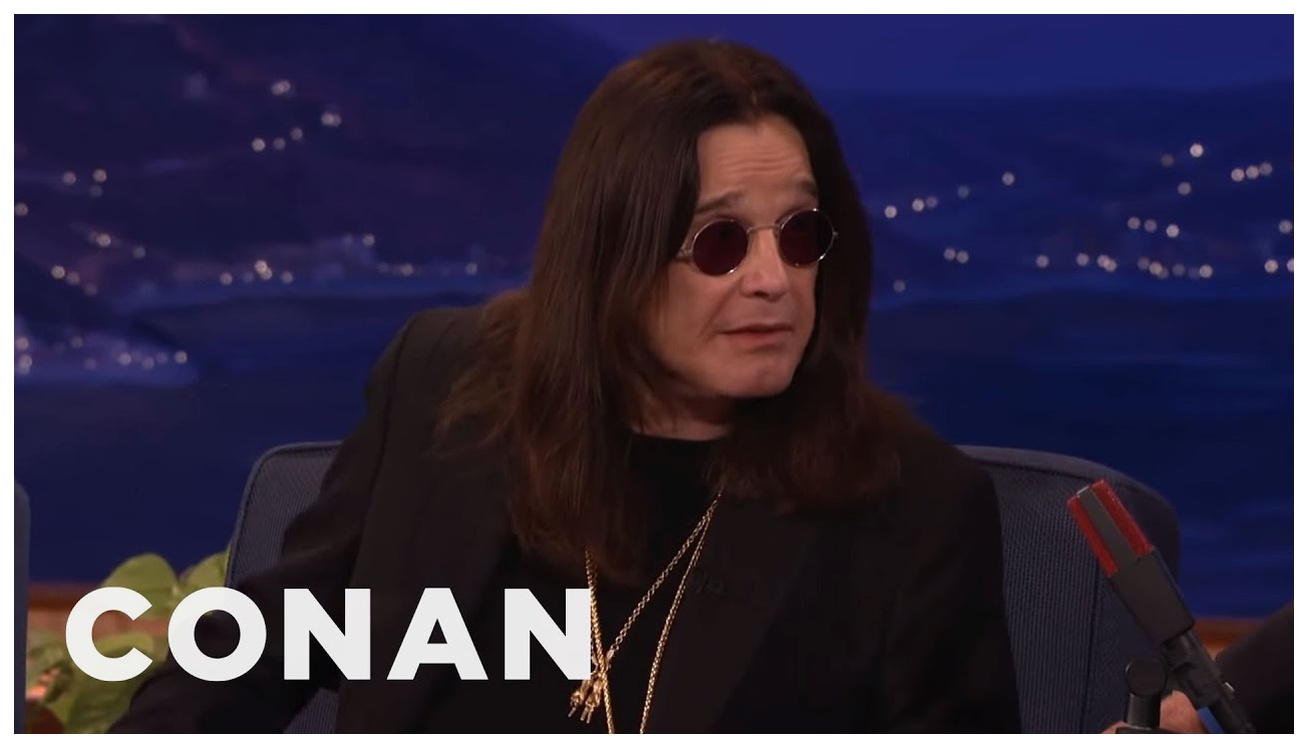
Undoubtedly the most famous and notably hard-to-understand Brummie has to be the Prince of Darkness himself, Ozzy Osbourne.
Scouse accent
The Scouse accent, hailing from Liverpool, stands out as one of England’s most recognizable dialects. Its rapid tempo and high pitch create a captivating sound that’s hard to forget. Among the most celebrated Scousers are The Beatles, the iconic band that originated in Liverpool. Check out this interview from their early days to hear the unique accent in action:

West Country accent
Next, let’s journey south to the enchanting counties of Devon, Somerset, and Cornwall, where the distinctive West Country accent awaits. This accent is celebrated for its melodic, rhotic sound—imagine a pirate exclaiming “arrr!” You might recognize the playful phrase “ooh arr, me ‘earties,” which perfectly captures the spirit of this charming dialect!

Mancunian accent
In Manchester, the Mancunian accent stands out with its distinctive short vowels and the occasional dropping of the ‘h’ sound. For instance, while waiting for a bus, you might hear someone ask if this is the stop for the “‘ospital.” The iconic Gallagher brothers from the legendary British rock band Oasis are among the most famous voices sporting this accent. Here’s Liam Gallagher sharing his experience of being introduced to music by ‘our kid,’ his brother Noel.

Geordie accent
The Geordie accent, hailing from Newcastle, is one of the most distinctive and beloved accents in Britain. Visitors might find themselves immersed in a whole new version of English, as Geordies have their own unique vocabulary and pronunciation. While it can be challenging to understand at times, the charm of the accent is undeniable. It’s famously showcased by the popular British presenting duo, Ant and Dec, who embody the spirit of Geordie culture.

Yorkshire accent
The Yorkshire accent, much like the region’s culture, embodies a refreshing straightforwardness. You’ll often hear locals say “reet” in place of “right” or “tha” instead of “the.” This distinctive speech is as robust and satisfying as a traditional Yorkshire pudding!
Yorkshire, the largest county in England, boasts a rich tapestry of cities and towns, each with its unique accent. A notable example comes from Jane MacDonald, a talented TV presenter and singer hailing from Wakefield in West Yorkshire, showcasing the region’s distinctive vocal charm.

British accents
British accents encompass the diverse ways of speaking found throughout the United Kingdom—spanning England, Scotland, Wales, and Northern Ireland. Each region is home to distinct dialects and accents, each with its own charm and characteristics. Join us as we explore these fascinating variations and highlight some notable examples!
Welsh accent
As we cross into Wales, we are greeted by the charming Welsh accent. Heavily influenced by the Welsh language, this accent features a delightful sing-song quality, characterized by a unique intonation that often makes statements sound like questions. It’s a captivating reminder of the rich cultural heritage that shapes the way the Welsh communicate.
To truly immerse yourself in this vibrant twist on the English language, dive into a couple of episodes of the beloved TV series “Gavin and Stacey.” It’s a delightful journey that showcases the charm and humor of its unique dialogue.

Scottish accent
Head north to Scotland, and you’ll discover a fascinating linguistic landscape. Scottish accents primarily fall into two categories: Highland and Lowland, each offering its unique charm. Lowland accents, such as Glaswegian, are marked by vibrant, rolling r’s and softer vowel sounds, creating a captivating auditory experience.
Highland English boasts a charming musicality, often featuring an ‘ay’ sound at the end of words, so “yes” may be pronounced as “yesh.” However, be prepared for a quicker pace of speech as you venture further north!
A prime illustration of this emphasis on cinematic flair is Sir Sean Connery, who captivated audiences as James Bond in iconic films like *Goldfinger* (1964) and *From Russia With Love* (1963). In a revealing interview from 1997, he shares insights into his legendary role.

Northern Irish accent
Finally, let’s journey across the Irish Sea to Northern Ireland, where the local accent, affectionately known as ‘Norn Iron,’ captivates listeners. Characterized by its elongated vowel sounds and distinctive intonation, this accent has earned the title of the sexiest in the UK, making it a truly intriguing aspect of Northern Irish culture.
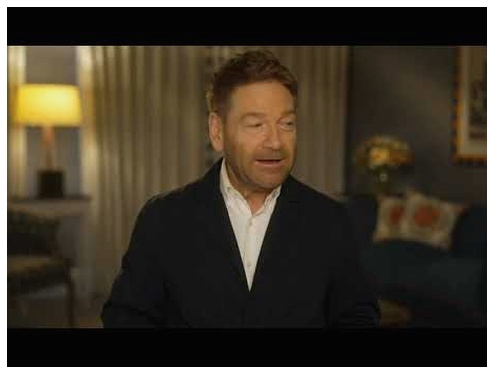
Here’s an example of actor Kenneth Branagh speaking in a Belfast accent, which is the capital of Northern Ireland:
Non-British English accents
English has become a global language, developing a rich tapestry of accents in various countries beyond the United Kingdom. Let’s dive into some of the most distinctive non-British English accents from around the world:
American accent
The American accent stands out as one of the most recognizable and impactful accents globally. It boasts a rich tapestry of regional variations, including the charming Southern drawl, the distinctive New York twang, and the laid-back Californian vibe, each adding its own unique flavor to the linguistic landscape.
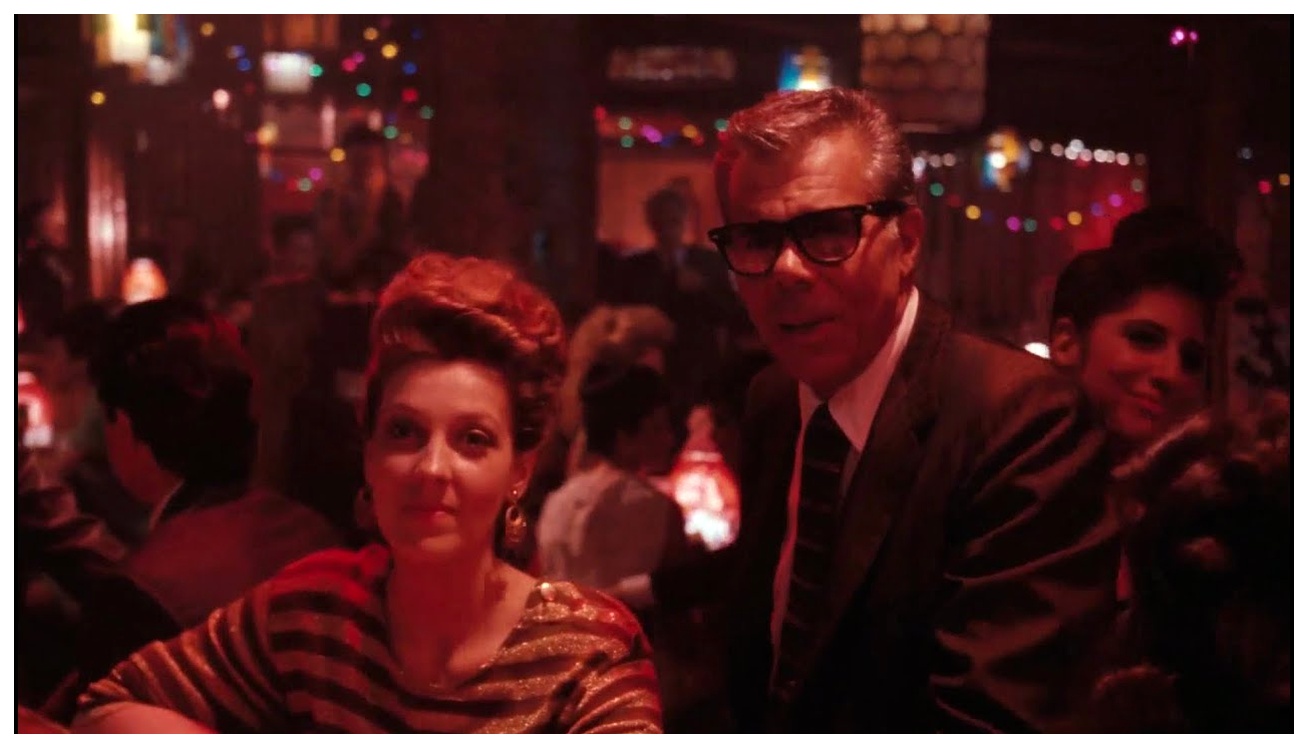
The American accent features unique pronunciation and intonation that set it apart. One striking example is the Southern accent, famously portrayed in films like “Gone with the Wind.” Another is the New York accent, prominently featured in movies such as “Goodfellas.”
Australian accent
In Australia, you’ll discover the captivating Australian accent, known for its distinctive vowel sounds—like turning “i” into “oi” and dropping the “r” at the end of words. A prime example of this accent can be heard from the legendary actor Hugh Jackman, famous for his memorable roles, including Wolverine in the “X-Men” series.

Canadian accent
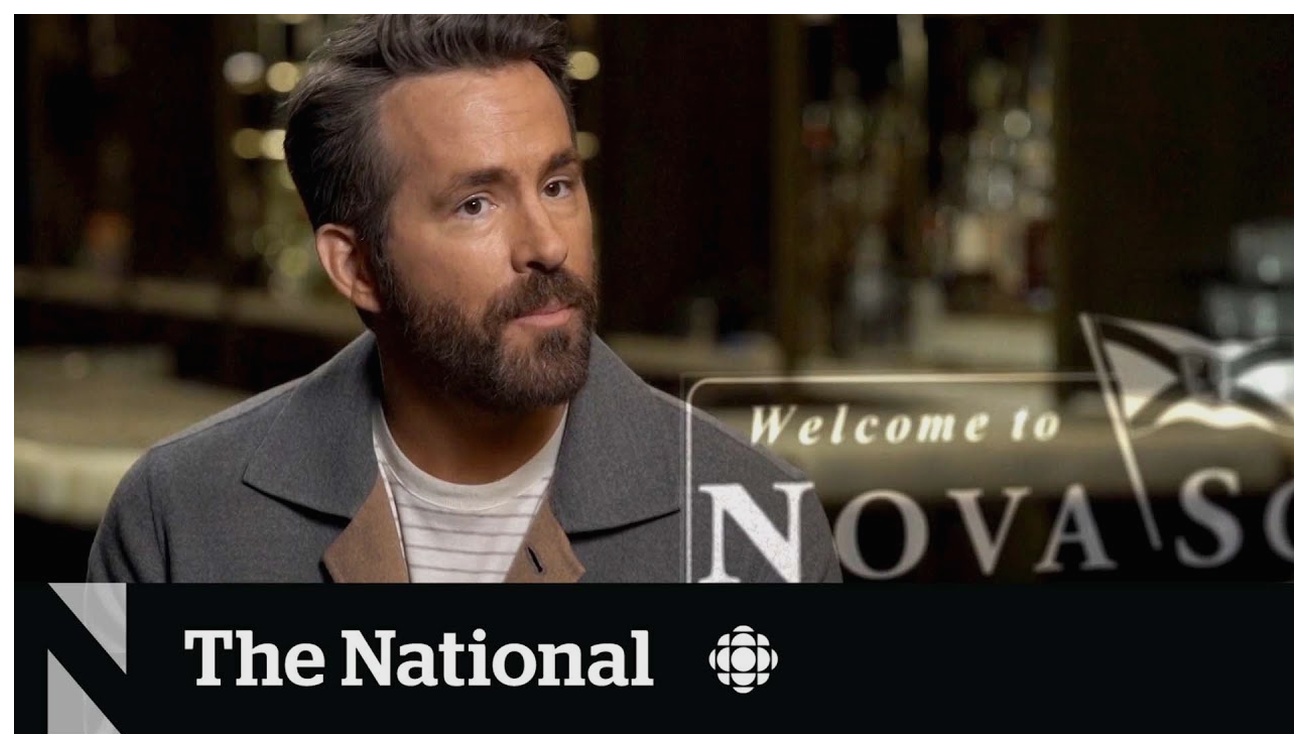
Canadian English is a fascinating mix of British and American influences, creating a distinctive accent all its own. In certain regions, you might hear echoes of American pronunciation, while in others, a hint of British intonation may emerge. A prime example of this unique Canadian accent can be found in the voice of renowned actor Ryan Reynolds.
Indian accent
In India, a large segment of the population speaks English, giving rise to a unique Indian accent. This accent stands out due to its distinctive rhythm, intonation, and pronunciation, all shaped by the country’s diverse regional languages.
The Indian accent showcases the rich diversity of languages and cultures found throughout the country. A great example can be heard in the interviews of cricket icon Virat Kohli, where his unique accent reflects this vibrant tapestry.

South African accent
South African English is a vibrant blend of influences from multiple languages, notably Afrikaans and various indigenous African tongues. This rich linguistic tapestry gives rise to distinct vowel sounds and pronunciation styles. A prime example of this accent in action is South African golfer Ernie Els, who highlights its unique characteristics in his interviews.

Irish accent
As we journey across the Irish Sea, we encounter the enchanting Irish accent. Irish English stands out with its unique intonation patterns, distinctive vowel sounds, and special words or phrases that set it apart from other English dialects.
Ireland is home to a rich tapestry of regional accents, including the distinct Dublin and Cork accents. Notable actors like Colin Farrell and Saoirse Ronan showcase these unique Irish accents in their performances, bringing a taste of Ireland’s linguistic diversity to the screen.

Singaporean accent
In the vibrant, multicultural landscape of Singapore, English stands out as one of the official languages, enriched by a distinctive accent shaped by the nation’s linguistic diversity. This unique Singaporean accent is a fascinating fusion, incorporating influences from Chinese, Malay, Indian, and various local dialects, reflecting the country’s rich cultural tapestry.
The Singaporean accent stands out due to its distinctive pronunciation and intonation patterns. A notable example of this accent can be heard in the speech of prominent Singaporean politician and diplomat Kishore Mahbubani.

Nigerian accent
Nigeria boasts a vibrant tapestry of languages, which shapes its unique English accent. This accent, influenced by a variety of indigenous tongues, features distinctive pronunciation and intonation patterns. Interestingly, it can differ significantly from one region to another, reflecting the country’s rich cultural diversity.
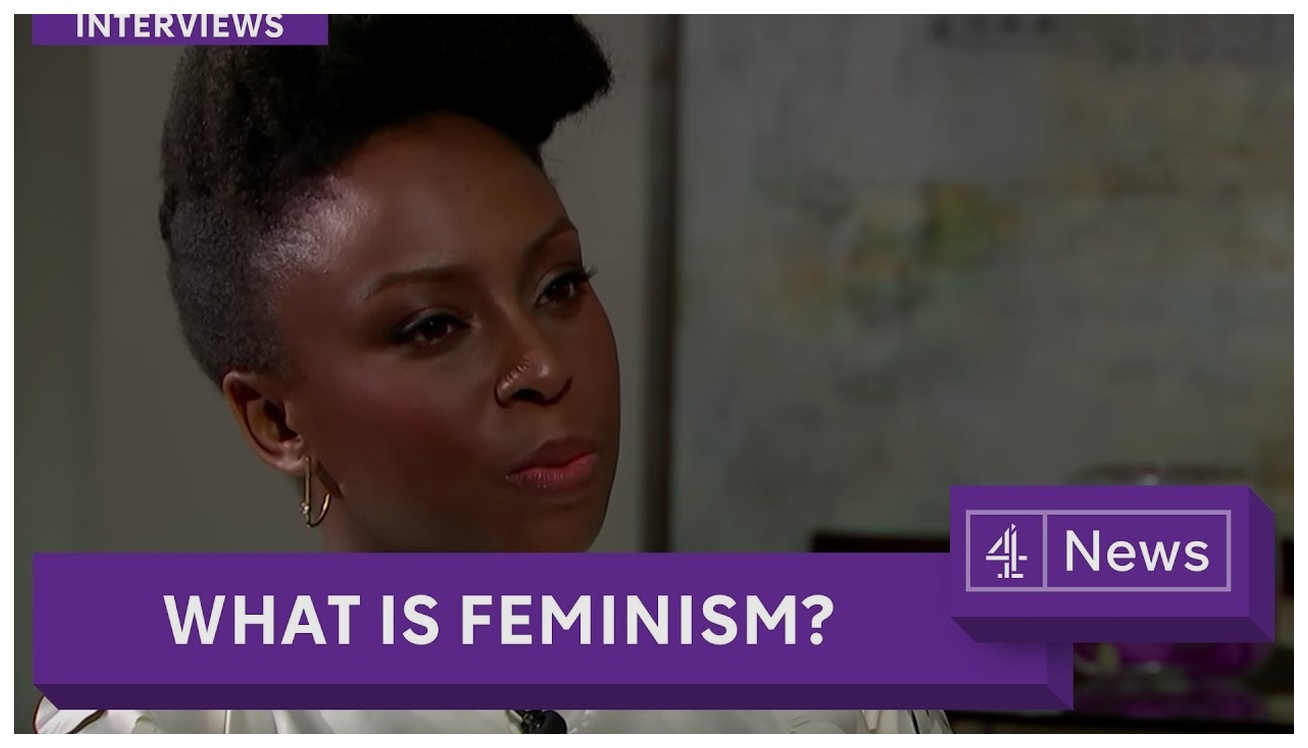
Nigerian author Chimamanda Ngozi Adichie, celebrated for her acclaimed novel “Half of a Yellow Sun,” showcases a captivating Nigerian accent in this interview. Tune in to experience her unique voice and perspective!
One language, many cultures
Our global exploration of the English language reveals its remarkable diversity and adaptability. From the refined tones of the Queen’s English to the unique Aussie twang, it’s fascinating to see how regional variations influence the way we communicate in English.
Accents go beyond mere pronunciation or distinctive words; they embody the vibrant diversity and cultural heritage of different regions. Each accent tells a story, showcasing the unique history of its locale. This living, evolving nature of language mirrors the dynamic lives of the people who use it, reminding us of the richness found in our shared communication.
Whether you’re at a lively London pub unraveling the nuances of Cockney rhyming slang or savoring delicious Jollof rice with your Nigerian friends, keep in mind that communication goes beyond just words—it’s all about the delivery and the cultural context behind your expressions.
Frequently Asked Questions
What is the most widely spoken second language in the world?
English stands out as the world’s most widely spoken second language, boasting over 1.3 billion speakers globally.
What is Received Pronunciation (RP)?
Commonly referred to as The King’s English, RP is a distinctive English accent often linked to the upper classes and the BBC.
What are some characteristics of the Cockney accent?
The Cockney accent is a vibrant working-class dialect rich with rhyming slang, such as saying ‘apples and pears’ for ‘stairs’.
How does the Geordie accent differ from other English accents?
The Geordie accent, hailing from Newcastle, is known for its unique vocabulary and pronunciation, making it one of the most distinctive accents in Britain.
What influences the Singaporean accent in English?
The Singaporean accent is shaped by the country’s linguistic diversity, incorporating influences from Chinese, Malay, Indian, and various local dialects.