- Winter holidays around the world
- Hannukah
- Kwanzaa
- St. Lucia Day
- Winter Solstice
- Fiesta de Guadalupe
- Frequently Asked Questions
- What is the significance of Hanukkah?
- How is Kwanzaa celebrated?
- What traditions are associated with St. Lucia Day?
- What does the Winter Solstice symbolize?
- Why is the Fiesta de Guadalupe important?
Across the globe, the winter holiday season brings a delightful blend of relaxation, warm meals, and bustling gift shopping for those we cherish. It’s a cherished time filled with the warmth of family, the joy of friendship, and the spirit of celebration.
As we celebrate the season, it’s easy to assume that everyone celebrates the same way we do.
Holiday traditions worldwide share many similarities, reflecting the blending of cultures in our interconnected society. However, they also showcase a vibrant diversity, with both age-old customs and modern celebrations adding unique flavors to our festive experiences.
Today, our relationships extend across continents and cultures. As we engage with individuals both in our communities and online, it’s essential to discover how diverse cultures celebrate the season.
In doing so, we become more open and human.
As the season unfolds, its significance deepens and becomes more vibrant by embracing diverse cultures and traditions. Exploring these differences not only brings us closer together but also opens up exciting opportunities for real-life lessons in geography, culture, history, and religion.
Winter holidays around the world
In the northern hemisphere, the holiday season coincides with the winter solstice, marking the shortest days and longest nights of the year. This unique time inspires many celebrations centered around the themes of sharing light and warmth, bringing joy and togetherness during the darkest days.
Join us as we explore vibrant winter festivals that illuminate the season in delightful ways. We’ll delve into their fascinating traditions and discover the joyful phrases that resonate during these celebrations. May this journey spark inspiration for deeper conversations and newfound knowledge!
Hannukah

Hanukkah is an eight-day winter festival of lights celebrated by the Jewish community. This vibrant holiday commemorates the rededication of the Holy Temple and the miracle of its menorah, which burned for eight days on just a single day’s worth of oil. The name “Hanukkah” itself translates to “dedication,” reflecting its significance.
To wish someone a Happy Hanukkah, say, “Hanukkah Sameach!” (Happy Hanukkah) or simply “Chag Sameach!” (Happy Holiday).
Kwanzaa

Kwanzaa is a vibrant celebration of African American culture, observed from December 26 to January 1. The name “Kwanzaa” is derived from the Swahili phrase “matunda ya kwanza,” meaning “first fruits.” Central to the festivities is the akinala, a seven-branched candle holder that symbolizes the holiday’s seven core principles, illuminating the spirit of unity and community throughout the week-long observance.
To wish someone a Happy Kwanzaa, say “Habari gani.”
St. Lucia Day

On December 13, Swedish girls celebrate St. Lucia Day by transforming into “Lucia brides.” Dressed in flowing white gowns adorned with red sashes and crowned with a wreath of glowing candles, they awaken their families with cheerful songs. To add to the festive spirit, they serve coffee and delicious twisted saffron buns known as “Lussekatter.” This beautiful tradition honors the legacy of a third-century saint and brings warmth and light to the winter season.
Winter Solstice
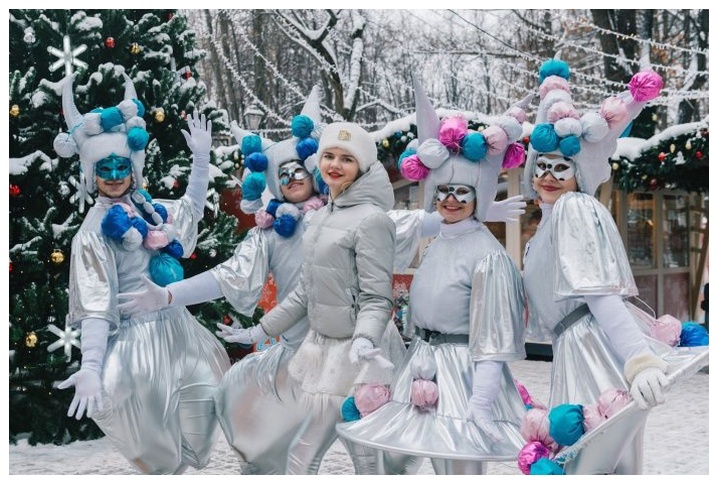
The Winter Solstice, happening around December 21, marks the shortest day of the year. Across the globe, communities come together to celebrate this moment with vibrant festivals and traditions. Historically, people lit bonfires and candles on this day to encourage the return of the sun, symbolizing hope and renewal.
Today, countless individuals celebrate the enchanting beauty of winter by recognizing the winter solstice as a festive occasion, transcending religious boundaries.
Fiesta de Guadalupe

Each year on December 12, the feast day of Our Lady of Guadalupe, or the Virgin of Guadalupe, is celebrated with great reverence. For Mexicans, Mexican-Americans, and many other Latinos, she embodies deep devotion, cultural identity, and a sense of national pride, making her a significant figure in their heritage.
Every year on December 12, millions flock to the Virgin of Guadalupe shrine in Mexico City to celebrate her feast day, honoring a beloved symbol of faith and culture.
Are there festivities that we’ve missed mentioning in this article? Please share how you celebrate in the comments!
Frequently Asked Questions
What is the significance of Hanukkah?
Hanukkah is an eight-day winter festival of lights celebrated by the Jewish community, commemorating the rededication of the Holy Temple and the miracle of its menorah.
How is Kwanzaa celebrated?
Kwanzaa is celebrated from December 26 to January 1, focusing on African American culture, with the akinala candle holder symbolizing the seven core principles.
What traditions are associated with St. Lucia Day?
On St. Lucia Day, Swedish girls dress in white gowns with red sashes and serve coffee and saffron buns, awakening their families with songs.
What does the Winter Solstice symbolize?
The Winter Solstice, marking the shortest day of the year, symbolizes hope and renewal, with communities celebrating through bonfires and candles.
Why is the Fiesta de Guadalupe important?
The Fiesta de Guadalupe is significant for Mexicans and many Latinos as it honors the Virgin of Guadalupe, representing deep devotion, cultural identity, and national pride.