- Key findings
- Americans’ favorite new words
- The most useful new vocabulary
- The new words Americans hate
- What Americans think about new political terms
- Conclusion
- Frequently Asked Questions
- What are some of the most popular new words among Americans?
- Which new words are considered least useful by Americans?
- How do different age groups view new vocabulary?
- What political terms do Republicans and Democrats find irritating?
- How did the survey gather opinions on new words?
It’s a common scenario: someone drops a word you’re unfamiliar with, prompting you to quickly Google it or check Urban Dictionary for its meaning. The English language is always evolving, and to keep pace, Dictionary.com has introduced more than 200 new words in just the past year.
Curious about the appeal of newly coined words, we set out to discover which ones resonate most with people, which they intend to incorporate into their vocabulary, and which ones they find off-putting. To gather insights, we surveyed more than 1,000 individuals across the U.S., asking them to evaluate 33 newly added dictionary words alongside 23 social justice terms.
Key findings
- Americans’ favorite (and most functional) new words are “gameplay,” “side hustle” and “content warning.”
- The most hated additions are “misper,” “cheeseparing” and “zaddy.”
- Baby Boomers and Gen X appreciate terms like “NFT” and “metaverse,” but dislike Millennial and Gen Z slang such as “snack” and “throuple.”
- Republicans are most annoyed by terms like “nonbinary” and “white privilege,” while “minor-attracted persons” bothers Democrats.

Learn a language with personalised 1-on-1 classes with our expert tutors from all over the world
French lessons online
Spanish lessons online
Americans’ favorite new words
These terms and phrases aren’t just euphemisms anymore — they’re dictionary official. Americans’ top five favorite dictionary additions from the past year are:
- Gameplay
- Side hustle
- Content warning
- Y’all
- Silver fox
Terms like “side hustle” (a job that generates extra income), “y’all” (you all), and “content warning” (a notice that content may be distressing) are widely embraced. However, preferences can vary based on gender and age. For instance, 90% of men appreciate “gameplay,” referring to player experiences in video games, while 80% of women are drawn to the term “silver fox,” describing an attractive older man with gray or silver hair.

Absolutely! According to our survey, 4 out of 5 Baby Boomers appreciate the rise of “chair yoga.” Interestingly, it also indicates that older Americans are becoming more engaged with the evolving internet culture and its unique language.
- 7 in 10 Boomers and Gen Xers like “metaverse” (the shared, immersive digital world) compared to 61% of younger Americans.
- Just over half of older Americans also said they like “NFT” (a nonfungible token) compared to 44% of younger folks.
- 42% of the older generation even like “manosphere” (a network of masculine websites, blogs and forums) versus 35% of their younger counterparts.
In contrast, Millennials and Gen Z are drawn to fresh vocabulary that captures the subtle complexities of contemporary social interactions:
- Nearly two-thirds of younger Americans support “deplatforming” (restricting individuals from sharing content on social media), compared to around half of older Americans.
- Almost 2 in 5 also like “translanguaging” (the integrated use of all language systems a person speaks), compared to 29% of older Americans.
While Baby Boomers may prefer the term “silver fox,” younger Americans lean toward more playful and modern slang. A striking 71% embrace the term “snack” to describe someone who is physically attractive, while 55% use “throuple” to refer to a three-person relationship. Additionally, 40% are fond of “zaddy,” which denotes a stylish, charming, and confident man.
The most useful new vocabulary
Interestingly, the words that capture people’s attention aren’t always the ones they incorporate into their daily conversations. We surveyed our respondents to discover which words they find most useful and which they consider less valuable.
We found Americans think the five most useful new words are:
- Side hustle
- Content warning
- Gameplay
- Trigger
- Megadrought
Americans largely view new vocabulary related to virtual life as valuable. Almost 90% believe that the term “gameplay” enhances the dictionary, while 70% find “metaverse” to be a useful addition. Additionally, around two-thirds of respondents consider “memeify” and “deplatform” to be significant terms as well.
Many Americans believe that words reflecting today’s sociopolitical landscape should be included in the dictionary. In fact, 90% of respondents consider “content warning” a valuable term, while 80% find the word “trigger”—which refers to something that reminds someone of trauma and leads to a negative response—equally important.
Four out of five Americans believe that the term “megadrought,” which refers to a severe drought lasting over 20 years, is a valuable addition to our vocabulary. This perspective is likely to gain traction as climate change continues to reshape weather patterns across the country.

Then you have the more obscure additions. Americans said the five least useful new words are:
- Cheeseparing
- Misper
- Zaddy
- Zeitgeisty
- Translanguaging
The terms “cheesparing,” which refers to being frugal or stingy, and “misper,” meaning a missing person, have been deemed unhelpful by roughly 75% of Americans. These words rank among the least useful in everyday language.
While terms like “zaddy” and “translanguaging” have gained traction among younger generations, most Americans don’t anticipate using them frequently. Additionally, many consider the term “zeitgeisty,” which refers to the prevailing mood or ideas of a particular time, to be quite unnecessary.
Learn a language online with our free learning materials.
Learn English online
Learn French online
The new words Americans hate
Americans often come across words they find unhelpful, but surprisingly, many of these are also new terms they dislike. In fact, our research reveals that the five new words Americans most detest are often the same as those they deem unnecessary:
- Misper
- Cheeseparing
- Zaddy
- Translanguaging
- Heteropatriarchy
The term “heteropatriarchy,” which refers to a societal structure predominantly led by heterosexual men and marked by bias against LGBTQ+ individuals and women, has risen to prominence, surpassing the previously favored term “zeitgeisty.” Notably, 63% of Americans express disapproval of this new term. Furthermore, men are more likely to be offended by it, with 72% voicing their discontent compared to 56% of women.

Many older Americans find certain new words more troubling than their younger counterparts. In fact, nearly 70% express dislike for terms like “zaddy,” “heteropatriarchy,” and “translanguaging.” Additionally, over 60% of older individuals are not fond of “throuple,” while half have a strong aversion to “snack.”
What Americans think about new political terms
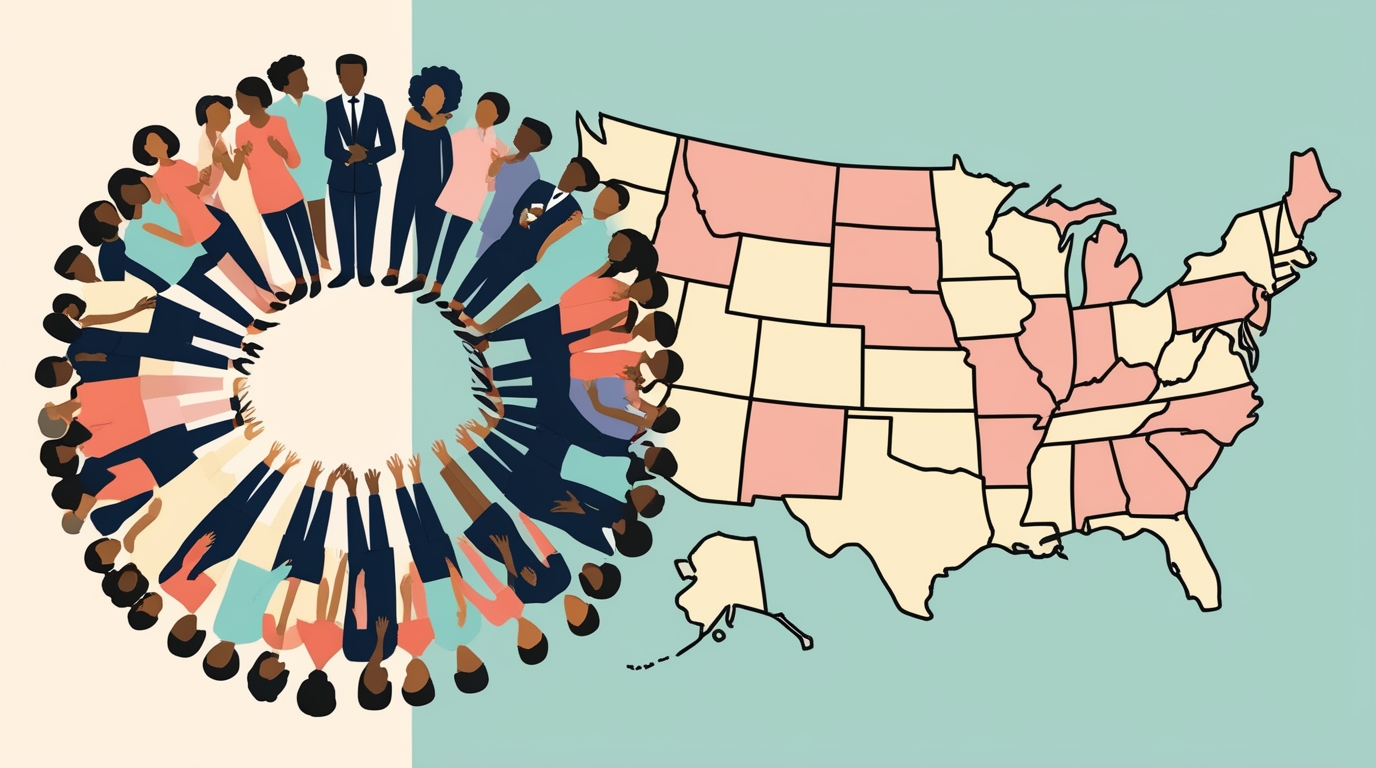
Language is constantly evolving, reflecting the changes in our society. Just as workplace jargon and personal slang come and go, our discussions about people and politics also transform. To explore this phenomenon, we surveyed Americans across various political affiliations about 23 specific political terms, asking them to identify which ones they find most irritating in everyday conversation.
Our research reveals that Republicans are particularly sensitive to newer gender and race-related terminology. For instance, a striking 70% expressed annoyance at the term “nonbinary.” In contrast, more established terms like “equity” and “discrimination” evoke far less controversy among this group.

Democrats showed greater acceptance of various social justice terminology; however, 45% expressed irritation towards the term “minor-attracted persons,” referring to individuals attracted to minors or those below the legal age of consent.
Conclusion
Many of the newest and most beloved words among Americans are not only trendy but also highly practical. Terms like “metaverse” capture emerging concepts, while phrases such as “content warning” reflect important social dialogues. While younger generations often embrace fresh slang like “throuple,” older Americans are also adapting and staying current with the evolving landscape of internet culture.
Whether you’re currently studying English or not, enhancing your vocabulary is always beneficial—there’s so much to discover! Challenge yourself with LingualNeeds’ vocabulary tool available at home or on the go through our mobile app. You can also expand your vocabulary in real-time during your tutoring sessions.
Methodology: Between May 18 and 19, 2022, we conducted a survey of 1,012 Americans to explore their views on new entries in dictionary.com and various social justice terms. Our sample included 48% women, 49% men, and 2% nonbinary individuals, with an average respondent age of 39.
We examined the political party affiliations of our respondents, revealing that 49% identified as Democrats, 15% as Republicans, 30% as Independents, and 6% as belonging to other parties.
Frequently Asked Questions
What are some of the most popular new words among Americans?
Americans’ favorite new words include ‘gameplay,’ ‘side hustle,’ ‘content warning,’ ‘y’all,’ and ‘silver fox.’
Which new words are considered least useful by Americans?
The least useful new words according to Americans are ‘cheeseparing,’ ‘misper,’ ‘zaddy,’ ‘zeitgeisty,’ and ‘translanguaging.’
How do different age groups view new vocabulary?
Baby Boomers and Gen X tend to appreciate terms like ‘NFT’ and ‘metaverse,’ while Millennials and Gen Z favor slang like ‘snack’ and ‘throuple.’
What political terms do Republicans and Democrats find irritating?
Republicans are annoyed by terms like ‘nonbinary’ and ‘white privilege,’ while Democrats express irritation towards ‘minor-attracted persons.’
How did the survey gather opinions on new words?
The survey gathered insights from over 1,000 individuals across the U.S., asking them to evaluate 33 newly added dictionary words alongside 23 social justice terms.