- Old Norse
- French
- Japanese
- Chinese
- Persian
- Russian
- Spanish
- Italian
- German
- Frequently Asked Questions
- What is the significance of Old Norse in the English language?
- How many words were introduced into English during the Norman occupation?
- What percentage of English vocabulary is derived from French?
- Which languages have contributed words to the English language?
- What are some examples of words borrowed from Italian?
Many believe that the English language contains only a handful of truly native words, with the majority being borrowed from other languages. But is this claim accurate? Let’s explore the fascinating origins of English vocabulary.
Languages are dynamic entities that evolve and transform over time. They are deeply connected to various cultures, constantly shaped by their interactions. As a result, new words emerge while others fade into obscurity.
Determining an exact date for when a language evolves is challenging, making it tough to trace the origins of specific words. Interestingly, the emergence of words in English often isn’t linked to significant battles or historic events that introduced new rulers or cultures to English-speaking regions.
Certain historical dates mark the ascension of new rulers, often sparking significant changes in language and culture. A prime example is Queen Elizabeth I, whose passion for the theater catalyzed a flourishing of English drama during her reign. This vibrant era not only enriched the language but also laid the groundwork for the remarkable works of playwrights like Shakespeare.
William Shakespeare, widely regarded as the most renowned English writer, is celebrated for enriching the English language with approximately 1,700 original words, phrases, and expressions. His creative contributions have left a lasting impact on literature and everyday communication.
Even in the absence of major events that connect two countries and their languages, numerous opportunities for interaction still exist. In today’s global economy and international marketplace, the avenues for engagement are more abundant than ever.
English has adopted many words from Japanese, Russian, Italian, German, French, Chinese, Spanish, and even Persian.
But let’s start at the very beginning.
Old Norse
No discussion of contemporary English would be complete without acknowledging the significant impact of Old Norse. This ancient Scandinavian language contributed numerous words that were integrated into what we now recognize as Old English.
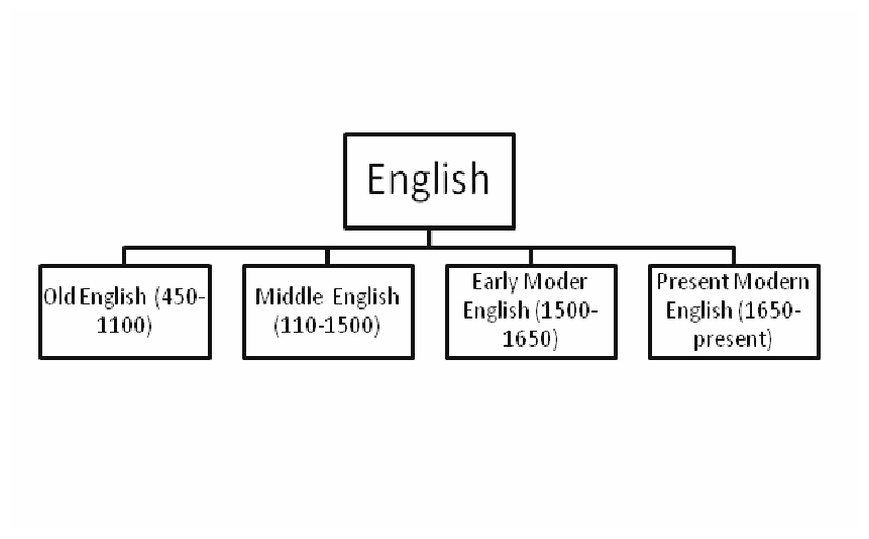
During the Norman occupation, more than 10,000 new words were introduced into English, and most are still in use.
A few examples:
- cake
- fog
- die
- happy
- husband
- leg
- mistake
- window
French
During the same period, numerous ancient French words found their way into the English language, largely due to French being the dominant language in the courts. This French influence is still evident today, with about 30% of English vocabulary originating from French. Consider the words “liberty” and “justice,” which contrast with “freedom” and “fairness.” Even everyday terms have French roots, revealing the deep connection between these two languages.
- machine
- garage
- terrain
- collage
Japanese
It may surprise you to learn that English has adopted numerous words from Japanese, many of which capture unique aspects of Japanese culture, such as martial arts. Others have made their way into our language through popular brands that originated in Japan.
As a result, we have:
- tycoon
- kimono
- Sudoku
- Karaoke, the original meaning of which was “open orchestra.”
Also, brands which everyone knows:
- Nintendo
- Sega
Chinese
China’s growing economic power has brought about the adoption of some Chinese words.
“Long time, no see” is just one commonly used phrase that came from Chinese. Additionally, these words:
- ketchup
- silk
- tea
- feng-shui
Persian
Arabic words were introduced into English directly or through another language with which
English interacted.
Here are some everyday words that came from Arabic:
- coffee
- banana
- lemon
- lemonade
- algebra
- zero
- sofa
- mattress
Russian
Russian stands out as the most widely spoken Slavic language globally and has played a notable role in enriching the English vocabulary, albeit not as significantly as some other languages.
Here are a few words that came from Russian and are still used in English:
- bridge game
- cosmonaut
- troika
- samizdat
Spanish
For centuries, English and Spanish have influenced each other, a phenomenon that makes perfect sense given the geographical proximity of Great Britain and Spain.
The United States and Mexico share a close geographical and cultural connection, leading to frequent interactions between their citizens. This relationship is reflected in the language, with several Spanish words commonly adopted into everyday English. Some examples include:
- vanilla
- macho
- platinum
- cigar
Italian

The most widely used words from Italian have to do with cooking and food:
- pizza
- pasta
- spaghetti
Also, other words borrowed from Italian:
- balcony
- cartoon
- gallery
- graffiti
German
These are a few of the most famous English words with German origins:
- hamburger
- kindergarten
- zeitgeist
There’s so much more to explore! The fascinating history of German and English interactions reveals the significant impact of the early German settlers on the evolution of language and culture. I encourage you to delve deeper into this captivating topic!
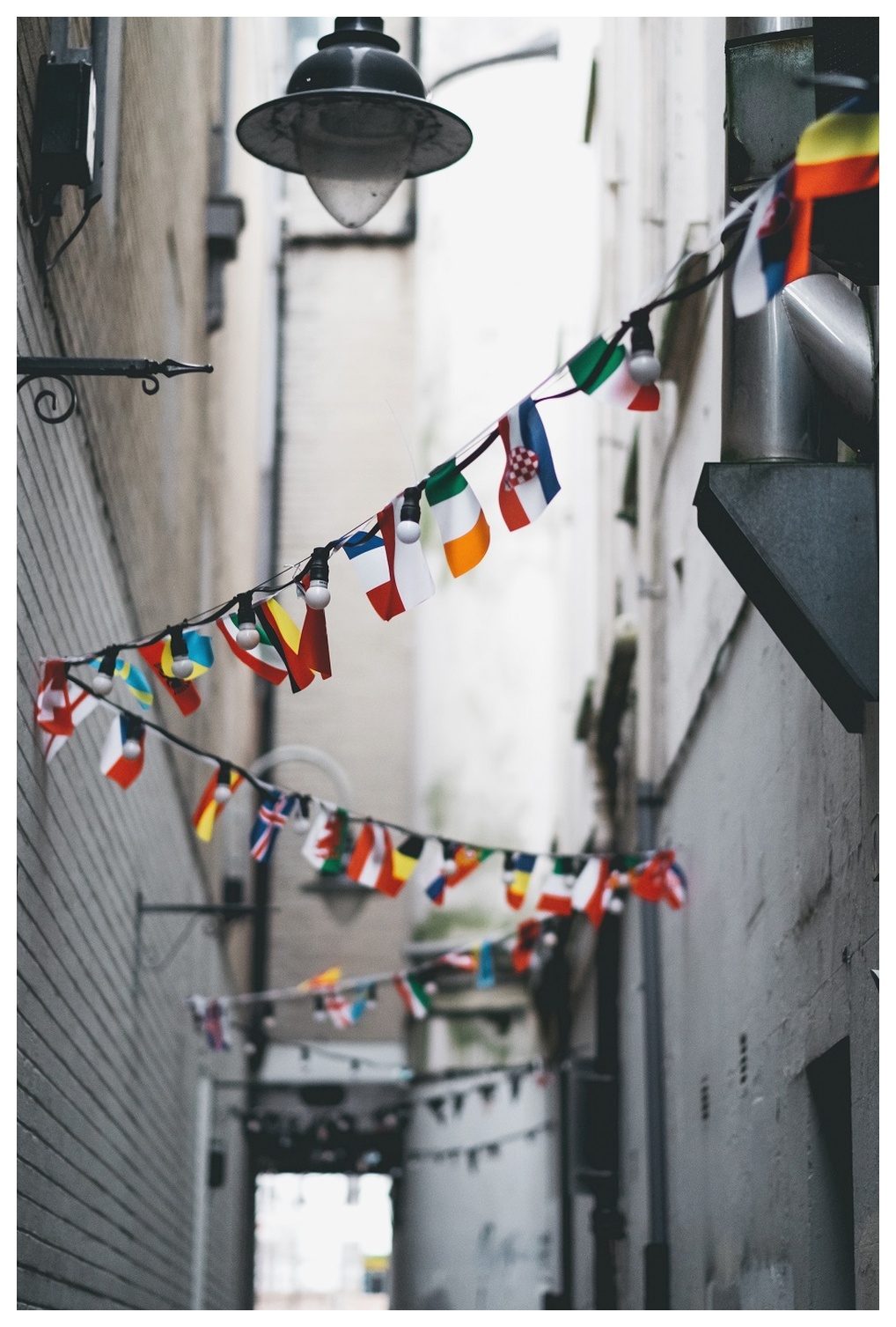
Imagine how many English words came from other languages. It’s incredible!
Frequently Asked Questions
What is the significance of Old Norse in the English language?
Old Norse contributed numerous words that were integrated into what we now recognize as Old English.
How many words were introduced into English during the Norman occupation?
More than 10,000 new words were introduced into English during the Norman occupation.
What percentage of English vocabulary is derived from French?
About 30% of English vocabulary originates from French.
Which languages have contributed words to the English language?
English has adopted words from languages including Japanese, Russian, Italian, German, French, Chinese, Spanish, and Persian.
What are some examples of words borrowed from Italian?
Examples of words borrowed from Italian include pizza, pasta, spaghetti, balcony, cartoon, gallery, and graffiti.