- Why it matters
- Key findings
- What personal space can tell us
- The impact of culture on personal space in the UK and America
- Canadians might be friendly and welcoming, but they still need their personal space
- Familial links in Asian countries demand comparatively smaller personal bubbles among family members
- Community values help develop personal space standards
- Culture is a primary driver of what’s considered acceptable personal space
- Personal space is just as important among family members and close friends as it is among strangers
- Public health and personal space
- What else impacts personal space?
- Methodology
- Sources
- Frequently Asked Questions
- What is personal space and what factors influence it?
- How has the COVID-19 pandemic affected personal space preferences?
- What are the differences in personal space preferences among various cultures?
- Why is understanding personal space important for effective communication?
- What role do factors like gender and age play in personal space preferences?
Personal space, often referred to as our “bubble,” encompasses the physical and emotional area that surrounds us. This space is shaped by our comfort levels, cultural backgrounds, social norms, and the people we’re with. While we may not actively consider it, we all possess an instinctive awareness of what feels comfortable—it’s all about the vibe we create around ourselves.
Recent research indicates a shift in personal space norms worldwide, revealing that individuals are increasingly uneasy around strangers, acquaintances, close friends, and even family members. While the COVID-19 pandemic has played a significant role in this growing preference for distance, many cultures have yet to return to the closer interactions that were once the norm. Given that a large portion of communication is non-verbal, these heightened personal space preferences may be influencing how we engage with one another.
Curious about how personal space preferences vary across cultures and how they’ve evolved over time, we delved into research studies examining ideal distance norms in various countries and U.S. cities. This exploration aimed to uncover the fascinating shifts in personal space expectations across different societies.
Why it matters
- Understanding changes in personal space preferences helps us learn about how different cultures communicate, both verbally and non-verbally.
- Studying personal space reveals significant insights into cultural norms, social behaviors, and communication styles across different regions.
- Online private language tutoring connects people worldwide, but effective communication also requires understanding cultural norms and personal space.
Studies indicate that the way we interpret messages breaks down into 7% verbal communication, 38% vocal tone, and a striking 55% body language. This highlights that a remarkable 93% of our communication is conveyed nonverbally.
“In the aftermath of a pandemic, cultural differences in personal space preferences are likely to become even more pronounced as societies adapt to new realities,” explained Sylvia Johnson, Language and Intercultural Skills Expert at LingualNeeds. “Cultural norms play a crucial role in defining our comfort levels with personal space, creating a unique interplay of closeness and distance that is expressed through language, verbal cues, and body language.”
Understanding the ways individuals engage in both verbal and non-verbal communication within their unique cultures is essential for building deep, meaningful relationships with people from diverse backgrounds.

Learn a language with personalised 1-on-1 classes with our expert tutors from all over the world
French lessons online
Spanish lessons online
Key findings
- Global personal space distances have expanded in recent years, prompting cultural shifts in effective communication through body language and social habits.
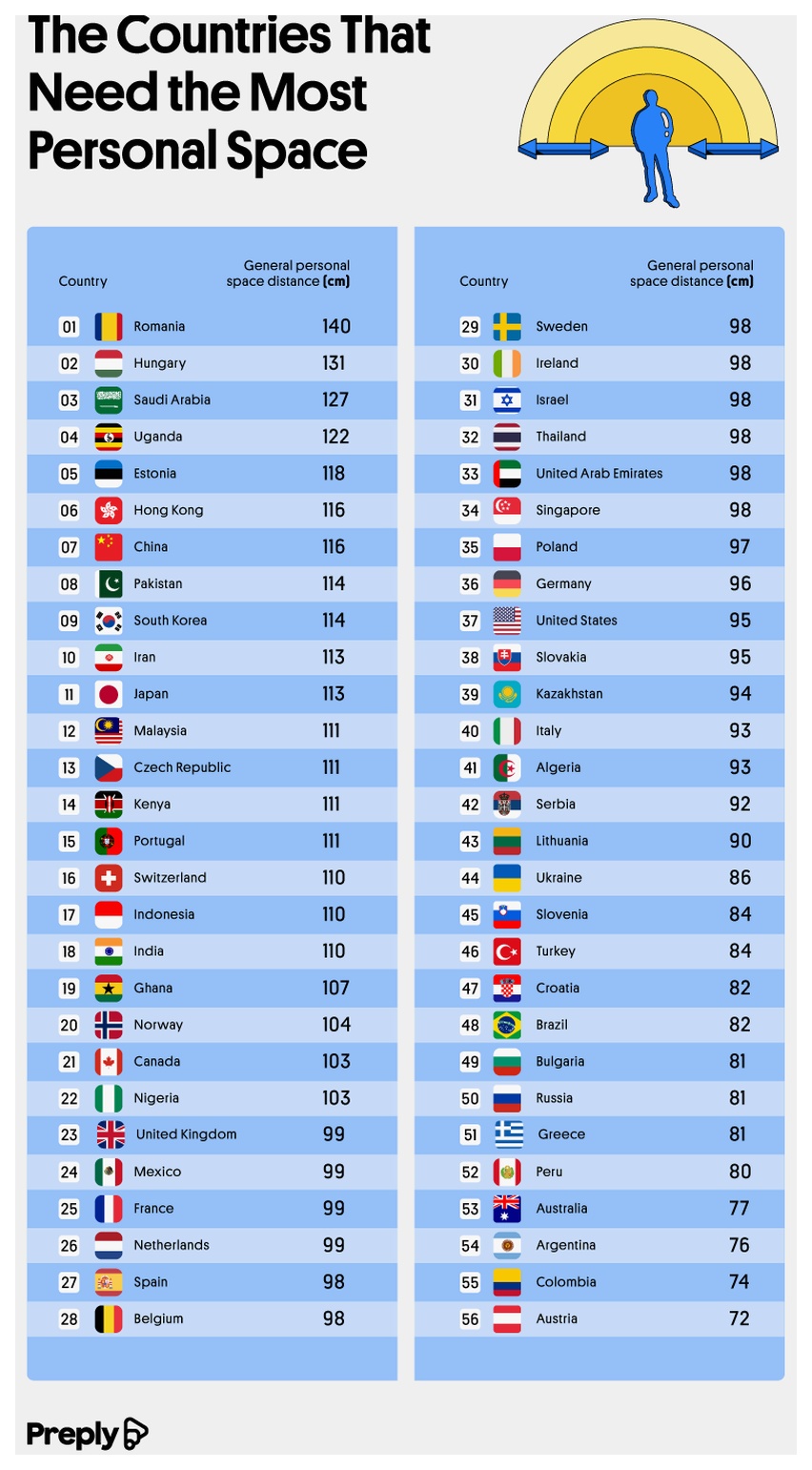
- Before 2020, Austria had the smallest personal space requirement at 71 cm (2 feet, 4 inches), while Romania had the largest at 139 cm (4 feet, 6 inches).
- Since 2020, Brazil experienced the largest increase in average personal space of +92%.
- China is the only country to experience a 36% reduction in personal space since 2020.
- Cultural communication preferences have shifted, with individuals now maintaining a distance of 52 cm (1 foot, 8 inches) when interacting with friends and family, compared to 100 cm (3 feet, 3 inches) with strangers.
- Personal space distances differ among US cities, with El Paso, Texas, offering the most space at 137 cm (4 feet, 6 inches), while Boston, Massachusetts, has the least at 78 cm (2 feet, 7 inches).
- Worldwide, personal space has increased by an average of 100 cm (3 feet, 3 inches), resulting in more distant communication compared to previous years.
What personal space can tell us
Most interpersonal communication occurs beyond spoken words; our facial expressions, gestures, and body language significantly influence how our verbal messages are received. Effective communication hinges on our ability to adapt to the cultural norms of those we’re engaging with. While mastering a language lays the foundation for global connection, truly integrating with other cultures requires an awareness of the vital role non-verbal communication plays in our interactions.
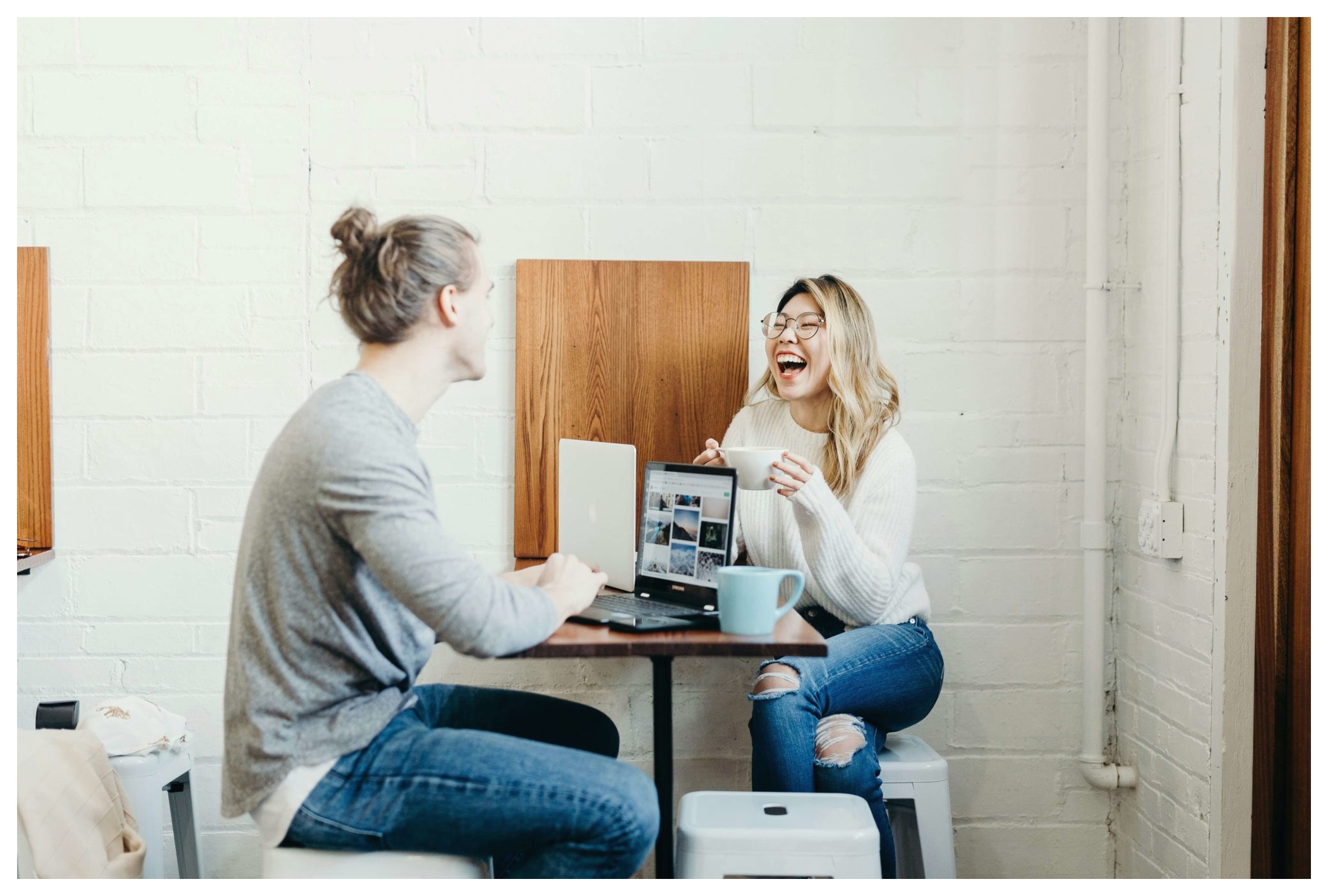
Non-verbal communication plays a vital role for several reasons. By respecting personal space, you foster a sense of comfort and respect in your conversation partner. This awareness reduces the chances of them feeling confused or threatened by your proximity, ultimately ensuring that your message—regardless of the language—will be received clearly and accurately.
Maintaining appropriate distance during conversations not only conveys your perception of the relationship but also helps you gauge the other person’s feelings about it. For instance, people in personal relationships often stand closer together, while professional interactions typically require more space. Understanding these variations in personal boundaries—often referred to as “personal bubbles”—can enhance your communication skills and help you navigate different types of relationships effectively. Being aware of how these boundaries shift over time allows you to respect social norms and foster better connections.
Learn a language online with our free learning materials.
Learn English online
Learn French online
The impact of culture on personal space in the UK and America
Our research has uncovered fascinating shifts in the concept of personal space since 2020. These changes may stem from a post-pandemic mindset, a growing preference for digital communication, or other factors. By examining these trends, we can gain valuable insights into the evolving dynamics of culture and interpersonal interactions.
A recent study has challenged common stereotypes about Britons, revealing a surprising twist: while UK residents are often perceived as socially aloof, they ranked 23rd out of 56 countries in their comfort with being close to strangers. Known for valuing personal space and exhibiting reserved language, as well as limited physical contact and facial expressions, the British may seem distant. However, understanding the cultural nuances of conversation in the UK is essential for effective communication, even with their relatively moderate ranking in the study.
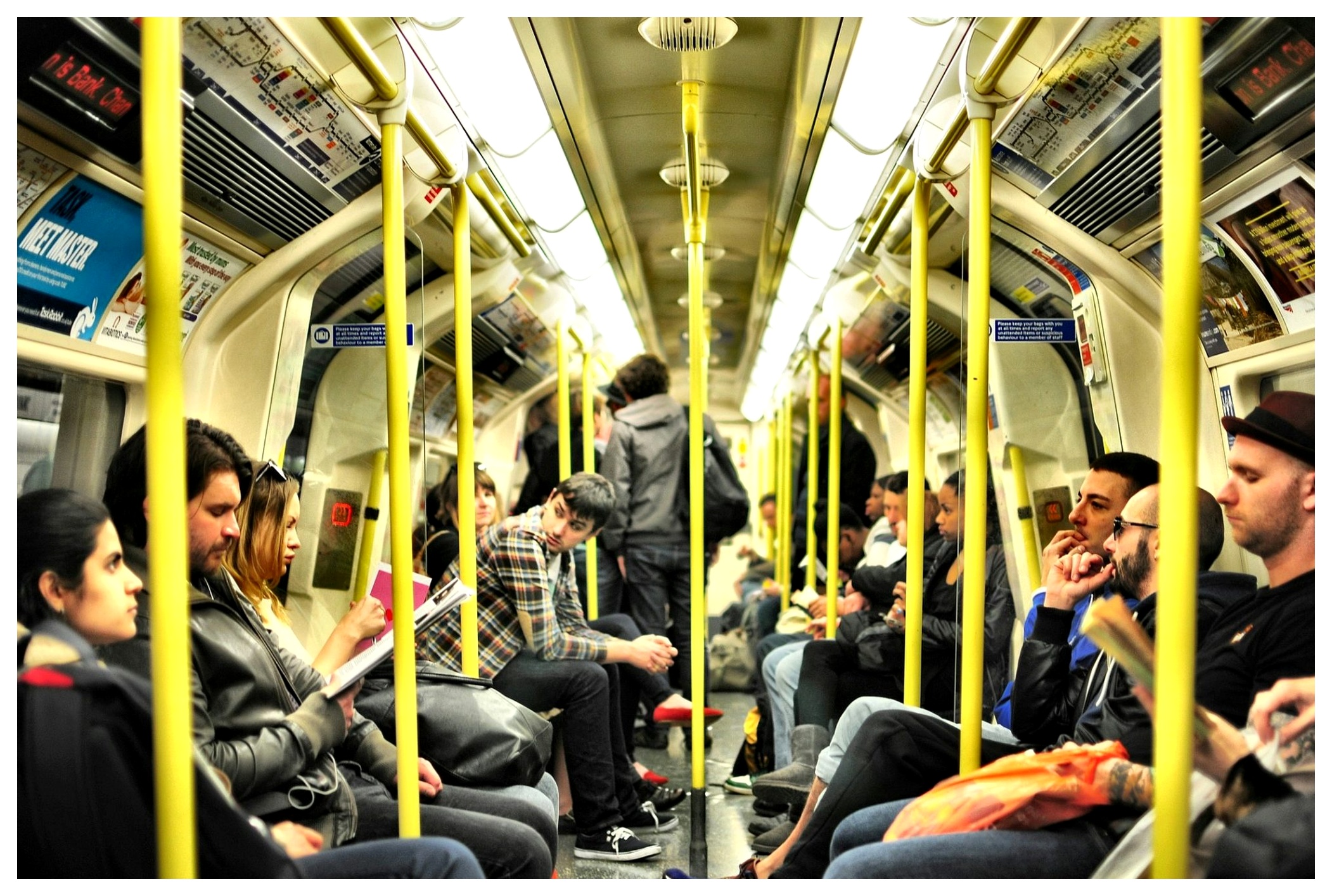
Research shows that in the UK, a distance of 99 cm (approximately 3 feet, 3 inches) is deemed respectful during casual or initial interactions. This is notably closer than the personal space preferences observed in places like Hong Kong (#6), China (#7), Portugal (#15), or even Canada (#21). Interestingly, Americans tend to maintain a greater comfort level with strangers, ranking 37th in this regard, indicating a more relaxed approach to personal space compared to their British counterparts.
According to Harvard University’s International Office, Americans are often characterized by their assertiveness, casualness, and straightforward communication style, which differs significantly from the more reserved approach of people in the UK. While engaging in online English conversations might seem like a sufficient way to connect with both cultures, it’s important to recognize that the nuances of in-person interactions—such as personal space and body language—vary greatly between the two. Understanding these differences can enhance your communication skills across the Atlantic.
When it comes to personal space among friends and family, British individuals tend to stand closer than they do with acquaintances. Specifically, they maintain a distance of about 81 cm (2 feet, 8 inches) from acquaintances, while this shrinks to just 56 cm (1 foot, 10 inches) with close relationships. In contrast, Americans prefer a bit more space, keeping a distance of 68 cm (2 feet, 3 inches) with acquaintances and 48 cm (1 foot, 7 inches) with friends and family. These differences highlight how each culture’s approach to conversation—its formality and expressiveness—shapes personal space preferences.
Canadians might be friendly and welcoming, but they still need their personal space
Canadians, globally renowned for their friendliness and openness, also contradicted their stereotype.
In the same survey, Canada ranked 21st, with a preferred personal space of approximately 103 cm (3 feet, 5 inches) from others. This preference for personal space is notably greater than that of individuals in the United States, which ranked 37th, Germany at 36th, and the UK at 23rd.
Canadians maintain a personal space radius of 85 cm (2 feet, 9 inches) with acquaintances and 75 cm (2 feet, 6 inches) with close friends and family. Interestingly, this distance is greater than that of Brits, who typically stand just 56 cm apart from their closest companions. This suggests that even in intimate relationships, Canadians prefer a bit more personal space than their British counterparts.
You may think that in Canada, a country celebrated for its friendliness and hospitality, people have a more relaxed approach to personal space and physical contact. However, the reality is quite the opposite. Canadians actually value their personal space more than both Britons and Americans do, and they typically reserve physical touch for those in close personal relationships.
Familial links in Asian countries demand comparatively smaller personal bubbles among family members
The connection between cultural values and communication styles is significant, and this influence is evident not just at the country level but also across entire continents. A notable example of this is how different cultures perceive and utilize personal space.
Consider the fascinating communication habits in Asian countries, where the average conversational distance is around 109 cm (3 feet, 7 inches). When engaging with friends and family, this distance shrinks to just 66 cm (2 feet, 2 inches), highlighting the closeness and intimacy often found in personal relationships.
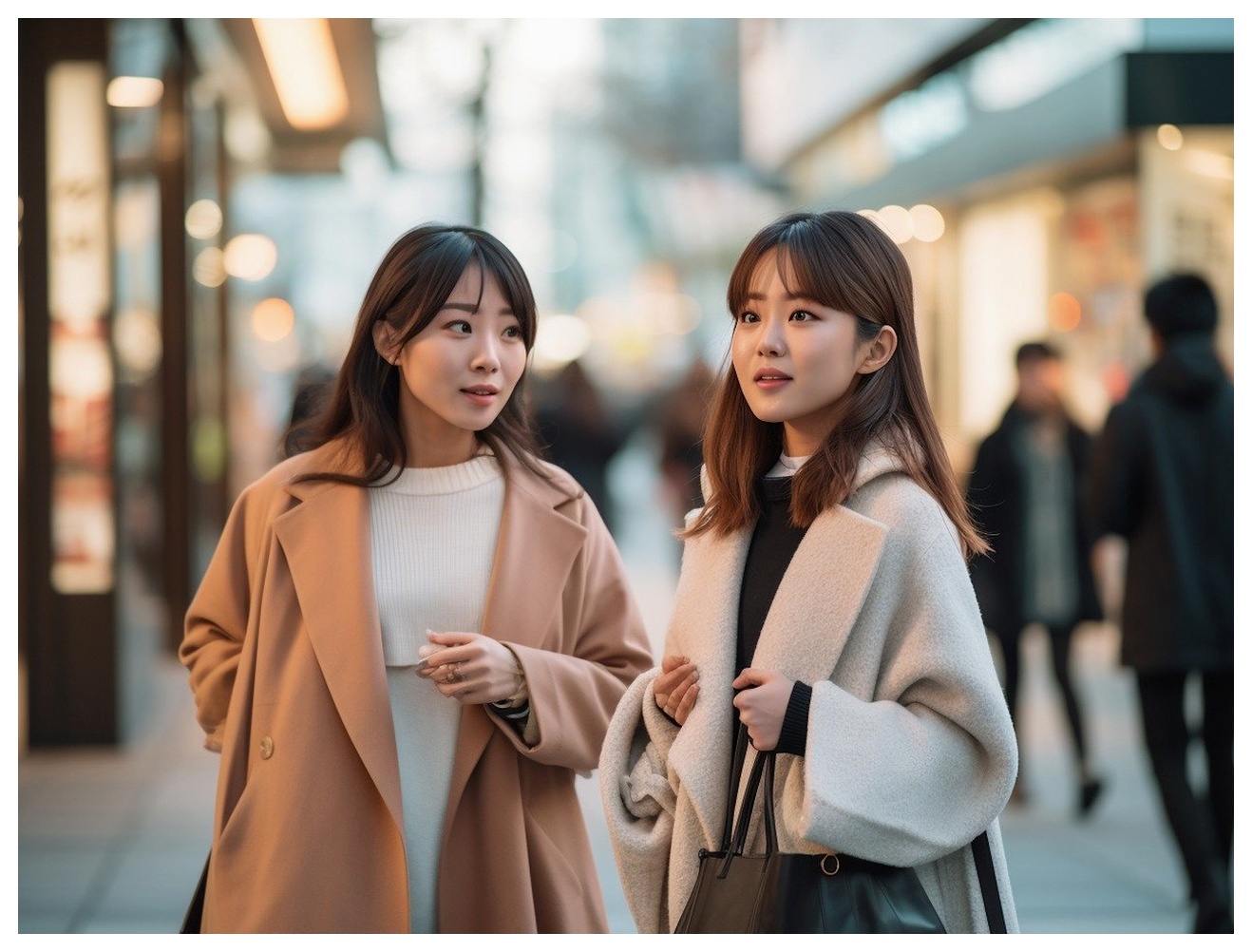
Research in sociocultural studies highlights that Asian traditions are deeply rooted in collectivism and place a significant value on family bonds. Remarkably, the emotional distance in communication among family members is reduced by an impressive 60% compared to interactions with strangers, underscoring the unique closeness within these familial relationships.
Community values help develop personal space standards
When examining personal space norms, Asian countries typically maintain a distance of about 97 cm (3 feet, 2 inches) from strangers, while close friends and family members are more comfortable at around 48 cm (1 foot, 7 inches). Interestingly, this personal bubble only decreases by 49% as relationships deepen, reflecting a more gradual shift in comfort levels compared to some European countries.
To truly grasp the significance of cultural values, it’s essential to explore not just individual preferences for personal space in communication, but also how these preferences shift based on different relationship dynamics among individuals.
South American cultures also have unique preferences when it comes to personal space. For general interactions, the ideal distance is about 82 cm (2 feet, 8 inches). However, this personal bubble shrinks significantly to just 48 cm (1 foot, 7 inches) among family and close friends, reflecting a 58% reduction in space as relationships deepen. This places South America in between Asian and European norms regarding personal distance.
South Americans are renowned for their strong family ties, similar to those found in many Asian cultures, which contributes to their tendency to maintain closer proximity with loved ones. This deep-rooted affection extends to their interactions with others; on average, they prefer a conversational distance that is 25% smaller than that observed in Asian countries, reflecting their warm and expressive nature.
Stereotypes about countries and cultures may not accurately reflect reality, but they can provide insight into varying expectations of personal space and its evolution over time. However, it’s crucial to prioritize an understanding of social norms for effective communication, as the standards for appropriate spacing can vary significantly from one country to another.
Culture is a primary driver of what’s considered acceptable personal space
Cultural influences play a major role in shaping personal space preferences around the world, but they aren’t the only factors at work. Notably, since the pandemic, personal space expectations have risen in nearly every country, with China being the exception. Additionally, the shift in communication styles—such as a greater reliance on digital interactions over face-to-face conversations—may also impact how we perceive and maintain personal space.
Before the pandemic, Austrians maintained the smallest personal space distance, averaging just 72 cm (2 feet, 4 inches), suggesting a preference for closer interactions. However, this doesn’t mean they were particularly at ease with strangers. In the wake of the pandemic, their personal space expanded dramatically—by 89%—reflecting a significant shift in their comfort levels during social interactions.
Romania boasts the largest personal space requirements in the world, averaging 140 cm (4 feet, 7 inches). This existing preference for distance likely contributed to a modest increase of only 25% in personal space after the pandemic. Romanians typically maintain a comfortable distance from one another, with closer interactions primarily occurring in crowded settings like public transportation. As a result, their need for additional social distancing was minimal compared to other cultures.
China stood out in our research with an unusual -36% decline since 2020. This decline highlights how personal space preferences in different countries are shaped by a blend of cultural norms, public health measures, and societal values. Additionally, China’s two incredibly densely populated regions, Macao Special Administrative Region (SAR) and Hong Kong, complicate the ability to maintain personal space, making it a unique challenge for residents.

The pandemic has certainly altered the way people from various cultures approach communication and personal space. However, what’s truly fascinating is how distinct cultural norms within each country continue to influence these changes.
Consider Asian countries, where the personal space during conversations with strangers has remained consistent over the past few years, even amid the pandemic’s push for social distancing. This steadfastness is not surprising in cultures that prioritize collectivism, emphasizing community and togetherness.
Personal space is just as important among family members and close friends as it is among strangers
Since 2020, the concept of personal space in close relationships has evolved significantly, largely due to the pandemic and the necessity of social distancing. While the reasons behind this shift are important, the impact on individuals is what truly matters.
Giving up personal space can significantly affect mental health, as it strips individuals of their ability to decide how and with whom they share their environment. Privacy plays a crucial role in maintaining mental well-being; it fosters a sense of control over our lives. When this boundary is violated, it can lead to feelings of discomfort and disarray.
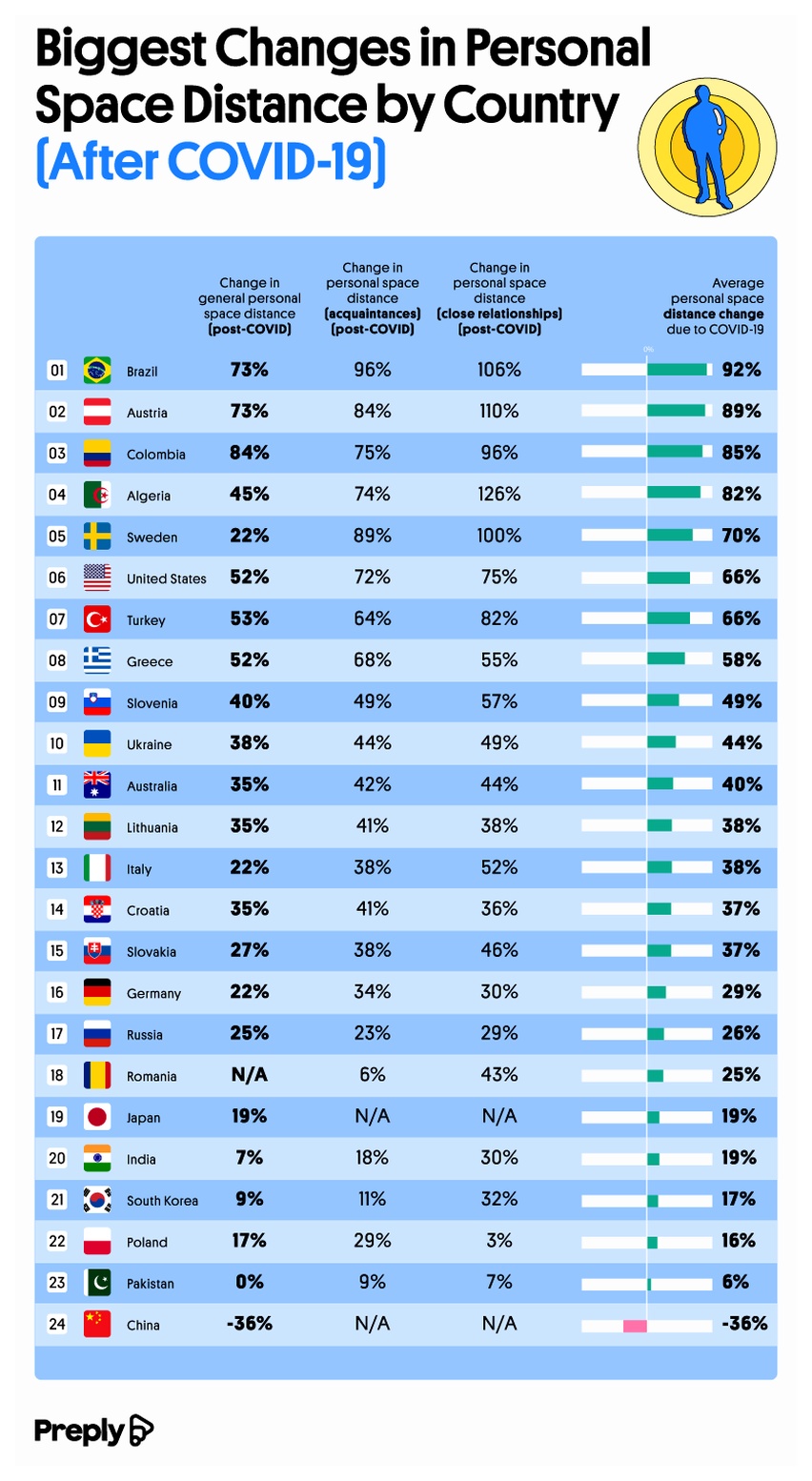
These sacrifices could explain the notable increase in personal space among close relationships across many countries. For instance, in Algeria, individuals expanded their personal space with acquaintances by 74%, while the distance with those in close relationships surged by an impressive 126%.
In Austria, the personal space between acquaintances has expanded by a striking 84%, while the distance among close friends and family has surged by 110%. This shift may reflect the impact of social distancing during the pandemic, which disrupted the nation’s strong emphasis on close family ties. As people eagerly return to public spaces and travel, they may now seek greater boundaries at home to ensure their personal space is respected as they reintegrate into social norms.
The impact of post-pandemic social distancing continues to resonate beyond our homes. In every country we studied, except for China, people have expanded their personal space to varying degrees. Notably, Brazil experienced the most dramatic shift, with personal space increasing by an impressive 92%. In contrast, Pakistan recorded the smallest rise at just 6%.
Interestingly, research shows that personal space tends to expand more significantly among close relationships compared to acquaintances. This shift in our social dynamics has prompted the US Surgeon General to label loneliness as an epidemic, while reports of social anxiety have risen since the pandemic.
Public health and personal space
During the pandemic, vaccination rates, COVID-19 case numbers, and public health policies have played a crucial role in influencing personal space. As vaccines became accessible, many areas relaxed or lifted mask mandates, which may have encouraged individuals to reduce their personal space boundaries.
This isn’t always the case, though. Take Brazil, for instance: as of 2023, the country boasts a 90% vaccination rate. Despite this impressive figure, it has also seen a significant increase in social distancing measures, suggesting that vaccinations alone haven’t fully alleviated the concerns of its citizens.
In contrast, China boasts an impressive vaccination rate of 94%, suggesting that the widespread availability of the vaccine has provided a significant sense of reassurance among its population.
The boundaries of personal space are often shaped more by cultural and social norms, as well as individual preferences, than by vaccination rates or public health policies.
What else impacts personal space?
Personal space is influenced by more than just culture; factors such as gender, age, personality traits like extroversion, the dimensions of a room, and interpersonal attraction all play a significant role in shaping how close we feel comfortable being to others.
A study published in the Journal of Cross-Cultural Psychology reveals interesting insights about personal space. It shows that women and older adults generally prefer to maintain a greater physical distance from acquaintances. In contrast, extroverted individuals and those experiencing mutual attraction often feel at ease being closer together, reflecting their comfort with proximity. Additionally, the size of a room can influence how personal space is perceived, affecting everyone’s comfort levels, regardless of their usual preferences.
Personal space is a fascinating and highly individual concept that can change based on the person and the situation. It serves as a nonverbal cue, reflecting how comfortable and interested someone feels in their interactions. Understanding these varying distances can provide valuable insights into social dynamics and relationships.
Culture significantly influences our comfort in communication. Learning a foreign language is key to fostering unity and connection with people globally. However, grasping non-verbal communication cues is equally crucial for smooth interactions across cultures. For instance, taking Spanish lessons not only helps you engage with Spanish-speaking communities but also lays the groundwork for understanding their unique physical communication styles.
Future research in this field offers exciting opportunities to deepen our understanding of interpersonal interactions and enhance our communication skills.
Methodology
To explore personal space preferences across different countries and U.S. cities, we analyzed a variety of research reports and studies on interpersonal space and proxemics. Our goal was to gather data on the ideal personal space distances (measured in centimeters) for various social interactions, including those with strangers, acquaintances, and close friends. The findings reveal a ranking of locations from the largest to the smallest preferred personal space distances in these different contexts.
Sources
Croy, I., Heller, C., Akello, G., Anjum, A., Atama, C., Avsec, A., and Sorokowska, A. (2024) conducted a fascinating cross-cultural study published in *Cross-Cultural Research*, Volume 58, Issue 1, pages 41–69. Their research explores how COVID-19 and social distancing measures have influenced people’s preferences for personal space and touch behaviors, comparing data from before and during the pandemic. For more insights, you can access the study [here](https://doi.org/10.1177/10693971231174935).
In their 2022 study, Holt, D. J., Zapetis, S. L., Babadi, B., Zimmerman, J., and Tootell, R. B. H. explored how personal space has expanded during the COVID-19 pandemic in relation to both real and virtual interactions. Published in *Frontiers in Psychology*, their research highlights the significant shifts in social behavior amid the ongoing health crisis. For further details, view the study here: https://doi.org/10.3389/fpsyg.2022.952998.
Li, S. (2001) explores the intriguing question of personal space in the study titled “How Close is Too Close?” This research examines the proxemic reactions of Singaporean Chinese individuals when confronted by male intruders from four different ethnic backgrounds. Published in *Perceptual and Motor Skills*, the study offers valuable insights into cultural perceptions of personal distance. You can access the full article [here](https://doi.org/10.2466/pms.2001.93.1.124).
In their 2017 study, Quesque, Ruggiero, Mouta, Santos, Iachini, and Coello explored how adjusting peripersonal space—the area surrounding our bodies that we perceive as our own—affects our comfort with interpersonal distance. Published in *Psychological Research*, their findings reveal that modifications to this spatial awareness can significantly influence how close we feel comfortable being to others. For more details, you can access the study [here](https://doi.org/10.1007/s00426-016-0782-1).
In their 2019 study published in the Journal of Cross-Cultural Psychology, Sicorello, Stevanov, Ashida, and Hecht explore how eye contact influences personal space across cultures, specifically comparing Japanese and German perspectives. Their research, detailed in volume 50, issue 1, pages 8 to 21, provides valuable insights into cultural differences in interpersonal interactions. For further reading, you can access the study [here](https://doi.org/10.1177/0022022118798513).
In their 2017 study published in the Journal of Cross-Cultural Psychology, Sorokowska et al. explore the concept of preferred interpersonal distances across various cultures. The research offers a comprehensive global comparison, highlighting how cultural factors influence personal space preferences. The findings are detailed in volume 48, issue 4, pages 577–592, and can be accessed through this link: https://doi.org/10.1177/0022022117698039.
In their 1982 study, Sussman and Rosenfeld explored how culture, language, and gender affect the physical space individuals maintain during conversations. Published in the Journal of Personality and Social Psychology, their research highlights the significant role these factors play in shaping interpersonal communication. For more details, you can access the study [here](https://www.researchgate.net/publication/232515247_Influence_of_culture_language_and_sex_on_conversational_distance).
In his 1975 study published in the Journal of Social Psychology, M. J. White explores how various factors—room size, social status, and gender—impact interpersonal distance. This research sheds light on the dynamics of personal space in different contexts, offering valuable insights into social interactions. For more details, refer to the article [here](https://doi.org/10.1080/00224545.1975.9918710).
In their 2020 study, Yu, Xiong, and Lee explored the interpersonal and peripersonal spaces of individuals in China, examining how these spaces vary by direction and gender. Their research, published in Frontiers in Psychology, sheds light on the nuances of personal space in a cultural context, highlighting the distinct ways in which gender and orientation influence social interactions. For more details, you can access the study [here](https://doi.org/10.3389/fpsyg.2020.00981).
Frequently Asked Questions
What is personal space and what factors influence it?
Personal space, or our ‘bubble,’ encompasses the physical and emotional area surrounding us, shaped by comfort levels, cultural backgrounds, social norms, and the people we’re with.
How has the COVID-19 pandemic affected personal space preferences?
The pandemic has led to a global increase in personal space distances, with many individuals feeling more uneasy around others, including family and friends.
What are the differences in personal space preferences among various cultures?
Personal space preferences vary significantly across cultures, with countries like Romania having larger personal space requirements compared to others like Austria.
Why is understanding personal space important for effective communication?
Understanding personal space is crucial as it influences non-verbal communication, helping to build meaningful relationships across different cultures.
What role do factors like gender and age play in personal space preferences?
Factors such as gender, age, personality traits, and room dimensions significantly influence how comfortable individuals feel regarding personal space.