- What are blended words?
- 25 blended words examples
- Why you should learn blended words
- 1. They simplify complex ideas
- 2. Provide cultural insights
- 3. Make your English sound more native
- Final thoughts: How to master blended words
- Frequently Asked Questions
- What are blended words?
- What is an example of a blended word?
- Who popularized the concept of blended words?
- Why should I learn blended words?
- How can I master blended words quickly?
Looking to expand your vocabulary with some key terms? Whether you want to grasp the concept of “mansplaining” or casually tell your British friends to “chillax” instead of diving into Brexit debates, this post is a must-read. Keep scrolling to discover a curated list of the top 25 blended words, also known as portmanteaus, along with their definitions!
What are blended words?
Blended words are innovative terms formed by combining parts of two or more words to capture their core meanings. Often, they take the beginning of one word and the end of another, but sometimes they blend the initial sounds of both. A popular example is “hangry,” which combines “hungry” and “angry” to convey that irritable feeling when you’re really hungry.
The fascination with portmanteaus is far from a recent phenomenon. In fact, the renowned author Lewis Carroll popularized this playful linguistic trend in his 1871 work, *Through the Looking-Glass and What Alice Found There*. A notable example he introduced is “slithy,” a creative blend of the words “lithe” and “slimy.”
A portmanteau traditionally refers to a suitcase with two compartments. Lewis Carroll creatively applied this concept to language, proposing that a portmanteau word combines the meanings of its original words, much like a suitcase holds its various contents.
Carroll saw creating a portmanteau as a balancing act, equally merging various words into one.
25 blended words examples
Okay, before you use “slithy” in your English speaking classes, be aware that this hybrid word isn’t that common.
Blended words are everywhere in our daily conversations, and many have crossed into other languages as well. Explore our list of popular blended words to expand your vocabulary with contemporary terms!
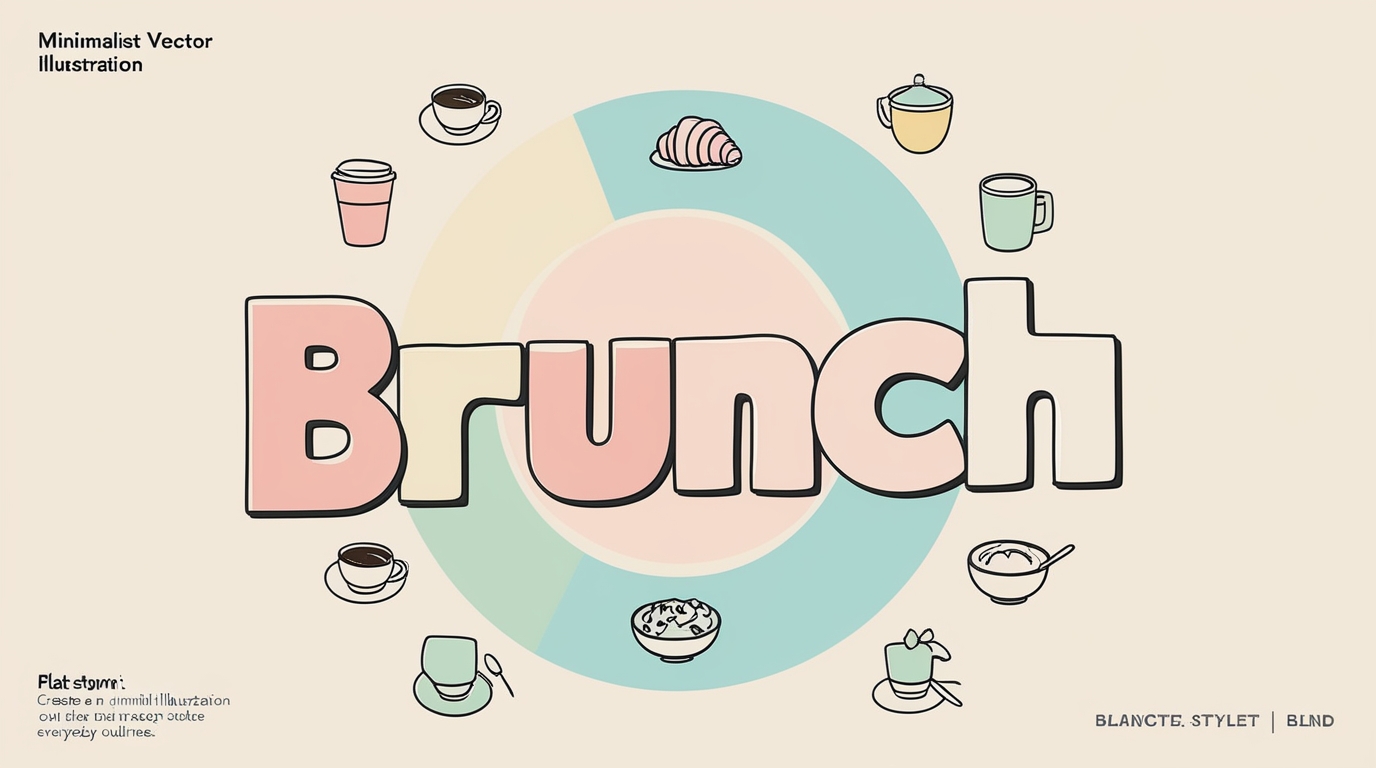
- Brunch (noun): A meal combining breakfast and lunch, typically enjoyed when it’s too late for breakfast but too early for lunch.
- Motel (noun): A hotel designed for motorists, featuring convenient parking and typically situated near highways, ideal for road trips.
- Infomercial (noun): A lengthy television advertisement that demonstrates products in use, featuring testimonials from real customers.
- Smog (noun): Smoke and fog come together to form this visible air pollution.
- Guesstimate (noun): A mix of a guess and an estimate. It’s like an educated guess about something.
- Blog (noun): A blog (web + log) is an online space where people publish written articles.
- Brexit (noun): Britain’s exit from the European Union got its own word: Brexit!
- Email (noun): Electronic mail, or email, is how we send letters and messages over the Internet.
- Frenemy (noun): A friend who’s also a bit of a rival. It’s a tricky kind of friendship.
- Ginormous (adjective): Something really big? It’s gigantic and enormous, or ginormous!
- Chillax (verb): Just chill and relax. It’s what you say when someone needs to take it easy.
- Edutainment (noun): Learning can be fun with edutainment, which mixes education and entertainment.
- Mansplaining (verb): When a man explains something in a way that’s patronizing, that’s mansplaining.
- Mockumentary (noun): A funny, fake documentary film or show.
- Staycation: Staying home for vacation? That’s a staycation – enjoying time off without traveling far.
- Telethon (noun): A TV marathon for a good cause, raising money for charity.
- Workaholic (noun): Someone who just can’t stop working, like they’re addicted to it.
- Bit (noun): The tiny piece of data in computers, made from the words binary and digit.
- Netiquette (noun): The right way to behave online, combining internet and etiquette.
- Screenager: A teen constantly engaged with digital devices such as smartphones, tablets, and gaming consoles.
- Cronut (noun): A delicious fusion of croissant and doughnut, perfect for satisfying sweet cravings.
- Mocktail (noun): A non-alcoholic cocktail that combines the enjoyment of cocktail flavors without the effects of alcohol, ideal for those seeking a refreshing drink option.
- Frappuccino (noun): A popular icy beverage combining frappe and cappuccino, perfect for coffee enthusiasts seeking a cool and sweet treat.
- Glamping (noun): Combining the adventure of camping with the comforts of luxury, glamping is camping at its most glamorous.
- Shopaholic (noun): Merging shop and alcoholic, this term describes someone with a strong passion for shopping.
Why you should learn blended words
Whether you’re enrolled in a traditional language school or utilizing online platforms to learn English, mastering blended words is essential for your language development.
Let’s look at the top reasons why studying these hybrid words is a great idea:
1. They simplify complex ideas
Blended words such as “webinar” (a fusion of web and seminar) showcase the dynamic nature of the English language. By combining concepts into a single term, they simplify complex ideas, making them especially beneficial for learners. These innovative words serve as a bridge, helping individuals transition from mastering basic vocabulary to grasping modern language usage.
2. Provide cultural insights
Contemporary portmanteaus, such as “Brexit,” often emerge from significant events or trends in popular culture. These blended words are essential for learners aiming to grasp the nuances of English-speaking communities. Their charm lies in their effortless creation, which contributes to their widespread presence in media, workplaces, and social gatherings.
Celebrity couples frequently inspire catchy blended nicknames, such as “Brangelina” for Brad Pitt and Angelina Jolie. Similarly, the culinary world delights in playful creations like the “cronut,” a delicious fusion of a croissant and doughnut. These examples highlight how blended words not only reflect our modern culture but also add a playful twist to our language.
3. Make your English sound more native
Looking to speak like a native? Adding blended words to your vocabulary can make a big difference. For example, using terms like “guestimate” instead of just “estimate” allows you to convey nuanced ideas more clearly and reduces the chances of being misunderstood.
Final thoughts: How to master blended words
Blended words simplify complex concepts into relatable terms that connect with people. But is there a quicker method to master these clever linguistic shortcuts?
One of the most effective methods for mastering English quickly is through role-play activities with professional online tutors. Many learners choose personal online tutoring because it immerses them in real-life conversations, allows for immediate correction of mistakes, and offers flexible scheduling tailored to their needs. This interactive approach not only boosts confidence but also enhances practical language skills.
Unsure how to find the right online English tutor? Look no further than LingualNeeds! This cutting-edge platform pairs you with experienced tutors who offer engaging, speaking-focused lessons at budget-friendly rates, starting from just $10 an hour. Get started today and enhance your English skills with ease!
With its cutting-edge search tools, you can quickly sift through a global network of over 17,900 English tutors in less than two minutes to find the perfect match for your learning needs. Eager to accelerate your English skills with a qualified language coach? Schedule your trial class today and kickstart your journey to fluency!
Frequently Asked Questions
What are blended words?
Blended words are innovative terms formed by combining parts of two or more words to capture their core meanings.
What is an example of a blended word?
A popular example is ‘hangry,’ which combines ‘hungry’ and ‘angry’ to convey the irritable feeling when you’re really hungry.
Who popularized the concept of blended words?
The renowned author Lewis Carroll popularized this playful linguistic trend in his 1871 work, *Through the Looking-Glass and What Alice Found There*.
Why should I learn blended words?
Learning blended words simplifies complex ideas, provides cultural insights, and can make your English sound more native.
How can I master blended words quickly?
One effective method is through role-play activities with professional online tutors, which helps immerse you in real-life conversations.