- What is a project manager?
- English for project managers
- Top 14 project manager skills you need to find a job
- 1. Understanding project management methods
- 2. Planning projects
- 3. Using project management tools
- 4. Analyzing data
- 5. Managing budgets
- 6. Managing stakeholder relationships
- 7. Communicating
- 8. Resovling conflicts
- 9. Negotiating
- 10. Managing time
- 11. Assessing and managing risk
- 12. Being adaptable
- 13. Problem-solving
- 14. Leading a team
- Project management is a challenging but rewarding career
- Frequently Asked Questions
- What is the role of a project manager?
- Why is proficiency in English important for project managers?
- What are the four primary project management methodologies?
- What skills are essential for effective project management?
- How can project managers improve their adaptability?
Project managers are essential to the success of contemporary organizations. They act as the vital link that unites teams and keeps projects on course, ensuring that everything runs smoothly and efficiently.
What does it truly take to excel as a project manager? Dive in to uncover 14 vital skills that define successful project management!
What is a project manager?
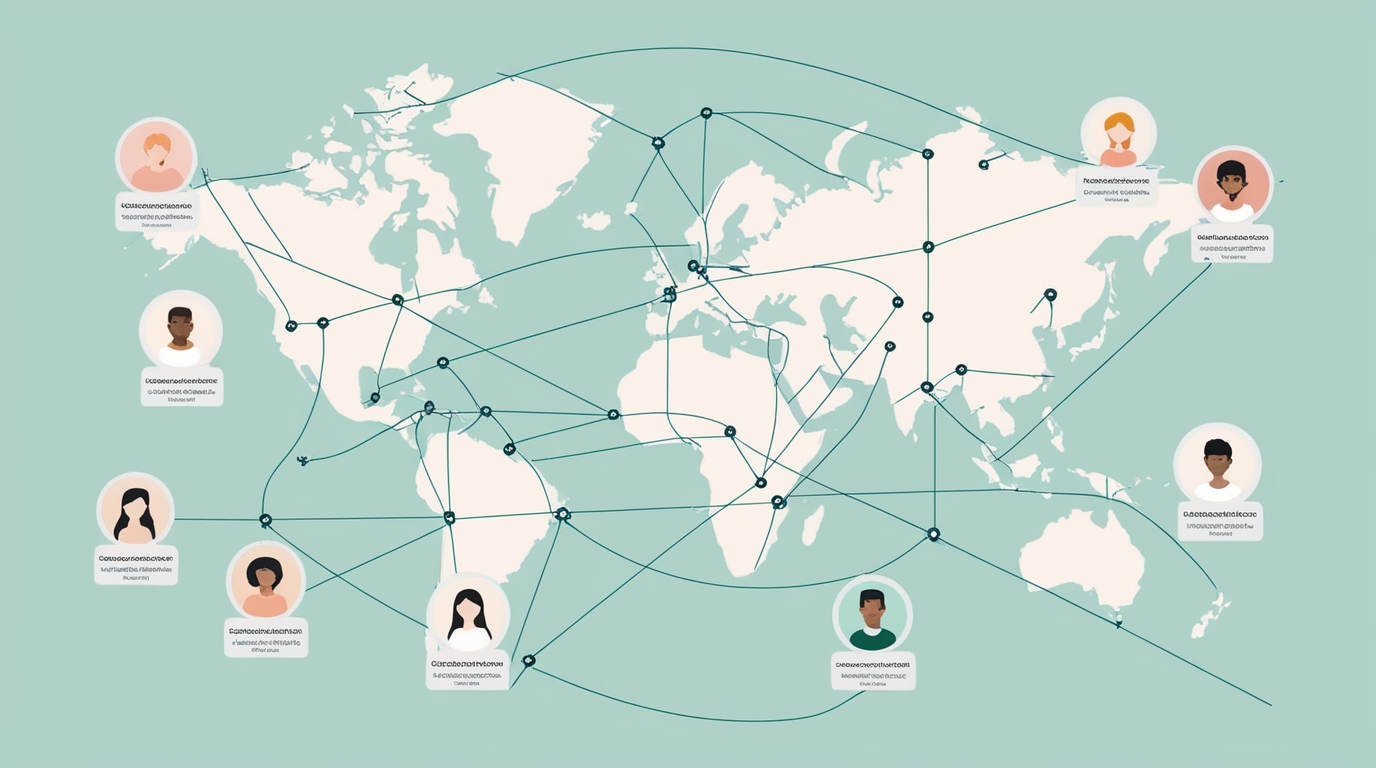
Project managers are the driving force behind successful initiatives. They expertly plan and coordinate every aspect of a project, from managing timelines and resources to overseeing budgets. By inspiring and motivating their team members, they foster a collaborative environment. Additionally, they play a crucial role in communicating with all stakeholders to ensure everyone is aligned. This multifaceted role demands a diverse skill set and resilience, making it both challenging and rewarding.
Project managers play a crucial role across diverse industries. Whether steering software development at tech firms, overseeing construction projects, or coordinating efforts in healthcare, their expertise is highly sought after. As a result, project managers enjoy a strong job market and competitive salaries in numerous fields.
English for project managers
Enhancing your career opportunities can be as simple as mastering English. According to Bryan Berthot, a seasoned project manager with two decades of experience, proficiency in English is a vital asset in today’s professional landscape.
“Project managers who are truly bilingual (e.g., English-Spanish or English-Mandarin) are in demand.”
Strong English skills empower you to effectively lead remote teams across the globe and open doors to opportunities within multinational companies. Additionally, mastering English enables you to reside and thrive in an English-speaking country, enhancing both your professional and personal experiences.
You can make quicker progress with 1-to-1 tutoring from a LingualNeeds English teacher.
Top 14 project manager skills you need to find a job
Here’s a list of the most important skills you need as a project manager.
1. Understanding project management methods
Understanding the four primary project management styles—Agile, Scrum, Waterfall, and Lean—can greatly enhance your project execution skills. Let’s delve into each of these methodologies to uncover their unique strengths and applications.
- Agile project management
Agile is a dynamic approach to project management that emphasizes flexibility and continuous improvement. In this method, projects are divided into manageable segments known as sprints, allowing teams to focus on smaller tasks within set timeframes. Rather than waiting until the project’s completion to unveil the final product, Agile encourages delivering incremental enhancements with each sprint, ensuring ongoing progress and adaptability throughout the project lifecycle.
One of the key advantages of this approach is the continuous feedback you receive throughout the project. This allows for real-time improvements and adjustments based on that feedback. Agile project management emphasizes flexibility, teamwork, and incorporating customer insights, enabling you to swiftly respond to evolving requirements.
- Scrum
Scrum, a key component of Agile project management, is designed for adaptability and flexibility. With sprints lasting between 2 to 4 weeks, teams can swiftly respond to feedback and make necessary adjustments, ensuring a dynamic and responsive workflow.
One key principle of Scrum is the importance of regular meetings. These include daily stand-ups, sprint planning sessions, sprint reviews, and sprint retrospectives, where teams reflect on their successes and identify areas for improvement. These gatherings foster collaboration and ensure that all team members remain aligned and informed throughout the project.
- Waterfall project management
In waterfall project management, the approach is both structured and methodical, guiding you through each phase of the project in a sequential manner. You complete one task before moving on to the next, ensuring a clear progression. Before kicking off the project, a comprehensive plan is crafted, setting the stage for what’s to come. However, it’s important to note that once the project is underway, there’s little room for adjustments or changes.
That’s not an issue at all! By determining your requirements upfront, you can avoid mid-project changes. Additionally, establishing clear timelines and budgets streamlines project management, allowing for a smoother and more efficient process.
- Lean project management
Lean project management focuses on minimizing waste and enhancing efficiency in processes. This approach originated from lean manufacturing, a methodology famously championed by Toyota during the 1950s and 1960s. By streamlining operations, lean project management aims to deliver greater value while using fewer resources.
To optimize a process, start by outlining each step involved. This allows you to identify which actions contribute value and which ones may be unnecessary or wasteful.
Continuous improvement lies at the heart of lean project management, encapsulated in the Japanese term “kaizen.” This concept, rooted in Toyota’s philosophy, emphasizes making small, incremental changes to drive significant improvements. By embracing kaizen, you can enhance both the efficiency and effectiveness of your processes, leading to remarkable results over time.
2. Planning projects
Let’s simplify the project-planning process by outlining essential steps. While this list isn’t exhaustive, it covers the fundamental elements you need to consider.
- Define project goals and objectives: Review the project brief to identify the requirements and then set the goals.
- Decide the project scope: Figure out what is and isn’t included in the project.
- **Create a Work Breakdown Structure (WBS):** Divide the project into smaller tasks and deliverables using a visual format. A WBS outlines the project scope and organizes tasks and subtasks, resembling a flowchart with interconnected elements.
- **Establish Project Timelines:** Outline the project’s start and end dates, along with key deadlines and milestones, such as “Complete the first design draft” or “Deliver the final project to the client.” Defining milestones is essential for tracking progress and ensuring the project stays on course.
- Plan resources: Decide what people, equipment, and materials you need to complete the project. Then, assign these resources to tasks.
- Develop a project budget: Assess costs for resources, labor, materials, and other expenses to establish an effective project budget.
- **Risk Assessment**: Identify potential issues and challenges during the planning phase of complex projects, and develop strategies to address them.
Don’t worry if this sounds complicated. We’ll discuss some of these steps in more detail later in the list.
3. Using project management tools
Project managers use software to plan projects, assign tasks, track progress, and communicate with team members.
Here are some of the most popular:
- Airtable
- Asana
- Basecamp
- Jira
- Microsoft Project
- Monday.com
- Notion
- Smartsheet
- Trello
- Wrike
4. Analyzing data
Project managers are faced with a multitude of decisions every day. By honing your data analysis skills, you can significantly enhance the quality of those decisions. For instance, examining historical data alongside current projects provides valuable insights that serve as the cornerstone of effective project planning.
By analyzing data from past projects, you can:
- Set project scope and objectives
- Identify possible problems in upcoming projects and ways to deal with them
- Plan and allocate the right resources
- Develop realistic timelines and schedules
- Set and stick to project budgets
You can monitor and track project performance by analyzing data from current projects.
5. Managing budgets
Ryan Fairweather, a project manager at Pixeltree, Inc., emphasizes the importance of effective resource allocation for project managers. He believes that mastering this skill is crucial for maintaining budget control and ensuring project success.
Project managers create budgets, track expenses, and forecast future costs. These skills allow them to finish projects within budget.
6. Managing stakeholder relationships
A stakeholder is anyone affected by the outcome of a project, which can include clients, colleagues, and other involved parties. The project manager plays a crucial role in engaging with these individuals, ensuring effective communication throughout the project’s lifecycle.
Ryan emphasizes the importance of understanding your stakeholders and decision-makers. He advises identifying the key individuals who can address your inquiries and those with the authority to grant final approval. Knowing these people is crucial for navigating your project successfully.
7. Communicating
Effective communication skills are essential for project managers. They enable you to clearly convey project objectives, provide timely progress updates, and ensure team alignment. Strong communication also helps you actively listen to feedback, manage expectations, and foster meaningful relationships within the team.
For Ryan, it’s clear you need to prioritize these skills:
Effectively communicate with clients to clarify expectations, gather their requirements, and provide updates. Additionally, ensure seamless communication with your teams to relay client expectations clearly.
He explains, “I frequently connect with my clients several times a week to provide updates, address questions, and keep them actively engaged. This approach ensures that the project stays in line with their goals and expectations, significantly reducing the chances of unexpected issues.”
The success of a project depends on how well you can communicate with stakeholders.
8. Resovling conflicts
Conflict management poses a significant challenge for project managers collaborating with diverse teams and stakeholders. Disagreements are a natural aspect of teamwork, but it’s crucial for project managers to address them effectively to prevent escalation into larger problems.
“Even the most seasoned project managers can struggle with conflict resolution,” explains Bryan Berthot, a project manager with two decades of experience and a PhD candidate. He emphasizes the importance of consistent communication and recommends addressing conflicts right at the start of meetings to foster a more productive environment.
9. Negotiating
You’ve likely experienced the complexities of project management firsthand. Juggling various teams and stakeholders, along with the potential for conflicts, makes it essential for project managers to possess strong negotiation skills. These skills are crucial for navigating challenges and fostering collaboration.
Leverage your negotiation skills to effectively secure contracts with vendors, address conflicts, obtain necessary resources, and gain stakeholder support. These abilities are essential for fostering collaboration and ensuring successful outcomes in any project.
In any project, a diverse range of teams and stakeholders often brings competing interests to the table. To navigate this complexity, project managers leverage their negotiation skills to harmonize these differing perspectives, seeking compromises that ensure the project continues to progress smoothly.
The last few points on this list show how important communication skills are for project managers.
10. Managing time
Effective time management is essential for keeping projects on track. During the project planning phase, you establish crucial deadlines and milestones. Achieving these goals involves developing detailed timelines, prioritizing tasks, and consistently monitoring progress to ensure everything stays on schedule.
11. Assessing and managing risk
In any project, the complexity of numerous moving components often leads to challenges. However, skilled project managers excel at mitigating the impact of these issues, ensuring that setbacks are kept to a minimum.
They leverage their risk management expertise to navigate potential challenges effectively. Initially, they evaluate risks to pinpoint possible obstacles. Next, they devise strategic plans to address these issues. During the project, they continuously monitor risks and remain prepared to tackle any that arise. Additionally, they ensure that stakeholders are kept informed about any risks involved.
12. Being adaptable
“No two projects are the same,” says Ryan Fairweather.
To lead your team and clients to success, adaptability is key. Different clients come with varying levels of expertise—some may require more support and guidance, while others might have a solid grasp of design and development. Be prepared for shifting circumstances, as unexpected challenges and unknowns will inevitably arise along the way.
Progress is rarely a straight path. While some clients may be a breeze to collaborate with, others can present significant challenges, and certain projects might encounter a series of unfortunate setbacks. Effective project managers thrive on adaptability, navigating these twists and turns with ease. Embrace the possibility of unexpected challenges and be prepared to adjust your approach as needed.
13. Problem-solving
Risk management skills and adaptability aren’t enough on their own. You need to combine them with problem-solving skills.
Ryan emphasizes the importance of analyzing various situations and challenges that arise during projects. While it would be ideal for projects to progress seamlessly, the reality is that obstacles are a common occurrence.
Problem-solving skills empower you to dissect challenges, pinpoint their root causes, and devise effective solutions. As a project manager, you’ll frequently face high-pressure decision-making situations, and in those moments, your problem-solving abilities will prove invaluable.
14. Leading a team
Project managers are leaders. They set project goals and objectives, inspiring and motivating their team to achieve them.
Think of them as sports coaches: they devise effective strategies, inspire and mentor their team to excel, and provide guidance from the sidelines to ensure peak performance.
Effective project managers must possess strong leadership skills to maximize their team’s potential. These skills are essential for fostering a positive environment, which in turn boosts overall performance and productivity.
Project management is a challenging but rewarding career
Project managers require a diverse set of skills to excel in their roles. If you’re intrigued by this career path and believe your skills align, check out our comprehensive guide on how to become a successful project manager.
Enhance your resume by showcasing your English skills to distinguish yourself in today’s competitive job market. Proficiency in English enables you to effectively lead diverse teams globally, opens doors to roles in multinational corporations, and provides the exciting possibility of living and working abroad.
For quicker progress, learn 1-to-1 with a LingualNeeds English teacher.
Frequently Asked Questions
What is the role of a project manager?
Project managers plan and coordinate every aspect of a project, manage timelines and resources, oversee budgets, and communicate with stakeholders.
Why is proficiency in English important for project managers?
Proficiency in English helps project managers lead remote teams globally, enhances career opportunities, and allows them to thrive in English-speaking countries.
What are the four primary project management methodologies?
The four primary project management methodologies are Agile, Scrum, Waterfall, and Lean.
What skills are essential for effective project management?
Essential skills include planning projects, using project management tools, analyzing data, managing budgets, and resolving conflicts.
How can project managers improve their adaptability?
Project managers can improve adaptability by being prepared for shifting circumstances and unexpected challenges, adjusting their approach as needed.