- What is a crowdfunding platform?
- How do crowdfunding platforms work?
- 11 best crowdfunding platforms
- Kickstarter
- Indiegogo
- GoFundMe
- Patreon
- Crowdfundr
- Mightycause
- Crowdcube
- Fundable
- StartEngine
- CrowdStreet
- Crowdfunder
- Crowdfunding mistakes to avoid
- Tips on running a successful crowdfunding campaign
- Conclusion
- Frequently Asked Questions
- What is crowdfunding?
- How do crowdfunding platforms work?
- What types of crowdfunding platforms are available?
- What should I avoid when running a crowdfunding campaign?
- How can I run a successful crowdfunding campaign?
Are you brimming with enthusiasm to launch your business and share your products or services, but lacking the necessary resources? Perhaps you’re still in the brainstorming phase. Before diving into key business development strategies, it’s crucial to establish a solid fundraising plan. Crowdfunding might just be the solution you need to turn your ideas into reality!
In 2023, the crowdfunding market in the United States reached an impressive value of $1.41 billion, highlighting its crucial role in energizing the economy and empowering aspiring entrepreneurs. Curious about how to leverage crowdfunding for your own ventures? Explore the top online fundraising platforms and effective strategies to maximize your fundraising success!
Read on to find out!
What is a crowdfunding platform?
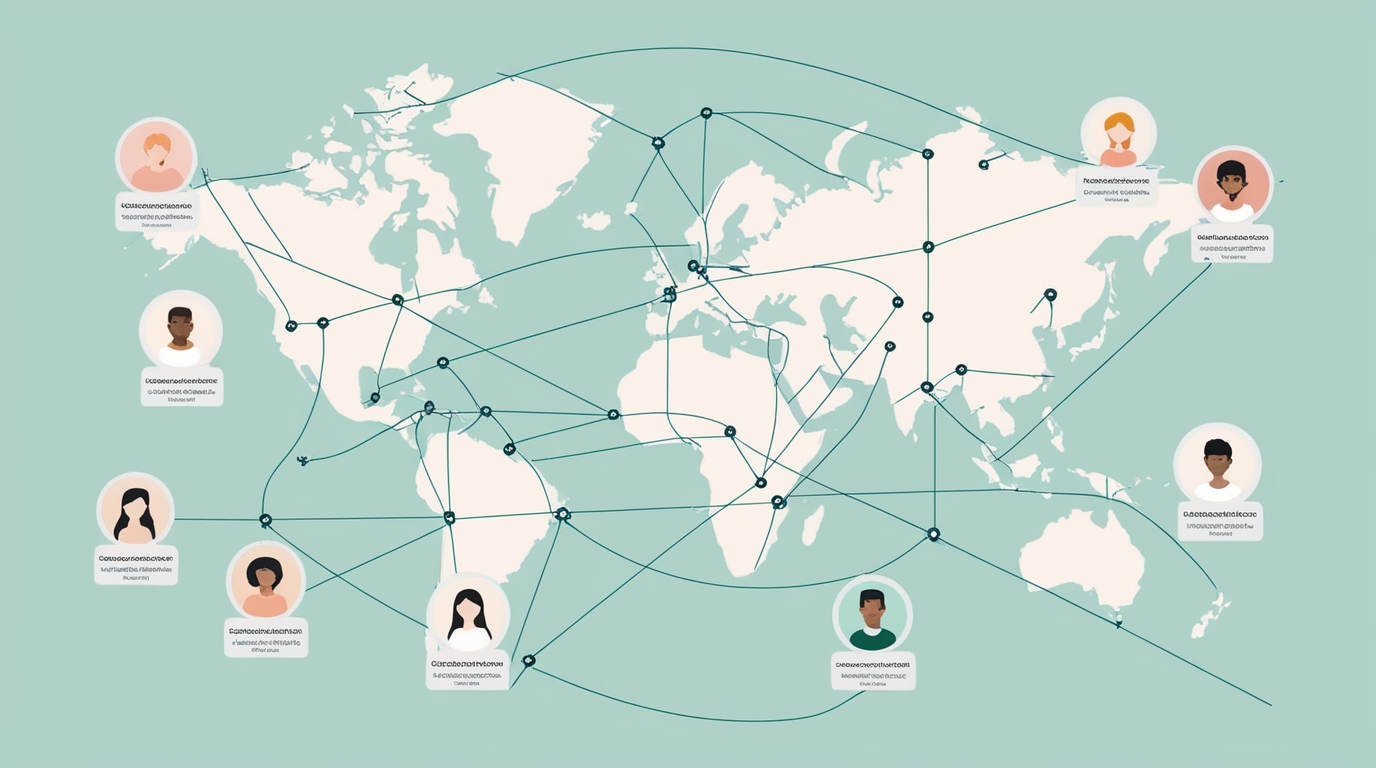
Crowdfunding is precisely what it sounds like: a collective effort where a group of people, or the “crowd,” comes together to fund a project by pooling their resources. This innovative approach enables numerous individuals to contribute smaller amounts, making it easier for creators to raise funds without relying on large sums from professional investors.

Crowdfunding platforms empower individuals to effortlessly come together and support various causes. By simply entering a URL and using an online payment method, backers can easily contribute their funds to initiatives they believe in.
How do crowdfunding platforms work?
Crowdfunding platforms play a crucial role in connecting investors with fundraisers by streamlining the payment process. They collaborate with a network of partners and systems to provide fundraisers with a range of attractive options, including flexible percentage rates and reduced fees. This synergy makes it easier for projects to secure funding while maximizing returns for investors.
Top crowdfunding platforms utilize effective strategies to engage everyday investors. For instance, rewards-based crowdfunding sites often entice backers with appealing perks, such as free merchandise, credits, or exclusive discounts. These incentives not only motivate contributions but also foster a sense of community among supporters.
11 best crowdfunding platforms
We’ve put together a comprehensive list of the top crowdfunding websites, organized by their incentive structures, specific focus areas, and a balanced view of their advantages and disadvantages. Dive in to find the perfect platform for your fundraising needs!
Kickstarter
Type: Reward-based
At just 15 years old, Kickstarter stands as one of the leading and most beloved reward-based crowdfunding platforms in the world. With nearly $8 billion raised, it has successfully backed over 250,000 innovative projects, as highlighted on their official website.
Focus: Creative projects and start-ups
**Pros:** This platform is widely recognized and trusted, allowing backers to select their desired rewards tier based on their level of contribution. Additionally, projects that don’t reach their funding goals are not required to pay any fees.
Cons: Most focus is on creative projects, 32,000 projects raise less than $1,000 in funding
Fees: Platform fee of 5% if you meet your goal; payment transaction fees between 3% and 5% (for US)
Indiegogo
Type: Reward-based
Indiegogo, a premier platform for early adopters, is dedicated to empowering tech entrepreneurs. Since its inception in 2008, it has successfully launched over 800,000 innovative ideas, making it a vital resource for creators looking to bring their visions to life.
Focus: New solutions for everyday problems
**Advantages:** Showcases projects at all stages of development; boasts a 15+ year history of successfully launching initiatives; and highlights that 47% of campaigns that surpass their goals are led by women.
Cons: Focused on gear and solutions more than creative projects
Fees: 3-4% transaction fee in most countries, plus a nominal flat rate; transfer fees for all countries except the US
GoFundMe
Type: Donation-based
Description: GoFundMe proudly positions itself as “Your Home for Help,” offering a vital resource for those in need. The platform specializes in raising funds for medical expenses, urgent emergencies, educational initiatives, crisis relief efforts, and memorials, making it a versatile tool for various charitable causes.
Focus: Individuals and families in need, especially those vulnerable to natural disasters and health hardships
Pros: Focused on philanthropy and creating a more caring society
Cons: No rewards—GoFundMe explicitly prohibits organizers (people raising the money) from offering any type of good or service to donors
Fees: GoFundMe collects 2.9% of the money raised + $0.30 transaction fee
Patreon
Type: Reward-based
Patreon is committed to empowering artists in expanding their fanbase and kickstarting their professional journeys. In addition to its funding platform, Patreon offers a social media aspect that enables creators to engage with their supporters through posts and direct messaging, fostering a vibrant community connection.
Focus: Small groups and individual creatives, especially content creators like performers, writers, podcasters, and game designers
Pros: Builds connections as well as resources; aesthetically pleasing; fans earn concrete perks like exclusive content for subscriptions
Cons: A high percentage of funds made on the platform goes to Patreon
Fees:
- Pro plan: 8%, plus applicable fees ranging from 2.9-3.9% of most transactions
- Premium plan: 12%, plus applicable fees ranging from 2.9-3.9% of most transactions
HubSpot Call-to-Action Code [if lte IE 8]>
<div id=”hs-cta-ie-element”></div>
<![endif] end HubSpot Call-to-Action Code
Crowdfundr
Type: Reward-based
Introducing Crowdfundr—the crowdfunding platform that prides itself on being “more powerful, more flexible, and more free.” Tailored for creators and independent businesses, Crowdfundr has made a significant impact since its launch in 2012, supporting over 200,000 campaigns and raising more than $250 million. Join a community that empowers your vision and helps bring your ideas to life!
Focus: Budding creators and entrepreneurs who may not have lots of funds
Pros: Lots of freedom for fundraisers to choose how the platform will get paid
Cons: Less well-known than other platforms
Fees: Three ways to opt into fees:
- Optional tips: supporters can tip the platform and organizers don’t pay fees
- **Fee Recovery**: Organizers request that supporters cover the 5% platform fee and payment processing costs; otherwise, the artist absorbs these expenses.
- Flat rate: organizers pay all the fees, and supporters don’t pay anything
Mightycause
Type: Donation-based
Mightycause embodies its mission through its name, aiming to champion social causes. While primarily focused on nonprofits, it also empowers teams and individuals who aspire to create a positive impact in their communities.
Key features: Offers donor management tools and real-time donation reports; also partners with organizations to run community-led “Giving Days”
Pros: Customizable donation campaign led by an experienced team
Cons: As a smaller company, it may not be suitable for every campaign type. Pricing can vary significantly—affordable for some organizations, but potentially costly for others, depending on their size.
Fees: Features two price models with different levels of service—Essential ($79/month) and Accelerate ($119/month)
Crowdcube
Type: Equity-based
Crowdcube is a platform that bridges the gap between investors and startup campaigns, allowing individuals to become official shareholders. With a strong commitment to transparency, Crowdcube provides an initial questionnaire to guide investors in making informed decisions about where to allocate their funds.
Focus: European startups
Pros: Widely considered a trustworthy platform (a certified B-Corp and a 4.5-star average rating from around 8,000 reviews)
Cons: They target investors who are deemed “sufficiently sophisticated,” meaning those who can grasp the risks associated with investing and are capable of making their own financial choices. However, this approach may not be appropriate for everyone.
Fees: No fees to join; investment fees are 2.49%
Fundable
Type: Rewards-based and equity-based
Description: Fundable connects innovative projects with accredited investors—those who meet specific income or net worth criteria. As one of the top fundraising platforms, Fundable offers investors a unique opportunity to select their preferred return, whether through rewards or equity shares.
Key features: Offers both self-managed and guided fundraising options
Pros: By providing a transparent list of prohibited projects—such as contests, “get rich quick” schemes, and “miracle cure” products—this platform demonstrates its commitment to seriousness and trustworthiness.
Cons: Only accessible to accredited investors registered in the US
Fees: $179 per month during active campaigns, plus payment processing fees
StartEngine
Type: Equity-based
StartEngine is dedicated to empowering ambitious start-ups aiming for growth. This platform provides a unique opportunity for investors to buy, sell, and trade shares in a variety of eligible companies. Additionally, it’s worth noting that SeedInvest is now a part of the StartEngine family, expanding the options available to investors and entrepreneurs alike.
Focus: Fundraisers with a strong grasp of investing process and business practices
Pros: Well-known leadership team with a proven track record of success in their professional ventures
Cons: Seemingly less diverse than other companies; website less user-friendly than competitors
Fees: Offers two plans with two different levels of service:
- Regulation Crowdfunding: raise up to $5 million
- Regulation A+: raise up to $75 million
Their pricing models can be somewhat intricate, as they require a financial review or audit of your company as part of the process. To learn more, check out StartEngine’s FAQ page for detailed information.
CrowdStreet
Type: Reward-based
CrowdStreet is a vibrant platform dedicated to connecting real estate investors with exciting fundraising opportunities. Since its inception, the CrowdStreet team has showcased more than 177 investment deals from 343 diverse sponsors, successfully raising over $4.3 billion in capital. Join the growing community of investors leveraging this innovative site to explore and fund real estate ventures.
Focus: Accredited investors looking to build a portfolio in private real estate
Pros: Potentially less risky than investing in the stock market, which may attract investors
Cons: Purely for accredited investors interested in real-estate ventures; non-transparent pricing
Fees: No general information available on the website–fees are tailored to each fundraiser and its needs
Crowdfunder
Type: Reward-based
Crowdfunder is dedicated to empowering organizations throughout every phase of their campaigns. To date, it has successfully assisted over 175,000 projects in raising an impressive total of over £100 million.
Key features: Divides fundraising into three causes: donation, rewards, and community shares
Pros: Flexible pricing for different types of crowdfunding projects; offer + Extra funding for eligible projects
Cons: Solely focused on UK-based businesses and projects
Fees:
- Charitable causes and non-profit campaigns: Platform fees are 0% and transfer fees are 1.9%
- For-profit campaigns: Platform fees are 5% and transfer fees are 2.4%
Crowdfunding mistakes to avoid
These standout crowdfunding platforms for startups and individuals highlight the thrilling potential of crowdfunding. However, it’s crucial to remain adaptable and open-minded throughout the process. Keep in mind that numerous supporters are joining you on your unique journey, contributing to your project’s success.

Striking the right balance in crowdfunding is crucial. Setting an overly ambitious fundraising goal or timeline can discourage potential investors, while overloading your campaign with rewards might hinder your success. To navigate this effectively, take the time to evaluate your choices at each step of the crowdfunding journey.
Tips on running a successful crowdfunding campaign
Running a successful crowdfunding campaign starts with effective organization. When you have a clear plan in place, you can actively engage potential backers from the outset. Being organized not only helps you craft an inspiring pitch but also instills confidence in your project, making it easier to attract investors who believe in your vision. By demonstrating strong organization and direction, you build trust among backers and create an inviting atmosphere for support.
Conclusion
In conclusion, successful crowdfunding hinges on effective organization and a healthy dose of patience. To kick off our research, we identified and outlined ten of the top fundraising platforms tailored for startups and entrepreneurs.
Feeling uncertain about where to begin? Explore our curated list of the top crowdfunding platforms for startups to kickstart your journey. Utilize our insights on key features, advantages, and drawbacks to help you make an informed decision. Keep in mind, there isn’t a one-size-fits-all crowdfunding solution, so take the time to research and find the best fit for your needs.
Frequently Asked Questions
What is crowdfunding?
Crowdfunding is a collective effort where a group of people comes together to fund a project by pooling their resources.
How do crowdfunding platforms work?
Crowdfunding platforms connect investors with fundraisers, streamlining the payment process and offering various attractive options.
What types of crowdfunding platforms are available?
There are various types of crowdfunding platforms, including reward-based, donation-based, and equity-based platforms.
What should I avoid when running a crowdfunding campaign?
Avoid setting overly ambitious fundraising goals or timelines and overloading your campaign with rewards.
How can I run a successful crowdfunding campaign?
Running a successful crowdfunding campaign requires effective organization, a clear plan, and engaging potential backers from the outset.