- Climate vs. Weather
- English Vocabulary About Climate & Weather
- English Terms Used by Meteorologists
- Sayings in English about the Weather
- Frequently Asked Questions
- What is the difference between climate and weather?
- Can you give examples of weather vocabulary?
- What are some English terms used by meteorologists?
- What are some sayings about weather in English?
- How can I improve my conversation skills about weather?
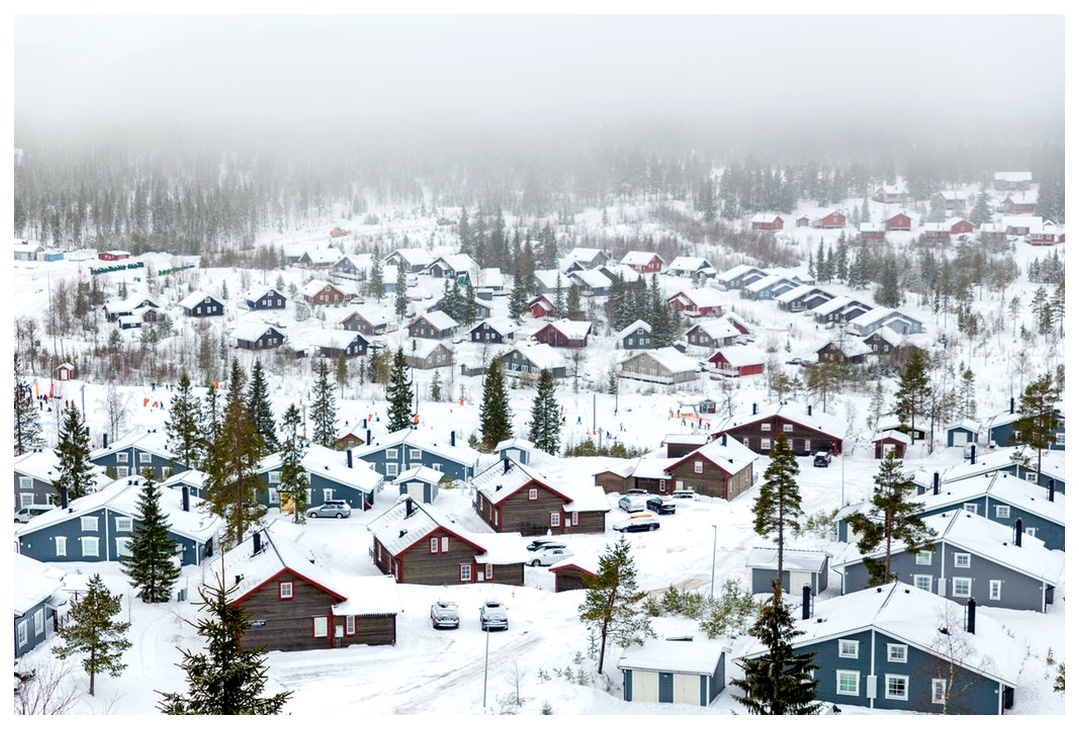
Stuck on what to say? The weather is always a great topic! To help you navigate conversations about climate and weather in English, we’ll explore some simple, memorable vocabulary. With this knowledge, you’ll be ready to engage in discussions about various weather phenomena. Step outside, take a look around, and you’ll confidently know what to say and how to talk about it!
“Climate is what we expect, weather is what we get.” – Mark Twain
Climate vs. Weather
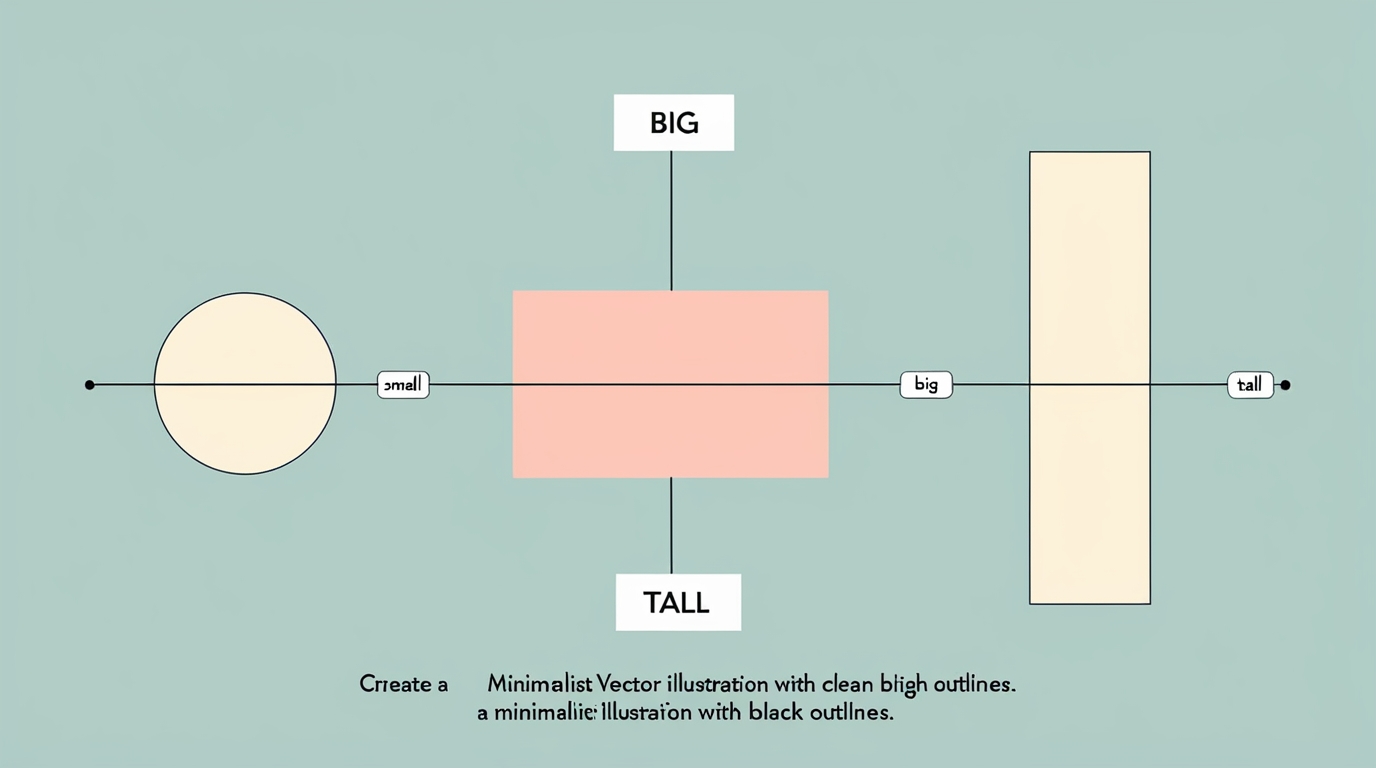
So to start, let’s learn two basic words and what makes them different.
Climate – the weather conditions prevailing in an area in general or over a long period.
Weather – the state of the atmosphere at a place and time as regards heat, dryness, sunshine, wind, rain, etc.
It can be seen that “climate” has a much broader meaning than “weather.”
For example:
- What’s the weather like today? – It’s sunny and a little windy today.
- What’s the climate in Spain? – It’s the Mediterranean.
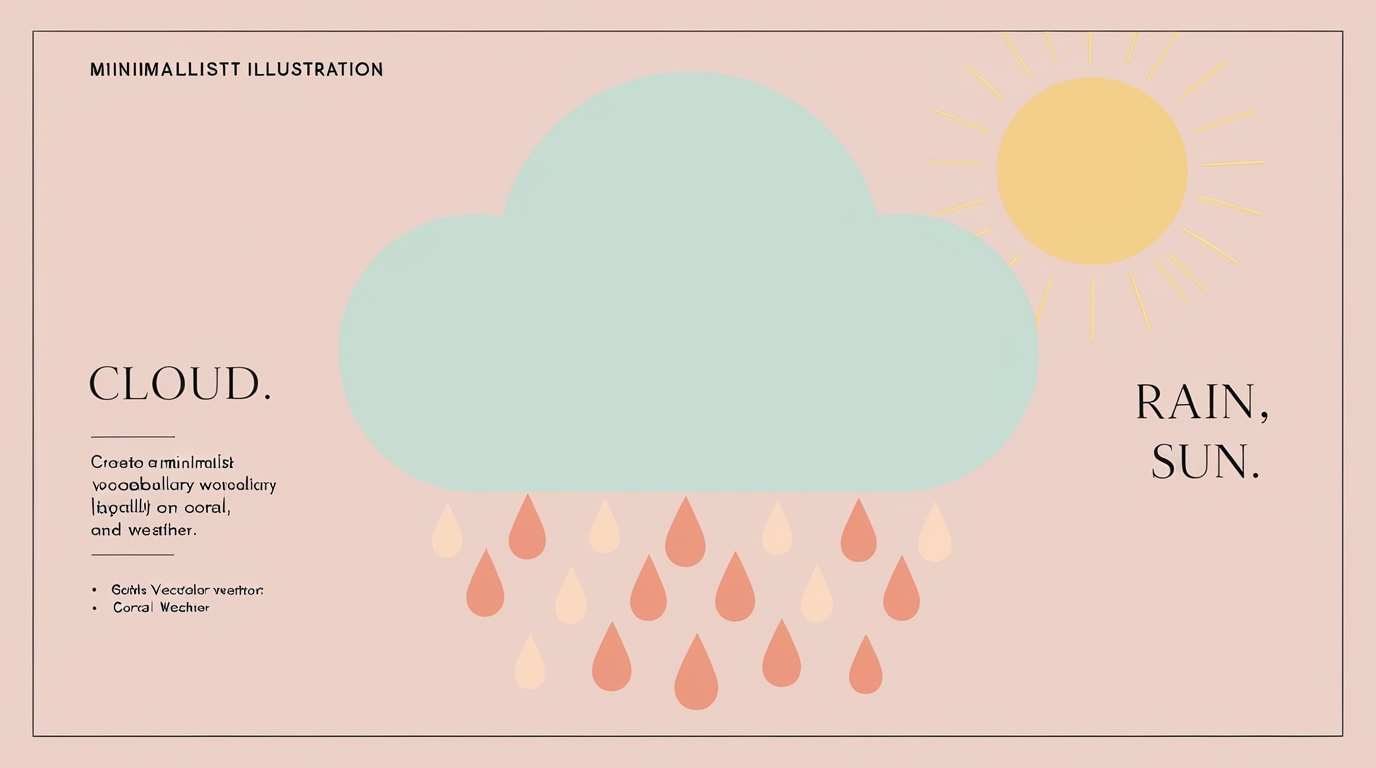
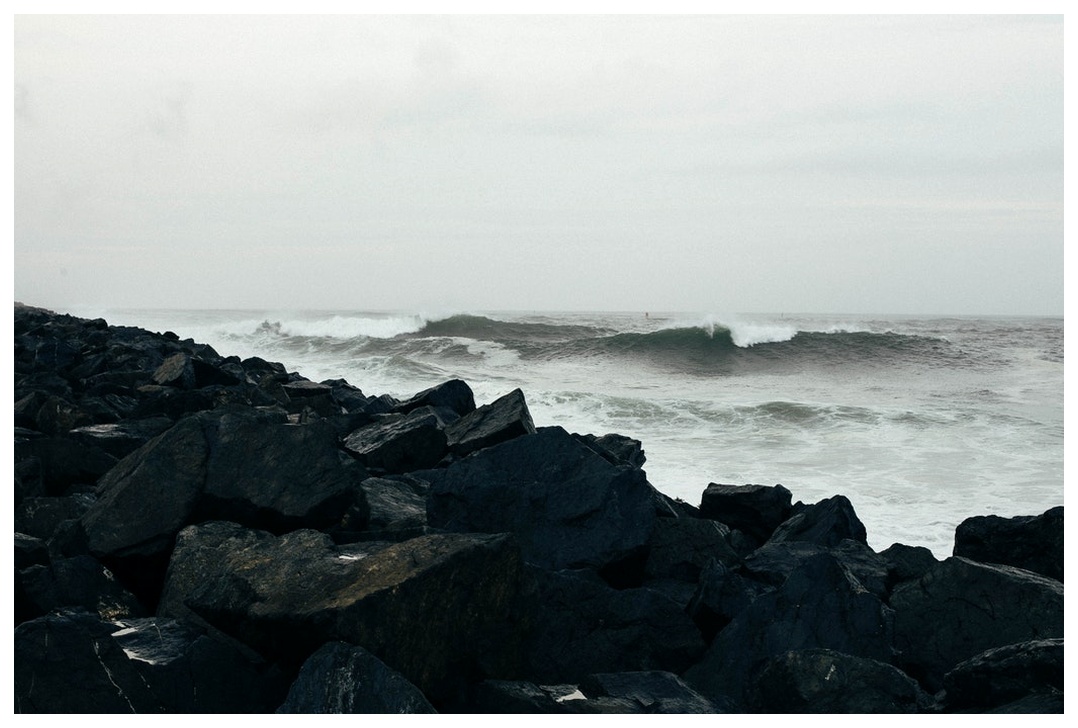
English Vocabulary About Climate & Weather
- Flood
- Drought
- Famine
- Earthquake
- Tsunami
- Blizzard
- Squall
- Storm (variations include ice storm, snowstorm, rainstorm, windstorm, sandstorm)
- Hail
- Drizzle (small raindrops)
- Sleet
- Frost
- Overcast
- Smog (air pollution)
- Snowfall
- Mudslide
- Avalanche
- Volcanic eruption
- Typhoon
- Monsoon
- Tornado
- Hurricane
- Cyclone
- Heat wave
- Snow/snowflakes
I invite you to watch a video from the Museum of Natural History regarding natural phenomena and events.
English Terms Used by Meteorologists

- Temperature
- Humidity
- Rainfall
- Thunderstorm
- Fog/Mist (foggy, misty)
- Atmospheric pressure
- Wind velocity and direction
- Solar radiation
- Cloudiness
- Storm possibility
- Tropical storm
- Water vapor
- Wind chill
- Air pressure
Sayings in English about the Weather
- There’s no bad weather, there are just bad clothes.
- After rain comes fair weather.
- If bees stay at home, rain will soon come; if they fly away, fine will be the day.
- A warm November is the sign of a bad winter.
- Rainbow at noon, more rain soon.
- The higher the clouds, the better the weather.
That’s it! Expand your English vocabulary by learning new words. Practice speaking with others, incorporating these new terms into your conversations to enhance your communication skills.
P.S. What expressions about weather do you know?
Frequently Asked Questions
What is the difference between climate and weather?
Climate refers to the long-term weather conditions in an area, while weather describes the current atmospheric state at a specific time.
Can you give examples of weather vocabulary?
Examples include flood, drought, hurricane, tornado, and blizzard.
What are some English terms used by meteorologists?
Terms include temperature, humidity, rainfall, wind velocity, and atmospheric pressure.
What are some sayings about weather in English?
Sayings include ‘There’s no bad weather, there are just bad clothes’ and ‘After rain comes fair weather’.
How can I improve my conversation skills about weather?
You can expand your vocabulary and practice speaking with others by incorporating new weather-related terms into your conversations.