- Aussie slang using-ie, -ye, -y
- Aussie slang with “-o” & “-a”
- Other common Australian slang phrases
- Funny facts about Australian slang
- Summary
- Frequently Asked Questions
- What is Australian slang?
- Why is it important to understand Aussie slang?
- What are some common examples of Australian slang?
- How has Australian slang evolved over time?
- What is the significance of the term ‘Macca’s’ in Australia?
Are you gearing up for a trip to Australia or considering making it your home? If so, it’s a great idea to familiarize yourself with Aussie slang! The vibrant and distinctive expressions of Australian English can be quite puzzling if you’re not in the know, so getting a handle on them will enhance your experience Down Under.
Australian slang, featuring expressions like “fair dinkum” and “chook,” can be perplexing, yet it plays a vital role in shaping the nation’s culture and identity. Understanding these phrases offers a deeper insight into the Aussie way of life.
In this blog post, we’ll dive into some of the most popular Australian slang terms, exploring their meanings and providing tips on how to use them in conversation. So, pour yourself a cup of tea, and let’s jump right in!
Aussie slang using -ie, -ye, -y
Have you ever observed that many Australian slang terms end with -ie, -ye, or -y? These playful suffixes are often added to words to form endearing nicknames for people, places, or things, adding a touch of warmth and familiarity to the language.
To truly speak like a local, incorporating diminutive expressions into your conversation is essential. Here’s a list of some of the most frequently used ones:
- Barbie – barbecue
- Mushie – mushroom
- Sunnies – sunglasses
- Furphy – a strongly believed untrue story or rumor
- Billy – a teapot for boiling water
- Cossie – a swimming suit
- Prezzy – a present
- Brekkie – a breakfast
- Chrissie – Christmas
- Bikkie – a biscuit
- To cost big bikkies – to be too expensive
- Exy – a shorter version of “expensive”
- Footy – Australian football
- Lippy – lipstick
- Lollies – the same as lollipops
- Mozzie – a mosquito
- Polly – a police officer
- Pozzy – taking a good position
- Selfie – Self taken, self-portrait
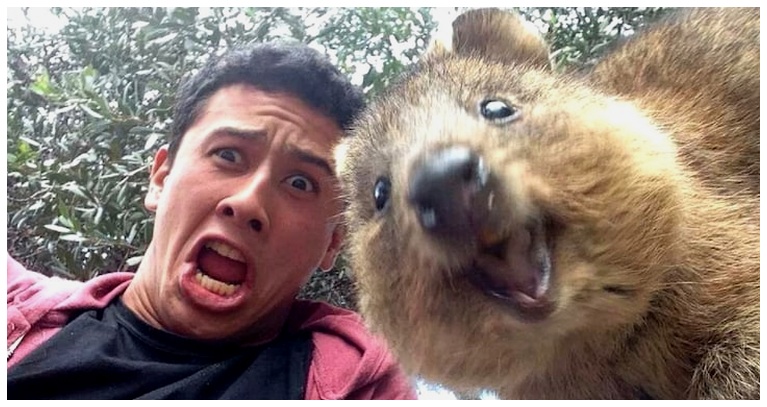
The term “selfie” has its roots in Australia, and one of the most comprehensive insights into its origin can be found in a Telegraph article. In essence, the word was coined by an Australian university student who had a penchant for shortening words with the playful “-ie” and “-ey” suffixes, even giving himself the nickname “Hopey.”
Following his lively birthday celebration, Hopey connected with a student forum to share his experience with a lip injury. He posted a photo of the injury, captioning it: “I had a 1cm long hole right through my bottom lip. Apologies for the blurry focus—it’s a selfie!”
Aussie slang with “-o” & “-a”
A unique characteristic of Australian slang is its tendency to end words with vowels such as “a” or “o.” This playful abbreviation style helps create a more relaxed and informal vibe, making it popular among friends and family during casual conversations.
Australian slang terms such as “arvo,” “servo,” and “bottle-o” are widely used and have their roots in British English, with “aggro” being a notable example. These playful abbreviations reflect the unique linguistic culture of Australia.
- Bizzo – business (“mind your own bizzo”)
- Ambo – ambulance, ambulance driver
- Milko – milkman
- Nasho – the National Services (obligatory military services)
- Relo – a relative
- Servo – a gas station
- Vego – a vegetarian
- Smoko – a short break for a smoke
- Defo – definitely
- Muso – a musician
- Preggo – pregnant
- Rego – registration of a vehicle
- Arvo – an afternoon
- Evo – an evening
- Avo – avocado
- Aggro – aggressive
- Seppo – an American
The Australian slang term “seppo,” which originated from “septic tank” as a playful reference to “Yank” (an American), is not commonly heard among younger Australians today. Similarly, many of the other expressions from this slang lexicon have also fallen out of favor with the youth in Australia.

Other common Australian slang phrases
In addition to the popular abbreviations and words ending in ‘o,’ Australia boasts a rich array of slang phrases. Some of these expressions are widely recognized across the country, while others are more unique and specific to certain regions.
Australian slang is distinctively known for its abundance of abbreviations, setting it apart from British and American slang. However, it also features a variety of colorful phrases that enrich its unique character.
Whenever you explore any Australian city, whether it’s vibrant Melbourne or scenic Victoria, you’re bound to encounter local slang. Here are some common terms you’re likely to hear:
- Bogan – Equivalent of the US slang term ‘redneck’, describing an uncultured person with unrefined speech, behavior, clothing, etc.
- Fair Dinkum – Something that is good or genuine
- Apples, she’ll be – It’ll be alright
- Banana bender – Someone from Queensland
- Dog’s breakfast – Complete chaos, mess
- Big Smoke – A large city like Sydney
- No worries – No problem
- Face, off one’s – Drunk
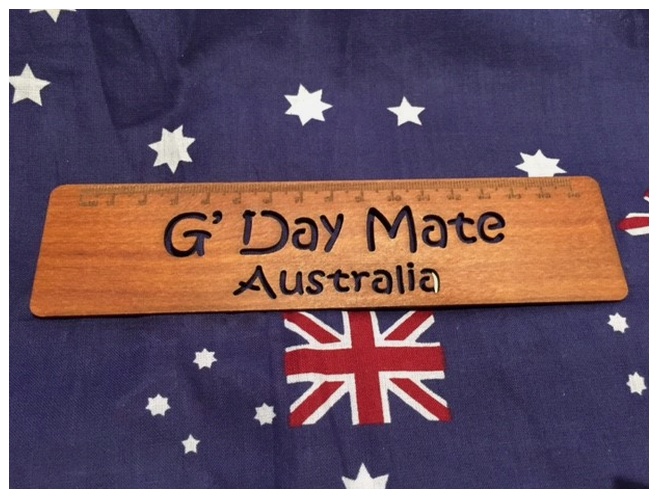
- G’Day – Hi!, Hello!
- Give it a burl – Have a try!
- Grinning like a shot fox – Absolutely satisfied and happy
- Good on ya – Good for you
- Liquid laugh – Puke, vomit
- Piece of piss – A very easy task
- London to a brick – Expressing certainty or high probability
- Good oil – A good idea or information
Funny facts about Australian slang
A recent study reveals an interesting trend in language usage among different age groups in Australia. Older individuals often prefer abbreviations that end in “-ie,” “-y,” or “-o.” In contrast, younger Australians from Gen Z and Gen Y are more inclined to append an “-s” to shortened words. For example, they refer to Ugg boots as “uggies,” firefighters as “firies,” and mobile phones as “mobes.” This shift highlights the evolving nature of colloquial language among generations.
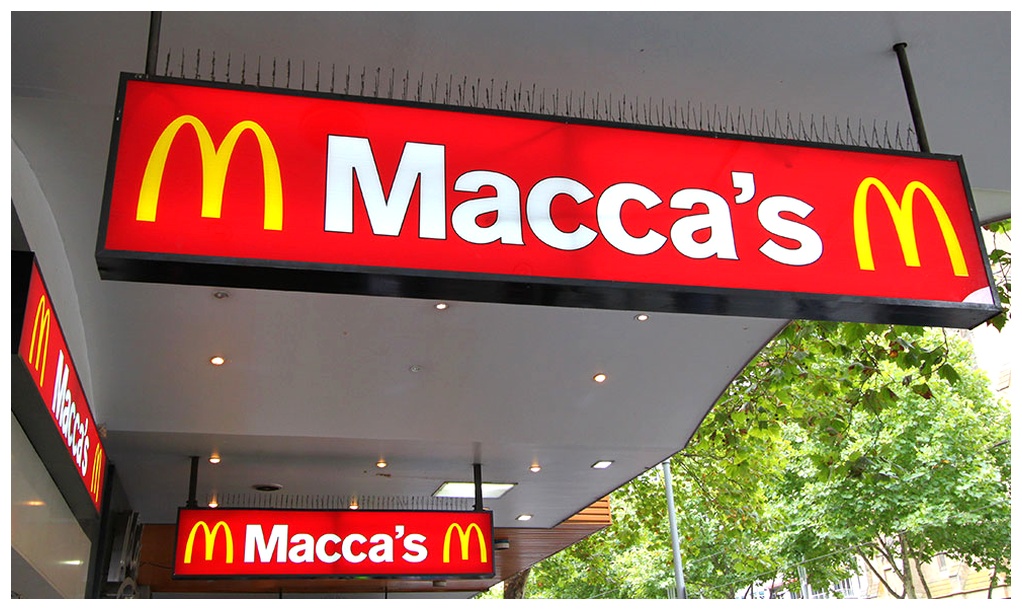
In a surprising move, McDonald’s has embraced a new identity in Australia, where nearly 50% of locals refer to the chain as “Macca’s.” This shift reflects the Australian penchant for affectionate nicknames. So, if you visit the land Down Under, you can expect a unique McDonald’s experience that sets it apart from locations around the globe!
Summary
Australian slang is a captivating and essential aspect of the nation’s culture and identity. Featuring everything from playful abbreviations to distinctive ‘o’ endings and a variety of quirky expressions, Aussie slang reflects the country’s vibrant culture. However, its uniqueness can often leave outsiders scratching their heads in confusion.
By getting to know these slang terms, you can enhance your understanding and communication with locals, and even impress them with your grasp of Aussie lingo.
If you’re gearing up for a trip or an extended adventure in Australia, make sure to familiarize yourself with some popular Aussie slang. By picking up these phrases, you’ll quickly find yourself chatting like a true-blue local!
Frequently Asked Questions
What is Australian slang?
Australian slang refers to the distinctive expressions and abbreviations used in Australian English, reflecting the country’s vibrant culture.
Why is it important to understand Aussie slang?
Understanding Aussie slang enhances your experience in Australia by providing deeper insights into the local culture and improving communication with locals.
What are some common examples of Australian slang?
Common examples include ‘barbie’ for barbecue, ‘sunnies’ for sunglasses, and ‘brekkie’ for breakfast.
How has Australian slang evolved over time?
Australian slang has evolved with generational shifts, where older Australians prefer abbreviations that end in ‘-ie’ or ‘-o,’ while younger generations often use ‘-s’ endings.
What is the significance of the term ‘Macca’s’ in Australia?
‘Macca’s’ is a popular affectionate nickname for McDonald’s in Australia, reflecting the local tendency to create endearing nicknames.