

- How to sell your language skills on your resume
- Describe your skills with an accepted proficiency standard
- Test your proficiency
- Free proficiency tests
- Trusted proficiency tests you can pay for
- Consider how best to format your skills
- Don’t exaggerate your speaking abilities
- 6 Top tips on improving your resume language
- 1. Start your sentences with action verbs
- 2. Omit personal pronouns
- 3. Use the language of the job description
- 4. Give specific evidence
- 5. Keep it simple!
- 6. Check, check and check again
- Go land that dream job!
- Frequently Asked Questions
- Why are language skills important for my resume?
- How should I assess my language proficiency for my resume?
- What should I include in the language skills section of my resume?
- How can I test my language proficiency?
- What are some tips for improving my resume language?

Language skills play a crucial role in enhancing your resume and can significantly influence your chances of being hired. Recruiters frequently prioritize language proficiency, particularly when candidates are non-native speakers of the company’s primary language. Mastering a language can be the key factor that sets you apart from other applicants.
This article will guide you on effectively highlighting your foreign language skills on your resume. Additionally, you’ll learn the essential conventions of English-language resume writing, including how to articulate your career achievements clearly and professionally.
If you’re looking to master the nuances of resume writing or showcase your proficiency in a second language, you’re in the right place. Check out these invaluable tips to elevate your presentation and make a lasting impression!
How to sell your language skills on your resume
With the rise of affordable flights and budget-friendly video conferencing tools, our world is becoming increasingly interconnected. As businesses embrace globalization, the demand for multilingual individuals is on the rise. Here’s how to effectively showcase your valuable language skills to potential employers.
Describe your skills with an accepted proficiency standard
What do “basic Portuguese skills” really entail? The answer varies from person to person! For some, it might mean a few weeks of using Duolingo, while for others, it could reflect classroom experience or the ability to hold simple conversations comfortably. This ambiguity often leads to misunderstandings when listing language skills on your resume. To set clear and realistic expectations, avoid simply naming the languages you know; instead, assess your proficiency using a recognized standard. Here are some options to consider:
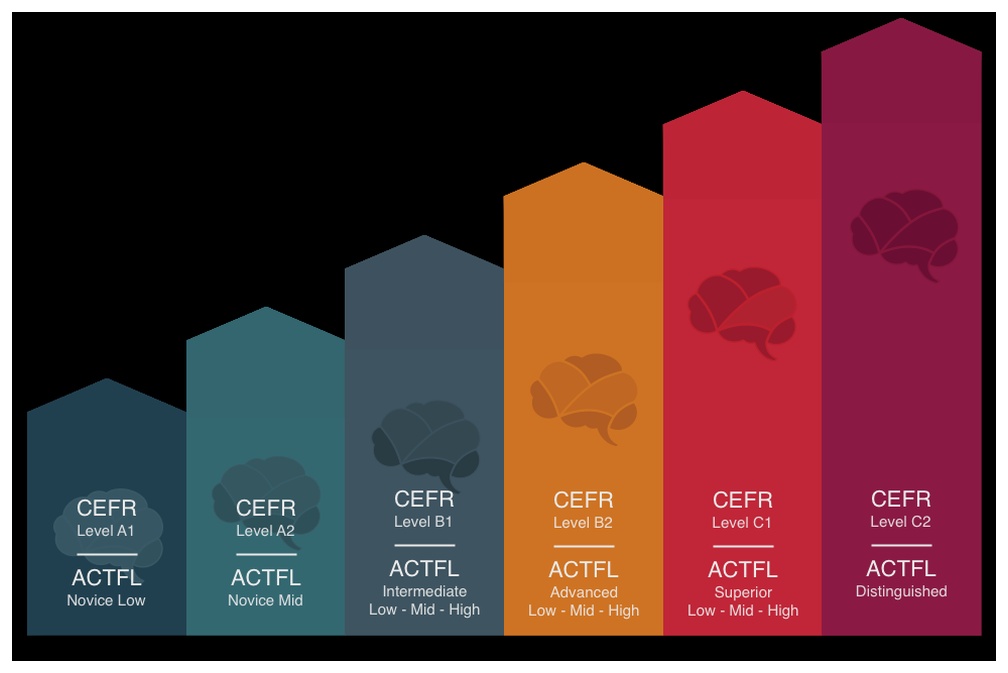
- The Common European Framework of Reference (CEFR) is Europe’s leading language framework, featuring six levels categorized into three groups: Basic User (A), Independent User (B), and Proficient User (C). Each group contains two sub-levels: A1, A2, B1, B2, C1, and C2.
- The American Council on the Teaching of Foreign Languages (ACTFL) framework is the most widely used method for assessing language proficiency in the U.S. It features five proficiency levels: Novice, Intermediate, Advanced, Superior, and Distinguished. The lower levels—Novice, Intermediate, and Advanced—are further divided into three sublevels: Low, Mid, and High.
- The Interagency Language Roundtable (ILR) scale is a five-level system used in the U.S. for assessing language proficiency in federal jobs. The levels are: 1) Elementary Proficiency, 2) Limited Working Proficiency, 3) Professional Working Proficiency, 4) Full Professional Proficiency, and 5) Native or Bilingual Proficiency. Users can append a “+” to indicate exceeding a level’s criteria without reaching the next one. Additionally, proficiency can be specified for different skills—reading, speaking, listening, and writing—using initials (e.g., Swahili R-2, S-1+). LinkedIn also employs this framework, so reviewing ILR criteria can enhance your language proficiency selection on your profile.
- Canadian Language Benchmarks (CLB) is the most widely used second language measurement system used in Canada.
When detailing your language proficiency, aim to align it with the framework your potential employer already uses. For university applications, check the language department’s website for specific guidelines. If you can’t find this information, feel free to select a relevant framework—like CEFR for European companies or ILR/ACTFL for American institutions—or stick with the one used for your existing qualifications. Consistency is key; make sure to describe your language skills using the same standard throughout your CV.
Confused about how to align your language skills with the CEFR and ACTFL frameworks? Check out this helpful comparison chart to clarify the differences!
Test your proficiency

If your suitability for a job depends on your language skills, it’s vital to describe them accurately!
Are you applying for a job that doesn’t explicitly require a second language? Fortunately, you likely won’t have to demonstrate your language skills. However, it’s important not to exaggerate your bilingual abilities. While you don’t need to obtain a certification, you can assess your proficiency level by considering:
- Carefully reading the specification of the frameworks
- Review learning resources for your selected framework to find those best suited to your skill level.
While language certificates typically don’t expire, it’s important to note that your proficiency may decline if you haven’t practiced recently.
Free proficiency tests
Explore a variety of free online tools designed to assess your proficiency level. Try out any of these resources to get started!
- If you need to measure your proficiency in English, Spanish or German, LingualNeeds offers all active students a free CEFR test.
- Cactus allows you to identify your CEFR level in a host of languages, from Hindi to Italian, Polish to Thai.
- TestYourLanguage.com offers free tests in Spanish, Italian, Arabic, French and English with both ACTFL and CEFR gradings.
Trusted proficiency tests you can pay for
Proving your language skills can be a bit more demanding if you don’t already have valid certificates. In that case, you may need to schedule a language test. Here are some reputable testing companies to explore:
- To obtain ACTFL language certification, visit Language Testing International, the exclusive license holder. They offer 30-minute online tests in various languages, starting at approximately $150.
- The European Consortium for the Certificate of Attainment in Modern Languages offers qualifications ranging from A2 to C1 CEFR levels in various European languages, including Bulgarian, Croatian, Czech, English, French, German, Hebrew, Hungarian, Italian, Polish, Romanian, Russian, Serbian, Slovak, and Spanish. Testing is available at centers in hundreds of countries worldwide.
- TELC offers language tests in English, German, Turkish, Spanish, French, Italian, Portuguese, Russian, Polish, and Arabic, aligned with CEFR levels, through a network of over 3,000 examination centers globally.
If you’re looking to pursue a language qualification, there are specialized tests available for many languages beyond the general options. It’s worthwhile to explore accredited programs in your area. Keep in mind, however, that obtaining a language qualification can be costly. If you’re a student or an academic, consider reaching out to your institution to negotiate a possible discount.
It’s important to understand that there is no formal ILR test. If an employer asks you to evaluate your skills on this scale, they are inviting you to self-assess your abilities.
Consider how best to format your skills
Showcasing your language skills on your resume can vary based on the context, but two key factors to consider are: the relevance of these skills to the job and how significantly they have influenced your career. If you’re exploring this guide, it’s likely that both factors weigh heavily in your favor. In that case, highlighting your language proficiency on your resume is essential.
To make your language skills truly shine, create a dedicated section just for them. This approach ensures that crucial information doesn’t get buried under a general “Skills” heading, where it could easily blend in with unrelated items like a brief social media course or your driver’s license. Even if you only speak one non-native language, listing it alongside your mother tongue in a compact section makes it clearer for the reader and highlights your linguistic abilities effectively.
Being bilingual is a remarkable asset that should be prominently featured on your resume. Native speakers possess an unparalleled mastery of their languages, making fluency in two languages even more advantageous. Be sure to showcase this skill in your bio or header—the brief section at the top of your resume that encapsulates your professional identity. For example:
- Occupational Therapist with two years of experience. Bilingual in English and Hindi.
- Bilingual Content Marketing professional (French, Portuguese) with an MA in marketing and three years of industry experience.
Have languages significantly influenced your career path? If they have, consider highlighting your language skills throughout your resume, including a dedicated section for them. You can effectively showcase these abilities by listing the languages you’ve utilized in your roles alongside your job titles.
- Customer Services Representative (German speaking)
- Head of IT (Swahili-speaking office)
Or by describing responsibilities which utilized your language skills when expanding upon the details of your role, like so:
- Negotiated with clients on the phone in Spanish and English.
- Gave Italian-language tours of Naples.
- Headed up an Arabic-speaking office.
Don’t hesitate to mention your language skills in both a dedicated section and within the descriptions of your previous roles. Remember, a resume is designed to highlight your abilities quickly, as many employers will skim through it. Additionally, they understand that there’s a significant distinction between holding a B2 German qualification and applying it effectively in a work environment. If you possess both the certification and practical experience, emphasize this to demonstrate your commitment to mastering the language and your capability to use it in real-world situations!
Don’t exaggerate your speaking abilities

One crucial tip for listing your language skills on your resume: be honest about your proficiency levels. While it’s common for applicants to embellish their qualifications, language skills are not an area where you want to stretch the truth. Even if a job doesn’t explicitly require a second language, misrepresenting your abilities can lead to awkward situations if your actual skills are revealed. Stay truthful to maintain your credibility!
Imagine this: you’re casually chatting by the watercooler when a colleague exclaims, “I heard from HR that you’re fluent in Cantonese—how fantastic! 你好嗎?” You confidently claimed to be an advanced speaker, but in reality, you can only manage a few basic phrases. While your coworkers may be understanding, this misrepresentation could tarnish your credibility and lead them to question your other accomplishments.
It’s important to note that not everyone intentionally inflates their language skills. If you’re embarking on learning a new language, it’s common to misjudge your proficiency. To gain a clearer understanding of your abilities, consider scheduling a session with a language tutor through LingualNeeds. They can provide you with an honest assessment of your current skills.
6 Top tips on improving your resume language
Crafting an outstanding resume requires a unique set of language skills that differ significantly from those used in other writing tasks. Even talented writers of emails, reports, and stories can find it challenging to strike the right tone in their resumes.
When it comes to crafting your resume, simplicity is key. Present your accomplishments in a clear and straightforward manner, ensuring that potential employers can grasp your qualifications effortlessly. Here’s how to effectively implement this approach:
1. Start your sentences with action verbs
A resume serves as a comprehensive record of your work history, detailing each job you’ve held along with the duration of your employment. It typically features a skills section and often includes bullet points highlighting your key responsibilities and accomplishments for each position. To enhance the impact of your resume, embrace a powerful writing technique: begin your sentences with strong action verbs. For example:
- Interviewed candidates for managerial positions.
- Investigated burglaries and robberies in the CT78 postcode.
- Analysed analytics data every quarter.
Copywriters refer to this technique as “front-loading,” which involves placing the most crucial information at the beginning of sentences. While it might feel a bit unconventional or grammatically questionable, this approach allows readers to quickly grasp key details about your skills. Considering that potential employers sift through dozens, if not hundreds, of resumes, it’s essential to capture their attention right away and make your application stand out.
Pro tip: Begin your sentences with vibrant action verbs to create more impact. Replace dull words with more compelling synonyms to elevate your accomplishments. For example, transform “started a new student program” into “launched a new student program,” or change “answered customer complaints” to “resolved customer complaints.” These adjustments can significantly enhance the perception of your achievements.
If this feels overwhelming, consider scheduling a lesson with a LingualNeeds English tutor. They’re eager to assist you in refining your CV and crafting a polished, professional narrative about your career.
2. Omit personal pronouns
When it comes to listing language skills on your resume, a unique guideline is to steer clear of using “I” and “we.” This approach helps lend a more objective and factual tone to your writing, presenting your impressive accomplishments as if they are being described by an impartial observer rather than by you. For instance, let’s look at how this can be effectively applied:
- Conducted weekly lectures for a cohort of 30 students and facilitated biweekly seminars, leading to collaboration with top students on a research project.
Might be written on a resume as:
- Lectured weekly to a 30-strong student cohort, led fortnightly seminars, collaborated with top students on a research project.
This sentence structure may not feel natural or typical in everyday conversation, but it’s perfect for crafting a compelling resume. Using this approach will help you maintain a professional tone that can set you apart from other candidates!
3. Use the language of the job description

Want to boost your resume’s chances of standing out? Use the exact words and phrases from the job advertisement you’re targeting. Tailoring your language to match the job description can significantly enhance your appeal to potential employers.
Many larger companies evaluate candidates using a competency grid, which means they assess resumes based on how well they align with the skills outlined in the job advertisement. For instance, if a hiring manager is looking for someone with “experience negotiating client contracts,” and your resume states “Negotiated client contracts,” you’ve just earned a significant advantage!
Most employers are savvy enough to recognize when you’ve simply substituted synonyms. Instead of making them work harder to understand your fit for the role, why not highlight your qualifications using the exact language from the job description? Tailor your resume to each position by incorporating relevant keywords and phrases. This simple adjustment can significantly enhance your chances of success.
4. Give specific evidence
Consider your resume as a persuasive argument aimed at showcasing why you’re the ideal candidate for a position. Just like in a courtroom, the key to making a compelling case — whether in front of a judge or a potential employer — lies in presenting clear, specific, and relevant evidence that supports your qualifications.
Many candidates are vague when describing their career achievements. Statements might look a bit like this:
- Developed a large Twitter presence
But if you want to win someone over, they will be far more convinced by facts and figures:
- Grew Twitter account by 3k followers in Q2.
Certainly, while some accomplishments are straightforward to measure, others may not lend themselves to easy quantification. However, even if you can’t assign a numerical value to your success, there are likely effective ways to articulate it in a more concrete manner.
Identifying our own success metrics can be challenging, but gaining a fresh perspective from a friend or colleague can be incredibly valuable. For example, you might feel that you’ve enhanced relationships between management and staff, but without specific examples, that assertion can come off as vague. A colleague, however, could provide clarity on the impact of your leadership by recalling how you consistently checked in with staff to gauge their sentiments or organized monthly team outings. These concrete details not only enrich your narrative but also create a more compelling and credible account of your achievements!
5. Keep it simple!
When it comes to showcasing your language skills on a resume, simplicity is key. You want potential employers to quickly grasp your qualifications and remember your accomplishments. To achieve this, avoid cluttering your descriptions with excessive adjectives or adverbs. For example,
- “skillfully negotiated contracts”
Would become,
- “negotiated contracts”
It’s important to showcase your accomplishments confidently without coming across as arrogant. Using descriptive language can sometimes give the impression that you need to exaggerate your career experiences to appear qualified for the role. If you choose to include adjectives, remember that subtlety is key—less is often more. While it may be tempting to pile on multiple descriptors, like saying “dedicated and innovative,” it’s best to stick to one or two impactful words to convey your strengths effectively.
- “hardworking, friendly and organised marketing professional”
Using three adjectives might seem like a great way to impress an employer, but it often leads to confusion, making it harder for any of them to leave a lasting impression. For the strongest impact, focus on just one adjective at a time. For example, when someone describes themselves with a single powerful word like:
- “hardworking marketing professional”
This indicates that the applicant views this quality as a vital part of their identity. As a result, an employer is more likely to pay attention to their choice of words and view it with greater significance.
Another tip is to swap out complicated nouns for simple ones where possible.
For instance,
- “motivated individual”
would become
- “motivated person”
Many job seekers often use complex English in their resumes to appear more formal, but this approach can backfire. Using straightforward language to describe your skills and experiences demonstrates authenticity and professionalism, making a stronger impression on potential employers.
6. Check, check and check again
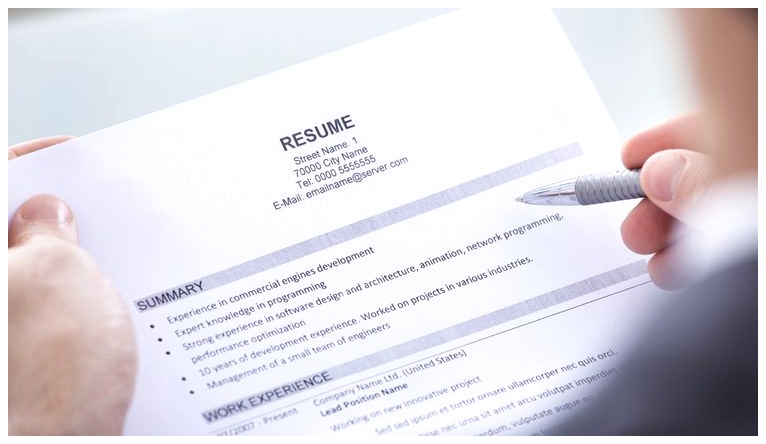
Typos, spelling errors, formatting issues, and awkward phrasing can make or break your resume. To increase your chances of success, it’s essential to proofread your resume at least twice before submitting it. Don’t forget to verify if the company requires a cover letter too!
Anyone who’s ever written knows how challenging it can be to catch mistakes in their own work! To start, utilize tools like Grammarly or Microsoft Office’s spell checker to automatically identify typos. Next, gain some objectivity by viewing your resume in a different format, such as on your phone, tablet, or even as a printed copy. If possible, take a break for a day or two before doing a final review—this can help you spot errors more easily.
Want to ensure your resume is flawless? Enlist a second pair of eyes to review it. Even the most talented writers benefit from an editor’s touch. While it might feel a bit uncomfortable to share your accomplishments, a fresh perspective can uncover details you might have overlooked. Plus, by simplifying your language and focusing on action verbs, you’ll find there’s less to feel self-conscious about!
Looking to elevate your resume? Schedule a session with a LingualNeeds English tutor for professional insights and tailored advice to enhance your resume language. Get expert guidance to stand out from the crowd!
Go land that dream job!
You’ve expertly articulated your language skills, whether it’s your second, third, fourth, or even fifth language, presenting them in a highly professional manner. Additionally, you’ve polished your resume with concise and impactful language. Now, all that’s left is to submit your application and eagerly await those email updates!
We’re cheering you on! With a standout resume in hand, we hope it catches the eye of an employer. Before you know it, you’ll be ready to dive into our guide on interview preparation!
Frequently Asked Questions
Why are language skills important for my resume?
Language skills enhance your resume and can significantly influence your chances of being hired, especially for non-native speakers.
How should I assess my language proficiency for my resume?
Assess your proficiency using recognized standards like CEFR, ACTFL, or ILR to provide clear expectations.
What should I include in the language skills section of my resume?
Create a dedicated section for your language skills, clearly listing them alongside your proficiency levels.
How can I test my language proficiency?
You can test your proficiency using free online tools or by scheduling tests with reputable testing companies.
What are some tips for improving my resume language?
Use action verbs, omit personal pronouns, tailor your language to the job description, and keep your descriptions simple and clear.


