- Meeting someone for the first time
- Simple Russian greetings
- Russian introductions
- Greeting people you know
- Saying please, thank you, and goodbye in Russian
- Being polite in Russian
- Russian farewells
- Some Russian cultural considerations
- The final word on Russian greetings
- Frequently Asked Questions
- What are some basic Russian greetings?
- How do you introduce yourself in Russian?
- What are some polite phrases in Russian?
- What should you do when meeting a stranger in Russia?
- How do you say goodbye in Russian?
I boarded the 12:10 train from Helsinki to Saint Petersburg, excited for my journey. With my Russian tourist visa in hand and a hotel reservation just a stone’s throw from the vibrant Church of the Savior on Spilled Blood, everything seemed perfect. However, my anticipation quickly shifted as two Russian border guards made their way down the aisle, checking passengers’ documents.
I found myself surprisingly anxious. My grasp of Russian was limited to just a few phrases: “Да” (yes), “Нет” (no), and “Я понимаю” (I understand), none of which offered much help. While my passport, visa, and friendly smile helped me navigate, I felt a twinge of disappointment for not being able to express a simple good morning or thank you.
Whether you’re striving to speak Russian fluently or just want to learn some essential phrases for your travels, you’re in the right place! Starting with a few formal and informal greetings and farewells is a great way to begin your journey into the Russian language.
Whether you’re chatting casually by the stunning shores of Lake Baikal or embarking on your first online lesson with a Russian teacher, here are some tips to help you begin with confidence.
Meeting someone for the first time

When you meet someone new, knowing a few basic Russian phrases can make a great impression. To assist you, we’ve compiled a list of common Russian greetings and farewells that will help you connect with others effectively.
For each phrase presented in Cyrillic (the Russian alphabet), we’ve provided its Latin alphabet equivalent to assist with pronunciation. To enhance your learning, we recommend using an online dictionary like Pons, where you can listen to audio examples and become more familiar with native pronunciation.
Simple Russian greetings
- Доброе утро (dobroye utro): Good morning
- Добрый день (dobriy den): Good afternoon
- Добрый вечер (dobriy vyecher): Good evening
- Здравствуйте (zdravstvuyte): Hello
Russian introductions
When you encounter a stranger, the instinct might be to jump straight into introductions. However, that can come off as a bit forward. Instead, it’s better to first express a desire to connect and get to know each other.
- Давайте познакомимся! (davayte poznakomimsya!): Let’s get acquainted!
And, with any luck, your new potential friend will accept your proposal…
- Давайте! (davayte!): Let’s!
Let’s dive into the introductions! You have a few choices here. If you prefer a formal approach, you can ask:
- Как Вас зовут? (kak vas zovut?): What’s your name?
While a more informal alternative would be:
- Как тебя зовут? (kak tebya zovut): What do they call you?
To which, you can reply:
- Меня зовут… (meenya zavoot…): My name is…
Greeting people you know
As with most languages, informal Russian greetings are more straightforward than formal ones.
- Привет! (privet): Hi!
- Здрасте (zdraste): Hello
- Рад тебя видеть! (rat tebya videt’): Nice to see you!
While these greetings are common and casual, there are some more endearing alternatives. For instance, children often use the term Приветик (privetik), where the “ik” suffix adds a playful touch. However, adults typically reserve this form for conversations with kids. Another trendy abbreviation you might hear is Прив (priv), but this is mostly used among high schoolers, so it’s best to steer clear of it!
For English speakers, a typical way to greet friends, colleagues, or neighbors is by asking, “How are you?” or “How are things?” In contrast, native Russian speakers don’t typically use these phrases as casual greetings. When a Russian speaker inquires about your well-being, it reflects a genuine interest and signals a deeper engagement in the conversation. Here’s a look at some common questions you might encounter, along with potential responses:
- ‘Kак дела?’ (kak dela): How are you?
- Как поживаешь? (kak pozhivayesh’?): How are you doing?
- Спасибо, прекрасно! (spasibo, prekrasno): Fine thanks!
- Хорошо (khorosho) : Good
- Неплохо (neplokho): Not bad

Saying please, thank you, and goodbye in Russian
On our virtual journey through the Russian-speaking world, we’ve navigated introductions with strangers (remember, don’t smile too broadly!), rekindled connections with old friends, and forged new acquaintances. Now, let’s equip you with some friendly phrases to enhance your social interactions as you explore.
Being polite in Russian
- Пожалуйста (pozhaluysta): Please
- Спасибо (spasibo): Thank you
- Извините! (izvinite): Sorry!
- Простите (prostite): Excuse me
- Я не понимаю (ya ne ponimayu): I don’t understand
- Я плохо говорю по-русски! (ya plokho govoryu po-russki): My Russian is bad!
While we hope you never need to use this last tip, it can be a valuable tool for breaking the ice or helping your listener brace for the challenge ahead. Having it ready can make all the difference!
Russian farewells
- До свидания! (do svidaniya): Good-bye!
- Пока! (paka): Bye-bye!
- Увидимся (uvidimsya): See you
- Счастливого пути! (schastlivogo puti): Have a nice trip!
Some Russian cultural considerations
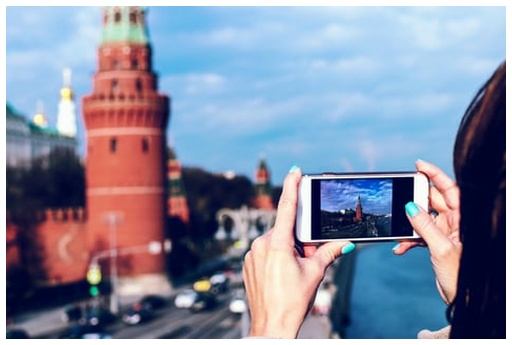
After considering the language itself, there are also a few cultural differences to understand.
When meeting a stranger, a firm handshake paired with direct eye contact makes a strong impression. If it’s winter and you’re wearing gloves, it’s best to take them off before extending your hand for a shake. This small gesture shows respect and creates a more genuine connection.
According to Nina Evason from Cultural Atlas, there’s an intriguing superstition that suggests avoiding handshakes or kisses when standing at a doorway. This belief stems from the idea that doing so could lead to disagreements with the person you’re greeting.
Next, let’s talk about the significance of smiling—or the lack thereof. A famous Russian proverb captures this sentiment well: “Смех без причины – признак дурачины,” which translates to “A smile without reason is a sign of foolishness.” This highlights the cultural belief that genuine smiles should stem from true emotions rather than being used frivolously.
Absolutely, sharing a laugh with friends and family is always welcome! However, in formal situations, a smile may not be required as a matter of courtesy.
The final word on Russian greetings
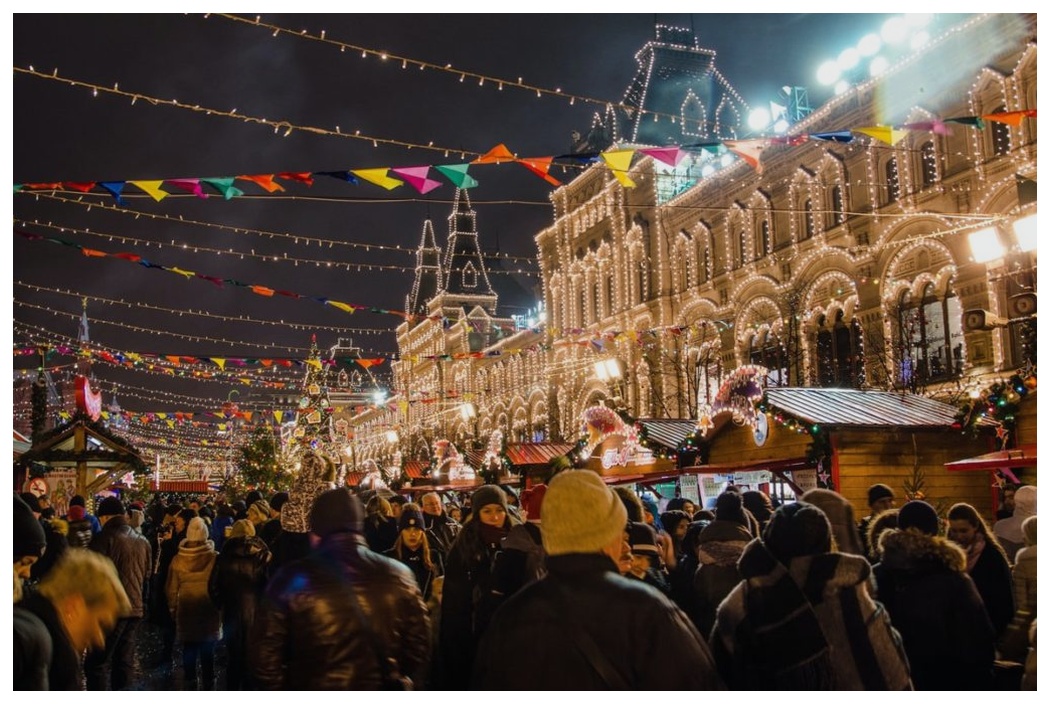
In this post, we provide a handy guide to essential Russian phrases to help you start conversations confidently, regardless of who you’re speaking with. For frequent travelers, mastering these phrases can make all the difference in your experience.
When you travel to a new country, taking the time to learn the local greeting is a meaningful way to show respect. It reflects your appreciation for the language, the culture, and the people you encounter.
To deepen your understanding of the Russian language beyond the basics, engaging with native speakers is crucial. Consider finding an ideal online Russian tutor who can help you learn anytime and anywhere, enhancing your speaking and listening skills effectively.
Удачи! (udachi): Good luck!
Frequently Asked Questions
What are some basic Russian greetings?
Some basic Russian greetings include Доброе утро (dobroye utro): Good morning, Добрый день (dobriy den): Good afternoon, Добрый вечер (dobriy vyecher): Good evening, and Здравствуйте (zdravstvuyte): Hello.
How do you introduce yourself in Russian?
To introduce yourself in Russian, you can say Как Вас зовут? (kak vas zovut?): What’s your name? and respond with Меня зовут… (meenya zavoot…): My name is….
What are some polite phrases in Russian?
Polite phrases in Russian include Пожалуйста (pozhaluysta): Please, Спасибо (spasibo): Thank you, Извините! (izvinite): Sorry!, and Простите (prostite): Excuse me.
What should you do when meeting a stranger in Russia?
When meeting a stranger in Russia, it’s important to offer a firm handshake and maintain direct eye contact, while also removing gloves if it’s winter.
How do you say goodbye in Russian?
To say goodbye in Russian, you can use До свидания! (do svidaniya): Good-bye! or Пока! (paka): Bye-bye!