

- Frequently Asked Questions
- What should I do to remain calm during customs?
- What is a common question asked at passport control?
- How should I answer if asked about the purpose of my visit?
- What is important to include when asked where I will be staying?
- What should I say if asked if I have anything to declare?

In this article you’ll learn how to go through customs/passport control in an international airport, answering questions in English.
Traveling to another country, whether for business or leisure, always involves navigating customs and passport control. This article is designed to assist first-time international travelers by shedding light on the potential challenges you might encounter at passport control, ensuring you’re well-prepared for your journey.
You might also be interested in our definitive guide to the most useful phrases for travel and travelers.
Remain Calm, Just Remain Calm…
The central takeaway of this article is simple: to breeze through customs and passport control with ease, project confidence and composure. When approached by a customs officer, respond promptly and with clarity. Speak loudly and succinctly, as many questions can often be answered with just a “yes” or “no.” Avoid overthinking your responses to ensure a smooth passage.
Don’t forget to gather all essential documents—such as your visa, work permit, and birth certificate—so you can easily present them to the customs officer if required. Being prepared will help ensure a smooth passage through customs.
Basic Questions You’ll Have to Answer in English
While this isn’t an exhaustive list of questions you might encounter at passport control, it includes the essential ones you should expect in English. Your responses and the context will shape the conversation. Stay calm—if you’re honest and transparent, there’s nothing to worry about. Keep in mind that appearing overly anxious may prompt additional inquiries, so approach the situation with confidence.
So, let’s get on with the questions…
- What is your final destination?
In other words, where are you going? Where are you flying to?
You can answer with one word – the name of the city.
For example:
– What is your final destination?
– Chicago/Paris/Madrid.
- How long will you be staying in the U.S.?
Even if you have an “open ticket,” don’t say “I don’t know.”
This will automatically arouse suspicion.
Say a definite period of time – a week, a month, a year, etc., and be prepared to show your ticket.
Instead of the U.S., you can say any other destination.
- What is the purpose of your visit?
You can answer this way:
- I came to visit my parents/relatives/friends
- Travelling
- To work
- I’m transiting here
You may be required to show documents, for example, a work permit, invitation, etc.
- Where will you be staying?
Where will you be staying? This is a crucial question, so it’s essential to provide a clear answer. Be sure to include the address of your relatives, friends, hotel, or hostel.
- How much currency are you carrying with you?
The regulations vary by country. For instance, when visiting the USA, you’re allowed to bring in up to $10,000 without needing to declare it.
Be very careful with this and be sure of the correct information ahead of time.
It’s good to be specific when answering this question: $1,000, $2,000, $500, etc.
- Who packed your bags?
Answer this question firmly: “I packed them myself.”
If someone inquires whether you received a gift to carry or if you left your bags unattended, simply respond with “no.” Responding affirmatively could lead to your bags being opened and thoroughly searched.
- Do you have anything to declare?
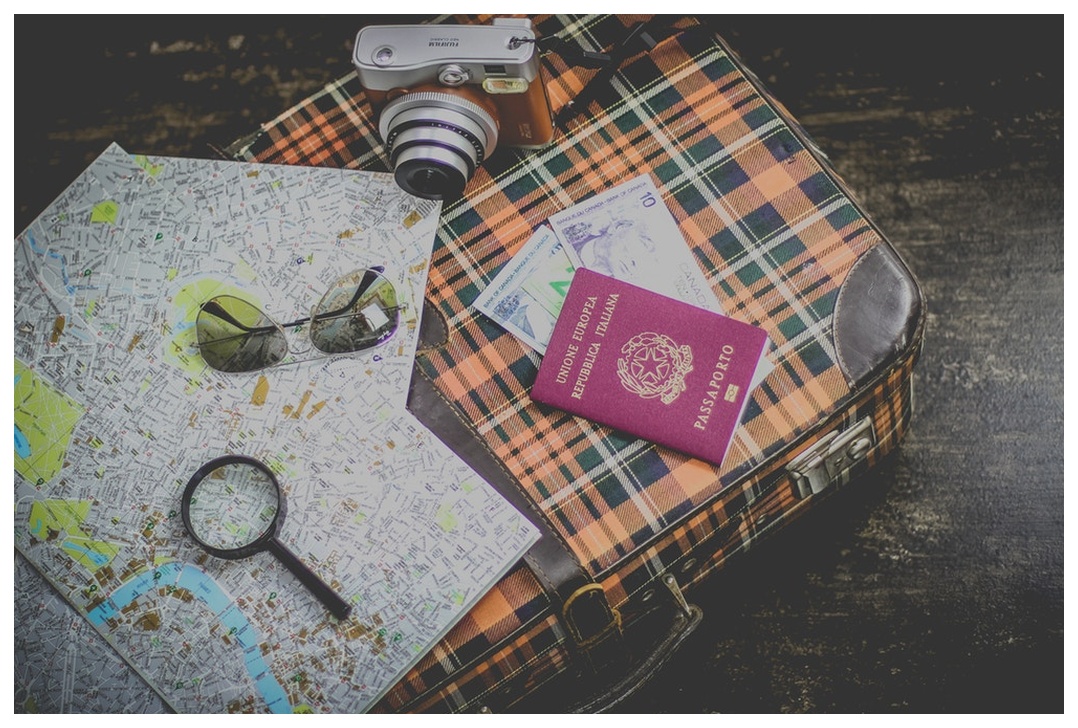
Before embarking on your international flight, it’s essential to review the declaration requirements for your destination country. Each nation has unique regulations, so being informed can help you avoid any surprises at customs.
If you have nothing that you need to declare, simply say “I have nothing to declare.”
No need to stress over your English skills! Passport control and customs officials are primarily focused on your responses, not your fluency. What matters most is that you answer their questions quickly, confidently, and with a calm demeanor.
Have a good trip!
Need help improving your English skills?
Check out our guide on How to learn english!
Frequently Asked Questions
What should I do to remain calm during customs?
Project confidence and composure, respond promptly and clearly.
What is a common question asked at passport control?
A common question is ‘What is your final destination?’. You can simply answer with the name of the city.
How should I answer if asked about the purpose of my visit?
You can say, ‘I came to visit my parents/relatives/friends’ or ‘I’m here to work’.
What is important to include when asked where I will be staying?
Provide a clear answer including the address of your relatives, friends, hotel, or hostel.
What should I say if asked if I have anything to declare?
You can simply say, ‘I have nothing to declare’ if that is the case.


