

- The most popular activities to learn English by yourself
- 1. Watching movies or TV shows
- 2. Reading articles online
- 3. Listening to English music
- 4. Watching Youtube videos
- 5. Listening to podcasts
- Make these activities more useful by using “output” skills
- Practice your writing skills
- Practice your speaking skills
- Create a balanced language learning plan
- It’s time to make language learning more effective
- Frequently Asked Questions
- What activities can help improve my English skills?
- How can I make watching movies more effective for learning English?
- What is a good way to practice my writing skills in English?
- Why is practicing speaking important for learning English?
- How can I create a balanced language learning plan?
It must be said: without the right activities, learning English by yourself can get… boring.
Boredom often stems from opting for activities that are either too simplistic or unexciting. Luckily, there is a vast array of engaging activities that can make language learning both enjoyable and effective, turning challenges into exciting opportunities for growth!
Discover the top activities favored by English learners and learn how to enhance their effectiveness for even greater benefits. Check them out below!
The most popular activities to learn English by yourself
We surveyed LingualNeeds users to discover which English learning activities they engage in the most, aside from their sessions with an online tutor. The findings revealed that an impressive 99.2% of learners participate in additional activities to enhance their language skills, complementing their lessons on LingualNeeds.
Here’s the full list, with the most popular activities first:

At LingualNeeds, a significant number of our learners harness the power of media and entertainment to enhance their English skills. With Netflix skyrocketing in popularity, it’s no surprise that the top activity among our users is watching movies and TV shows in English. In fact, an impressive 77.2% of our learners engage with English-language content through this medium!
Check out the five most popular activities for learning English based on our survey, along with some helpful tips to maximize their effectiveness as learning tools.
1. Watching movies or TV shows
Enjoying movies and TV shows is a fantastic and enjoyable way to learn new languages. However, by employing certain techniques, you can transform your screen time into an active language-learning experience.
To challenge your language skills effectively, try watching shows with English subtitles. If you find it difficult, start by watching with subtitles in your native language. This approach allows you to grasp the story and context first, making it easier to focus on the English language during a second viewing.
Enhance your language skills with the Language Learning with Netflix Chrome Extension! This handy tool allows you to view subtitles in both your native language and English simultaneously. You can easily pause the show to jot down new vocabulary, which you can then practice later using a flashcard app like Quizlet. It’s a fun and effective way to boost your language learning!
Did you know that Netflix can be a great tool for improving your pronunciation? Try this: pick a phrase from a show, record it, and then record yourself repeating it. Afterward, listen to both recordings side by side to pinpoint areas where you can enhance your pronunciation skills. It’s a fun and effective way to learn!
2. Reading articles online
English reigns as the most prevalent language on the internet, offering an abundance of articles, forums, and blogs to explore. This vast array of content provides an excellent opportunity to enhance your reading skills with fresh material available daily.
One of the best ways to discover concise English content tailored to your interests is by subscribing to newsletters. Platforms like Letterlist and Substack offer a variety of fantastic options. You can also search online for “Best [subject] newsletters” to find even more recommendations that suit your preferences.
Ready to level up your English skills? Try changing your phone and search engine settings to English! This way, every Google search you perform will be in English, giving you the perfect opportunity to enhance your reading abilities while you explore any topic you’re interested in.
3. Listening to English music
Music brings immense joy to our lives, transcending boundaries and connecting us all. No matter your taste—be it pop, folk, or heavy metal—there’s always an English song ready for you to sing along and enjoy.
English learners have a unique advantage: many of the most iconic artists in music history, such as Elvis, The Beatles, and Beyoncé, performed in English. Singing along to their lyrics not only makes learning fun but also helps expand your vocabulary. For those seeking a real test, dive into the intricate rhymes of hip-hop legends like Eminem, J. Cole, or Kendrick Lamar. Just be ready to do some serious lyric research—it’s a rewarding challenge!
Discover a fun way to enhance your English skills with music apps like Lyricstraining. This innovative platform transforms music videos into interactive fill-in-the-blank listening exercises, making language learning both enjoyable and effective!
We turned to popular YouTuber and English teacher Bob the Canadian for his insights on using music as a tool for language learning. He emphasized the importance of engaging with song lyrics: “Print them out and read along! It’s easy to listen to a song without understanding the lyrics. Even as a native speaker, I often find it helpful to read the lyrics first!”
4. Watching Youtube videos
YouTube has become a beloved hub for entertainment worldwide, offering an endless stream of videos to enjoy. Why not make the most of that viewing time by learning English? It’s a fun and effective way to enhance your language skills while being entertained!
Change your YouTube language to English and set your location to the USA to discover a wealth of fresh English content daily. For captivating entertainment, explore some of the most inspiring channels on the platform—it’s no wonder TED Talks and The Moth have amassed huge followings. Plus, enable subtitles to enhance your understanding and expand your vocabulary!
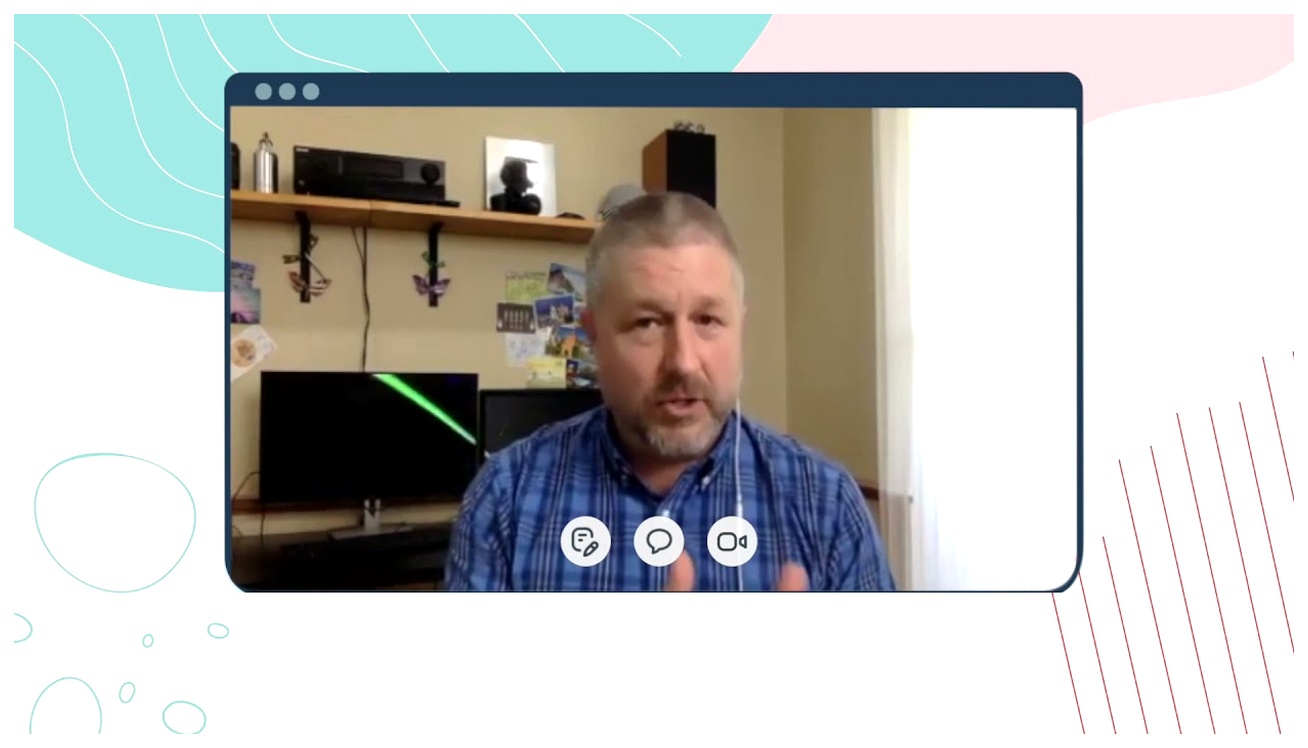
You can discover fantastic YouTubers dedicated to assisting English learners just like you! Check out our list of the top 10 YouTube channels for learning English. One standout is Bob the Canadian, who offers valuable English tips and engaging live lessons. Don’t miss our exclusive interview with him below, where he shares his best strategies for mastering English quickly!
5. Listening to podcasts
Podcasts are becoming increasingly popular each year, and it’s easy to understand why. They allow you to enjoy captivating content while multitasking, whether you’re commuting, tidying up, or going for a run. This means you can enhance your English listening skills without sacrificing your time—it’s a perfect win-win situation!
Enhancing your English skills through podcasts can be both engaging and effective. Try slowing down the playback to catch every detail and jot down new vocabulary as you go. Pay attention to the sounds and rhythms of the language, repeating phrases aloud for practice. Don’t hesitate to pause the podcast to take notes on unfamiliar words or expressions, making your learning experience more interactive and impactful.
Discover a wealth of podcasts covering a wide range of topics that can enhance your specialized vocabulary. Here are some popular examples to get you started:
- For storytelling: S-Town. A mysterious audio series about a murder in Alabama.
- For science: Science Friday. A weekly podcast about the latest science news.
- For psychology: Hidden Brain. Explores how our minds work and human behavior.
- For business inspiration: How I Built This. World-famous entrepreneurs explain how they created their companies.
- **Self-Improvement Resource: The Tim Ferriss Show**
Tim Ferriss interviews top performers across various fields to uncover their strategies, tools, and daily routines for success.
If you’re eager to enhance your English skills through engaging audio content, check out our article featuring the best podcasts designed to help you learn English effectively.
Make these activities more useful by using “output” skills
Language learning revolves around four essential skills: reading and listening serve as “inputs,” allowing you to absorb the language, while speaking and writing act as “outputs,” enabling you to express what you’ve learned.
Our survey revealed that the top activities for self-learning English primarily focus on “input” skills, such as reading and listening. However, to truly reinforce new vocabulary, it’s essential to practice “output” skills—writing and speaking. Engaging in these activities will help solidify your language learning and boost your confidence in using English.
Practice your writing skills
As a perfectionist, you may hesitate to speak English until you feel fully prepared, often waiting until you’ve studied for a long time. However, it’s important to start speaking as soon as you feel comfortable. A fantastic way to build your confidence is to begin with writing; it can mentally prepare you for engaging in conversation.
Start by keeping a language diary where you can practice using the new vocabulary and phrases you’re learning in context. This approach allows you to write about familiar topics such as your daily experiences, challenges, and aspirations as an English learner. For a creative twist, consider crafting a short story or a poem to further strengthen your skills!
Your writing may not be flawless, and you might find yourself relying on Google Translate now and then, and that’s completely okay. The most important thing is to focus on boosting your confidence. As you gain confidence in your writing skills, you’ll be well-prepared to transition into speaking.
Practice your speaking skills
In our latest survey, which you can view below, we asked LingualNeeds’s English learners about their short-term goals. Interestingly, “speaking” emerged as a top aspiration among learners. However, the goal of “talking with others in English” surprisingly did not make the top five language activities prioritized by participants.

This raises a crucial question for all independent language learners: How can you expect to improve your speaking skills if you don’t actively practice them?
The secret to mastering a new language swiftly lies in one key strategy: engaging in meaningful conversations with fluent speakers. While reading, using language apps, and binge-watching shows can certainly help, nothing compares to the impact of a single hour spent conversing. After all, when assessing language skills, people typically ask, “Do you speak English?” rather than “Do you read English?” or “Do you listen to English?” So, prioritize those conversations to elevate your language proficiency!
Create a balanced language learning plan
To advance toward fluency, it’s essential to approach your study time with dedication. Creating and adhering to a structured schedule is the most effective way to maintain discipline and witness tangible improvements in your language skills.
To enhance the effectiveness of your study plan, aim for a balanced mix of “input” and “output” tasks. Incorporate activities like “listening to podcasts” and “using a language app” into your weekly schedule to build your vocabulary. But don’t stop there! Challenge yourself to use that new vocabulary by journaling in your target language or engaging in conversations through a language exchange app. By creating a well-rounded study plan, you’ll strengthen all your core language skills and boost your overall proficiency.
Need an example of what this might look like? Try using this language study planner to plan your time for success.
It’s time to make language learning more effective
This article highlights how engaging in activities such as watching movies, reading news articles, and listening to podcasts can significantly enhance your self-study of English. To make your language learning experience enjoyable and effective, it’s essential to incorporate a diverse range of these activities.
To learn languages in the most effective way, you should:
- Engage with English daily through your favorite media—movies, podcasts, and newsletters—to enhance your language skills.
- Make these activities useful: find ways to make this study time more effective, with tools, techniques, and the right resources.
- Develop a weekly plan: Incorporate these activities into your routine to ensure commitment and track your progress effectively.
- Engage in “output” activities by writing and speaking about what you’ve learned. Start with a journal and enhance your speaking skills through language exchange apps or by working with a qualified language tutor.
Combine all of these activities together, and you’ll put yourself on the path to fast fluency.
Frequently Asked Questions
What activities can help improve my English skills?
Popular activities include watching movies and TV shows, reading articles online, listening to music, watching YouTube videos, and listening to podcasts.
How can I make watching movies more effective for learning English?
You can use English subtitles, start with subtitles in your native language, or use the Language Learning with Netflix Chrome Extension to view subtitles in both languages.
What is a good way to practice my writing skills in English?
Keeping a language diary to write about your daily experiences, challenges, and aspirations can help reinforce new vocabulary and boost your confidence.
Why is practicing speaking important for learning English?
Practicing speaking with fluent speakers is crucial as it allows you to apply what you’ve learned and improve your language proficiency effectively.
How can I create a balanced language learning plan?
Incorporate a mix of input activities like listening and reading, along with output tasks such as writing and speaking, to strengthen all core language skills.


