
- What is an Idiom?
- Under the weather
- Couch potato
- It’s raining cats and dogs
- When pigs fly
- Going cold turkey
- Cat got your tongue?
- Break a leg
- Bite the bullet
- A blessing in disguise
- Hit the sack
- Closing commentary
- Frequently Asked Questions
- What is an idiom?
- How does AI interpret idioms?
- What does ‘under the weather’ mean?
- What is the origin of the phrase ‘couch potato’?
- Can AI accurately capture the essence of idioms in art?
Artificial intelligence has entered the mainstream, transforming the digital landscape. Tools like ChatGPT are reshaping online interactions, while advanced text-to-image AI systems such as DALL-E 2 and Midjourney are igniting debates about the legitimacy of AI-generated art. As these technologies evolve, they challenge our perceptions of creativity and artistry.
As AI continues to weave itself into the fabric of our daily lives, the question arises: are we prepared to depend on it completely? Although distinguishing between AI-generated responses and those from humans can often be challenging, there are still certain situations where AI may falter.
Idioms present a unique challenge for AI, as many tools struggle to interpret them beyond their literal meanings. To explore this intriguing phenomenon, we decided to test the text-to-art AI system DALL-E 2 by providing it with a collection of popular English idioms. We were curious to see how each phrase would inspire the neural network’s artistic creations.
What is an Idiom?
An idiom is a phrase or expression whose meaning isn’t obvious from the individual words it contains. These colorful expressions often reflect the unique cultural nuances of specific languages or dialects, making them sometimes puzzling for non-native speakers. However, certain idioms have gained broader recognition and understanding across different cultures over time.
Take the expression “let the cat out of the bag.” While it simply means to unintentionally reveal a secret, its literal interpretation paints a wildly different picture! Such idiomatic phrases showcase the fascinating quirks of language. In fact, every culture around the world boasts dozens, if not hundreds, of unique idioms that enrich communication and reflect shared experiences.
Language can be tricky, especially when it comes to idioms, which pose a significant challenge for AI tools. Unlike humans, who naturally grasp the nuances and context behind these phrases, AI requires extra information to process them accurately. With this in mind, let’s delve into how we tested AI’s ability to interpret some popular idioms.
Under the weather

When you tell a friend you’re feeling “under the weather,” it usually means you’re beginning to feel unwell or are recovering from a rough night out.
The idiom “under the weather” has fascinating maritime origins. It originally referred to sailors who became seasick or ill during rough seas. To find stability, these sailors would retreat below deck, specifically beneath an area known as the weather rail. Over time, this phrase transformed from “under the weather rail” to the modern expression we use today, signifying feeling unwell.
Although one might say that the AI has interpreted this idiom quite literally, we believe it has impressively created a piece of art that effectively conveys the context and emotion tied to the expression.
Couch potato
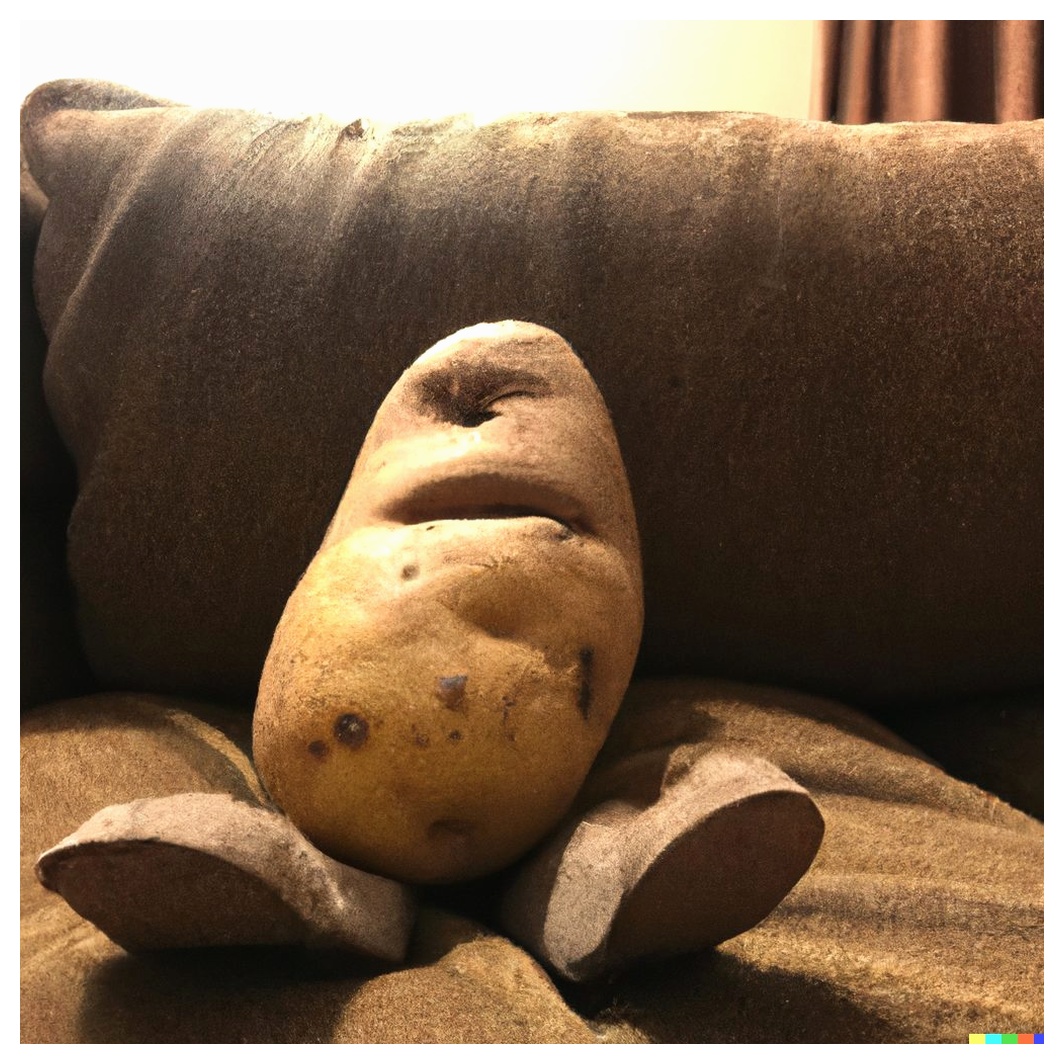
We’ve all had our moments of being a ‘couch potato,’ haven’t we? This playful term refers to someone who spends excessive time watching television and leads a largely inactive lifestyle. It highlights how easy it can be to fall into a routine of inactivity.
This expression stands out because its origin can be pinpointed to a specific date, time, and individual. On July 15, 1976, Tom Iacino first used the phrase during a phone call with his friend, renowned cartoonist Bob Armstrong. Armstrong then helped popularize it through his work. Linguists note that the phrase cleverly merges the 1970s slang for television, “boob tube,” with “tuber,” the edible part of a potato plant.
Remarkably, the AI recognizes that the term “couch potato” refers to people, not pets or food, as evidenced by its depiction of the reclining potato with feet and facial features. However, this portrayal isn’t flattering; the concept of being a couch potato is generally viewed negatively. The artwork effectively communicates this sentiment through its use of muted colors and the potato’s unhappy expression, highlighting the drawbacks of such a lifestyle.
This example effectively captures the playful spirit of gently teasing a friend or loved one for being a ‘couch potato.’ It highlights how humor can bring us closer while acknowledging their laid-back habits.
It’s raining cats and dogs
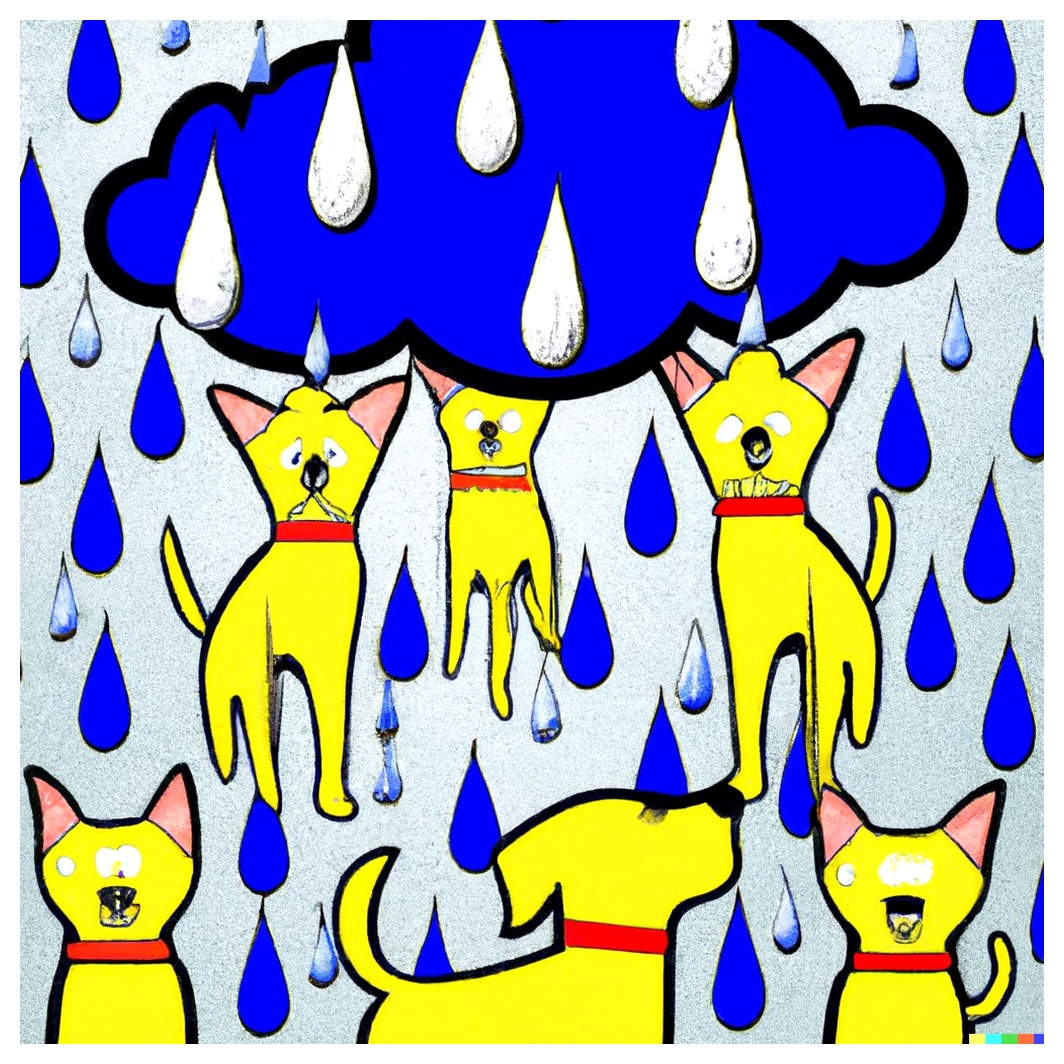
This idiom is fascinating because variations of it appear in numerous languages around the world. While it’s commonly used to describe intense rainfall, you might wonder how it connects to our cherished furry companions.
The origin of this phrase remains a topic of debate, with several intriguing theories, both literal and mythological, attempting to clarify its meaning. One possibility is that it evolved from the Greek term “cata doxa,” which translates to “contrary to experience or belief.” Alternatively, some suggest it may have connections to Norse mythology, particularly relating to Odin, the god of storms.
In this instance, the AI interprets the phrase “raining cats and dogs” literally, rather than capturing the dark clouds and heavy rain typically linked to it. Additionally, it missed a chance to embrace the rich artistic traditions of the Ancient Greeks or the striking Norse Art celebrated by the Vikings, opting instead for a different style.
When pigs fly
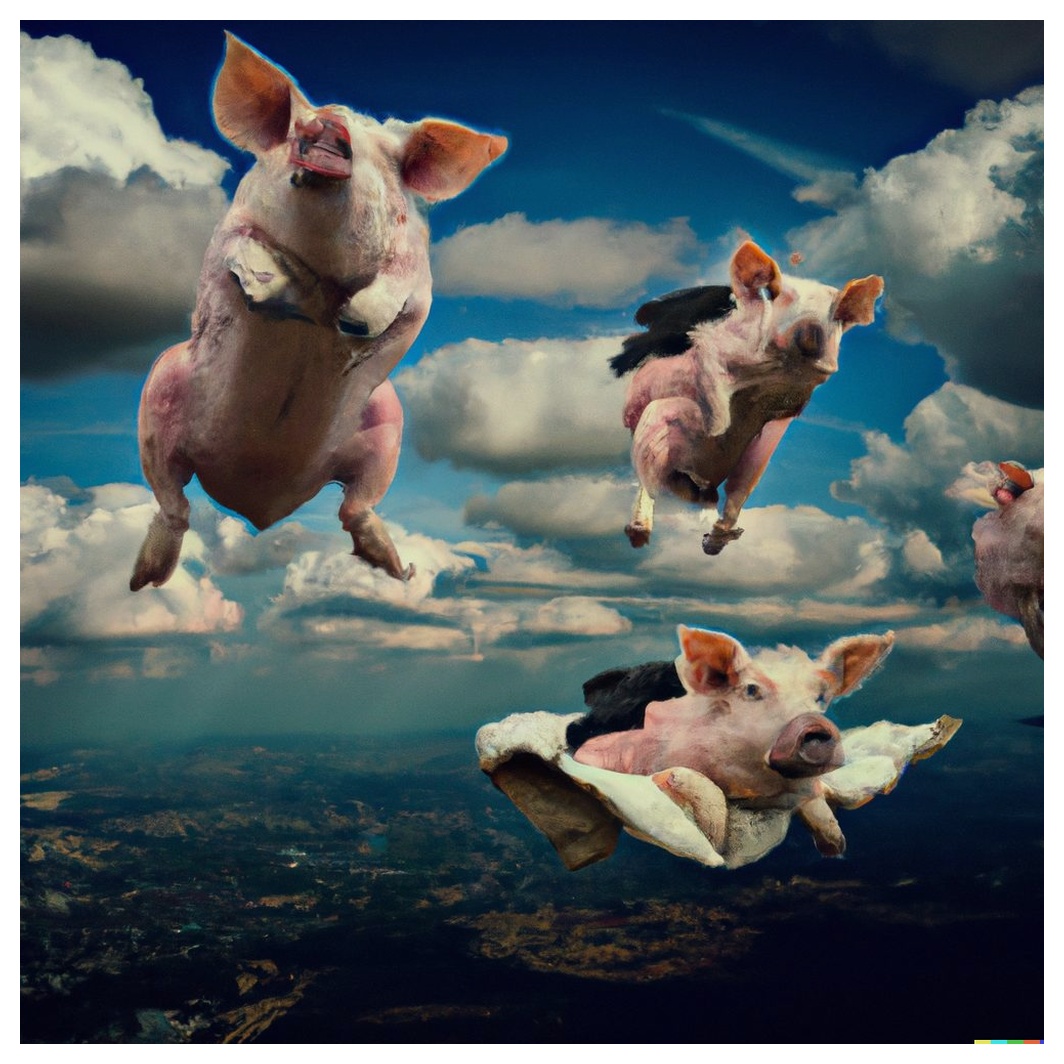
The expression “when pigs fly” is a popular idiom that people use to convey skepticism or disbelief about a situation, suggesting that it is highly unlikely or impossible to occur.
This idiom is part of a group of phrases that convey skepticism about the likelihood of an event occurring. One of the most popular examples is “when pigs fly,” alongside others like “when Hell freezes over.” The phrase’s earliest known use dates back to 1616, found in a Latin-English dictionary by English lexicographer John Withals. Remarkably, after over 400 years, it has retained its original meaning.
It’s perhaps not surprising that the AI has produced a literal depiction of this famous saying. Featuring a slightly eerie art style, distorted pig-like facial features, and ominous black wings, the AI has clearly grasped that this phrase carries a negative connotation.
Going cold turkey
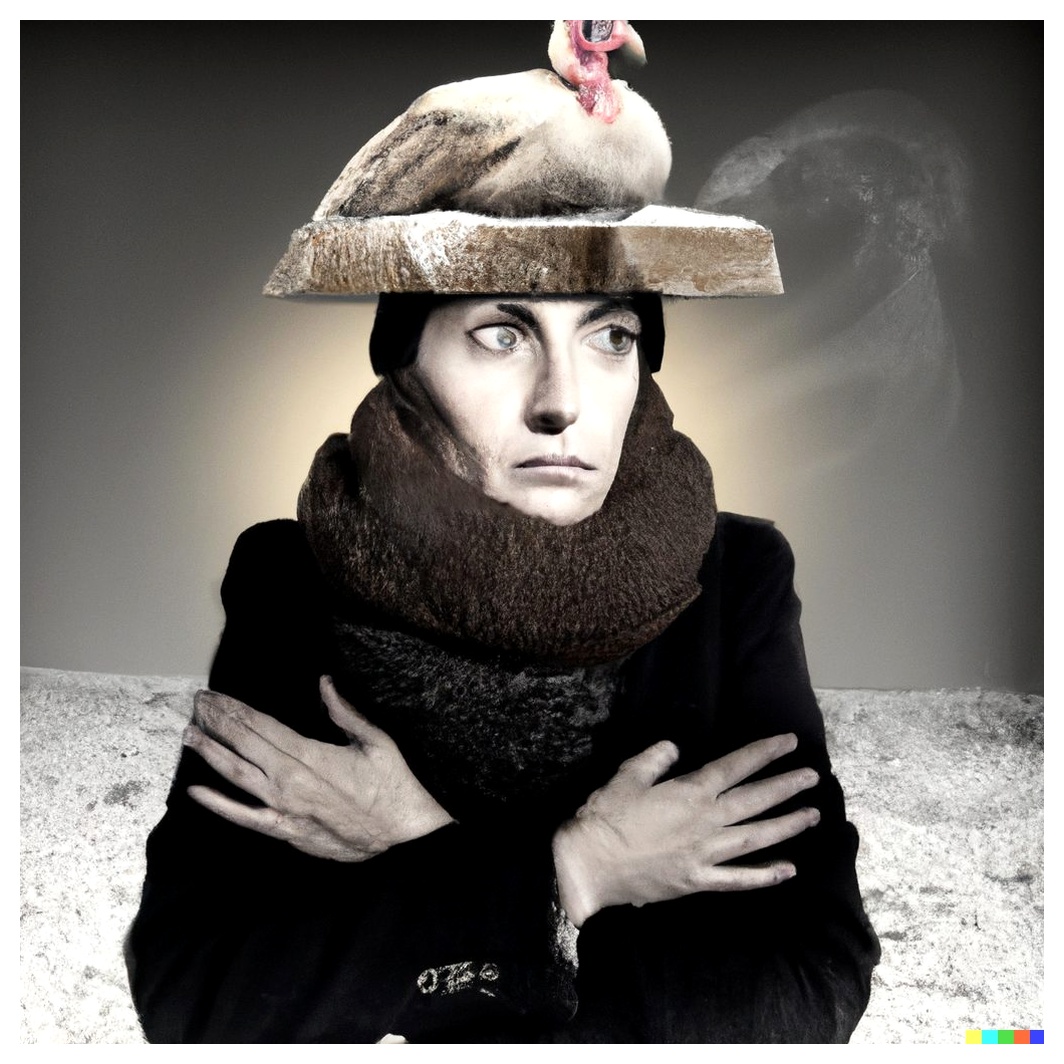
“Going cold turkey” refers to the abrupt and total cessation of a bad habit instead of gradually tapering off. While this phrase is most often linked to quitting alcohol or tobacco, it can also apply to other behaviors, such as cutting out sugary foods or reducing smartphone usage.
The idiom is believed to have emerged in the 1920s, but its most widely accepted origin story was presented by columnist Herb Caen in 1978. In the San Francisco Chronicle, Caen described it as stemming from the unsettling mix of “goosepimples” and what William Burroughs referred to as “the cold burn” that addicts experience during withdrawal. This vivid description provides a compelling insight into the phrase’s background.
In this instance, the AI has produced a surprisingly accurate interpretation of the phrase. Instead of depicting a turkey freezing in the Arctic, it recognizes that this expression typically refers to people. However, the addition of the women’s turkey hat suggests it might not fully grasp this aspect of the idiom. Still, it deserves credit for its effort!
Cat got your tongue?
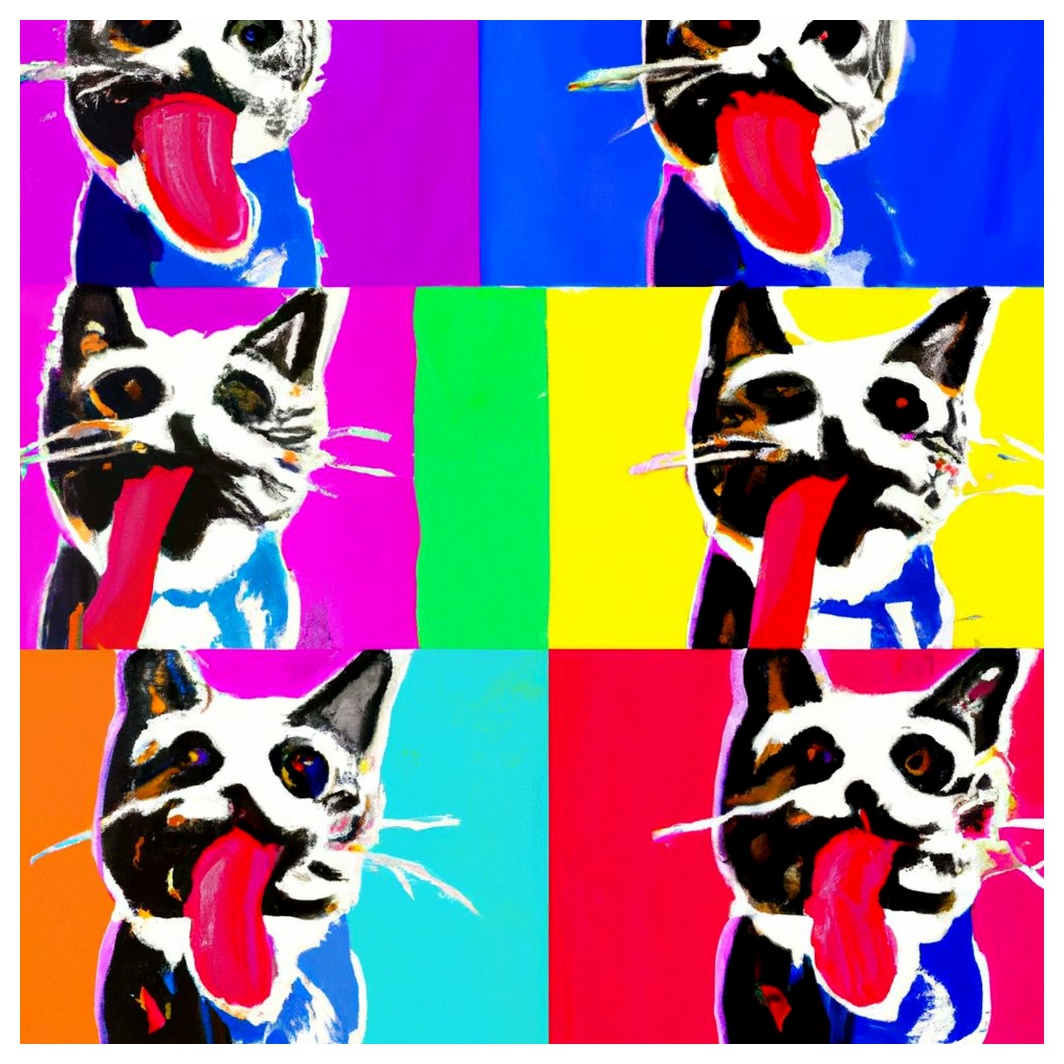
This quirky idiom serves as a playful way to inquire why someone has been unusually silent or seems to be at a loss for words.
The origins of this intriguing saying are steeped in captivating theories, including tales of kings punishing dissenters by cutting out their tongues and witches who allegedly stole speech to feed their cats. However, these dramatic narratives lack concrete evidence. In fact, the phrase’s documented usage only traces back to 1881, when it was first noted as a popular expression among children.
Fortunately, the AI-generated art inspired by this idiom doesn’t take a literal approach, but it also misses the mark in conveying its true meaning. While the pop art piece is vibrant and playful—definitely something we’d love to display at home—it falls short of capturing the essence of the phrase this time around.
Break a leg
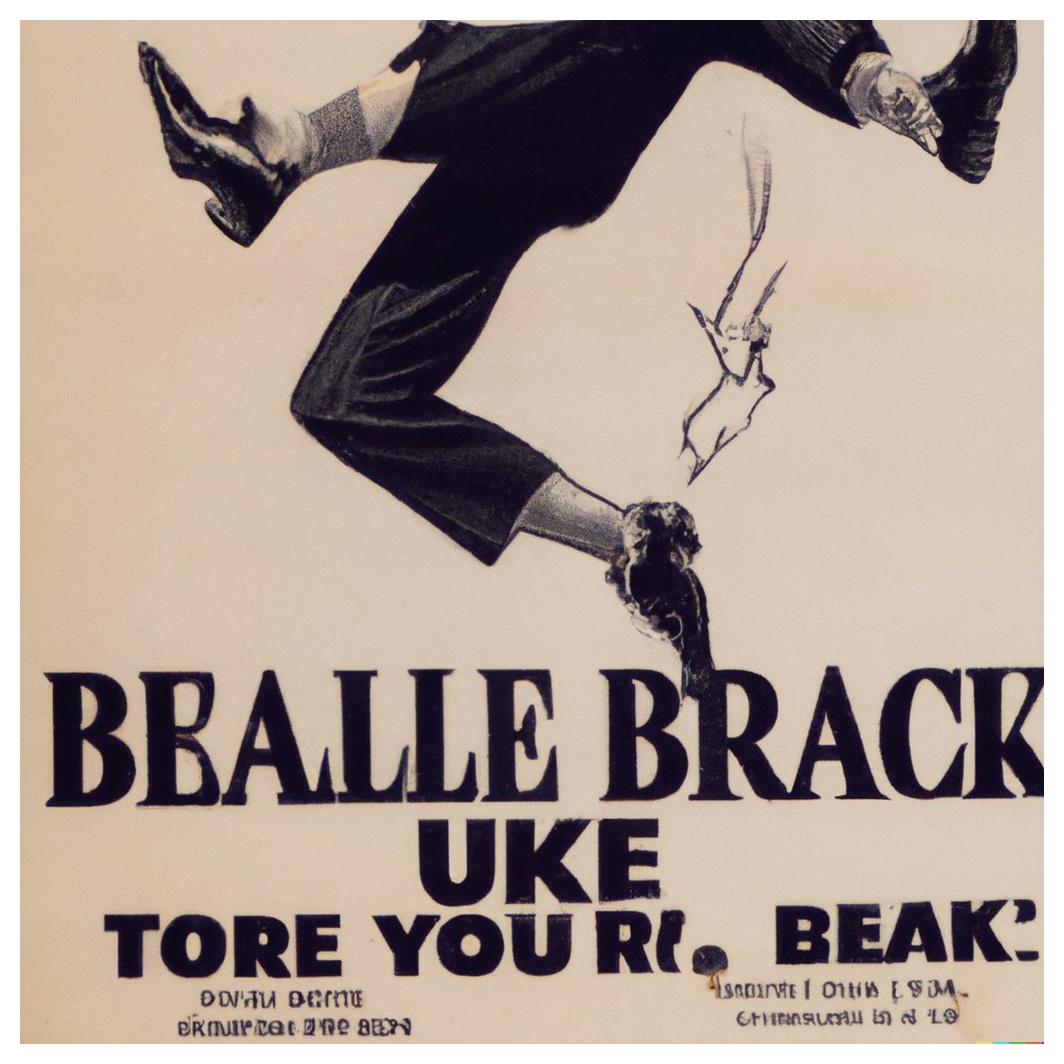
If you’re a native or fluent English speaker, chances are you’ve heard the phrase “break a leg.” While it’s traditionally linked to the theatre as a way to wish performers good luck before a show, it has become one of the most popular idioms in the English language.
Although widely used, the phrase “break a leg” has mysterious origins that remain unclear. It’s believed that the theater community played a significant role in its popularity. Superstitious actors often felt that wishing someone “good luck” could inadvertently bring misfortune during a performance. By using the phrase “break a leg,” they aimed to flip that logic, hoping to attract good fortune instead.
This idiom artwork is intriguing because the phrase “break a leg” first emerged in the 1920s, and the style of this piece reflects that era. However, when it comes to the idiom’s meaning, there’s no clear connection to luck or theater culture in the artwork. This raises questions about whether the AI truly grasped the appropriate context for this expression.
Interestingly, the text appearing in images generated by DALL-E 2 often resembles gibberish, as the AI appears to have created its own unique vocabulary. While researchers are still puzzled by this phenomenon, they’ve discovered that these nonsensical terms can be used as prompts to produce new images of the same subjects.
Bite the bullet
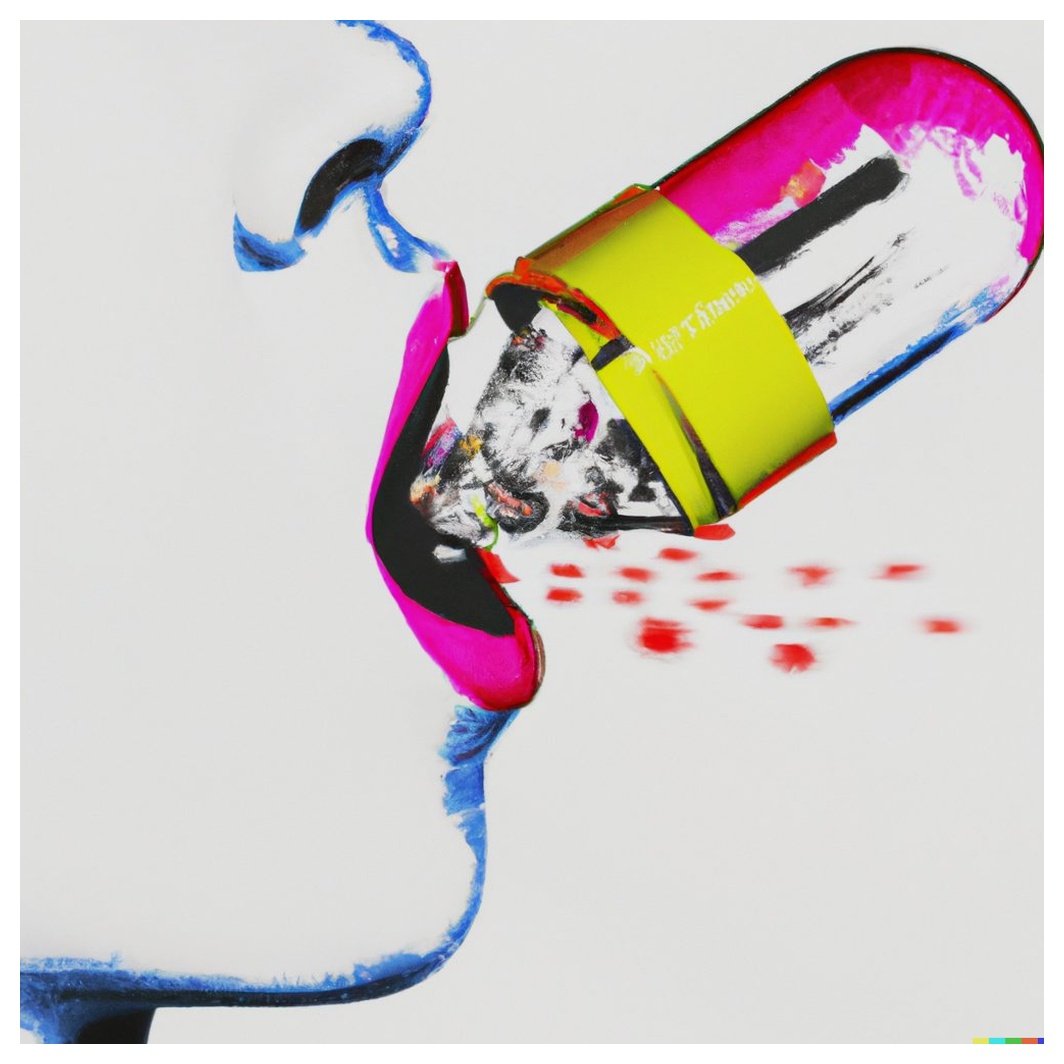
When someone tells you to “bite the bullet,” they’re offering you a dose of tough love. This phrase suggests it’s time to tackle a task you’ve been avoiding or something you find uncomfortable. Embracing this advice can help you move past hesitation and face challenges head-on.
This idiom is thought to have gruesome origins tied to medieval battlefields, where soldiers underwent surgeries and amputations without anesthesia. To help distract these injured warriors from the excruciating pain, a lead bullet was placed in their mouths for them to bite down on. The soft lead ensured they wouldn’t damage their teeth during the procedure.
Instead of evoking images of medieval battles and ornate tapestries, this AI-generated artwork takes a contemporary twist on a classic idiom. It portrays a woman literally having bullets poured into her mouth, pushing the phrase to an extreme interpretation. This striking visualization highlights how the AI interpreted the saying in a surprisingly literal way, showcasing its unique approach to art.
A blessing in disguise
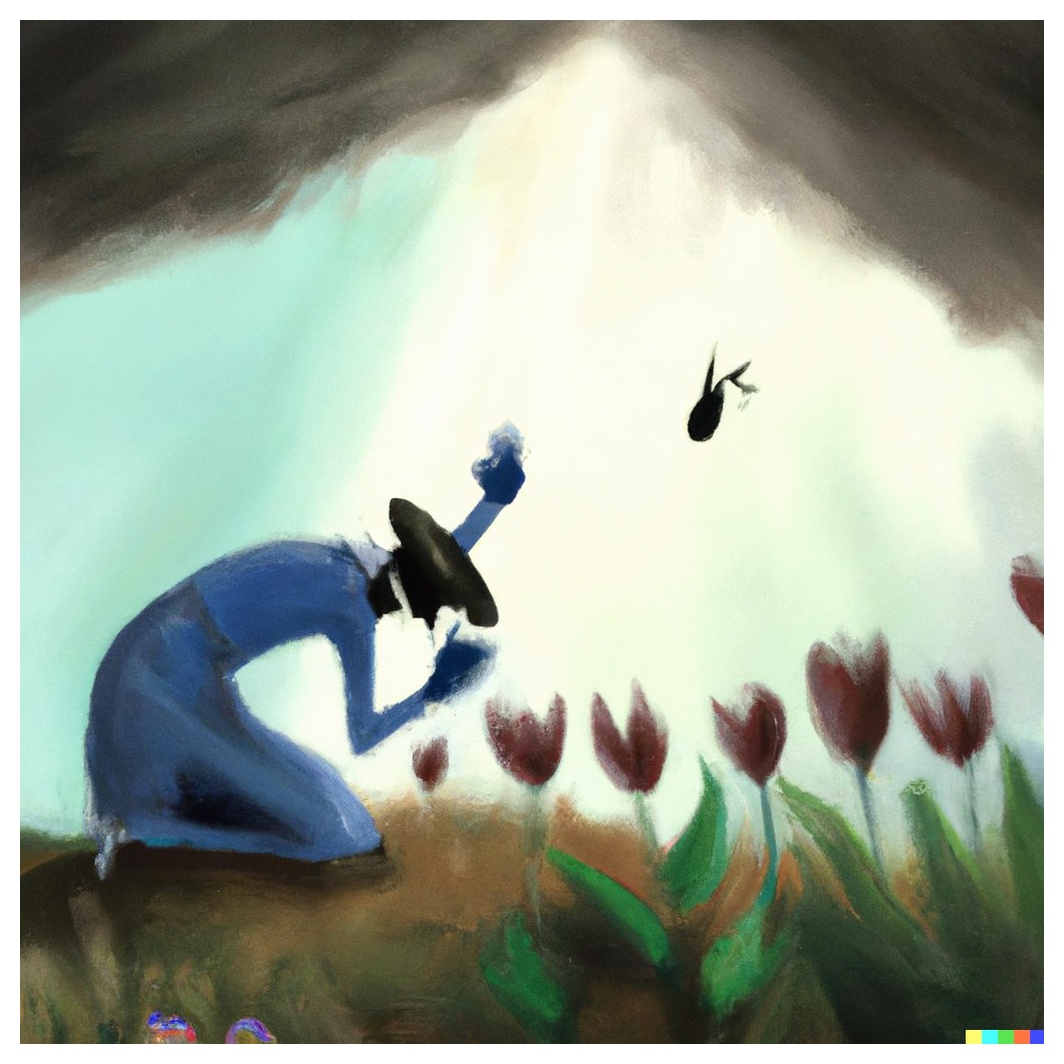
A situation that initially seems unfortunate but eventually proves to be beneficial is often referred to as “a blessing in disguise.”
You may find it interesting that this idiom has its origins in religion, first appearing in the hymn “Since All the Downward Tracts of Time” in 1746. Nowadays, it’s frequently referenced in diverse cultures and creative formats, such as literature, film, and music. Although its religious significance has diminished over time, the phrase still serves as a hopeful reminder that positive changes may be just around the corner.
This example showcases the intriguing capabilities of AI. Instead of interpreting the phrase literally, it cleverly connects to its Christian roots, incorporating imagery commonly associated with the faith, such as a radiant white light in the sky and a figure kneeling in prayer. The addition of flowers further enhances the scene, adding a thoughtful touch.
Hit the sack
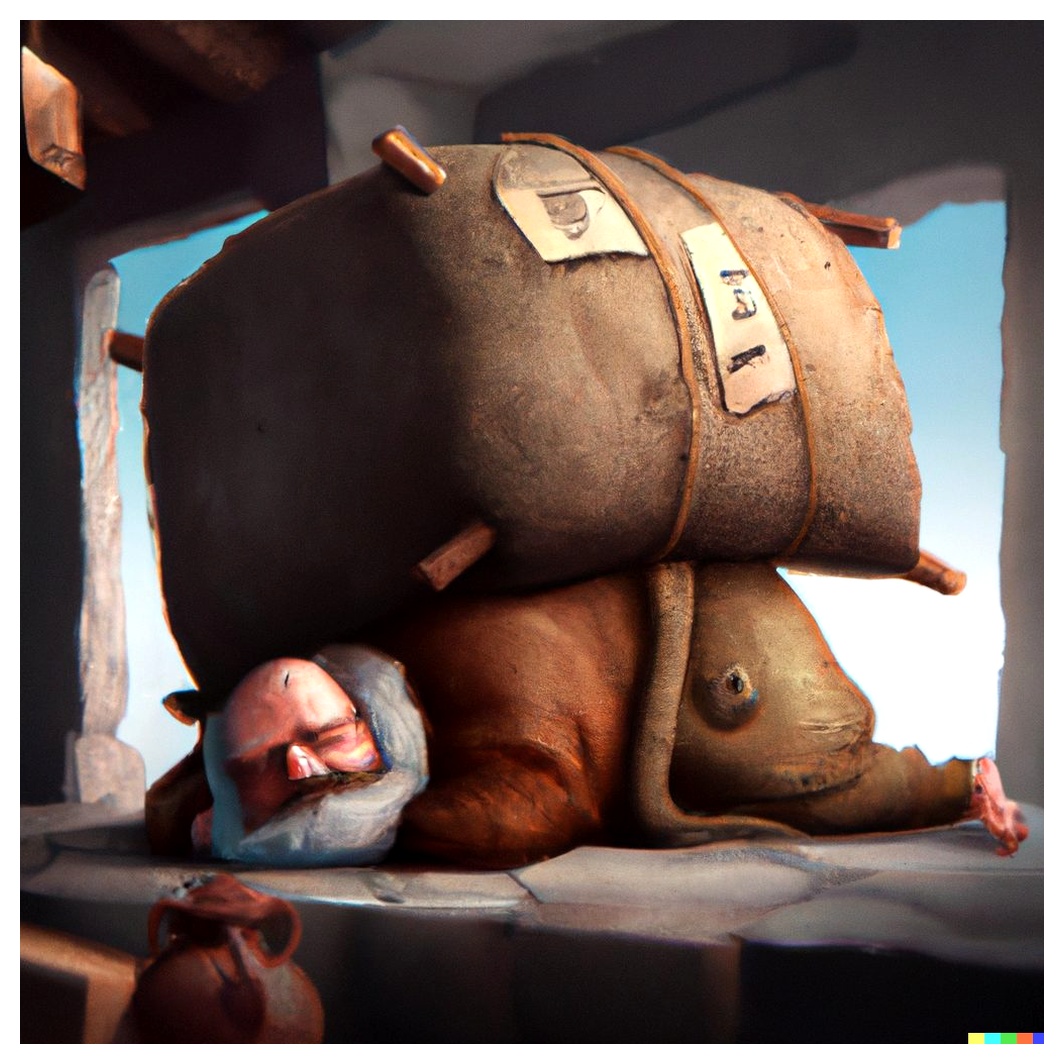
What better way to wrap things up than with a fitting idiom? Phrases like “hit the sack” or “hit the hay” are casual expressions that mean “go to bed.”
The phrase has its origins in the 19th century, likely linked to the practice of stuffing sacks to create mattresses. However, it gained widespread popularity in the 1940s, possibly due to the use of “sack” as military slang for sleeping bags during World War II. This historical context helped the term resonate more deeply during that era.
In evaluating the final AI creation, it’s clear that it captures both the literal and figurative aspects of the phrase quite well. While one might have anticipated a scene of someone peacefully sleeping in bed, the artwork features a person dozing off, cleverly using a large sack as a blanket instead of a traditional mattress. Additionally, the choice of a storybook illustration style adds a charming touch, making it a delightful representation of this beloved bedtime concept.

Learn a language with personalised 1-on-1 classes with our expert tutors from all over the world
French lessons online
Spanish lessons online
Closing commentary
AI is revolutionizing the world, and our investigation into text-to-art systems like DALL-E 2 reveals an intriguing question: Can this technology grasp the essence of popular idioms, or does it interpret them in a literal sense? Join us as we explore the fascinating interplay between language and artificial intelligence.
After testing it out, we found that the AI excelled at interpreting the various idioms we presented. Its performance exceeded our expectations!
For instance, the phrase “under the weather” was interpreted not only in its literal sense but also conveyed the underlying feeling of someone who’s not quite well. On the other hand, with the expression “cat got your tongue?”, it missed the literal interpretation, yet it excelled in producing some captivating artwork!
AI is undoubtedly a remarkable tool, yet it isn’t without its flaws. While it can create captivating personalized content tailored to individual preferences—like the impressive results we saw with DALL-E 2—it remains uncertain whether it truly grasps the deeper meanings behind language and idioms. This question continues to spark debate among experts.
LingualNeeds is a treasure trove for anyone eager to explore the world of idioms. If you’re searching for a creative way to convey a specific emotion or curious about fresh phrases to describe the weather, you’ll find an impressive array of blogs that are sure to spark your imagination and enhance your language skills.
Methodology
We started with a selection of 10 widely recognized English idioms and paired them with popular AI modifiers and art styles. Utilizing DALL-E 2—a powerful AI art generator that transforms natural language descriptions into stunning images—we explored whether the visuals created effectively captured the figurative meanings behind these idioms.
To achieve our results, we input each idiom into DALL-E 2, starting with a prompt that had no art style modifier, followed by four variations using different art styles. This process generated five unique images for each of the ten idioms. We selected the art styles from a curated list of the most popular DALL-E 2 text-to-image modifiers, sourced from NightCafe.
To curate our seed list of idioms, we conducted thorough research on the most popular expressions from diverse sources, including theidioms. Once all the images were created, we selected the final illustration for each idiom, focusing on the modifier that best captured the true essence of the phrase.
All data is accurate as of 17th February 2023.
Frequently Asked Questions
What is an idiom?
An idiom is a phrase or expression whose meaning isn’t obvious from the individual words it contains.
How does AI interpret idioms?
AI often struggles with idioms, interpreting them literally rather than understanding their figurative meanings.
What does ‘under the weather’ mean?
‘Under the weather’ means feeling unwell or recovering from a rough night.
What is the origin of the phrase ‘couch potato’?
The phrase ‘couch potato’ originated from a phone call on July 15, 1976, between Tom Iacino and cartoonist Bob Armstrong.
Can AI accurately capture the essence of idioms in art?
AI can produce captivating artwork inspired by idioms, but it often misses the deeper meanings behind them.