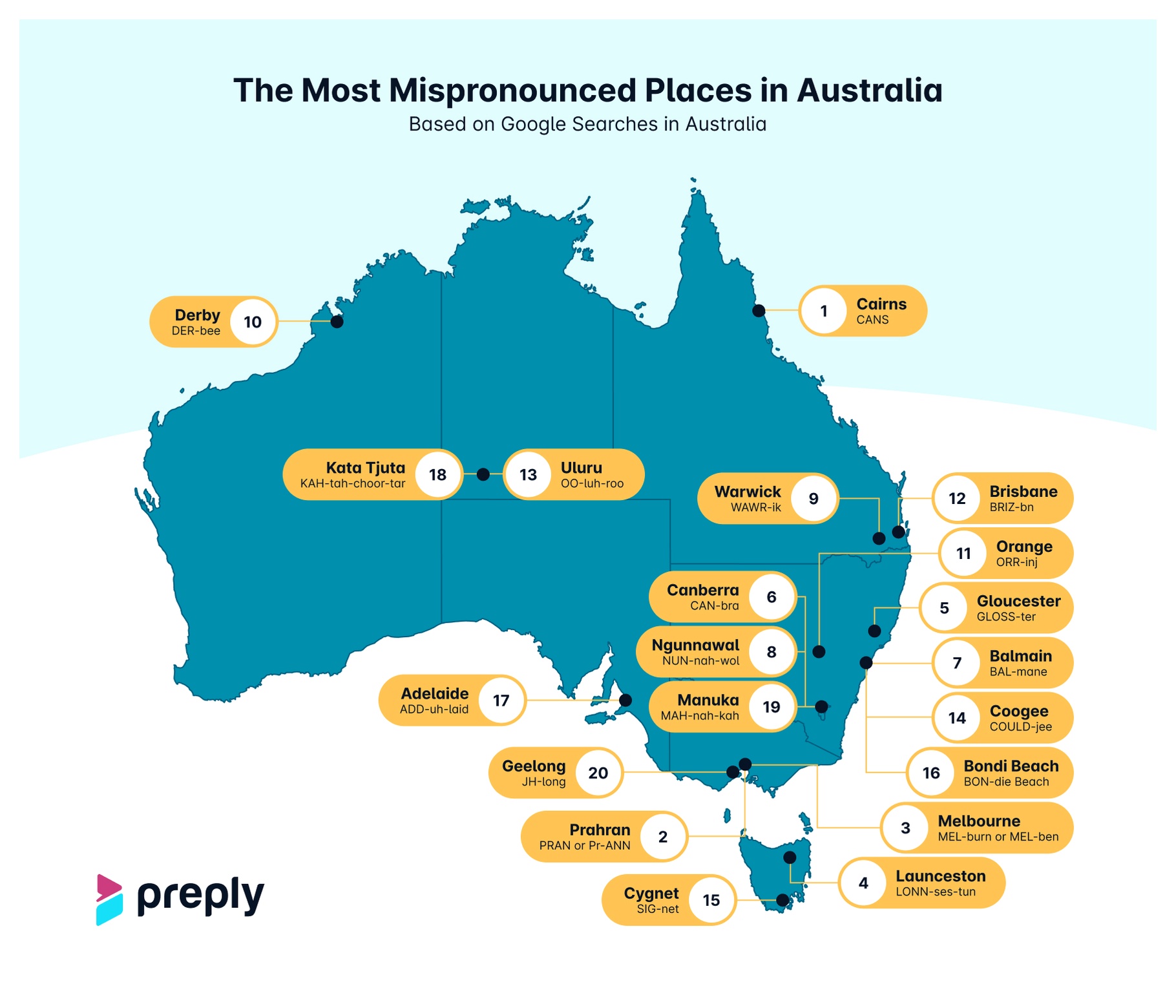
- The 10 most mispronounced places in Australia
- 1. Cairns, Queensland
- 2. Prahran, Victoria
- 3. Melbourne, Victoria
- 4. Launceston, Tasmania
- 5. Gloucester, New South Wales
- Honorable mentions: other mispronounced Aussie place names
- 6. Canberra, Australian Capital Territory
- 7. Balmain, New South Wales
- 8. Ngunnawal, Australian Capital Territory
- 9. Warwick, Queensland
- 10. Derby, Western Australia
- The 10 most mispronounced places in New Zealand
- 1. Taupō, North Island
- 2. Whanganui, North Island
- 3. Tauranga, North Island
- 4. Dunedin, South Island
- 5. Whangārei, North Island
- Honorable mentions: other tricky Kiwi place names
- 6. Rotorua, North Island
- 7. Auckland, North Island
- 8. Paraparaumu, North Island
- 9. Motueka, South Island
- 10. Ruapehu, North Island
- Final thoughts
- Frequently Asked Questions
- What is the correct pronunciation of Cairns, Queensland?
- How should Prahran, Victoria be pronounced?
- What is the common mispronunciation of Melbourne, Victoria?
- What does the Māori name ‘Aotearoa’ mean?
- How is the town of Whanganui pronounced?
Australia and New Zealand are stunning countries, brimming with vibrant cultures and breathtaking landscapes. Known for their relaxed and welcoming atmospheres, locals are generally more likely to chuckle at a mispronounced word than to take offense, making it a friendly environment for visitors.
Learning the correct pronunciations of place names is a respectful way to connect with the locals. Whether you’re gearing up for a visit or just looking to expand your knowledge, our guide to commonly mispronounced locations will empower you to engage confidently with Australians and New Zealanders.
The 10 most mispronounced places in Australia
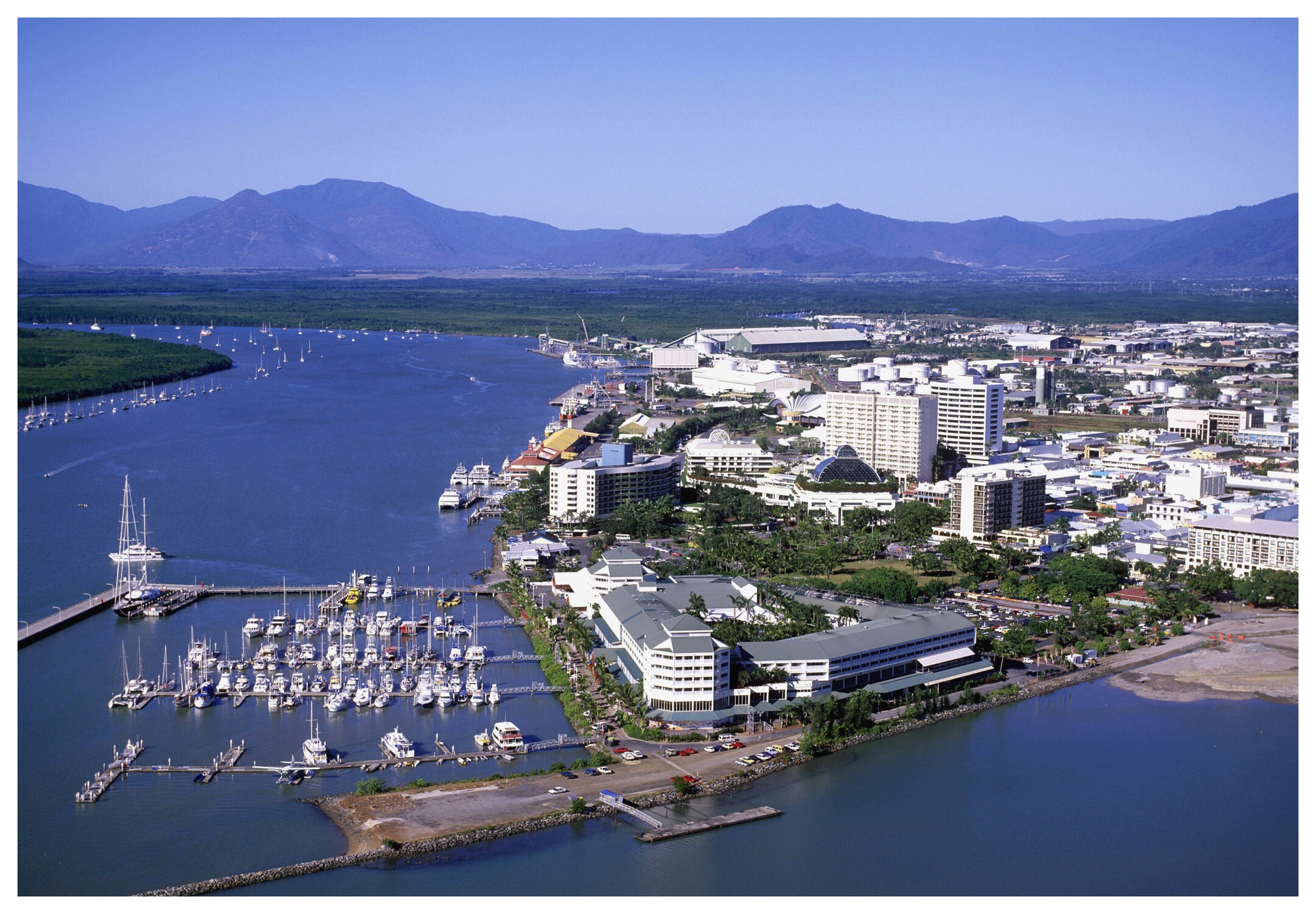
1. Cairns, Queensland
Correct pronunciation: CANS
Incorrect pronunciation: KERNS or KENS or CAN
Nestled in Far North Queensland, this picturesque coastal city is celebrated for its tropical climate and, occasionally, its crocodile encounters. However, many visitors struggle with its name, “Cairns,” often mispronouncing it. The first common mistake is overlooking the silent “r,” leading to a pronunciation akin to “cans” (think “beer cans”). Additionally, the Australian accent tends to drop “r” sounds at the end of words and stretch the “a” in “fan” and “ban,” transforming “Cairns” into “caaans.” Keep this handy tip in mind for your next northern adventure—and remember to steer clear of swimming during croc season!
Insider Tip: To truly sound like a local in Cairns, try pronouncing the city’s name like the Scottish word for children, “bairns,” but skip the rolling “rrrr” sound. This subtle tweak will help you blend in with the community!
2. Prahran, Victoria
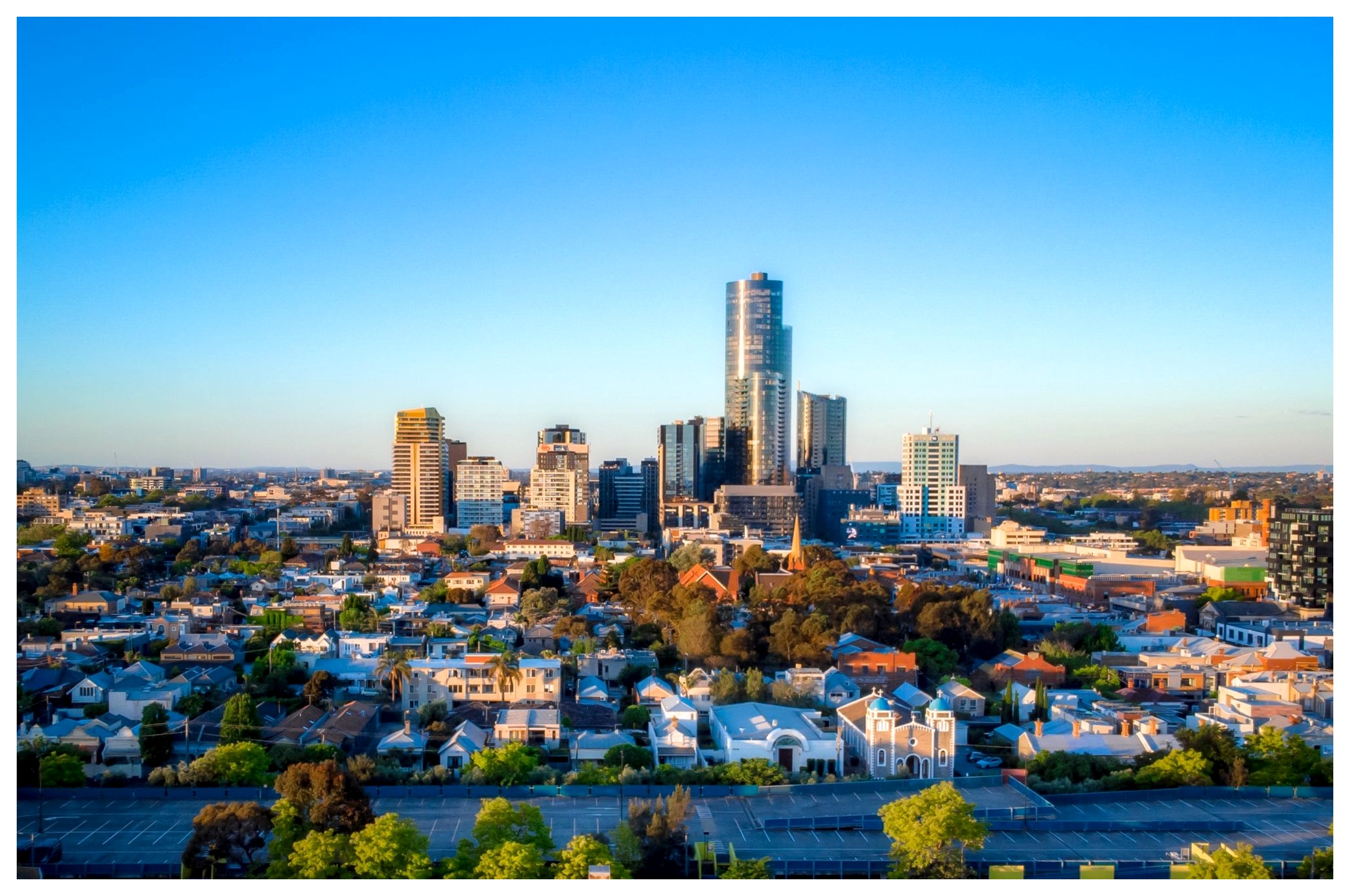
Correct pronunciation: PRAN or Pr–AAN
Incorrect pronunciation: Pr-AHN or PRA-RAN
The Melbourne suburb of Prahran has an intriguing history that dates back to 1837 when it was named “Pur-ra-ran” by Reverend George Langhorne, a missionary who worked with Aboriginal prisoners. This name, derived from two Aboriginal words, means “land partially surrounded by water.” However, when surveyor Robert Hoddle officially recorded the name, he misspelled it as “Prahran.” Over time, English speakers began to drop the second “r” in the name, similar to how they pronounce words like “library” and “February,” leading to the popular nickname “Pran.”
Armed with this complete understanding, you’re now ready to confidently enlighten any Prahran resident who challenges your pronunciation of “Pur-ra-ran.”
3. Melbourne, Victoria
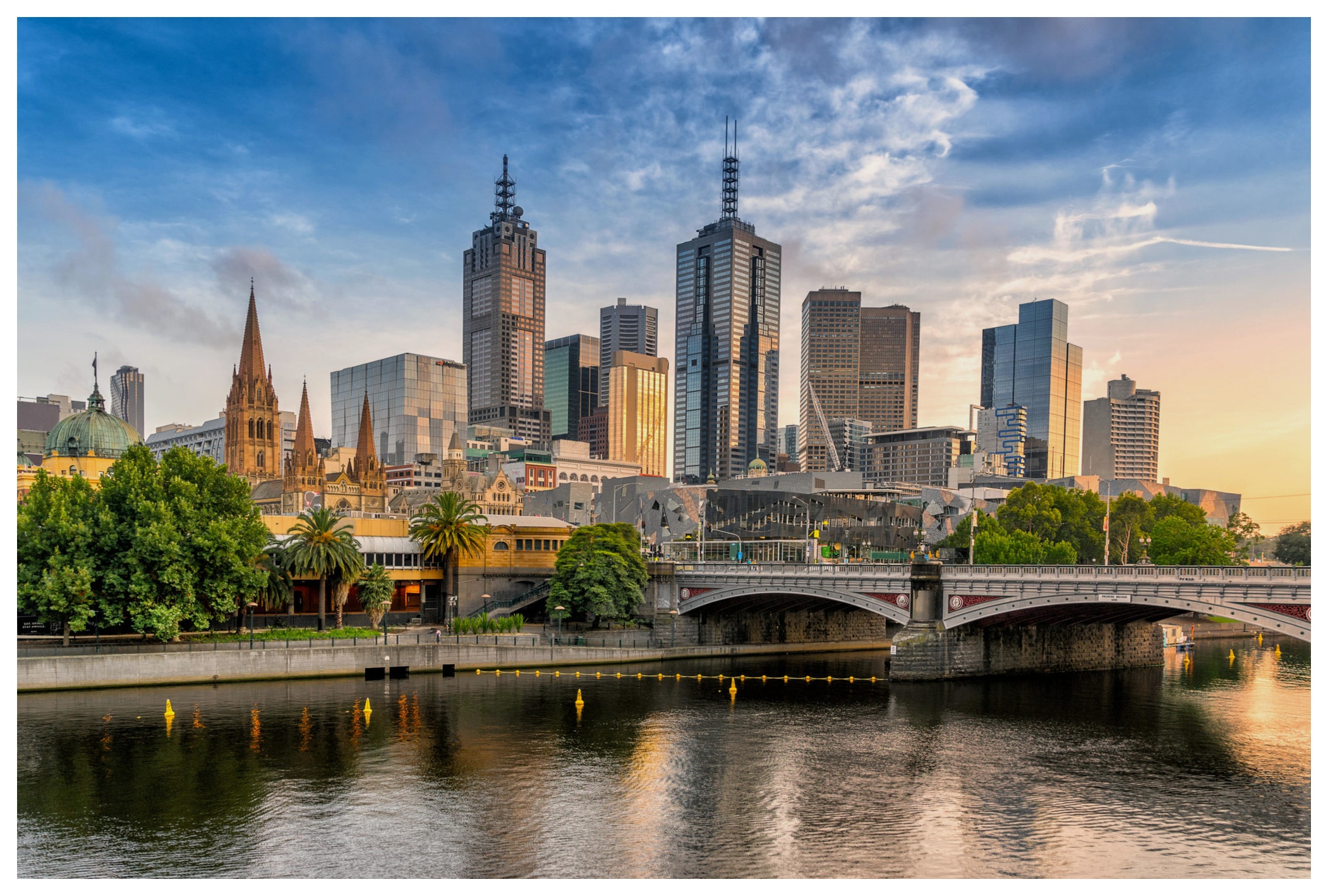
Correct pronunciation: MEL-burn or MEL-ben
Incorrect pronunciation: MEL-BORN
To truly stand out as a visitor in Australia, avoid the common mispronunciation of Melbourne as “MEL-BORN.” Many Americans make this error, likely influenced by the name of the fictional character Jason Bourne. To sound more like a true Aussie, pronounce it as “MEL-burn,” allowing the second syllable to trail off slightly. For an even more casual touch, you can refer to it as “Melbs” or use the Indigenous name “Naarm” to connect with the local culture.
4. Launceston, Tasmania
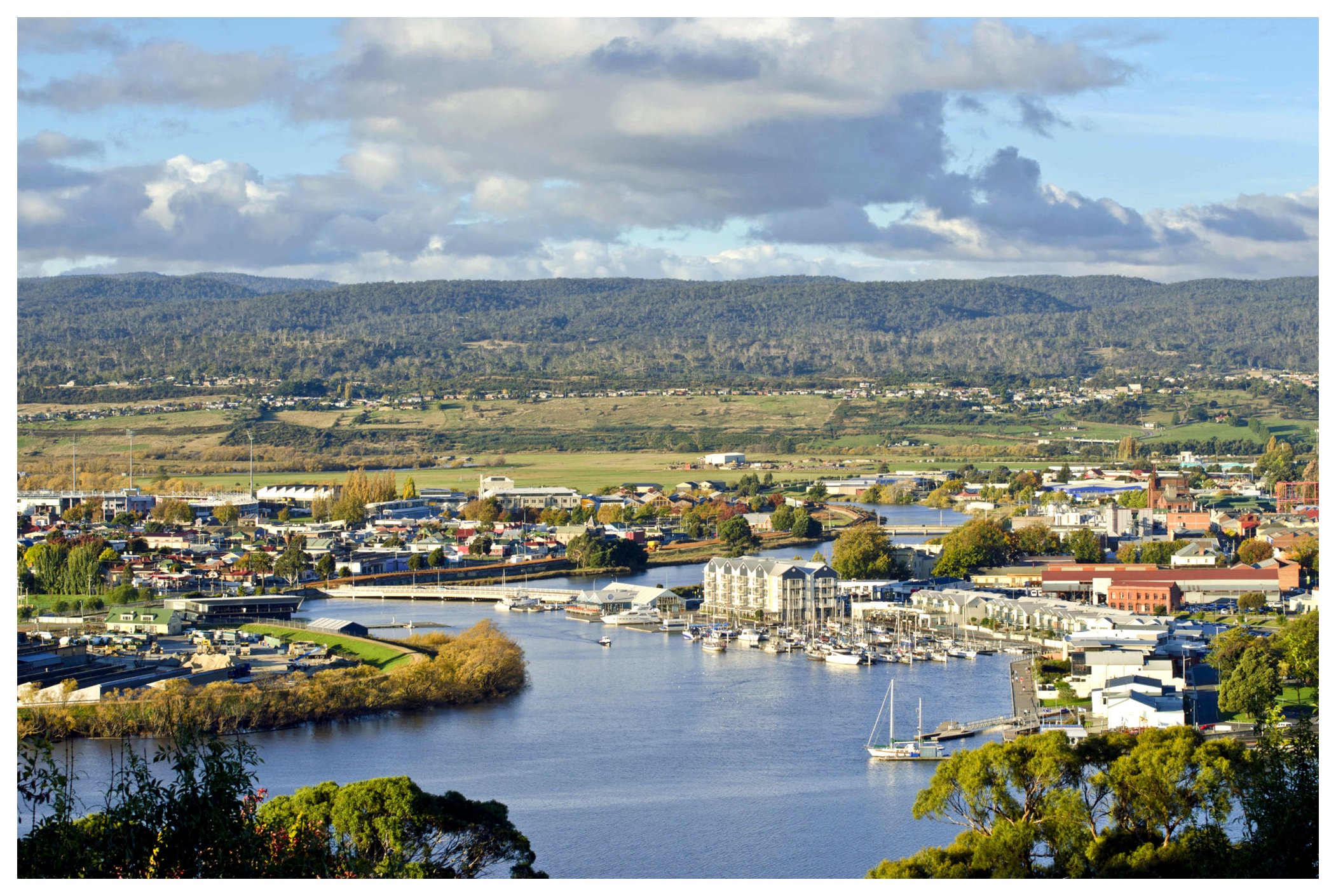
Correct pronunciation: LONN-ses-tun
Incorrect pronunciation: LAWN-ses-tun or LAWN-ston
In the picturesque riverside city of northern Tasmania, the name can be pronounced as “LAWN-ses-tun,” but locals prefer “LONN-ses-tun.” If you say “Laun” like “lawn,” it’s a telltale sign that you’re a “Mainlander” from Mainland Australia.
Launceston, named after the birthplace of Philip Gidley King, who served as the third Governor of New South Wales, has an interesting twist when it comes to pronunciation. While the name pays homage to its Cornish counterpart, the town of Launceston in Cornwall is pronounced quite differently, often sounding like ‘LAN-sun’ or ‘LAN-stun,’ depending on who you ask in the area.
5. Gloucester, New South Wales
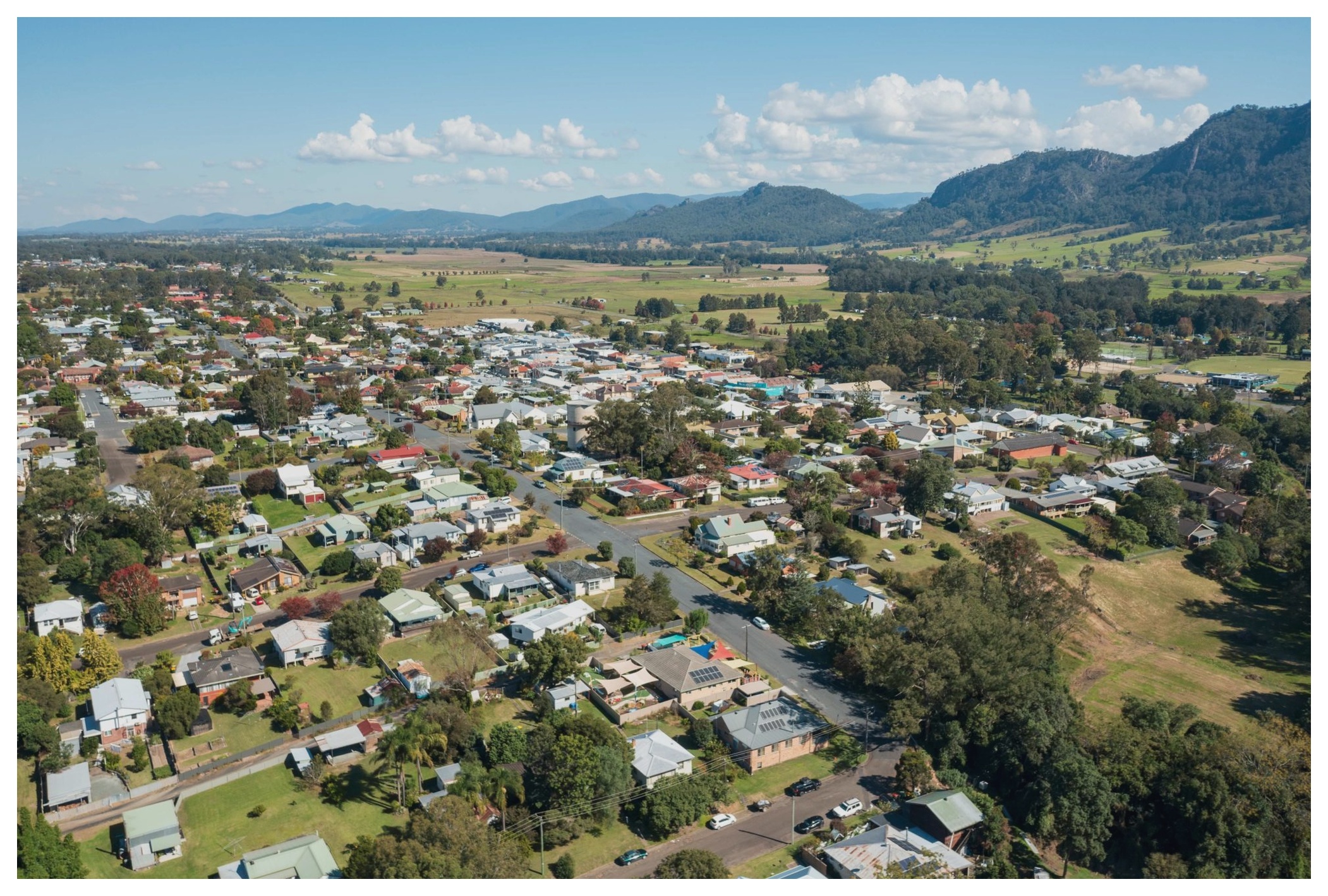
Correct pronunciation: GLOSS-ter
Incorrect pronunciation: GLOW-kester or GLOUW-sester
Gloucester, a charming Australian town, shares its name with a location in Gloucestershire, England—an area notorious for its often-mispronounced place names. In both instances, locals pronounce it “GLOSS-ter,” which can confuse newcomers due to the silent “ces” syllable. This quirky aspect of the English language adds a layer of complexity that many find challenging. Just as Red Leicester cheese is called “LESS-ter,” Gloucester is meant to be a two-syllable word. But why fret over pronunciation when you can savor a delicious sausage roll from Gloucester’s renowned bakery instead?
Pro Tip: Curious about tricky English words? Check out our article on Hard English Words, where we break down perplexing terms like “perspicacious” and “grandiloquent” to help clarify their meanings!

Learn a language with personalised 1-on-1 classes with our expert tutors from all over the world
French lessons online
Spanish lessons online
Honorable mentions: other mispronounced Aussie place names
These Australian cities also made it into our top ten list of places people are prone to mispronouncing:
6. Canberra, Australian Capital Territory
Correct pronunciation: CAN-bra
Incorrect pronunciation: CAN-berra
7. Balmain, New South Wales
Correct pronunciation: BAL-mane
Incorrect pronunciation: bal-MAH-n
8. Ngunnawal, Australian Capital Territory
Correct pronunciation: NUN-nah-wol
Incorrect pronunciation: NGUN-uh-wawl
9. Warwick, Queensland
Correct pronunciation: WAWR-ik
Incorrect pronunciation: WA-rick
10. Derby, Western Australia
Correct pronunciation: DER-be
Incorrect pronunciation: DAR-be
The 10 most mispronounced places in New Zealand
If you find Australian place names challenging, get ready for an even bigger puzzle! In this article, we’ll explore the top ten places in New Zealand that perplex both visitors and even some locals when it comes to pronunciation.
Did you know that “Aotearoa,” pronounced “AU-tay-uh-row-uh,” is the Māori name for New Zealand? While there are various theories surrounding the origin of this name, it is widely believed to mean “land of the long white cloud.” This meaningful title reflects the stunning landscapes and unique culture of this beautiful nation.
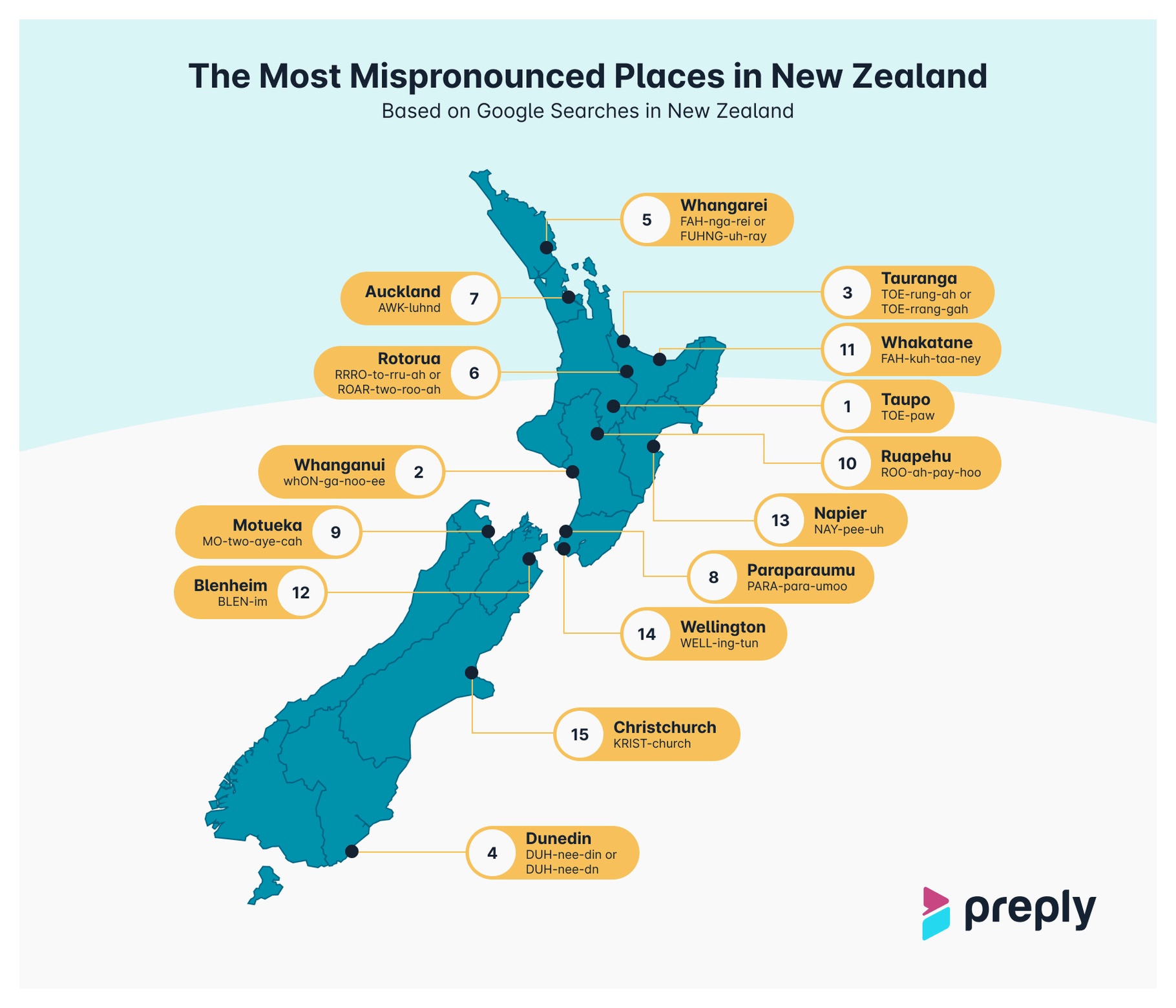
1. Taupō, North Island
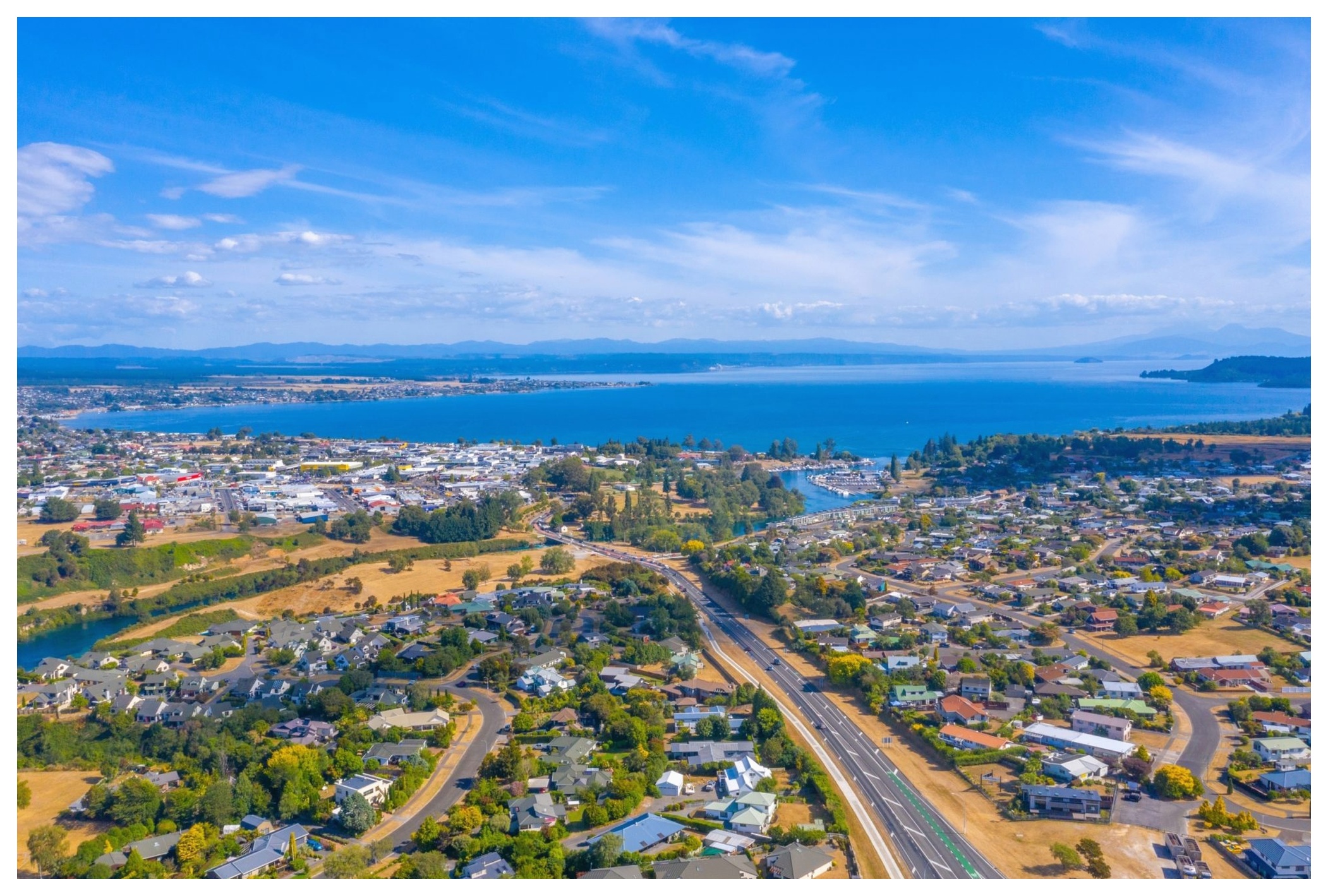
Correct pronunciation: TOE-paw
Incorrect pronunciation: TOW-po or TOWEL-poh
Understanding the significance of place names in New Zealand that originate from the Māori language is essential, as they are deeply intertwined with stories and cultural heritage, known as “Whakapapa” (pronounced “FAKA-PAPA”). Proper pronunciation is crucial; mispronouncing a place name can result in the loss of valuable historical context and meaning.
Sonny Ngatai, social media adviser for Te Māngai Pāho, shares that Taupō’s full name, “Taupō nui-a-Tia,” translates to “the great cloak of Tia.” This name honors Tia, a prominent chief who once stood on a cliff resembling the cloak he wore, inspiring the area’s name. While many in New Zealand pronounce it “TOW-po,” the correct pronunciation is “TOE-paw.”
2. Whanganui, North Island
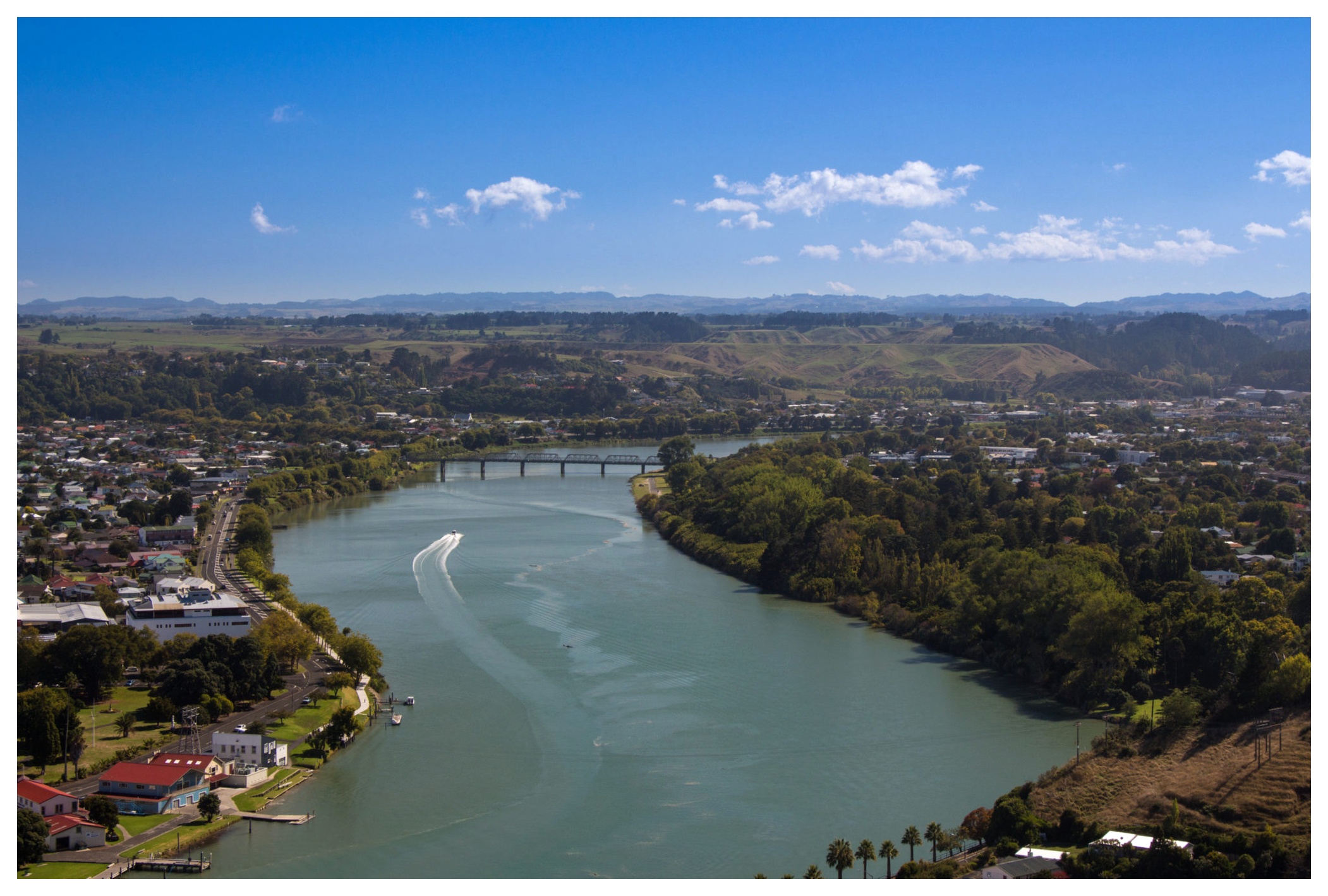
Correct pronunciation: whON-ga-noo-ee
Incorrect pronunciation: WAN-ga-noo-ee
Until 2017, this city was officially spelled “Wanganui.” The addition of the “h” was made to align the spelling with the pronunciation used by the indigenous Whanganui Māori, ensuring that the name authentically represents the local culture and heritage.
The spelling “Wanganui” stems from early European settlers’ misunderstanding of the Māori pronunciation of the letter “w.” The Whanganui tribe uses a soft “wh” sound, while other Māori tribes pronounce it with a firmer “f.” This distinction leads to variations in pronunciation among New Zealand news presenters: some say “FONG-ga-noo-ee,” reflecting the harder sound, while those familiar with the Whanganui dialect pronounce it as “whON-ga-noo-ee.”
Just like the varied pronunciations of words across different regions of Scotland, Māori words also have unique pronunciations throughout New Zealand. The most important aspect to keep in mind is respect: it’s perfectly fine to mispronounce a word, as long as you approach the situation with a respectful mindset. Locals will appreciate your effort, often responding with a friendly “chur, bro!” as a token of gratitude.
3. Tauranga, North Island
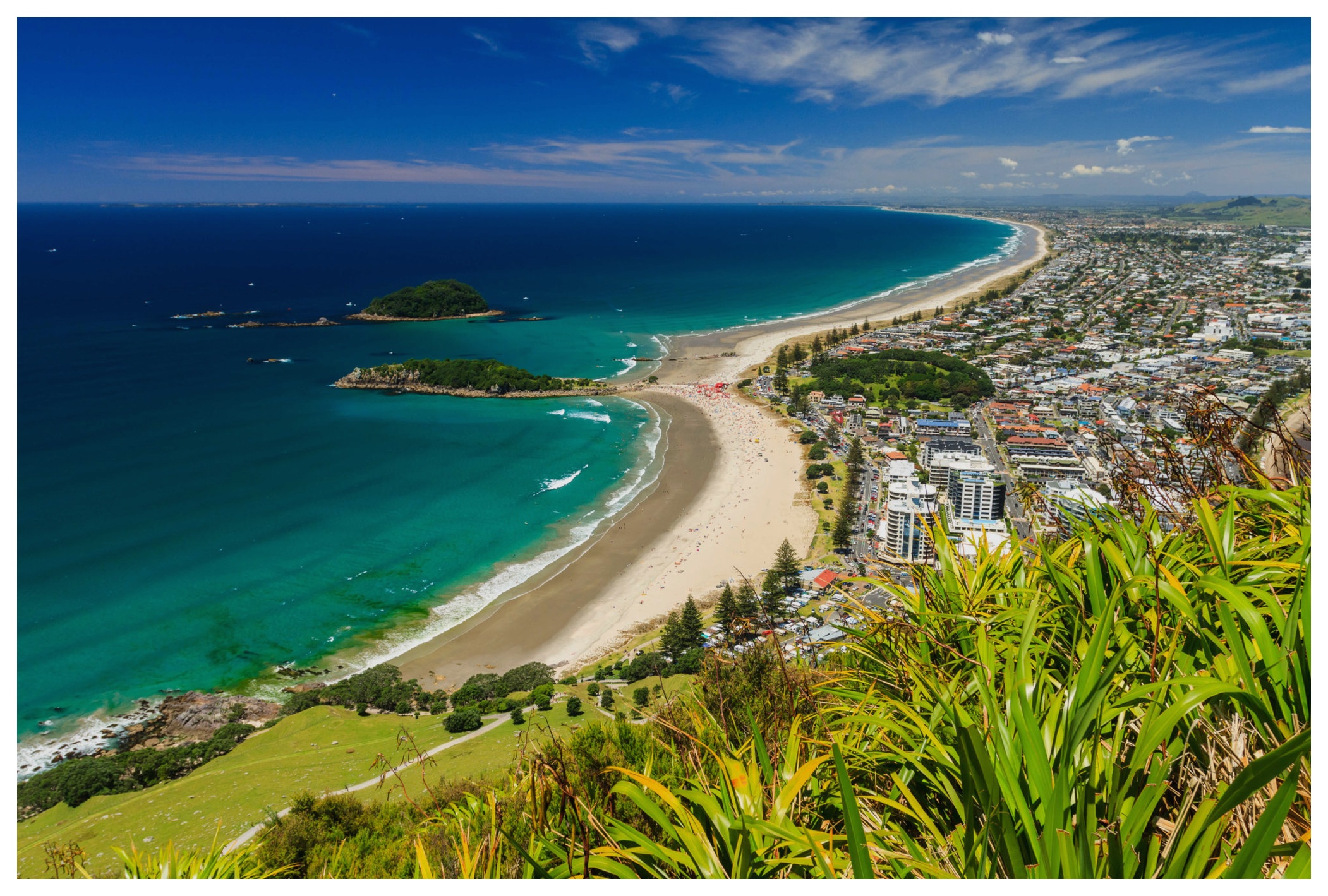
Correct pronunciation: TOE-rung-ah or TOE-rrang-gah
Incorrect pronunciation: TAUR-an-ga or TAUR-un-ger
If you’re unfamiliar with New Zealand, don’t worry—locals often find the name of this stunning harborside city tricky to pronounce, too! Located in the picturesque Bay of Plenty region, the Māori name “Tauranga” translates to “anchorage” or “resting place.” A common mistake is pronouncing the first syllable like “Taurus.” To get it right, imagine dipping your toes into the bay for a swim with dolphins and say it as “TOE-ranga.”
4. Dunedin, South Island
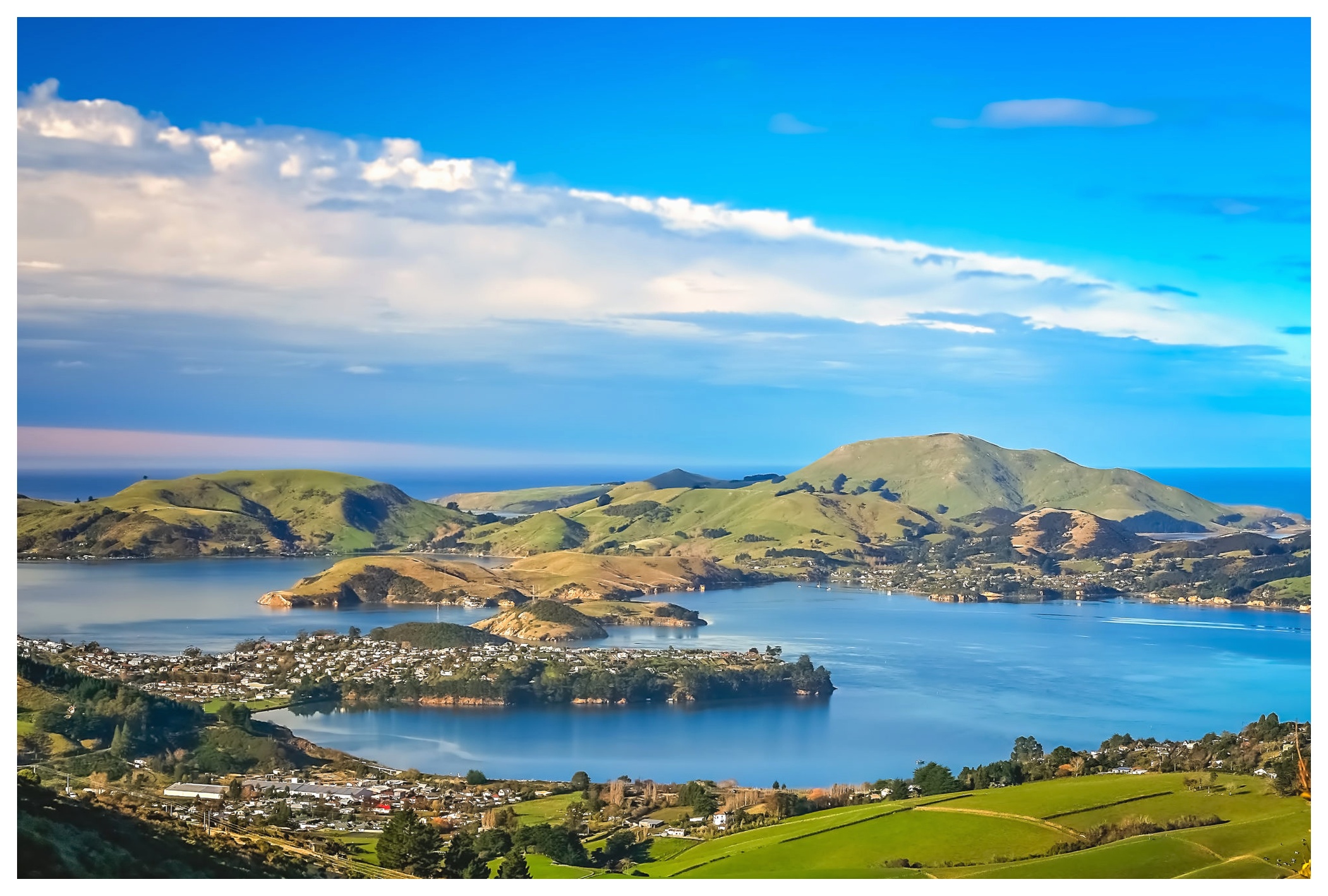
Correct pronunciation: DUH-nee-din or DUH-nee-dn
Incorrect pronunciation: DUNE-din
Dunedin, the second-largest city on New Zealand’s South Island, boasts stunning beaches and dramatic cliffs that captivate visitors. Named after the Scottish city of Edinburgh—referred to as Dùn Èideann in Scottish Gaelic—Dunedin’s name can be tricky to pronounce. To say it correctly, emphasize the first syllable as “DUN” (rhyming with “fun”) instead of “DUNE” (like a sand dune). While Frank Herbert’s novel *Dune* is a celebrated science fiction classic, when exploring this beautiful region, you might prefer to delve into the works of the English metaphysical poet John Donne for a more fitting literary companion.
5. Whangārei, North Island
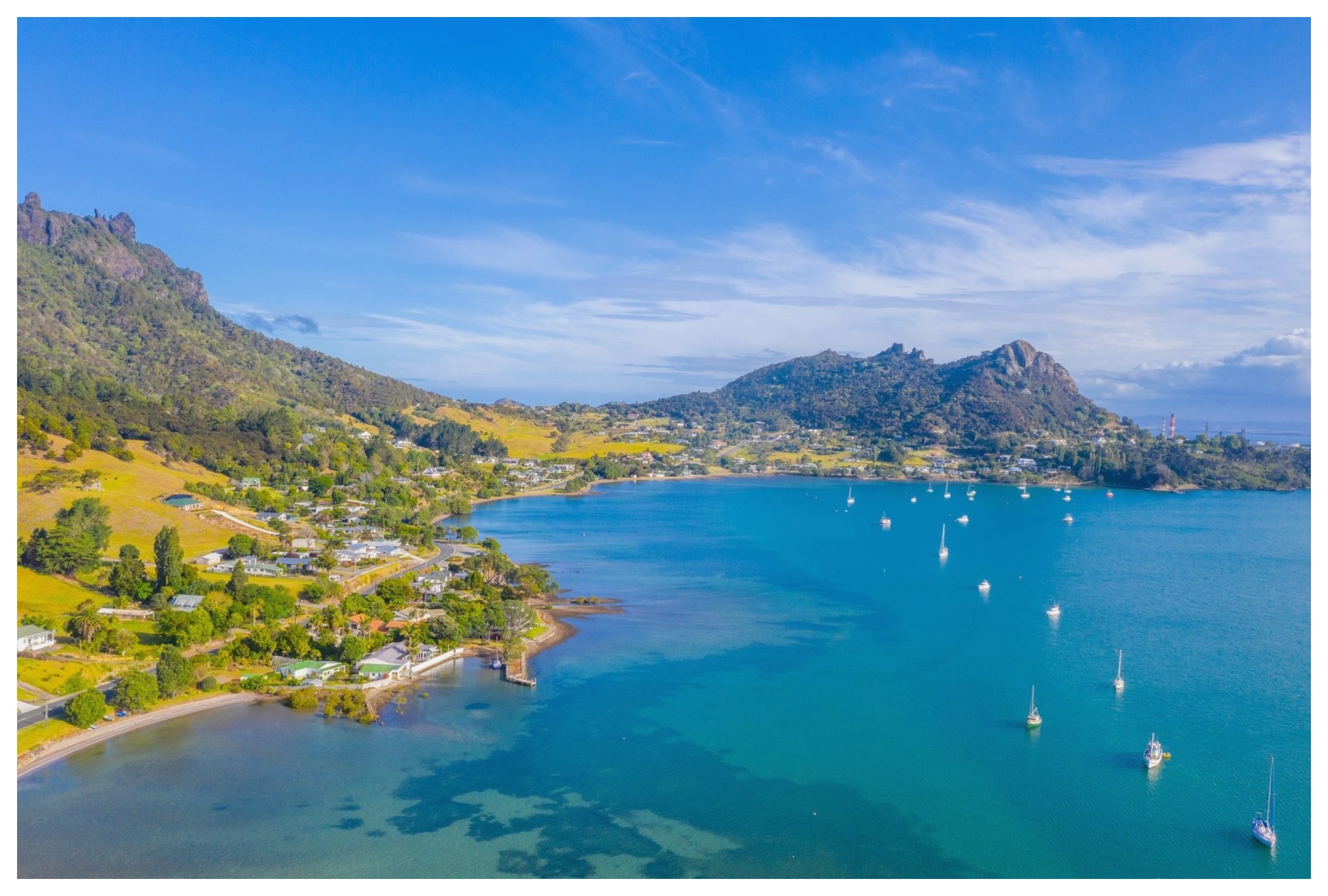
Correct pronunciation: FAH-nga-rei or FUHNG-uh-ray
Incorrect pronunciation: WANG-a-ray or WANG-ga-rye or Whanga-garry
This example highlights how the pronunciation of Māori words can vary based on the speaker’s ancestry. Ross Smith, a tutor with roots in Te Rarawa and Te Aupouri, emphasizes that “Whangārei” should be pronounced with an “f” sound rather than a “w” sound, noting, “There’s no word in Māori that means wanga.” The term “Whanga” translates to “the bay or harbor,” as well as “the place of waiting.” Furthermore, “Rei” is derived from the name of a Māori ancestor, Reipae, a princess who was married in the region.
Mr. Smith acknowledges that the pronunciation of Māori words can vary significantly by region. For instance, in the Whanganui and Taranaki regions, the “wh” in “iwi” is often pronounced like a “w.” In contrast, those in the Far North tend to pronounce the “h” before the “w,” despite the spelling being unchanged.
The lively debate in the comments section of this video highlights that the pronunciation of Whangārei is not as straightforward as it seems. If you’re determined to master it before your visit, consider joining LingualNeeds tutorials with a New Zealand tutor for expert guidance. For more details, check out the English classes available in Auckland.
Learn a language online with our free learning materials.
Learn English online
Learn French online
Honorable mentions: other tricky Kiwi place names
But wait, there’s more! These difficult-to-pronounce New Zealand places also made it into our top ten list:
6. Rotorua, North Island
Correct pronunciation: RRRO-to-rru-ah or ROAR-two-roo-ah
Incorrect pronunciation: ROW-tow-roo-ah
7. Auckland, North Island
Correct pronunciation: AWK-luhnd
Incorrect pronunciation: OAK-land
8. Paraparaumu, North Island
Correct pronunciation: PARA-para-umoo
Incorrect pronunciation: PARRA-parra-ow-mah
9. Motueka, South Island
Correct pronunciation: MO-two-aye-cah
Incorrect pronunciation: Mot-chew-eh-kuh
10. Ruapehu, North Island
Correct pronunciation: ROO-ah-pay-hoo
Incorrect pronunciation: ROO-ape-hoo
Final thoughts
While mispronouncing a place name in Australia or New Zealand won’t ruin your trip, taking a moment to learn the correct pronunciations can greatly enhance your experience. This small effort not only boosts your confidence when conversing with locals but also deepens your understanding of the area’s history, enriching your overall adventure.
To speak like a local, nothing beats conversing with one! You can easily book online language lessons with native speakers from your travel destination. For those interested in Australian English, there are plenty of qualified tutors available online. With LingualNeeds, finding the right tutor is a breeze: just browse our selection of English teachers and schedule a trial lesson. Before you know it, you’ll be chatting effortlessly with an Aussie or Kiwi!
Methodology
LingualNeeds delved into Google Search data, examining 332 notoriously difficult-to-pronounce locations in Australia and 251 in New Zealand. They identified the places that sparked the most “How to pronounce” and “How to say” queries, ultimately ranking them based on their pronunciation challenges as reflected in search frequency.
Language specialists delved into the linguistic nuances of the most commonly mispronounced place names, uncovering the correct pronunciations and providing valuable insights for better understanding.
Frequently Asked Questions
What is the correct pronunciation of Cairns, Queensland?
The correct pronunciation is CANS.
How should Prahran, Victoria be pronounced?
It should be pronounced as PRAN or Pr–AAN.
What is the common mispronunciation of Melbourne, Victoria?
The common mispronunciation is MEL-BORN.
What does the Māori name ‘Aotearoa’ mean?
It is widely believed to mean ‘land of the long white cloud.’
How is the town of Whanganui pronounced?
The correct pronunciation is whON-ga-noo-ee.