

- 9 Idioms in English About Cities, Places and Events
- 1. Act of God
- 2. Clean as a whistle
- 3. Cut and dried
- 4. Been through the war
- 5. Dead as a dodo
- 6. Hive of activity
- 7. Second to none
- 8. Worth its weight in gold
- 9. Middle of nowhere
- English Adjectives Used to Describe Places and Locations
- Frequently Asked Questions
- What does the idiom ‘act of God’ refer to?
- What does ‘clean as a whistle’ mean?
- What is meant by ‘cut and dried’?
- What does ‘dead as a dodo’ signify?
- How can I describe a very busy place using an idiom?

We all love to travel, meet new people, and learn about different cultures and customs in other countries.
Have you ever found yourself struggling to express the essence of a city or place you’ve visited? It’s a common experience—friends and family are eager to hear about your travels, asking whether you enjoyed the city, what highlights captivated you, and the memorable sights you encountered along the way.
Today, I invite you to discover nine fascinating English idioms that vividly describe cities, places, and events. Along with these expressions, I’ll also share some useful adjectives that can enhance your conversational skills. You’ll find that some of these idioms originate from American English, while others are popular across various English-speaking regions around the world.
Planning a big trip and want to brush up on your English? Check out our essential English lesson featuring the most practical travel phrases that every traveler should know!
9 Idioms in English About Cities, Places and Events
Let’s get started on the list!
1. Act of God
This phrase refers to natural disasters—events like earthquakes, floods, and tornadoes—that occur independently of human actions and for which we bear no responsibility.
For instance, the insurance company denied coverage for the flood damage from last night, categorizing it as an “act of God.” This classification often means that such natural events are not covered under standard policies.
2. Clean as a whistle
This English idiom conveys the idea of something being pristine or flawless. It can also refer to a person or object that embodies complete honesty and adheres strictly to legal standards.
For example, Bob was genuinely amused when he saw that his room was clean as a whistle.
3. Cut and dried
When something is described as “cut and dried,” it means that it is evident, understandable, and uncomplicated.
When Maggie arrived at the central office, she quickly realized that the situation was far more complicated than she had anticipated.
4. Been through the war
This English idiom refers to a place or object that clearly exhibits heavy wear and tear or has sustained considerable damage.
For example, That house looked as though it had been through the war.
5. Dead as a dodo
This English idiom conveys a straightforward idea: it refers to something that is no longer in fashion or has become outdated—essentially, something that has lost its significance or relevance. The term “dodo” originates from an extinct bird, symbolizing things that are no longer around or are considered obsolete.
For example, The floppy disk is an invention that is now dead as a dodo.
6. Hive of activity
A “hive of activity” is a place where a lot is happening, and everyone present is busy doing something.
For example: When we went to offer help, the kitchen was already a hive of activity.
7. Second to none
This English idiom means “the best; better than everything else (in a certain group or category).”
For example, The food at Ali’s restaurant is second to none. I love that place!
8. Worth its weight in gold
The phrase “worth its (or his/her) weight in gold” signifies an extraordinary value or usefulness of a person or thing. It highlights how precious and beneficial someone or something can be, much like gold itself.
For example, We couldn’t run the company without him. He’s worth his weight in gold.
9. Middle of nowhere
This idiom is used to describe a place that is very remote, far from any city or town.
For example, The campsite was in the middle of nowhere so I couldn’t phone you.
English Adjectives Used to Describe Places and Locations
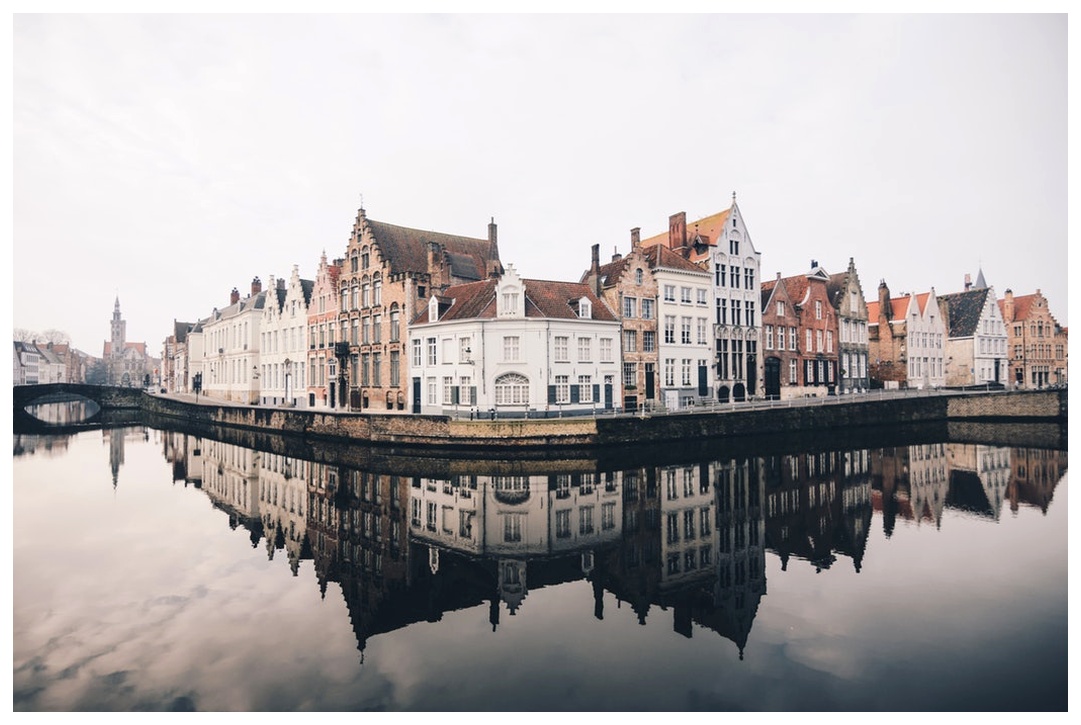
- Ancient/historical (like Egypt)
- Lively/vibrant (like Barcelona or Los Angeles)
- Dull/boring
- Attractive / beautiful / lovely (like Agra)
- Bustling / very crowded and busy (like New York or Mumbai)
- Contemporary / modern / up to date (like Manchester or Singapore)
- Picturesque/charming (like Istanbul)
- Touristy (like Niagara Falls)
- Sprawling (used to describe a big city)
You’ll soon master English idioms and adjectives to vividly describe your recent travels, allowing you to share whether the destination left you feeling impressed or disappointed.
Frequently Asked Questions
What does the idiom ‘act of God’ refer to?
It refers to natural disasters such as earthquakes, floods, and tornadoes that occur independently of human actions.
What does ‘clean as a whistle’ mean?
It means something is pristine or flawless, or refers to someone or something that is completely honest and adheres to legal standards.
What is meant by ‘cut and dried’?
It means something is evident, understandable, and uncomplicated.
What does ‘dead as a dodo’ signify?
It refers to something that is no longer in fashion or has become outdated.
How can I describe a very busy place using an idiom?
You can use the idiom ‘hive of activity’ to describe a place where a lot is happening and everyone is busy.


