- What are soft skills?
- Importance of soft skills in the workplace
- 10 Soft skills needed in the workplace
- 1. Communication
- 2. Adaptability
- 3. Responsibility and leadership
- 4. Teamwork
- 5. Positive attitude
- 6. Critical thinking
- 7. Professionalism
- 8. Interpersonal skills
- 9. Creativity
- 10. Cultural awareness
- How to assess candidates on soft skills
- Communication
- Adaptability
- Responsibility and leadership
- Teamwork
- Positive attitude
- Critical thinking
- Professionalism
- Interpersonal skills
- Creativity
- Cultural awareness
- Final thoughts
- Frequently Asked Questions
- What are soft skills?
- Why are soft skills important in the workplace?
- How can I assess a candidate’s soft skills during an interview?
- What are some examples of essential soft skills?
- Can soft skills be developed over time?
Whether you’re aiming to expand your career opportunities or searching for the perfect candidate to join your team, recognizing the significance of soft skills in the workplace is essential. These interpersonal abilities foster a positive and productive environment, benefiting both individuals and organizations alike.
This article highlights 10 essential soft skills that are crucial for success in the workplace, complete with practical examples for each. Additionally, it offers 30 insightful interview questions that hiring managers might use to assess a candidate’s proficiency in these vital skills.
What are soft skills?
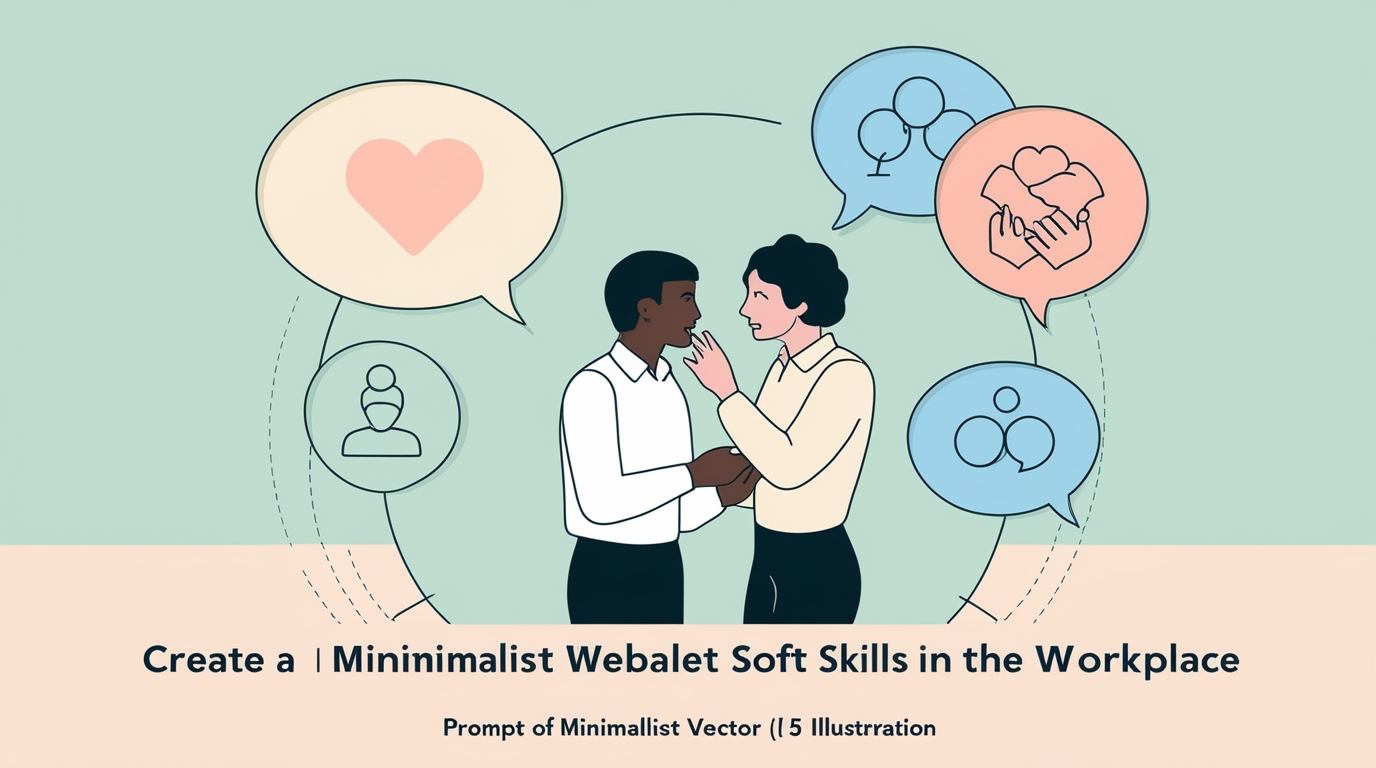
Soft skills are essential attributes that empower employees to excel both individually and collaboratively. By harmonizing diverse personalities and working styles, these skills help teams achieve optimal results and innovative solutions.
In contrast to hard skills, which are specific technical abilities that can be easily quantified, soft skills are more nuanced and cannot be measured in the same way. These skills manifest through an individual’s attitude, behavior, self-expression, and motivation, playing a crucial role in personal and professional success.
While they may be hard to measure, soft skills are a vital asset that can significantly enhance workplace efficiency, foster teamwork, and drive innovation.
Importance of soft skills in the workplace
In every job, successful human interaction is essential for delivering services, making soft skills invaluable across all industries. These skills enhance communication, promote innovative problem-solving, and cultivate a sense of teamwork, ultimately boosting productivity and workplace morale.
Soft skills are essential for the smooth operation of teams and departments; without them, communication can falter, conflicts can arise, and productivity may suffer. This is why hiring managers prioritize candidates who possess strong soft skills and are committed to continually enhancing them.
Unlike hard skills, which have clear criteria for measurement, soft skills can be more elusive, even for experienced professionals. The encouraging aspect is that these interpersonal abilities can be honed and enhanced through dedicated study and regular practice.
To enhance your soft skills, start by assessing which ones you currently possess. Reflect on past experiences where you demonstrated these skills, whether you’re an employee or a hiring manager. This self-awareness is crucial for growth and effective communication in any professional setting.
10 Soft skills needed in the workplace
Here’s a breakdown of 10 crucial soft skills that are highly valued in the workplace, along with examples of what employers typically look for when assessing potential candidates.
1. Communication
Effective communication is essential for fostering collaboration among individuals, departments, and organizations. It plays a crucial role in sharing innovative ideas, addressing concerns, and actively listening to feedback, all of which contribute to a more productive environment.
Clear communication is essential for effective workplace operations. When misinformation or misunderstandings occur, they can create unnecessary confusion, delay tasks, and strain professional relationships. Prioritizing transparency and clarity helps teams work more efficiently and collaboratively.
As remote collaboration becomes the norm, employees who excel in communication are now more essential than ever in the workplace. Their ability to convey ideas clearly and effectively plays a crucial role in fostering teamwork and productivity in a virtual environment.
Communication can be divided into two main categories: written and verbal. Employees who excel in written communication are adept at navigating online interactions. They know how to compose formal emails and adhere to messaging etiquette on professional platforms such as Slack, Asana, and Microsoft Teams, ensuring clear and effective communication in the workplace.
On the other hand, verbal communication includes meetings, presentations, and networking.
Whether you’re working locally or on a global scale, it’s essential to recognize that your colleagues and clients may communicate in different languages. Taking the time to learn even a few key phrases in their language can significantly enhance your professional relationships and foster a more collaborative environment.
2. Adaptability
In today’s dynamic professional landscape, adaptability is crucial for ensuring seamless operations amid shifting expectations, goals, and responsibilities. An adaptable employee can swiftly embrace new ideas, modify their strategies for tasks, and discover innovative solutions promptly, enabling them to thrive in a constantly evolving environment.
Demonstrating adaptability allows employees to effectively manage both team and personal stress, resulting in enhanced problem-solving skills and a more positive workplace atmosphere.
In the face of unexpected challenges, adaptable professionals play a crucial role in supporting their teams and organizations. Their ability to remain calm and composed during turbulent times not only helps navigate crises but also fosters resilience within the workplace.
As a result, hiring managers tend to seek candidates who have proven their ability to thrive and add value, even when faced with shifting environments or challenging circumstances.
Adaptability, a vital soft skill in today’s workplace, combines flexibility and determination. As the work environment constantly evolves, being adaptable is essential for success and growth in any career.
3. Responsibility and leadership
No matter if you’re leading a team or playing an equal role, embracing responsibility is crucial for achieving accurate and efficient results. Responsible team members excel at managing their time and take pride in their work, ensuring that all essential tasks are completed successfully.
Taking responsibility in the workplace is crucial for fostering trust, especially when it comes to acknowledging mistakes. Although it may seem counterintuitive, employers value employees who proactively address their errors. This not only reflects a strong commitment to their role but also demonstrates respect for colleagues and customers who may be impacted.
Responsibility can extend to leadership roles, such as leading meetings or managing specific projects. Embracing these responsibilities showcases your motivation, skill in prioritizing tasks, and talent for fostering consensus and addressing feedback through diplomatic solutions.
Many hiring managers actively look for candidates who have experience in mentoring colleagues or coaching new hires. These soft skills demonstrate strong communication abilities and are essential for fostering effective teamwork.
4. Teamwork
Teamwork is an essential soft skill in the workplace, enabling employees to collaborate effectively while leveraging diverse perspectives to achieve optimal results. This skill manifests in various ways, from partnering on daily tasks to coordinating across multiple departments or organizations for larger, long-term projects. Embracing teamwork not only enhances productivity but also fosters innovation and strengthens relationships within the workplace.
Essential teamwork skills like patience and diplomacy enable individuals to bridge the gap between diverse ideas and work styles. Given that varying perspectives can often result in conflict, possessing sensitivity and respect is equally vital for fostering effective collaboration.
Teamwork is essential for efficiency and effectiveness. When working solo, tasks can drag on and become challenging, especially when logistical or practical hurdles emerge. However, with a collaborative approach, projects become more manageable. Responsibilities can be distributed based on each member’s strengths, and diverse perspectives foster innovative solutions, making it easier to overcome obstacles together.
Being an effective team player often requires a fresh perspective on tasks and assignments, but teamwork is crucial for fostering a positive workplace environment. Moreover, collaborating with colleagues provides valuable opportunities to acquire new hard and soft skills, enhancing personal and professional growth.

5. Positive attitude
A positive attitude stands out as one of the most essential soft skills in any workplace. By fostering an optimistic outlook and encouraging constructive behavior, individuals can turn a challenging work environment into a more enjoyable and productive space for everyone involved.
Positivity can take various forms depending on the context, but kind and encouraging words are universally valued. They enhance communication, foster teamwork, and increase productivity by uplifting overall morale.
On the flip side, negativity can seriously damage workplace relationships and create an atmosphere of discontent. Embracing a positive attitude not only enhances your interactions with colleagues but also offers personal advantages. Research indicates that a positive outlook can lower stress levels and boost your chances of professional success.
It’s essential to understand that a positive attitude doesn’t involve ignoring difficulties or pretending everything is fine when it isn’t. Instead, maintaining optimism in the face of challenges is a highly sought-after soft skill that hiring managers value in candidates.
Maintaining a positive attitude during tough times involves persevering to the best of your ability and actively striving for the best possible outcome, no matter the challenges you face.
6. Critical thinking
Often termed as ‘troubleshooting,’ critical thinking involves the ability to identify, anticipate, and address challenges effectively. Demonstrating strong critical thinking skills signals to employers that an employee proactively tackles issues, rather than relying on others to find solutions.
Effective problem-solving significantly enhances workplace efficiency, prompting hiring managers to assess candidates’ skills in balancing independent tasks with collaborative efforts.
Strong critical thinking skills are essential for employees, requiring both composure and resolve. Those who think critically excel in decision-making; they can prioritize tasks effectively, assess intricate situations, and analyze potential outcomes for various solutions.
Hiring managers often seek evidence of strong critical thinking skills in candidates, as effective problem-solving can lead to unforeseen challenges even after previous issues have been addressed. Consistent success in tackling problems is a key indicator of a candidate’s ability to navigate complexity and adapt to new situations.
7. Professionalism
The term “professional” can vary widely across different industries, but it typically reflects a standard of preparation and attention to detail. Professionalism is often evident in the quality of an employee’s work, as well as their conduct and appearance in the workplace.
Professional employees demonstrate their commitment to workplace etiquette by honoring company policies, avoiding inappropriate language, and adhering to the department’s dress code.
A key element of professionalism is mastering the art of self-presentation. This involves using open body language, speaking clearly, and incorporating humor when suitable, all of which contribute to a positive and engaging impression.
Enhancing your professionalism involves refining your formal presentation skills. This means mastering the art of explaining complex topics to diverse audiences, confidently addressing follow-up questions, and effectively summarizing key points in a clear and concise manner.
Professionalism is a vital soft skill in the workplace that showcases a strong work ethic and enhances your professional credibility. By embodying professionalism, you not only gain respect from colleagues but also foster trust and reliability within your team.
8. Interpersonal skills
Interpersonal skills refer to the ability to effectively engage with coworkers, customers, and colleagues, fostering strong and positive working relationships. When these relationships thrive, operations become more efficient and productive, creating a sense of goodwill among everyone involved.
Collaboration is essential in almost every industry, making interpersonal skills a crucial trait that hiring managers look for in candidates. These skills not only facilitate teamwork but also enhance communication and problem-solving, ultimately contributing to a more productive work environment.
In today’s workplace, networking and negotiation stand out as essential interpersonal skills. Networking serves as a dynamic platform for professionals to share information and build valuable connections, often leading to new business opportunities for their organizations. Moreover, these interactions foster personal and professional development for everyone involved, making networking a vital component of career advancement.
Negotiation is fundamentally about connecting with others, grasping each party’s goals, and discovering shared interests. As global business networks continue to grow, these interpersonal skills are becoming essential in the workplace, highlighting the rising demand for soft skills in today’s interconnected environment.
9. Creativity
While following instructions is a valued skill in many workplaces, creativity is just as essential. Like adaptability, creativity plays a crucial role in tackling unexpected challenges that arise. Embracing innovative thinking can lead to effective solutions when faced with obstacles.
When a team member unexpectedly misses work, it often calls for a creative realignment of tasks and a fresh look at the previously established work plan. Striking the right balance between innovative ideas and practical constraints is essential for successfully implementing these creative solutions.
Finding solutions isn’t always a simple task, and that’s where creativity comes into play, often leading to experimentation. While trying out multiple approaches can be more time-consuming than sticking with one plan, this process typically yields better results. By measuring and considering different outcomes, experimentation helps identify the most effective solution.
Additionally, engaging in experimentation showcases a strong sense of determination and resilience, which in turn boosts the confidence of colleagues and supervisors in the employee’s professional abilities.
10. Cultural awareness
In today’s diverse and multicultural work environments, cultural awareness is crucial for fostering strong working relationships and driving innovation. At its core, cultural awareness involves recognizing and respecting the various perspectives, work styles, and communication methods that individuals bring to the table. Embracing this awareness not only enhances teamwork but also sparks creativity and progress within organizations.
Employees who possess cultural awareness are not only open to learning from diverse perspectives but are also adept at actively listening to others. This quality is highly valued in today’s professional landscape. Furthermore, cultural awareness involves recognizing that non-verbal communication can vary significantly across different cultures, highlighting the importance of sensitivity to these nuances.
Grasping the nuances of non-verbal communication—such as body language, eye contact, and tone—is essential for fostering a positive and productive workplace. Just as with spoken words, these signals can vary significantly across cultures. Providing training on these aspects can enhance understanding and collaboration among coworkers, ensuring effective communication within the organization.
HubSpot Call-to-Action Code [if lte IE 8]>
<div id=”hs-cta-ie-element”></div>
<![endif] end HubSpot Call-to-Action Code
How to assess candidates on soft skills
Soft skills vary significantly depending on the context, making it challenging to fully assess a candidate’s abilities right from the start. Their effectiveness can change based on the situation, which means initial impressions may not reveal the complete picture of their skillset.
By posing a few strategic questions during the interview, you can uncover how candidates have applied their soft skills in previous roles and how they could enhance your workplace moving forward.
Below are a few examples of soft skills questions hiring managers may ask job candidates during an interview.
Communication
- What is your communication style?
- How would you explain a complex process or concept to a client or coworker?
- Tell me about a time you resolved a miscommunication at work.
Adaptability
- What does being adaptable mean to you?
- Have you ever faced unexpected changes? Share your reaction and actions taken in response.
- Describe a time when you were out of your comfort zone, professionally. What happened, and how did you respond?
Responsibility and leadership
- How do you prioritize your work when juggling different deadlines?
- What are some ways that you maintain or improve your work performance in the face of a demanding workload?
- Tell me about a time when you took the initiative on a project.
Teamwork
- How would you respond to a teammate who wasn’t doing their share of work?
- How would you resolve a disagreement with a team member about the best approach to complete a task while ensuring its successful completion?
- How do you build a professional relationship with new coworkers or employees?
Positive attitude
- How do you react to challenging or surprising circumstances?
- How do you foster positivity in your department/ on your team/ at the workplace?
- Describe a time you stayed positive despite adversity.
Critical thinking
- Tell me about a time when you needed to make an important decision under pressure.
- What would you do if a solution you or a coworker had formerly proposed failed?
- Have you encountered potential issues in a work plan or project? What strategies did you implement to address them?
Professionalism
- What does professionalism in the workplace mean to you?
- What do you do to remain respectful while expressing your opinion in a professional setting?
- Describe your biggest challenge when collaborating with others. How do you ensure the collaboration is successful?
Interpersonal skills
- In your opinion, what is the most important part of building productive working relationships with others?
- Tell me about a time when your networking skills helped you achieve a positive outcome.
- How do you react to criticism?
Creativity
- What makes your work style unique?
- Strategies for Encouraging Creative Problem-Solving in the Workplace or Team Settings
- Explain a time when you used imagination to come up with an unorthodox solution.
Cultural awareness
- How do you engage with diverse opinions in the workplace? Share an experience collaborating with individuals from various backgrounds, cultures, or beliefs. How do you foster a culture of diversity, equity, and inclusion at work?
HubSpot Call-to-Action Code [if lte IE 8]>
<div id=”hs-cta-ie-element”></div>
<![endif] end HubSpot Call-to-Action Code
Final thoughts
After exploring the top 10 essential soft skills for the workplace, professionals can leverage this knowledge to enhance their career success.
Additionally, the questions outlined above provide a useful framework for the types of topics job seekers might encounter in an interview. Hiring managers can customize these questions to align with the specific requirements of the role or the culture of the company.
For companies aiming to boost soft skills, a key step is to enhance communication through corporate language training. Effective communication is essential for professionals to fully leverage their soft skills and succeed in today’s workplace.
Frequently Asked Questions
What are soft skills?
Soft skills are essential interpersonal attributes that empower employees to excel individually and collaboratively, facilitating effective communication and teamwork.
Why are soft skills important in the workplace?
Soft skills enhance communication, promote innovative problem-solving, and foster teamwork, ultimately boosting productivity and workplace morale.
How can I assess a candidate’s soft skills during an interview?
You can assess a candidate’s soft skills by asking strategic questions that reveal how they have applied these skills in previous roles.
What are some examples of essential soft skills?
Examples of essential soft skills include communication, adaptability, responsibility, teamwork, positive attitude, critical thinking, professionalism, interpersonal skills, creativity, and cultural awareness.
Can soft skills be developed over time?
Yes, soft skills can be honed and enhanced through dedicated study and regular practice.