- What is a web developer?
- Web developer’s basic responsibilities
- Front-end developer responsibilities
- Back-end developer responsibilities
- Industries that hire web developers
- English and web development
- 9 Essential web developer skills
- 1. Programming languages
- 2. Web development frameworks and libraries
- 3. Version control
- 4. Responsive design
- 5. Server management
- 6. APIs
- 7. Testing and debugging
- 8. Problem-solving and critical thinking
- 9. Project management
- How to become a web developer in 9 steps
- 1. Get a bachelor’s degree
- 2. Complete a coding bootcamp
- 3. Become fluent in English
- 4. Earn a relevant certification
- 5. Get experience through internships, freelance projects, or open-source projects
- 6. Create a portfolio on GitHub
- 7. Invest in your professional network
- 8. Build a strong LinkedIn profile and resume
- 9. Use specialized tech job boards to find open roles
- Start your career in web development
- Frequently Asked Questions
- What are the different types of web developers?
- What essential skills do web developers need?
- How can I start my career as a web developer?
- Why is English important for web developers?
- What resources can help me learn programming languages for web development?
In today’s digital age, every business relies on web developers to establish their online presence. It’s hard to imagine a company thriving without a website! This growing need for skilled web developers translates into high demand and lucrative salaries, with many earning nearly $100,000 annually in the USA.
Read on to discover the most important skills and how to become a web developer.
What is a web developer?
A web developer is responsible for creating and managing websites, transforming creative designs into fully functional online platforms. Utilizing their expertise in various programming languages, they bring web projects to life, ensuring a seamless user experience.
There are three kinds of web developers: Front-end developers, back-end developers, and full-stack developers.
- Front-end developers design and implement the visible components of a website, including layouts, graphics, and interactive features.
- Back-end developers create the invisible components of a website, ensuring its technical features work seamlessly behind the scenes for optimal functionality.
- Full-stack developers have front-end and back-end skills. They can do everything in the web development process.
Web developer’s basic responsibilities
Front-end and back-end developers have slightly different responsibilities. Let’s take a look at some of their job tasks:
Front-end developer responsibilities
- Build sites that look good and are easy to use
- Make sure websites work across different devices
- Write clean, efficient, and maintainable code
- Add new features to websites when requested
- Optimize website performance
- Work closely with designers and back-end developers
- Keep up-to-date with the latest front-end technologies, tools, and trends
- Conduct tests to make sure they function correctly
- Test sites on users and collect feedback for improvements
Back-end developer responsibilities
- Write code that allows the transfer of data from servers to the front end
- Design databases for efficient data storage
- Find and fix issues with website performance
- Collaborate with front-end developers
- Do quality assurance (QA) testing
- Protect the website by adding security measures
- Make sure third-party services (like payment systems, etc.) work smoothly
- Keep up-to-date with new technologies and best practice
Industries that hire web developers
Nowadays, all businesses have websites or web applications. This means all industries need web developers.
While the tech and software sectors are the largest employers of web developers, a career in web development offers a wealth of opportunities across diverse industries. Whether you’re interested in healthcare, government, finance, or media, there are numerous companies seeking skilled web developers to enhance their online presence and functionality.
Name an industry or company, and you can almost guarantee they need a website.
English and web development
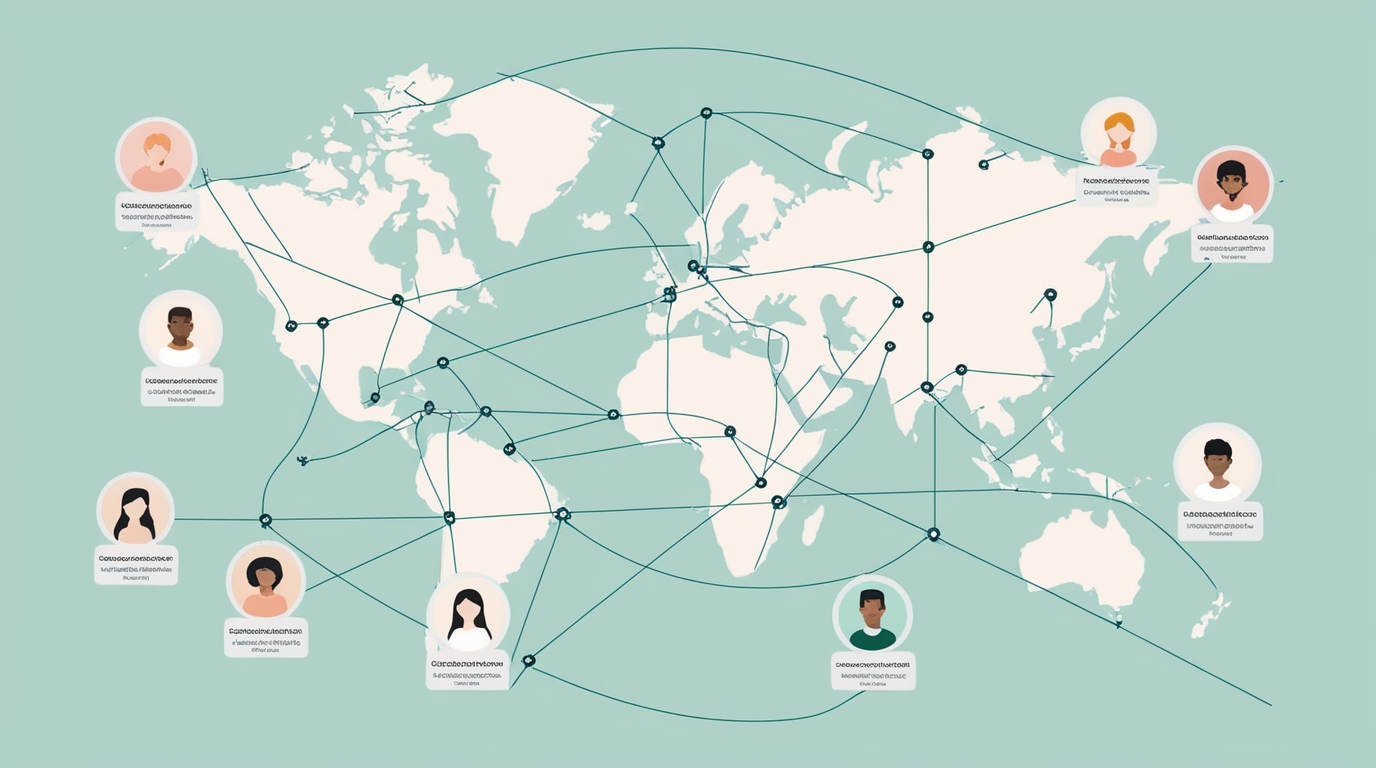
Mastering professional-level English opens doors to exciting job opportunities, especially in the tech industry. International companies are actively seeking skilled web developers, and effective collaboration with diverse teams requires strong English communication skills.
As a web developer, you’ll find that a significant portion of the software tools you use come with documentation in English. This is important because when you need to troubleshoot or learn how to accomplish a task, you’re likely to find the answers you seek in English resources.
English isn’t the most important skill for a web developer, but it can greatly boost your career prospects.
9 Essential web developer skills
Before diving into our list of skills, it’s essential to mention that you might encounter some technical terms that seem unfamiliar. Don’t worry—you’re not a web developer yet! We’ll help you navigate through these concepts. Be sure to bookmark this article as your study guide. Now, let’s get started!
1. Programming languages
As a web developer, coding skills are essential. While it would be convenient to learn just one programming language, the reality is that you’ll need to familiarize yourself with multiple languages to succeed in this field.
Here are some of the big ones:
- HTML (HyperText Markup Language) is for the structure and layout of a webpage
- CSS (Cascading Style Sheets) turns your HTML structure into a stylish webpage
- JavaScript adds interactive elements and animations to web pages
- Python enables the creation of dynamic web pages and applications that adjust content based on user preferences, location, and timezone.
- PHP (Hypertext Preprocessor) is designed for building dynamic web pages
- Ruby is a simple language you can use to build web applications and online shopping sites quickly
- Swift is Apple’s programming language for building applications
- Kotlin is a useful language for web and Android app development
One of the most exciting aspects of learning to code is the ability to teach yourself. Here’s a curated list of top resources to help you master various programming languages:
- W3Schools
- freeCodeCamp
- The Odin Project
- Codeacademy
2. Web development frameworks and libraries
Web developers have a wealth of frameworks and libraries at their disposal to simplify their workflow. Frameworks provide a structured set of tools and code that streamline the website-building process, while libraries consist of pre-written code snippets that enhance your site’s functionality with ease. Together, they empower developers to create dynamic and efficient web applications.
Both frameworks significantly speed up website development by eliminating the need to start from scratch. Among the most popular and effective frameworks are React, Angular, Vue.js, Node.js, Django, and Ruby on Rails, each offering unique features that enhance the development process.
Some of the most useful libraries are JQuery, NumPy, and Swift Mailer.
Don’t worry about learning these yet. They’re great skills, but you need to master the programming languages first.
3. Version control
Version control systems, such as Git, are essential for web developers. They enable you to monitor modifications in your code, easily revert to earlier versions, and collaborate seamlessly with your team. With these tools, multiple developers can work on the same codebase simultaneously without risking conflicts or overwriting each other’s contributions.
Version control provides a secure backup for your projects, allowing you to easily revert to earlier versions of your code when issues arise. This tool is crucial for web development, as it ensures that your work is protected and manageable throughout the development process.
4. Responsive design
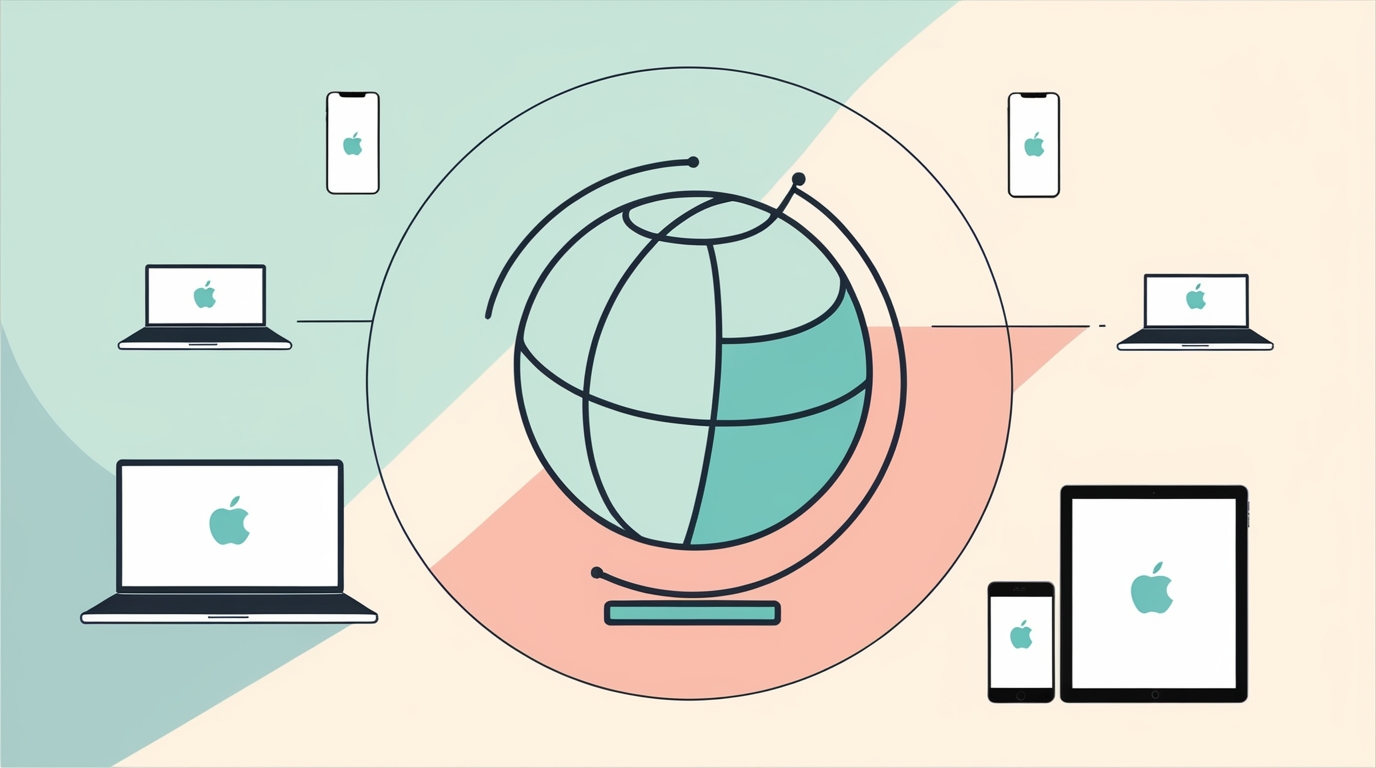
Have you ever wondered what occurs when you access a website on different devices like your computer or smartphone? Thanks to responsive design, websites automatically adjust to fit the size of your screen. Whether you’re browsing on a smartphone, tablet, computer, or even a TV, responsive design ensures that your experience is visually appealing and functional across all these platforms.
5. Server management
When you click a link on a website, your web browser sends a request to a server. This server then processes that request and returns the necessary data to your browser. Mastering this interaction is crucial for back-end developers, as it ensures a smooth and efficient user experience.
Imagine you’re browsing an online clothing store with a vast selection of hundreds of items. Creating a separate web page for each item would be unfeasible. Instead, all the product details are stored in a centralized database. When you click on a T-shirt link, your browser sends a request to retrieve that information. The server then processes your request, allowing you to view the specific T-shirt’s web page.
Imagine you’ve decided to purchase that T-shirt. You add it to your cart, and when you reach the payment screen, your credit card information is already filled in. This convenience is thanks to the server’s memory, which securely stores your details from your previous purchase, making checkout a breeze.
Back-end developers play a crucial role in ensuring the efficiency of processes behind the scenes. They are responsible for managing updates and implementing robust security measures on the server side to protect data and maintain system integrity.
6. APIs
APIs, or Application Programming Interfaces, serve as bridges that enable various software and services to interact seamlessly. For instance, when you visit a website that offers the option to log in using your Google or Facebook account, it’s leveraging an API. This connection allows the site to communicate directly with Google or Facebook, streamlining your login experience and making it more user-friendly.
APIs enhance user experience by enabling seamless interactions, expanding the functionality of your websites, and accelerating the web development process.
7. Testing and debugging
Testing and debugging are essential practices that ensure your website runs smoothly and reliably. By thoroughly testing your site, you can verify that all features function as intended. If you encounter any issues, debugging allows you to identify the root cause and implement effective solutions.
8. Problem-solving and critical thinking
Problem-solving and critical thinking skills are essential for identifying and resolving issues in web development. Given the complexity of building a website, challenges are inevitable. Skilled web developers tackle these obstacles by deconstructing problems into manageable components, pinpointing their root causes, and crafting effective solutions. This systematic approach ensures the successful delivery of fully functional websites.
9. Project management
Web development projects often come with their fair share of complexities, including tight deadlines, strict budgets, and specific requirements. To ensure a seamless process, strong project management skills are essential. This involves effectively organizing and prioritizing tasks, maintaining clear communication with team members and clients, and adeptly managing resources and timelines. With so many moving parts, mastering these skills is crucial for success!
Mastering project management skills equips you to deliver high-quality results while effectively navigating unforeseen challenges and adapting to changes. Additionally, these skills ensure that you keep clients updated throughout the process, all of which are essential ingredients for a successful project.
How to become a web developer in 9 steps
Embark on your journey to becoming a web developer by following these nine essential steps. While there are numerous skills to master, your dedication and a solid plan will set you on the path to success. Dive in and start building your future today!
1. Get a bachelor’s degree
Pursuing a bachelor’s degree in web development, IT, or computer science can be an excellent launchpad for your career. If you already hold a degree, think about enhancing your expertise with a master’s degree to delve deeper into a specific area of interest. However, this step is optional—consider it only if you’re eager to become a specialist in your field.
2. Complete a coding bootcamp
You don’t need a bachelor’s degree to launch a career in web development. While having one can be beneficial, there are alternative paths to showcase your abilities. One effective option is to enroll in a coding bootcamp. These immersive programs typically last a few months and equip you with essential web development skills. Plus, many bootcamps offer job placement assistance, giving you a head start in the job market.
Explore local bootcamps for in-person training opportunities. Alternatively, consider enrolling in some of these popular online courses to enhance your skills from the comfort of your home.
- Bloom Institute of Technology
- Bottega University
- Career Foundry
- Dev Mountain
- Iron Hack
- Le Wagon
- Nucamp
3. Become fluent in English
Here are four ways English skills can help your web development career:
- You get more opportunities at international or multinational organizations.
- You have the option of living and working in an English-speaking country.
- You can become a freelancer and work for clients worldwide instead of only in your home country.
- You will be able to understand software documentation and support articles because many of them are in English.
While technical skills take precedence, mastering English can significantly enhance your career prospects. Working one-on-one with a LingualNeeds tutor can help you learn English more effectively, accelerating your professional growth.
4. Earn a relevant certification
Enhancing your resume with a web development certificate can significantly boost your appeal to potential employers. You can choose from general certificates that cover a broad range of web development skills or opt for specialized ones that focus on particular areas of expertise. Regardless of your choice, these credentials will undoubtedly enhance your resume and showcase your commitment to professional growth.
- Full Stack Java Developer
- Full Stack Developer – MERN Stack
- Google Web Developer Certification
- Google Associate Android Developer
- Java FullStack Developer Specialization
- Python Institute Certifications
- Professional Certificate in Coding: Full Stack Development with MERN
- React Developer Certification
5. Get experience through internships, freelance projects, or open-source projects
Congratulations on completing your bootcamp and earning your beginner certification! So, what’s the next step? It’s time to gain real-world experience. You’ve acquired valuable skills, and now it’s essential to put them into practice. Get out there and start applying what you’ve learned!
Check job boards for internships. Browse Upwork for freelance projects. Find some open-source projects to join in with.
6. Create a portfolio on GitHub
This is why the earlier step is crucial: to secure a web development job, you need a strong portfolio. A compelling portfolio showcases your projects, so be sure to include any relevant work you’ve done—whether through internships, freelance gigs, or open-source contributions—on your GitHub profile.
Highlight your unique skills, such as expertise in online shopping platforms or mobile applications, in your GitHub portfolio. Doing so will set you apart and make a lasting impression.
7. Invest in your professional network
Even in today’s remote work environment, forging connections remains vital for web developers. Networking not only enhances your skill set but also opens doors to job opportunities and fosters friendships and mentorships. To expand your professional circle, consider attending local web development meetups, participating in industry events, or engaging in online communities.
8. Build a strong LinkedIn profile and resume
LinkedIn is a powerful platform for connecting with recruiters and fellow web developers. To make the most of it, ensure your profile stands out. Start with a professional photo and a clear, impactful headline that clearly communicates your skills and expertise. This clarity will help others understand what you do and what sets you apart in the tech industry.
Boost your visibility in search results by incorporating relevant web development keywords into your profile. Take the initiative to connect with recruiters and hiring managers on LinkedIn through direct messages. Don’t wait for job postings to come to you; be proactive and reach out to organizations where you aspire to work.
When crafting your resume, it’s essential to ensure it is optimized for applicant tracking systems (ATS) since these systems evaluate your document before a human ever sees it. Your resume should be easily comprehensible to both potential employers and ATS software. To enhance its compatibility, use tools like Teal to refine the format and structure, ensuring it meets ATS standards while remaining clear and engaging for readers.
9. Use specialized tech job boards to find open roles
While major job boards like Indeed can help you find work, exploring specialized tech job boards may lead to even better opportunities. Here are some top platforms specifically tailored for web developers:
- Crunchboard
- Dice
- IT Job Pro
- Levels.fyi
- Smashing Magazine
- Vue Jobs
Start your career in web development
Web developers are highly sought after, with lucrative job opportunities available across numerous industries. This article outlines essential steps to kickstart your career in web development.
While technical web development skills are crucial, it’s equally important not to overlook the power of mastering English. Proficiency in English can unlock doors to opportunities in international or English-speaking companies and even allow you to live abroad. Moreover, if you choose to pursue freelancing in web development, strong English skills will enable you to connect with clients from around the globe.
To make faster progress in English, study 1-to-1 with a LingualNeeds tutor.
Frequently Asked Questions
What are the different types of web developers?
There are three kinds of web developers: Front-end developers, back-end developers, and full-stack developers.
What essential skills do web developers need?
Essential skills for web developers include programming languages, web development frameworks, version control, responsive design, server management, APIs, testing and debugging, problem-solving, and project management.
How can I start my career as a web developer?
You can start your career as a web developer by getting a degree, completing a coding bootcamp, gaining experience through internships or projects, and building a portfolio on GitHub.
Why is English important for web developers?
Mastering English can enhance career prospects by opening opportunities in international companies, facilitating freelancing, and enabling understanding of documentation and support articles.
What resources can help me learn programming languages for web development?
Useful resources for learning programming languages include W3Schools, freeCodeCamp, The Odin Project, and Codecademy.