- Understanding the Japanese writing systems
- ひらがな (Hiragana): Your first steps
- カタカナ (Katakana): Meeting the foreign
- 漢字 (かんじ, Kanji): Here’s where the fun starts
- ローマ字 (ろーまじ, Rōmaji): A bridge to understanding
- Learning the alphabets
- 1. Start with hiragana
- 2. Master katakana
- 3. Tackle kanji
- Practical applications
- Hiragana in everyday use
- Katakana in the modern world
- Navigating with kanji
- Master the Japanese writing systems
- Frequently Asked Questions
- What are the three writing systems of Japanese?
- Why is hiragana considered essential for language learners?
- How does katakana differ from hiragana?
- What is the best way to start learning kanji?
- How can mastering the Japanese writing systems benefit daily life in Japan?
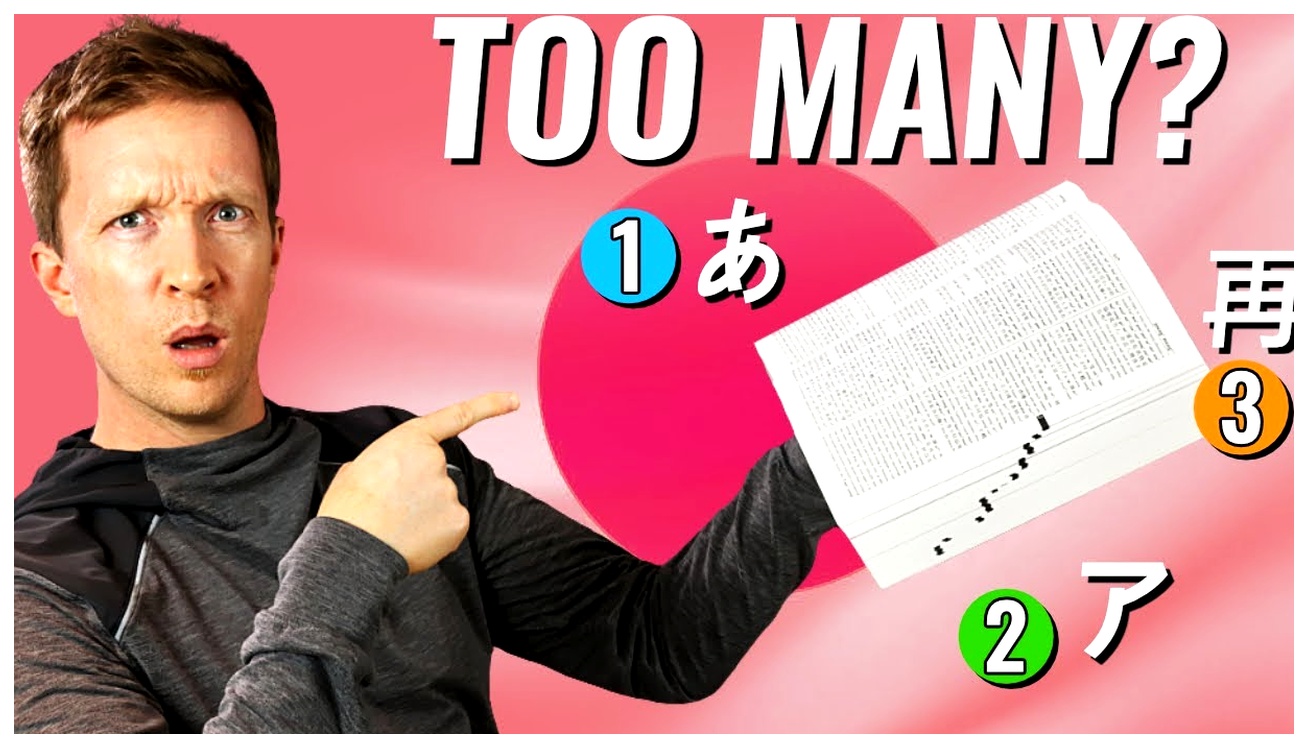
Mastering Japanese requires delving into its three unique writing systems, each with its own character and function. When you consider the total number of characters across these three alphabets, you’ll discover there are thousands to learn!
Are you eager to explore the fascinating world of Japanese writing? This article has you covered! Discover the essentials of hiragana, katakana, and kanji, and gain valuable tips to enhance your learning journey.
Understanding the Japanese writing systems
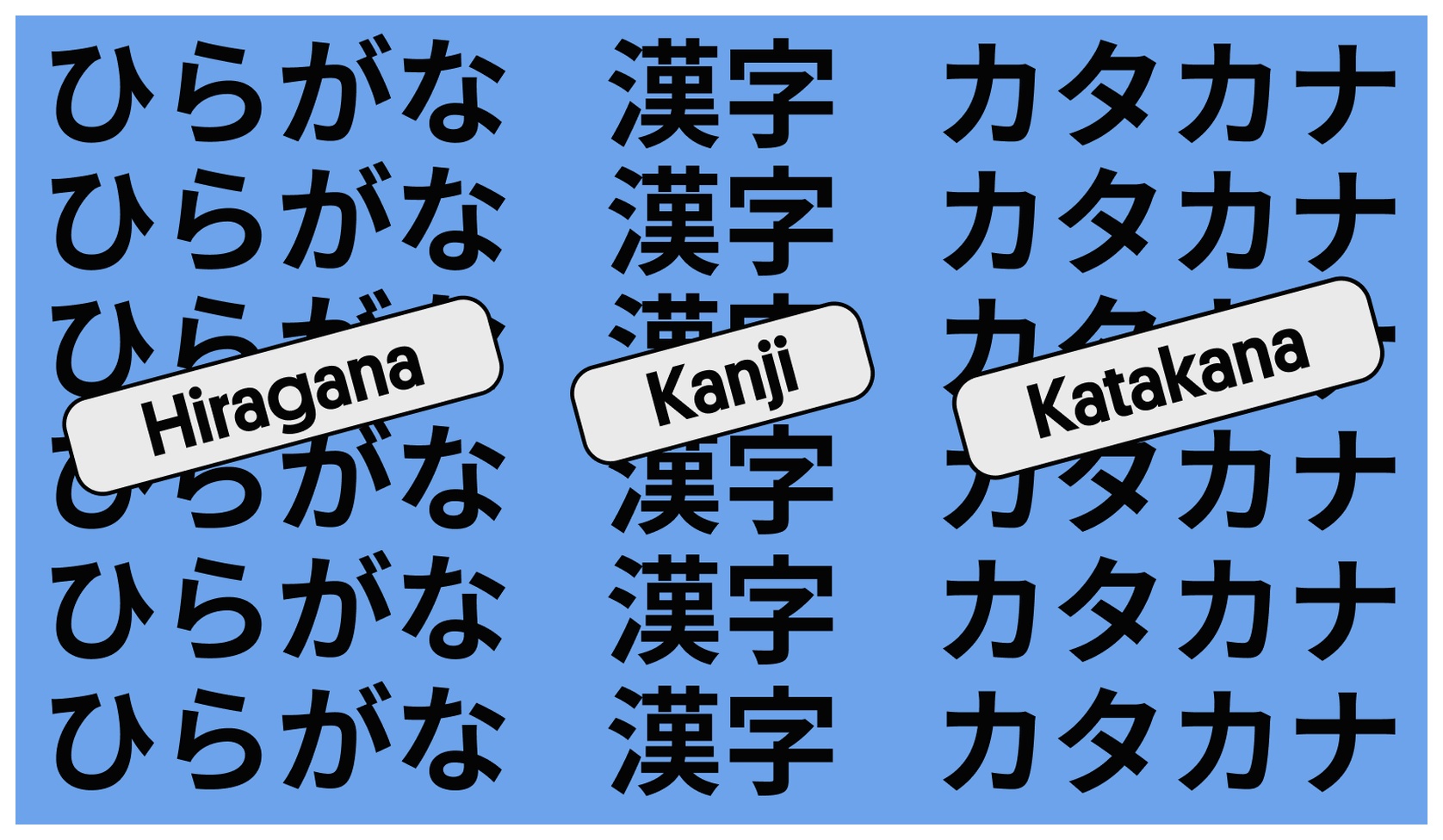
Let’s go over the three writing systems of Japanese.
ひらがな (Hiragana): Your first steps
Hiragana, characterized by its soft, flowing curves, is typically the first writing system that learners engage with, as it is also introduced to Japanese children in elementary school. This script is essential for native Japanese words and grammatical elements, working in harmony with kanji and katakana to form complete sentences. One of the remarkable features of hiragana is its phonetic nature: if you can read it, you can pronounce every sound in Japanese. This contrasts with English, where spelling often diverges from pronunciation.
カタカナ (Katakana): Meeting the foreign
Katakana, characterized by its angular and sharp appearance, is primarily used for foreign words, loanwords, and to add emphasis. For instance, the word コンピュータ (konpyūta) means “computer,” タクシー (takushī) translates to “taxi,” and インド (indo) refers to “India.”
漢字 (かんじ, Kanji): Here’s where the fun starts
Kanji, the most intricate of the three writing systems, consists of characters adapted from Chinese. Each kanji symbolizes a specific word or idea. For example, 水 (みず, mizu) translates to “water,” while 愛 (あい, ai) signifies “love.”
The process is intricate. Kanjis can combine with one another to form words, which leads to changes in their readings. Most kanjis possess multiple readings, adding another layer of complexity to the language!
Let’s explore the kanji for “water,” 水. When standing alone, it is read as みず (mizu). However, when paired with other characters, it changes to すい (sui). For instance, 海水 (かいすい, kaisui) translates to “sea water,” while 水曜日 (すいようび, suiyōbi) means “Wednesday.” This illustrates how kanji can possess multiple readings; in fact, some, like 下 (meaning “down”), can have as many as eight different pronunciations!
ローマ字 (ろーまじ, Rōmaji): A bridge to understanding
Rōmaji are Roman letters used to write out Japanese. For example, “Tokyo” (東京, とうきょう) in rōmaji is Tōkyō.
Our advice: Don’t rely on rōmaji. As soon as possible, switch to resources that include no romaji.
Learning the alphabets
Here are our tips for learning the Japanese alphabets:
1. Start with hiragana
Start your adventure with hiragana, the foundational Japanese script composed of 46 essential characters, each symbolizing a distinct sound. Here are some helpful tips to guide you:
- Start by familiarizing yourself with each character and its sound.
- Practice writing each character while saying its sound out loud.
- Pay attention to the stroke order.
- Helpful tools include hiragana charts, flashcards, and writing practice sheets.
The quicker you master hiragana, the faster you can move away from rōmaji. While rōmaji may appear helpful when you’re just beginning, relying on it for too long can hold you back from fully grasping the language. Here’s why it’s important to make the switch:
- Hiragana characters correspond to specific sounds, making it possible to pronounce Japanese words accurately if you can read them.
- Rōmaji doesn’t have this benefit.
Hiragana serves as the cornerstone of the Japanese language. By mastering hiragana, you’ll find it easier to tackle katakana and kanji, as they all share fundamental similarities. This foundational knowledge will enhance your overall understanding of Japanese.
2. Master katakana
Once you’ve mastered hiragana, it’s time to dive into katakana! While katakana uses different characters, it corresponds to the same sounds as hiragana. You can leverage your understanding of hiragana to accelerate your katakana learning by trying these strategies:
- Because of that, you can learn katakana in exactly the same way you learn hiragana.
- Focus on the distinct shapes and angles of katakana characters.
- Again, pay attention to stroke order.
3. Tackle kanji
Kanji is more complicated. There are thousands of characters – many with multiple readings. Here’s how to tackle kanji:
- Start with the most commonly used kanji characters.
- Learn them on their own and in compound words.
- Flashcards are a great way to learn kanji.
- Adopt the Japanese school method: practice kanji through repetition, focusing on proper stroke order to enhance retention.
Mastering the Japanese alphabets is a journey that demands both patience and consistent practice. Embrace every milestone you achieve, no matter how minor, and stay committed to your learning routine. With time and dedication, you’ll gain confidence and skill in reading and writing Japanese. Celebrate your growth along the way!
Practical applications
As you dive deeper into learning the Japanese alphabets, you’ll start to discover their real-world uses in daily life. Here are some practical examples where your skills will prove invaluable:
Hiragana in everyday use
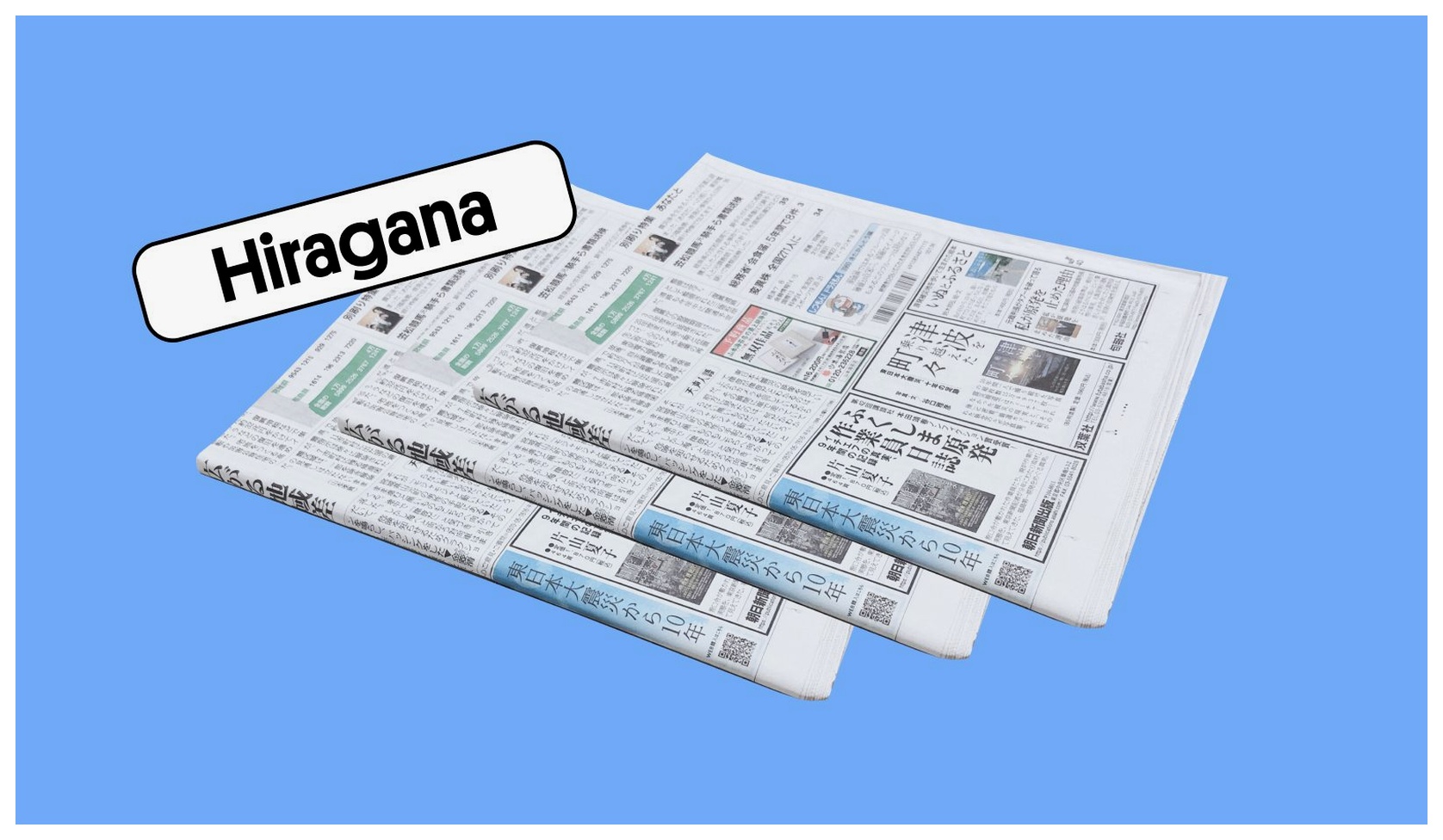
Hiragana is the cornerstone of Japanese writing, found in virtually every form of written communication. From newspapers and books to signs and magazines, this essential script permeates the Japanese language, making it a fundamental part of reading and understanding the culture.
Imagine strolling through a charming, off-the-beaten-path area of Kyoto, Japan, where English is scarce but the beauty of the surroundings is abundant. As you explore, you’ll notice hiragana and kanji on every sign, creating an immersive cultural experience. It’s lunchtime, and you’re craving some delicious udon, those thick, chewy noodles. Thanks to your understanding of hiragana, you can easily spot the sign that reads うどん, guiding you to a fantastic udon restaurant.
Katakana in the modern world

Katakana is a crucial element of branding, advertising, and contemporary media in Japan. It is frequently employed for foreign loanwords, especially those related to technology and pop culture. For example, if you’re a fan of video games or tech, you’ll encounter terms like テレビ (terebi – television), スマホ (sumaho – smartphone), パソコン (pasocon – PC), and ゲーム (gēmu – video game) written in katakana. Understanding katakana will be particularly useful when shopping for electronic goods in Tokyo.
Navigating with kanji
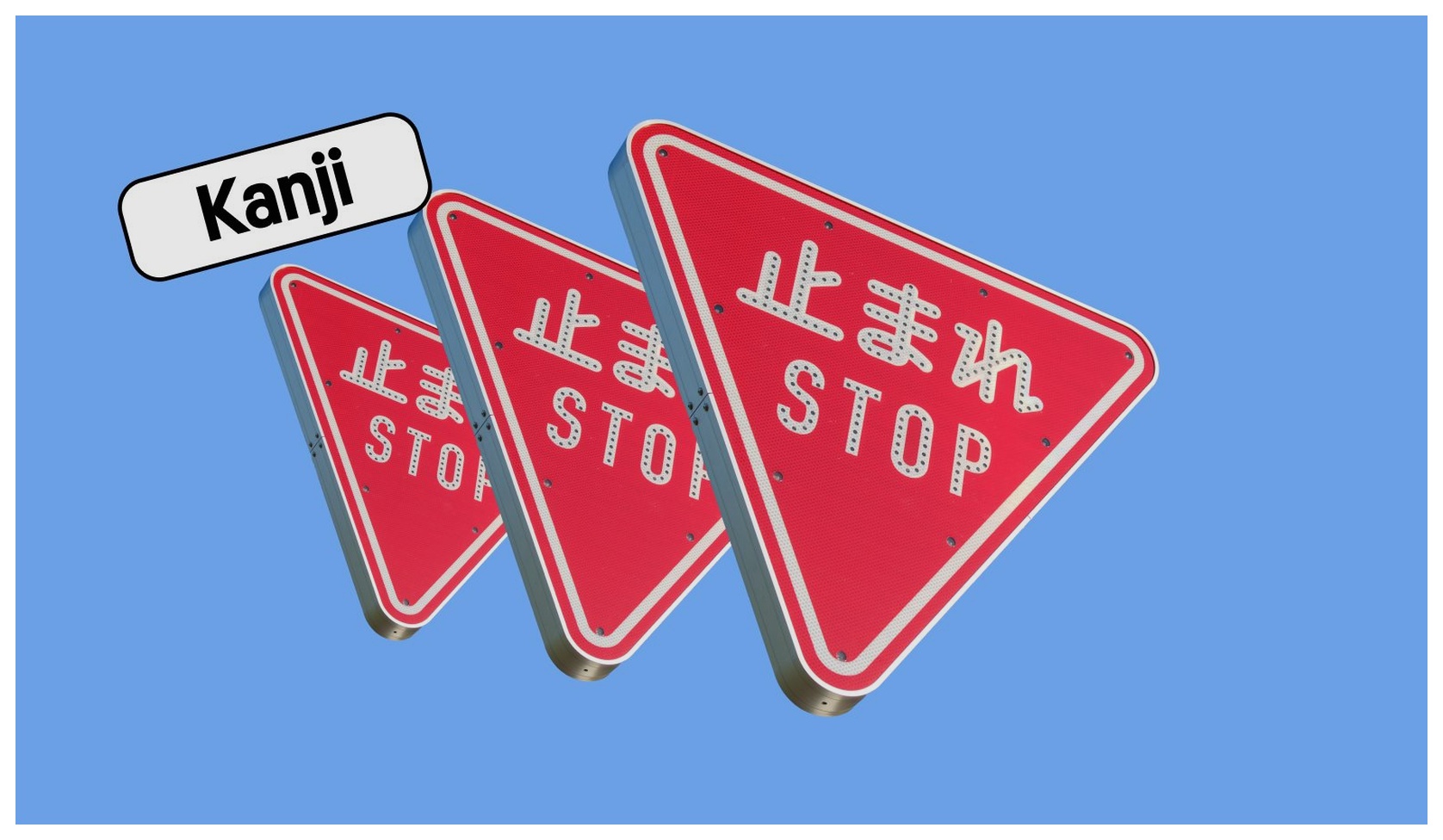
Kanji is commonly found in formal and intricate texts, making it essential for understanding various aspects of Japanese life. You’ll encounter kanji on street signs, in newspapers, official documents, and literature. For example, knowing kanji such as 駅 (えき, eki – station), 市役所 (しやくしょ, shiyakusho – city hall), and 公園 (こうえん, kōen – park) greatly enhances your ability to navigate urban areas in Japan.
Master the Japanese writing systems
Mastering the Japanese writing systems isn’t an overnight endeavor; it requires dedication and patience, particularly with kanji. However, by following the strategies outlined in this article, you can start by learning hiragana, eliminating rōmaji, and then progressing to katakana before tackling kanji. This step-by-step approach will set you on the path to reading Japanese with confidence. If you ever find yourself needing assistance, consider scheduling a lesson with one of LingualNeeds’ online Japanese tutors for personalized support.
Frequently Asked Questions
What are the three writing systems of Japanese?
The three writing systems of Japanese are hiragana, katakana, and kanji.
Why is hiragana considered essential for language learners?
Hiragana is essential because it is the foundational script that represents native Japanese words and grammatical elements, making it crucial for reading and pronunciation.
How does katakana differ from hiragana?
Katakana is primarily used for foreign words and loanwords, and has a more angular appearance compared to the soft, flowing curves of hiragana.
What is the best way to start learning kanji?
The best way to start learning kanji is to focus on the most commonly used characters, learn them individually and in compound words, and use flashcards for practice.
How can mastering the Japanese writing systems benefit daily life in Japan?
Mastering the Japanese writing systems enhances your ability to navigate urban areas, read signs, and understand various forms of written communication in Japan.