
- 1. LingualNeeds: Best for personalized language learning
- Pros
- Cons
- 2. JA Sensei: Best for beginners
- Pros
- Cons
- 3. Bunpro: Best for spaced repetition
- Pros
- Cons
- 4. JapanesePod101: Best for listening comprehension
- Pros
- Cons
- 5. Mondly: Best for VR and AR learning
- Pros
- Cons
- 6. Drops: Best for memorizing vocabulary
- Pros
- Cons
- 7. LingoDeer: Best for grammar
- Pros
- Cons
- 8. Tae Kim’s Guide to Learning Japanese: Best free grammar resource
- Pros
- Cons
- 9. Speechling: Best for speaking and pronunciation
- Pros
- Cons
- 10. Obenkyo: Best for comprehensive writing practice
- Pros
- Cons
- 11. Write It! Japanese: Best for hiragana and katakana
- Pros
- Cons
- 12. Kanji Study: Best for kanji
- Pros
- Cons
- 13. Human Japanese: Best for interactive writing lessons
- Pros
- Cons
- 14. Pimsleur: Best for interactive audio lessons
- Pros
- Cons
- 15. Lingopie: Best for learning through movies and TV
- Pros
- Cons
- 16. Rocket Japanese: Best for comprehensive language learning for a one-time payment
- Pros
- Cons
- 17.Rosetta Stone: Best for traditional learners
- Pros
- Cons
- 18. FluentU: Best for intermediate learners
- Pros
- Cons
- 19. Duolingo: Best for consistent daily learning
- Pros
- Cons
- How to learn Japanese with apps
- Find the best app to learn Japanese for your language goals
- Frequently Asked Questions
- What is the best app for personalized language learning?
- Are there any free apps for learning Japanese?
- How do language learning apps enhance the learning experience?
- What is Bunpro best known for?
- Can I learn Japanese vocabulary through movies?
If you’re passionate about anime, manga, Japanese pop music, or the rich tapestry of Japanese culture, there are numerous enjoyable avenues to immerse yourself in this captivating language.
If you’re eager to learn Japanese quickly, starting with language apps can be an excellent choice. However, keep in mind that while these apps are valuable resources, their effectiveness skyrockets when paired with personalized approaches, such as one-on-one tutoring. Combining both methods can significantly enhance your learning experience!
Language learning apps are excellent for self-study, but they often fall short in providing the personalized guidance and interactive feedback essential for effective learning. In contrast, a private tutor can tailor a unique learning plan that aligns with your individual style and goals, ensuring a more engaging and effective educational experience.
Tutors play a crucial role in shaping effective language learning by prioritizing communicative competence and its practical applications. Their impact goes well beyond just teaching grammar and correcting mistakes; they focus on fostering personal development, emotional intelligence, and holistic growth. By guiding students in effective learning strategies, tutors ignite a lasting passion for education that extends beyond the classroom.
— Sylvia Johnson, the Head of Methodology at LingualNeeds
Discover the top 19 apps for learning Japanese, evaluated for their pricing, features, advantages, and drawbacks. Continue reading to find the perfect fit for your learning journey!
1. LingualNeeds: Best for personalized language learning

- Best use case: 1-on-1 lessons with native Japanese speakers
- Pricing: Starting at $5/hour
- Free trial: No
- Average rating: 4.8/5 stars
- Available on web, iOS, and Android
With LingualNeeds, you can enjoy personalized 1-on-1 language lessons with native Japanese tutors. This platform integrates essential elements of language learning, allowing you to fully immerse yourself in the language while listening to authentic conversations. Most importantly, it emphasizes speaking practice. Plus, you have the freedom to attend classes anytime and anywhere that suits you.
LingualNeeds kicks off your language learning journey with a personalized questionnaire that assesses your goals, proficiency level, and schedule. Based on your responses, it recommends suitable tutors, helping you save valuable time in your search. You can further refine your options by filtering tutors according to price, availability, and their country of origin.
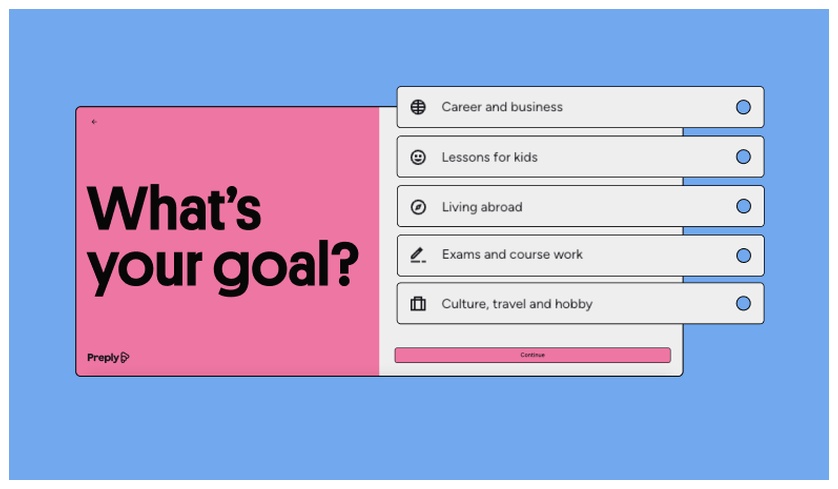
You’ll begin with a trial lesson lasting either 25 or 50 minutes, giving you the chance to see if the tutor is the right fit for you or if you’d prefer to explore other options. Once you find a tutor you connect with, you can sign up for a subscription, which will help keep you motivated and committed to your language learning journey.
Selecting a tutor means you’ll receive a tailored learning plan designed to meet your unique objectives, whether that’s mastering industry-specific vocabulary or boosting your speaking confidence. Plus, if you’re ever unhappy with a lesson, LingualNeeds will gladly provide a free replacement tutor.
All your lessons with your tutor take place in the LingualNeeds classroom, an exclusive video chat environment designed for effective learning. This virtual space includes a text chat feature for file sharing and allows your tutor to write new vocabulary. Additionally, it offers a whiteboard and a dedicated notes section to enhance your learning experience.
Pros
- Personalized lessons based on your learning goals
- Online library of practice exercises, courses, and conversation starters for various topics
- Built-in tool to help you review new vocabulary between lessons
Cons
- No free acces
- Live video lessons require a strong internet connection
2. JA Sensei: Best for beginners

- Best use case: Learning basic reading, writing, listening, and speaking skills
- Pricing: Free
- Free trial: Free version available
- Average rating: 4.8/5 stars
- Available on web and Android
JA Sensei offers an immersive approach to learning basic Japanese by placing you in real-life scenarios. Each lesson is thoughtfully designed, featuring engaging dialogues, essential vocabulary, grammar tips, and a cultural insight page. To reinforce your understanding, you’ll complete a quiz after every lesson. Additionally, you can enhance your speaking skills by recording your voice and comparing your pronunciation to that of native Japanese speakers.
Japanese uses multiple writing systems, but here are the three main systems you’ll need to learn:
- Hiragana: Phonetic lettering for native Japanese words
- Katakana: Phonetic lettering for words from foreign languages
- Kanji: Chinese characters used in Japanese
The app features an extensive collection of over 6,000 kanji, complete with stroke orders, meanings, example sentences, and additional resources. You can tailor your learning experience based on your objectives, choosing from the Japanese-Language Proficiency Test (JLPT), Jouyou, or Kanji Kentai levels.
Unlock the power of communication with a comprehensive phrasebook featuring over 900 essential Japanese phrases tailored for everyday interactions. Each phrase is thoughtfully organized by theme, making it easy to find what you need. Enhance your learning experience with accompanying audio clips and example sentences that provide valuable context for each phrase.
JA Sensei stands out from many language learning apps by offering its features entirely free of charge. While this accessibility is a major advantage, it does come with the trade-off of being less comprehensive and rigorous compared to some paid alternatives.
Pros
- Built-in drawing tool for practicing kanji
- Ability to save mistakes in quizzes so you can revisit them
Cons
- Not available on iOS
- Lessons lack further explanation
3. Bunpro: Best for spaced repetition

- Best use case: Studying vocabulary through spaced repetition and fill-in-the-blank exercises
- Pricing:
- Free access
- $5/month
- $50/year ($4.17/month)
- $150 for lifetime access
- Free trial: 30-day free trial
- Average rating: 4.8/5 stars
- Available on web, iOS (beta only), and Android
Bunpro’s curriculum is designed around the Japanese Language Proficiency Test (JLPT), focusing on essential Japanese language skills. Whether or not you intend to take the exam soon, this structured approach can significantly enhance your vocabulary and grammar, helping you advance in your Japanese learning journey.
Bunpro is a dynamic spaced repetition system (SRS) designed specifically for mastering Japanese vocabulary and grammar. What sets Bunpro apart from other SRS tools is its innovative use of “cloze deletion” exercises, which challenge you to fill in the blanks rather than relying on multiple-choice quizzes. This engaging approach helps deepen your understanding and retention of the language.
Studies indicate that cued recall through cloze deletion exercises enhances long-term memory retention. This approach not only helps you learn vocabulary and grammar within context but also equips you with the skills needed for effective communication in real-life situations.
Bunpro offers an extensive collection of more than 900 grammar explanations, conveniently organized to align with well-known textbooks such as Genki. Additionally, it features thousands of vocabulary words tailored for learners at the JLPT N5 and N4 levels. (For reference, the JLPT levels range from N5, the easiest, to N1, the most challenging.)
Premium users enjoy exclusive access to over 20,000 context sentences designed to enhance their vocabulary skills, with difficulty levels that progressively increase. Each sentence is accompanied by audio recordings from native Japanese speakers, providing an authentic learning experience.
Pros
- Detailed progress tracking for each JLPT category
- Online forum where you can interact with other language learners
Cons
- Spaced repetition features are only available for premium users
- No formal speaking practice
4. JapanesePod101: Best for listening comprehension

- Best use case: Improving your vocabulary and listening comprehension with audio lessons
- Pricing:
- Free access to some features
- Starting at $4/month
- Free trial: 7-day free trial
- Average rating: 4.7/5 stars
- Available on web, iOS, Android, and Kindle Fire
Dive into the world of Japanese with JapanesePod101! Whether you’re starting from scratch or looking to enhance your skills, our engaging short video and audio lessons make learning easy and enjoyable. Opt for a premium plan, and you’ll gain exclusive access to a native Japanese tutor who can chat with you, helping you refine your speaking and writing through audio and text messages.
JapanesePod101 is a comprehensive language learning platform that offers a mobile app, an engaging YouTube channel, and a variety of resources including video and audio lessons, transcripts, lesson notes, vocabulary lists, and flashcards. Whether you’re a beginner or looking to enhance your skills, it provides everything you need to master Japanese effectively.
This comprehensive resource is an excellent tool for learning Japanese, offering a wealth of information in one place. However, it falls short in providing opportunities for live conversations with teachers, which are essential for enhancing your speaking and listening skills.
With a Premium Plus membership, you gain access to live tutors who can answer your questions and provide tailored feedback on quizzes. However, please note that this plan does not include one-on-one video calls for conversation practice.
Pros
- Downloadable PDFs and vocabulary lists
- Personalized quizzes
Cons
- Teachers only available via messenger
- No live speaking practice
5. Mondly: Best for VR and AR learning

- Best use case: Practicing real-world vocabulary and phrases with cutting-edge technology
- Pricing:
- Free access to some features
- $9.99/month
- $47.99/year ($3.99/month)
- Free trial: 7-day free trial
- Average rating: 4.8/5 stars
- Available on web, iOS, and Android
If you’re seeking a deeper dive into learning Japanese while enjoying a format similar to Duolingo, Mondly might just be the perfect fit for you. Its engaging approach offers a more comprehensive learning experience that can enhance your language skills effectively.
Mondly revolutionizes language learning by embracing gamification, making the process both fun and effective. It features a variety of engaging exercises similar to those found in other apps, including fill-in-the-blank tasks, drag-and-drop challenges, listening activities, and translation questions, ensuring a well-rounded learning experience.
Each exercise is designed as a quick, dynamic drill, lasting just 5 to 15 minutes a day. These brief sessions encompass a variety of engaging activities, including listening, writing, and translation tasks, ensuring a well-rounded practice that fits easily into your daily routine.
The Mondly dashboard includes an interactive map that allows you to visualize your language learning journey. Additionally, the engaging leaderboard tracks your performance, adding a competitive edge that motivates you to improve while learning with family and friends.
Mondly offers exciting virtual reality (VR) and augmented reality (AR) apps that immerse you in interactive digital settings to practice your Japanese language skills. For just a one-time fee of $5, you can access the VR app, which requires an Oculus headset for use. If you have a paid subscription, you can enjoy the AR app on your smartphone at no additional cost, making language learning both fun and accessible!
Pros
- Fast lessons you can do anywhere, anytime
- Chatbot for practicing the basics of the language
Cons
- Limited phrases can make practice redundant
- No feedback on speaking exercises
6. Drops: Best for memorizing vocabulary

- Best use case: Memorizing new vocabulary
- Pricing:
- Free access to some features
- $13/month
- $69.99/year ($5.83/month)
- $159.99 for lifetime access
- Free trial: 14-day free trial
- Average rating: 4.7/5 stars
- Available on web, iOS, and Android
Looking to expand your Japanese vocabulary? Look no further than Drops! This engaging app transforms language learning into a fun, gamified experience, making it one of the top choices for mastering Japanese words. With a focus on themed repetition of simple words, verbs, and phrases, you’ll easily commit them to memory while enjoying the process.
Drops offers visually stunning and interactive vocabulary lessons designed to make learning common Japanese words and phrases enjoyable. The app includes dedicated units focused on Japanese writing systems, enabling you to grasp the fundamentals swiftly and effectively.
The units are designed to build sequentially, meaning you’ll need to show proficiency in one skill set before progressing to the next. However, with a premium account, you have the freedom to explore different lessons at your own pace.
In Drops, words and phrases cascade onto your screen during each lesson, allowing you to choose which ones to practice and skip those you’re already familiar with. Each term comes with pronunciation guidance from a native speaker, enhancing your learning experience.
Pros
- Fun and engaging learning experience
- Useful for practicing new vocabulary
Cons
- Free version is limited to five minutes of daily practice
- No speaking practice or grammar lessons
7. LingoDeer: Best for grammar

- Best use case: Learning beginner to intermediate Japanese grammar
- Pricing:
- $14.99/month
- $39.99 for 3 months ($13.33/month)
- $79.99/year ($6.67/month)
- $159.99 for lifetime access
- Free trial: Free first lesson
- Average rating: 4.8/5 stars
- Available on web, iOS, and Android
LingoDeer is an engaging and user-friendly app designed to help you master the essentials of elementary and intermediate Japanese. Whether you’re gearing up for language proficiency exams such as the JLPT N5, N4, or N3, this app provides the tools you need to succeed in your studies.
The app offers compact lessons that make learning Japanese both convenient and accessible. Perfect for fitting in quick exercises during your lunch break, on your commute, or even before you hit the hay, it seamlessly integrates language practice into your daily routine.
LingoDeer enhances your Japanese learning experience by utilizing native speaker audio clips and a strong focus on grammar. The lessons are thoughtfully organized into themed units, such as “Professions” and “Food,” allowing you to grasp essential concepts in a structured and engaging way.
Each lesson emphasizes key grammar concepts, vital vocabulary, and activities that challenge you to structure sentences effectively. While this program may not prioritize speaking practice as much as other apps, making it less ideal for those looking to quickly improve their pronunciation and conversational abilities, it offers a solid foundation for language learning.
At the beginning of each unit, you’ll receive valuable tips that clarify the grammar concepts you’ll explore in the lessons. To wrap up the unit, you’ll engage in a brief speaking exercise that integrates all the skills you’ve learned.
Pros
- Offline learning available
- Free travel phrasebook
Cons
- Exercises can feel repetitive
- No speaking practice
8. Tae Kim’s Guide to Learning Japanese: Best free grammar resource

- Best use case: Supplementing your learning with Japanese grammar resources
- Pricing: Free
- Free trial: Free version available
- Average rating: 4.8/5 stars
- Available on web, iOS, and Android
Tae Kim’s Guide to Learning Japanese provides a straightforward and effective method for mastering the language, particularly for those who are already familiar with hiragana and katakana. The guide includes a variety of grammar exercises across all three Japanese writing systems, allowing you to sharpen your skills wherever you are.
The app offers a user-friendly interface and provides comprehensive explanations of Japanese grammar elements. With a wealth of example sentences, engaging dialogues, and practical tips, it helps you apply what you’ve learned effectively.
While it’s an excellent grammar resource, there are no listening exercises or speaking practice.
Pros
- Completely free to use
- Focuses on Japanese grammar
Cons
- Not suitable for beginners
- Mobile app isn’t as good as the web version
9. Speechling: Best for speaking and pronunciation

- Best use case: Practicing pronunciation and prosody (intonation, stress, and rhythm) with feedback from native speakers
- Pricing:
- Free access to some features
- $19.99/month
- Free trial: Free version available
- Average rating: 4.8/5 stars
- Available on web, iOS, and Android
Speechling offers an immersive approach to learning Japanese by utilizing recordings from native speakers. You’ll enhance your skills with a variety of engaging activities, including dictation, listening comprehension exercises, flashcards, multiple-choice quizzes, and fill-in-the-blank tasks. This diverse method ensures a well-rounded mastery of the language.
You have the flexibility to either follow the app’s organized curriculum or explore sentences on your own using the phrasebook. Additionally, you can strengthen your language skills by beginning with essential nouns, verbs, and numbers.
The app offers audio recordings of your practice sessions along with a side-by-side comparison of your pronunciation next to that of a native Japanese speaker. You can also select whether you want to hear a male or female voice, making it easier to adopt a speaking style that suits your preferences. This personalized feature enhances your learning experience, allowing you to focus on the nuances of gender-specific speech.
The free version offers 35 audio recording coaching corrections each month, allowing you to refine your skills at no cost. If you’re looking for more extensive feedback, consider upgrading to a premium membership, which provides unlimited corrections for continuous improvement.
Pros
- Free version includes pronunciation corrections
- Offers many tools and exercises to suit multiple learning styles
Cons
- Not ideal for absolute beginners
- Some users have complained about a poor user experience
10. Obenkyo: Best for comprehensive writing practice

- Best use case: Learning hiragana, katakana, and kanji
- Pricing: Free
- Free trial: Free version available
- Average rating: 4.7/5 stars
- Available on Android
Obenkyo provides engaging lessons in Japanese grammar, vocabulary, and writing tailored to different proficiency levels. This structure ensures you can easily find content that matches your skills, making your learning experience both effective and enjoyable.
Flashcards are available to help you practice writing Japanese characters, and handwriting software can assess your mastery of stroke techniques. While this is a valuable resource for enhancing your Japanese writing skills, it has limited features beyond that.
Pros
- Covers main forms of Japanese writing
- Broken down by learner’s level
Cons
- No in-depth lessons in the Japanese language
- Only available on Android
11. Write It! Japanese: Best for hiragana and katakana
- Best use case: Memorizing the stroke order of hiragana and katakana
- Pricing:
- Free access to some features
- $6.99 one-time payment
- Free trial: Free version available
- Average rating: 4.9/5 stars
- Available on iOS and Android
To master hiragana and katakana, essential components of the Japanese writing system, consider starting with Write It! Japanese. This app offers an interactive way to learn hundreds of kana characters by allowing you to trace them directly on your phone screen, making the learning process both engaging and effective.
Write It! Japanese offers a fun and effective way to master hiragana and katakana through personalized quizzes and tracing exercises. By focusing on correct stroke patterns, you’ll naturally improve your writing skills, enabling you to produce beautiful characters when penning Japanese.
The free version of the app gives you plenty to work with, especially if you’re just starting
Pros
- Detailed instructions on how to write in Japanese
- Full version includes many lessons
Cons
- Does not include kanji practice
- No lessons beyond writing
12. Kanji Study: Best for kanji

- Best use case: Learning kanji through self-organized flashcards
- Pricing:
- Free access to beginner levels
- $9.99 one-time payment for intermediate levels and beyond
- Free trial: Free access
- Average rating: 4.9/5 stars
- Available on Android
Kanji, an integral part of the Japanese writing system, utilizes characters borrowed from Chinese. Each kanji character has its own distinct meaning and can represent various parts of speech, including nouns, adjectives, verbs, and adverbs. Although you can learn Japanese using the simpler scripts of hiragana and katakana, mastering kanji is essential for a deeper understanding of the language.
Kanji Study simplifies the process of mastering Japanese kanji, particularly if the vast number of characters feels daunting. With this app, you’ll explore more than 2,000 kanji through a variety of engaging activities, including writing exercises, quizzes, and flashcards. Plus, you can personalize your learning experience by creating custom kanji lists, allowing you to practice effectively and monitor your progress.
While the app excels in teaching this specific writing system, it does not offer support for learning other aspects of the Japanese language.
Pros
- Great way to learn over 2,000 kanji
- Various exercises to improve memorization and writing skills
Cons
- The user interface can be confusing
- Only available on Android
13. Human Japanese: Best for interactive writing lessons

- Best use case: Practicing phonetic Japanese writing through interactive exercises
- Pricing:
- Free access to some features
- $9.99 one-time payment for mobile
- $18.99 one-time payment for desktop
- Free trial: First 8 chapters
- Average rating: 4.7/5 stars
- Available on Windows, Mac, iOS, and Android
Human Japanese offers an engaging way to learn hiragana and katakana through dynamic animations, practical examples, helpful writing tips, and interactive quizzes. With over 1,800 audio recordings from native Japanese speakers, you’ll enhance your listening, writing, and reading skills all in one convenient platform.
The app provides over 800 example sentences to enhance your learning experience. With its unique “Ingredients” feature, each sentence is deconstructed into essential components such as vocabulary, grammar, and verb tense. This detailed breakdown makes it easier for you to grasp Japanese sentence structure effectively.
Pros
- Trains correct stroke order for hiragana and katakana
- Offline mode available
Cons
- No kanji practice
- Textbook format doesn’t offer much flexibility
14. Pimsleur: Best for interactive audio lessons

- Best use case: Speaking and listening to guided conversations
- Pricing:
- Free access to some features
- $20/month for one language
- $21/month for access to all 50+ languages
- Free trial: 7-day free trial
- Average rating: 4.7/5 stars
- Available on web, iOS, and Android
Pimsleur was established by Dr. Paul Pimsleur, a distinguished scholar in applied linguistics. The app harnesses the Pimsleur Method, a unique approach that prioritizes developing conversational skills, making language learning intuitive and effective.
Pimsleur’s Japanese language app features five progressive levels, starting with an introductory level designed for beginners. While the app emphasizes developing speaking and listening skills, it also provides opportunities to learn and recognize some elements of Japanese writing.
The Pimsleur app offers “conversational lessons,” featuring recordings of a Japanese speaker. However, it’s important to note that these are not real-time interactions with a live person. While these lessons can enhance your language skills, they won’t fully replicate the experience of engaging in a natural conversation.
Every lesson immerses students in cultural aspects, such as the delights of Japanese cuisine and the intricacies of its transportation systems. With a focus on audio content, these classes primarily enhance listening skills, providing a valuable opportunity for practice and comprehension.
Pros
- Voice coach feature provides pronunciation feedback
- Hands-free “driving mode” allows you to learn on the go
Cons
- Almost entirely audio lessons
- Little to no speaking or writing practice
15. Lingopie: Best for learning through movies and TV

- Best use case: Learning everyday vocabulary with movies and TV shows you likely would already watch
- Pricing:
- $12/month
- $71.88/year ($5.99/month)
- $99/year for up to 4 users total
- $199 for lifetime access
- Free trial: 7-day free trial
- Average rating: 4.5/5 stars
- Available on web, iOS, and Android
Lingopie offers an exciting way to learn Japanese through the immersive experience of watching TV. By utilizing authentic Japanese television shows, it emphasizes building vocabulary and mastering grammar in a fun and engaging manner.
Every show you watch on Lingopie comes with interactive keywords that you can click on for instant translations. This allows you to hear words used in their natural context, enhancing your learning experience.
Interactive subtitles are tailored to your fluency level, making language learning enjoyable and effective. Begin with straightforward shows to build your foundation, and as your Japanese skills advance, challenge yourself with more complex programs. This gradual progression ensures you learn at your own pace while staying engaged.
Lingopie keeps the excitement alive by introducing fresh Japanese shows every month, ensuring you always have new content to explore. Plus, there’s a dedicated Lingopie Kids section filled with family-friendly programs, perfect for enjoying quality viewing time with younger learners.
If you’re eager to immerse yourself in Japanese culture while picking up the language along the way, this app is a fantastic choice!
Pros
- Loop setting allows you to repeat a scene until you understand it
- Can record yourself speaking with the “say it” feature and get graded on your pronunciation
Cons
- Instant translations don’t always consider context
- No speaking practice or other lessons
16. Rocket Japanese: Best for comprehensive language learning for a one-time payment

- Best use case: Learning through downloadable audio lessons
- **Pricing Options:**
– Level 1: $149.95 (one-time payment)
– Levels 1 & 2: $299.90 (one-time payment)
– Levels 1, 2 & 3: $449.85 (one-time payment) - Free trial: Free introductory lessons
- Average rating: 4.4/5 stars
- Available on web, iOS, and Android
Rocket Japanese is an all-in-one language learning app designed to guide you through every stage of mastering Japanese, whether you’re just starting out or looking to refine your skills. This self-paced course not only focuses on language acquisition but also immerses you in Japanese culture, enriching your overall learning experience.
Rocket Japanese places a strong emphasis on audio clips featuring native speakers, enhancing your learning experience. By prioritizing listening skills and pronunciation, the course ensures that you can confidently communicate in Japanese once you’ve completed it.
Our aim is to help you get comfortable with the Japanese language through practical, real-life scenarios. However, it’s important to note that Rocket Japanese lacks teachers and direct human interaction, making it unrealistic to expect that you can rely solely on this app to hold genuine conversations in Japanese.
The mobile app incorporates an engaging leaderboard and exciting gamification features designed to inspire you to practice consistently. It offers five distinct sections to enhance your language learning experience:
- Language and Culture
- Interactive Audio
- Writing Lessons in Hiragana, Katakana, and Kanj
- Survival Kit With Core Japanese
- Flashcards
As you progress in your Japanese language journey, you’ll uncover fascinating insights into Japan and the vibrant lives of its people.
The pricing model is quite appealing, offering a one-time fee for lifetime access. This makes it an excellent option for those seeking a top-notch course without the recurring subscription costs typical of many language apps. However, it’s worth noting that the initial investment is on the higher side.
Pros
- Comprehensive Japanese language course
- Cultural lessons enhance the learning experience
Cons
- Focuses heavily on listening, not speaking
- One of the most expensive apps for learning Japanese
17. Rosetta Stone: Best for traditional learners

- Best use case: Acquiring new vocabulary through more traditional learning
- Pricing:
- $15.99/month
- $167.88/year ($13.99/month)
- $399 for lifetime access
- Free trial: 3-day free trial
- Average rating: 4.8/5 stars
- Available on web, iOS, and Android
Rosetta Stone stands out as a leading platform for online language learning. Its innovative app offers immersive and interactive courses that make learning engaging. With a unique adaptive learning system, the lessons tailor themselves to your individual skill level, continuously setting new language goals to keep you challenged and motivated.
Rosetta Stone offers a user-friendly and deeply immersive learning experience. Instead of traditional instruction or translations in your native language, you’ll engage with vivid images and videos that depict real-life scenarios, all accompanied by authentic Japanese descriptions and dialogues.
The app emphasizes writing, grammar, listening, and pronunciation equally, ensuring a well-rounded learning experience. However, users may find that some exercises become repetitive over time.
Pros
- Good introduction to Japanese for beginners
- TruAccent™ voice recognition helps improve your pronunciation
Cons
- No access to live tutors
- Requires in-depth commitment for maximum benefit
18. FluentU: Best for intermediate learners

- Best use case: Intermediate Japanese learners who need to expand their vocabulary
- Pricing:
- $29.99/month
- $359.99/year
- Free trial: 14-day free trial
- Average rating: 4.3/5 stars
- Available on web, iOS, and Android
FluentU immerses you in the Japanese language by showcasing vocabulary, reading, and grammar through authentic, real-world examples. You’ll engage with actual Japanese YouTube videos, allowing you to pause and analyze the content in manageable segments. After each video, you’ll find a breakdown of the vocabulary used, enabling you to dissect the dialogue phrase by phrase for a deeper understanding.
Watching YouTube videos offers a more natural way to grasp Japanese compared to traditional textbooks. Immersing yourself in authentic content is crucial for effective language learning, making FluentU a fantastic resource for diving deep into the Japanese language and culture.
Subtitles can be divided into bite-sized sections, each providing a translation for easier understanding. You’ll have the chance to explore specific vocabulary and take quizzes to monitor your learning journey. With over 1,000 videos at your disposal, there’s an abundance of practice opportunities to suit every skill level.
Pros
- Built-in flashcard feature
- Video transcripts available
Cons
- No direct access to native speakers
- Limited to no writing and speaking practice
19. Duolingo: Best for consistent daily learning

- Best use case: Building a consistent daily learning habit
- Pricing:
- Free access to some features
- $12.99/month
- $83.99/year ($6.99/month)
- Free trial: 14-day free trial
- Average rating: 4.7/5 stars
- Available on web, iOS, and Android
At the heart of the Duolingo approach is the effective memorization and translation of words and short phrases through its user-friendly app. With a strong emphasis on visual learning, the platform incorporates engaging activities like fill-in-the-blanks, particularly highlighting the intricacies of Japanese writing.
The Duolingo Japanese course kicks off with an introduction to the essential Japanese writing systems: hiragana, katakana, and 90 key kanji characters. Once you’ve mastered hiragana, you’ll dive into fundamental grammar and vocabulary through engaging exercises. These interactive, gamified translation tasks not only make learning enjoyable but also help reinforce your memory for future use.
Duolingo’s fast-paced format makes it a fantastic choice for anyone looking to learn Japanese during their free time. With bite-sized lessons that can be completed in under five minutes, it’s simple to fit language practice into your busy day. The platform combines translation and audio exercises, ensuring an engaging experience that keeps boredom at bay.
While Duolingo is a great starting point for familiarizing yourself with Japanese, especially when it comes to writing, it falls short in providing ample resources for real conversations. If you’re looking to enhance your speaking skills, you’ll need to seek additional practice beyond what this app offers.
Pros
- Gamified learning keeps you motivated
- Starts sentence building early on
Cons
- Can get repetitive
- No speaking practice
How to learn Japanese with apps
The first step in your journey is selecting the right app. However, understanding how to use it effectively is just as crucial. Language learning expert John Fotheringham shares valuable tips on maximizing your app experience in the video below:

Other top tips include:
- Be consistent: Studying pays off when you do it little and often.
- Use only one or two apps simultaneously: This helps you avoid getting overwhelmed.
- Make the most of your time: Don’t spend hours studying writing if you need to learn to speak
- Prioritize Real-Life Conversations: Engaging in face-to-face communication is essential for effective language learning. Make it your top focus!
Find the best app to learn Japanese for your language goals
The list provided highlights the top Japanese learning apps tailored to your needs, making it easier for you to find the right fit. Many apps focus on specific aspects of the language rather than offering a comprehensive learning experience. Therefore, selecting an app that aligns with your personal learning objectives is crucial for effective language acquisition.
If you’re eager to learn Japanese, partnering with a tutor can significantly accelerate your progress. Discover your ideal Japanese tutor at LingualNeeds today and take a meaningful step towards achieving your language goals!
With LingualNeeds, you can easily filter tutors by price and availability, ensuring you find the perfect match for your budget and schedule. Our tutors span all time zones, making it convenient to schedule lessons before or after work—or even during your lunch break.
Frequently Asked Questions
What is the best app for personalized language learning?
LingualNeeds offers personalized 1-on-1 language lessons with native Japanese tutors.
Are there any free apps for learning Japanese?
Yes, apps like JA Sensei, Bunpro, and Tae Kim’s Guide to Learning Japanese offer free access to various features.
How do language learning apps enhance the learning experience?
Language learning apps are effective for self-study but work best when combined with personalized tutoring for tailored guidance and feedback.
What is Bunpro best known for?
Bunpro is best known for its spaced repetition system, which helps learners study vocabulary and grammar through fill-in-the-blank exercises.
Can I learn Japanese vocabulary through movies?
Yes, Lingopie allows you to learn Japanese vocabulary by watching authentic Japanese television shows.