- A month-by-month guide to the Italian calendar
- “Gennaio” (January) – The start of the new year
- “Febbraio” (February) – The month of the “Carnevale”
- “Marzo” (March) – Welcoming the spring
- “Aprile” (April) – Easter celebrations and spring festivals
- “Maggio” (May) – Labor Day
- “Giugno” (June) – The beginning of summer
- “Luglio” (July) – High summer and historical festivities
- “Agosto” (August) – The holiday month
- “Settembre” (September) – The harvest season
- “Ottobre” (October) – Autumn colors and flavors
- “Novembre” (November) – Remembering departed loved ones
- “Dicembre” (December) – Christmas traditions
- Wrapping up
- Frequently Asked Questions
- What is the significance of ‘Gennaio’ in Italy?
- How is ‘Carnevale’ celebrated in February?
- What important events occur in March?
- What is ‘Ferragosto’ and when is it celebrated?
- How does Italy honor its departed loved ones in November?
Grasping the months of the year in Italian goes beyond simply learning new words; it opens a window into the heart of Italy, showcasing its rich traditions, vibrant history, and distinctive lifestyle.
Every month in Italy unfolds like a vibrant symphony, rich with age-old festivals, seasonal flavors, and stunning scenery. From the snow-covered mountains of “Gennaio” (January) to the sun-kissed shores of “Agosto” (August), each month offers a fresh glimpse into the captivating tapestry of Italian life.
Join us on a journey through the Italian months, where each one beautifully mirrors the country’s shifting seasons and vibrant culture. This article is designed for those learning Italian, offering essential phrases and expressions to help you discuss months and seasons with ease.
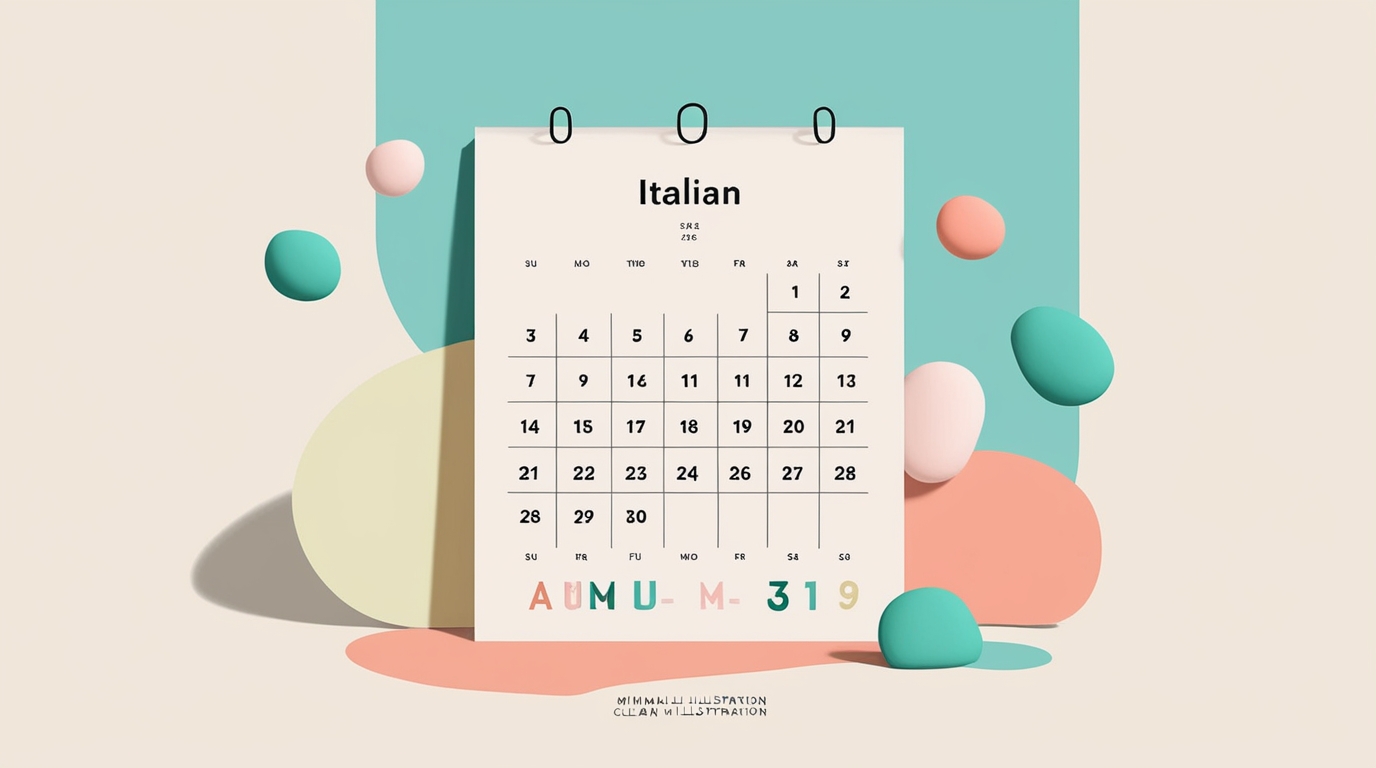
A month-by-month guide to the Italian calendar
The Italian year unfolds like a well-crafted opera, each month bringing its own cultural richness.
“Gennaio” (January) – The start of the new year

“Gennaio” kicks off the New Year with dazzling fireworks and inspiring resolutions. This month symbolizes new beginnings, marked by crisp winter air and the excitement of possibilities that lie ahead.
New Year’s Eve, or “Capodanno,” is a vibrant celebration in Italy, marked by dazzling fireworks and spirited festivities that last until dawn. Streets are filled with laughter and joy as families and friends come together for sumptuous meals. A staple of this celebration is “lenticchie e cotechino” (lentils with sausage), a traditional dish believed to bring prosperity and good fortune for the year ahead.
One delightful tradition involves wearing red underwear on New Year’s Eve, a practice thought to attract luck and happiness for the coming year. This quirky custom highlights the Italian fascination with superstitions, deeply rooted in ancient folklore.
January in Italy is vibrant with the celebration of “Epifania” on January 6th, which signals the conclusion of the holiday season. This enchanting day is steeped in folklore, featuring “la Befana,” a kind-hearted witch who visits children. Good kids find their stockings filled with delicious sweets, while those who misbehaved receive a lump of coal. The excitement surrounding Epifania rivals that of Christmas, especially for children, creating a memorable and festive finale to the celebrations.
“Febbraio” (February) – The month of the “Carnevale”

February, wrapped in winter’s embrace, heralds one of Italy’s most colorful and highly anticipated celebrations – Carnevale. Kicking off in early February and culminating just before Lent, this lively festival mirrors Mardi Gras, offering a last hurrah of indulgence before the solemnity of the Lenten period sets in.
In Italy, “Carnevale” is a vibrant celebration filled with stunning costumes, intricate masks, and lively parades, transforming the streets into a colorful spectacle. The most renowned festivities take place in Venice, where the “Carnevale di Venezia” turns the city into a magical stage steeped in history. Masked participants roam the enchanting canals, sharing echoes of the past, while beautifully decorated gondolas glide through the illuminated waters, creating a captivating atmosphere.
Across Italy, each region puts its unique twist on the festivities. In Viareggio, the Carnevale dazzles visitors with massive, satirical papier-mâché floats that capture the essence of contemporary issues. Meanwhile, Ivrea hosts the playful yet intense Battle of the Oranges, a lively reenactment of a medieval conflict that brings history to life in a colorful and spirited way.
“Marzo” (March) – Welcoming the spring

“Marzo,” the herald of spring in Italy, is a month of awakening and rejuvenation.
One of the most meaningful celebrations in March is International Women’s Day, observed on the 8th, which honors women around the globe, including in Italy. A cherished tradition involves gifting vibrant yellow mimosa flowers to women as a symbol of appreciation and solidarity. This heartfelt gesture is deeply rooted in the celebration. In recent years, however, the day has also seen significant demonstrations and strikes highlighting the ongoing disparities in women’s rights, as many women in Italy still face discrimination in various aspects of society.
March marks the onset of Easter preparations, as the celebration of Pasqua usually takes place in late March or early April. During this vibrant time, shops come alive with colorful Easter decorations, while families eagerly begin planning their festive feasts and gatherings. The excitement for this important holiday is palpable as the community embraces the spirit of the season.
“Aprile” (April) – Easter celebrations and spring festivals

In the vibrant celebration of “Aprile,” Easter, or “Pasqua,” shines brightly as a time for family, faith, and festive feasting. Tables are beautifully adorned with traditional treats like “colomba pasquale,” a delightful dove-shaped Easter bread. The saying “Natale con i tuoi, Pasqua con chi vuoi” captures the essence of this joyous occasion, meaning “Christmas with your family, Easter with whomever you wish,” reflecting Italy’s welcoming and inclusive spirit.
Easter in Italy beautifully merges solemn religious practices with vibrant celebrations. The Holy Week preceding Easter Sunday is filled with significant events, such as the evocative “Venerdì Santo” (Good Friday) processions, especially prominent in Rome and Sicily. When Easter Sunday arrives, Italy comes alive with festivities. Churches host special masses, and the air is filled with the joyful sounds of ringing bells and choirs, creating a truly festive atmosphere.
Easter Monday, or “Pasquetta,” holds its own special charm in Italy. This vibrant day is all about picnics and outdoor adventures, as families and friends flock to the countryside and coastal areas. It’s a time to celebrate the season’s beauty and cherish moments together amidst nature.
Amid the vibrant tapestry of religious celebrations, April 25th shines brightly as a day of national pride and reflection. Known as Italian Liberation Day, or “Festa della Liberazione,” this date commemorates the end of Nazi occupation during World War II and the collapse of the Fascist regime. Celebrated across the country, it features ceremonies, parades, and various commemorative events that underscore Italy’s remarkable journey toward freedom and democracy. This day serves as a poignant reminder of the sacrifices made for a brighter future.
“Maggio” (May) – Labor Day

“Maggio,” symbolizing the peak of spring, holds profound significance for Italian workers and their historical fight for rights and equality. May 1st, celebrated as “la Festa dei Lavoratori” (Labor Day), is an important occasion in Italy, dedicated to honoring the contributions of laborers and the working class.
Labor Day, celebrated on May 1st in Italy, holds significant national importance, honoring the country’s rich labor movement heritage. This day is marked by vibrant events throughout the nation, particularly in major cities like Rome, Milan, and Turin. Here, parades and demonstrations come alive as workers’ unions and political groups march side by side, celebrating solidarity and unity in the pursuit of workers’ rights.
In addition to vibrant demonstrations, “la Festa dei Lavoratori” comes alive with concerts, cultural festivities, and family reunions. A standout event is the “Concerto del Primo Maggio,” a free concert in Rome that ranks among Italy’s largest music festivals. Drawing thousands of attendees, it showcases performances from both celebrated Italian and international artists. This concert, which is broadcast live on national television, serves not only as a captivating entertainment experience but also as a powerful platform for social and political messages that echo the significance of the day.
“Giugno” (June) – The beginning of summer

As June rolls in, summer kicks off in full swing! The month begins with a significant celebration on June 2nd: Republic Day, known in Italy as “Festa della Repubblica.” This national holiday marks the birth of the Italian Republic and sets the tone for the sunny days ahead.
This national holiday marks a significant moment in history: on this day in 1946, Italians cast their votes in a referendum that led to the abolition of the monarchy and the establishment of a republic. This pivotal event symbolizes the resurgence of democracy following the turbulent era of World War II and Fascist rule, making it a day of great historical importance for Italy.
One of the standout events in June is “la festa di San Giovanni” (St. John’s Day) on June 24th, which is celebrated with great enthusiasm in Florence and Genoa. This day holds deep religious significance and features church services, lively processions, and in various towns, the enchanting sight of bonfires illuminating the night sky. In Florence, the festivities include the historic “Calcio Storico” (historical soccer) match—a thrilling blend of soccer, rugby, and wrestling—held in the picturesque Piazza Santa Croce, culminating in a breathtaking fireworks display over the Arno River.
June brings a vibrant array of music and art festivals throughout Italy. The renowned “Verona Opera Festival,” set against the backdrop of the historic Roman Arena, and the lively “Umbria Jazz Festival” in Perugia fill the air with captivating melodies and infectious rhythms. These events not only celebrate Italy’s rich cultural heritage but also draw performers and audiences from around the globe, infusing the Italian summer with an exciting international flair.
“Luglio” (July) – High summer and historical festivities

“Luglio” embodies the quintessential Italian summer – vibrant, colorful, and steeped in tradition.
As summer temperatures soar, Italy’s coastal regions transform into vibrant hubs of excitement. From the dramatic cliffs of the Amalfi Coast to the pristine beaches of Sardinia, sunbathers, swimmers, and families flock to enjoy the Mediterranean allure. The cities come alive as well, with bustling nights filled with al fresco dining, indulging in gelato beneath the stars, and lively piazzas hosting captivating performances.
A standout feature of “Luglio” is the historic “il Palio di Siena,” an iconic horse race that takes place twice each summer, on July 2nd and August 16th. This vibrant event, steeped in Sienese tradition, turns the bustling Piazza del Campo into a thrilling racetrack. However, the Palio is not just a race; it’s a spirited rivalry among the city’s districts, known as “contrade,” each vying for glory with their own horse and rider.
“Agosto” (August) – The holiday month

As you explore the names of the months in Italian, you’ll discover that “Agosto” stands out as the holiday month. This time of year brings a delightful slowdown in the pace of life, allowing Italians to fully indulge in leisure and relaxation.
The pinnacle of August, known as “Agosto,” is “Ferragosto,” celebrated on August 15th. This ancient festival traces its roots back to Roman times, originally marking the conclusion of the agricultural season. Today, it aligns with the Catholic feast of the Assumption of the Virgin Mary. Ferragosto has evolved into a beloved national holiday, where families and friends come together for joyous meals, beach trips, and mountain getaways. It’s a day that embodies the Italian philosophy of “dolce far niente,” celebrating the joy of relaxation and leisure.
In August, known as “Agosto,” many Italians embark on lengthy vacations, leading to the temporary closure of businesses and shops. This time is often spent in the serene countryside, the majestic mountains, or along the beautiful coastline, as families seek a refreshing escape from their daily routines.
In contrast, experiencing “Agosto” in cities like Rome, Florence, and Milan unveils a whole new charm. While these vibrant hubs are typically alive with energy, they transform into serene, tranquil spaces during this month. It’s the perfect opportunity to explore without the usual throngs of tourists, allowing you to stroll through cobblestone streets, visit museums, and appreciate the stunning architecture at your own leisurely pace.
“Settembre” (September) – The harvest season

September brings a refreshing change to Italy, characterized by its gentle days and cool evenings, marking the onset of the harvest season—an integral and cherished part of Italian culture.
The grape harvest, known as “vendemmia,” is a celebrated highlight of September, marking a bustling season in vineyards throughout Tuscany, Piedmont, and Veneto. This vibrant time is essential for wine production and varies by region, influenced by local climate conditions and the specific grape varieties cultivated.
September brings a vibrant array of food and wine festivals, or “sagre,” throughout Italy. These lively celebrations highlight the region’s seasonal bounty, featuring delights like truffles from Umbria and porcini mushrooms from Tuscany. Attendees can indulge in delicious local dishes while enjoying festive music and entertainment, making it a perfect time to experience Italy’s culinary heritage.
As September arrives, we welcome the return of daily routines following the summer break. Schools are back in session, cities buzz with their familiar rhythms, and a refreshing sense of renewal fills the air. The cooler temperatures create a perfect environment for tourists seeking to escape the summer heat, allowing them to explore Italy in a more relaxed and personal way.
“Ottobre” (October) – Autumn colors and flavors

“Ottobre” immerses you in the vibrant colors and rich flavors that characterize Italian autumn cuisine. The visual splendor of Italy during this season is breathtaking, with Tuscany’s rolling hills, the lush vineyards of Piedmont, and the enchanting forests of Umbria and Abruzzo showcasing a stunning tapestry of reds, oranges, and yellows.
The culinary landscape in October is bursting with flavor, particularly due to the arrival of truffle season. This month is especially renowned for the exquisite white truffles from Alba in Piedmont. Notably, events like the celebrated “Fiera del Tartufo” in Alba draw food enthusiasts and chefs from around the globe, making it a must-visit for anyone passionate about gourmet cuisine.
In October, the lively spirit of wine festivals carries on, highlighting the new vintages and the success of this year’s harvest. Both locals and tourists flock to wine-tasting tours, where they can savor Italy’s exquisite wines while gaining insights into the art of winemaking.
“Novembre” (November) – Remembering departed loved ones
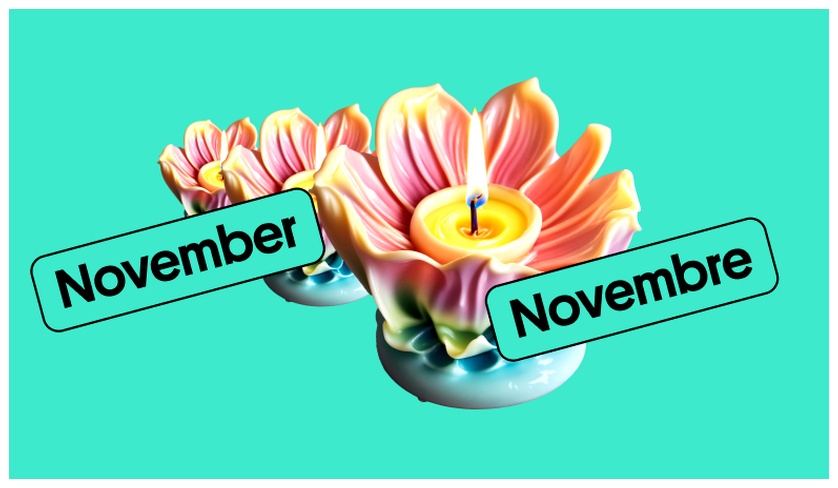
“Novembre” captures a contemplative spirit as Italy pays tribute to its dearly departed, celebrating traditions of remembrance and gratitude.
The key moments in “Novembre” revolve around two significant celebrations: All Saints Day, or “il giorno di tutti i Santi,” on November 1st, and the Day of the Dead, known as “il giorno dei Morti,” on November 2nd. These days hold deep cultural and spiritual significance, honoring both the saints and loved ones who have passed away.
Today, Italians pay heartfelt visits to cemeteries, where they honor their loved ones by decorating graves with vibrant flowers, flickering candles, and meaningful offerings. Among these tributes, chrysanthemums stand out, representing the delicate balance of life and death with their striking blooms.
Beyond paying respects at cemeteries, families come together to enjoy meals that feature the favorite dishes of their loved ones who have passed away. This tradition serves as a heartfelt way to honor their memory through the universal bond of food. In certain cultures, special treats like “ossa dei morti” (bones of the dead) are prepared—these almond cookies symbolize the enduring connection between life and death.
November marks a vibrant harvest season for late-autumn crops, particularly olives and grapes in warmer climates. The freshly pressed olive oil, referred to as “olio nuovo,” is renowned for its bold and invigorating taste. As the wine season kicks off, wineries welcome visitors to sample the new vintages. One highlight of this month is the “San Martino” festival on November 11th, where people come together to savor young wine, or “vino novello,” paired with roasted chestnuts and other seasonal treats.
“Dicembre” (December) – Christmas traditions

December in Italy is a enchanting month filled with festive cheer and the excitement of the upcoming new year. It beautifully combines cherished traditions, joyful family gatherings, and lively celebrations, making it one of the most beloved times of the year.
The Christmas season, known as “Natale,” is the highlight of “Dicembre” in Italy. Rich in family bonds and religious customs, this festive time kicks off on December 8th with the Feast of the Immaculate Conception. This national holiday is celebrated with solemn religious services, as well as the joyful initiation of Christmas decorations and festivities, setting the stage for the holiday spirit.
A beloved symbol of Italian Christmas is the “presepe,” or nativity scene, which varies from modest home displays to stunning, artistic creations found in churches and public squares. Naples, in particular, is famous for its intricately crafted “presepe” figures, a cherished tradition that has thrived for centuries.
Christmas Eve, known as “la Vigilia,” is a cherished occasion for families in Italy, who come together to enjoy the “Cenone,” a lavish meal featuring fish and seafood. This night culminates in the beautiful tradition of Midnight Mass, or “la messa di mezzanotte,” where families gather in churches to honor the birth of Jesus. Christmas Day follows, filled with relaxation, joy, and sumptuous feasting. The festive Italian Christmas lunch is a delightful multi-course affair, showcasing regional specialties and beloved treats like “panettone” and “pandoro,” traditional cakes that add sweetness to the celebration.
December brings the joyful celebration of “la festa di Santo Stefano” on the 26th, a cherished occasion for reconnecting with friends and extended family. This day is often filled with relaxed lunches and easygoing gatherings, fostering warmth and togetherness during the holiday season.

Wrapping up
Throughout our exploration of the months in Italian, we discovered much more than their names; we immersed ourselves in the rich tapestry of Italy’s culture.
In “Gennaio,” we embraced the joy and optimism that a new year brings. “Febbraio” captivated us with the vibrant celebrations of “Carnevale.” As spring arrived in “Marzo,” we welcomed blooming flowers and the celebration of women’s rights. “Aprile” invited us to reflect during the spiritually significant Easter season. The warmth of “Maggio” honored labor and contributions, while “Giugno” heralded the arrival of a joyful summer. “Luglio” signifies the peak of summer fun, followed by “Agosto,” which encourages relaxation and holiday enjoyment. “Settembre” brings the bounty of the harvest, and “Ottobre” transforms the scenery with stunning autumn hues. In “Novembre,” we take time to remember and honor the past, and “Dicembre” wraps us in the festive cheer of Christmas and year-end festivities.
Delving into the Italian months offers more than just a chance to learn the language; it’s a gateway to experiencing the vibrant Italian lifestyle. To fully appreciate the charm of these months, active practice is essential. Boost your Italian skills by connecting with tutors through LingualNeeds. Interacting with native speakers will deepen your grasp of the language and unveil the unique cultural highlights each month showcases in Italy.
Frequently Asked Questions
What is the significance of ‘Gennaio’ in Italy?
‘Gennaio’ marks the start of the new year with celebrations like New Year’s Eve and traditions such as wearing red underwear for good luck.
How is ‘Carnevale’ celebrated in February?
‘Carnevale’ is celebrated with vibrant costumes, parades, and festivities, particularly famous in Venice.
What important events occur in March?
March includes International Women’s Day and the preparations for Easter, or ‘Pasqua’.
What is ‘Ferragosto’ and when is it celebrated?
‘Ferragosto’ is celebrated on August 15th and marks the holiday month in Italy, originally tied to Roman agricultural traditions.
How does Italy honor its departed loved ones in November?
In November, Italians observe All Saints Day and the Day of the Dead, honoring their loved ones with visits to cemeteries and special meals.