

- What is a language exchange?
- How to find language exchange partners
- 10 steps to a highly successful language exchange
- 1. Decide what kind of exchange you want
- 2. Introduce yourself
- 3. Chat about expectations
- Ask for speaking practice, not texting practice
- Divide your time equally
- Set some ground rules
- 4. Plan topics to speak about during your practice time
- 5. Embrace the discomfort
- 6. Ask for feedback
- 7. Make notes
- 8. Be mindful of your partner’s language level
- 9. Come prepared to teach
- Give helpful corrections
- 10. Don’t be afraid to shop for a better match
- Like a language exchange, but significantly more efficient…
- Next steps
- Frequently Asked Questions
- What is a language exchange?
- How can I find language exchange partners?
- What should I prepare for a successful language exchange?
- How can I handle awkwardness during a language exchange?
- What are the benefits of online tutoring compared to language exchanges?
To truly master a new language, engaging in speaking practice is crucial. While there are fantastic apps, textbooks, and websites that lay the groundwork for understanding, it’s the act of conversing that transforms the learning process from a mere logic puzzle into real communication. Don’t hesitate—start talking to unlock your language skills!
There’s no substitute for practicing the language as it’s really used, with a real human.
Language exchanges are widely available, but transforming them into productive experiences requires skill. By navigating the initial awkwardness, you can unlock a wealth of speaking practice. This is an invaluable opportunity for language learners!
What is a language exchange?
A language exchange is a dynamic partnership where individuals share their language skills. You connect with a partner who is fluent in the language you want to learn and who is also interested in mastering your native tongue. Together, you take turns teaching and learning, creating a mutually beneficial environment that enhances your language abilities while fostering cultural exchange.
Language exchanges typically follow a two-part format. In the first half, you converse in your target language, allowing you to practice speaking while your partner shares insights and tips. The second half shifts to your native language, giving your partner the opportunity to enhance their skills and learn from you. This reciprocal approach fosters mutual growth and understanding in language learning.
Language exchanges are diverse and dynamic, taking several forms to help learners connect across cultures. For years, schools worldwide have facilitated exchange programs, enabling students to immerse themselves in different languages and cultures by studying abroad. In bustling cities, large language exchange events gather dozens or even hundreds of participants, providing a vibrant atmosphere for practicing with multiple partners in just one evening. Today, the landscape of language exchanges has evolved, with many now occurring online or through apps, utilizing video chats and messaging platforms to foster communication and learning.
In this post, we’ll explore the timeless approach to language exchange—where two individuals meet to practice speaking with one another. Continue reading to determine if this effective language-learning strategy suits your needs!
How to find language exchange partners
The internet has transformed our world into a more interconnected place, making it simpler than ever to connect with a language exchange partner. Here are your choices:
- Language exchange apps such as HelloTalk, Tandem, Bilingua, and Speaky enable users to chat with numerous language speakers, though they may not offer opportunities for verbal conversations.
- Join real-life language exchange groups by exploring platforms like Facebook, Meetup, or Couchsurfing.
- Communities within sites that you already use. You can try searching for relevant Facebook groups or Reddit threads.
- Language exchange websites, like MyLanguageExchange and The Mixer, connect you with partners for extended conversations and video chats to enhance your language skills.
- Universities and language schools in your area might run language exchange clubs.
Choosing the right platform for your language exchange largely depends on your specific goals and preferences. For an in-depth look at the top options available, be sure to read our article on the 10 best language exchange apps and websites.
10 steps to a highly successful language exchange

Now that you’re aware of where to find a language exchange, let’s dive into the “how.” Like many endeavors, a fruitful language exchange hinges on a bit of preparation, clarity about your goals, and a positive outlook. Embrace these elements for a rewarding experience!
1. Decide what kind of exchange you want
Explore a variety of exchange options available to you! Understanding your goals is essential for turning your aspirations into reality.
Ask yourself these questions to get started:
- Do I want speaking practice? Or would I feel more comfortable just texting someone?
- Do I live somewhere where there are speakers of my target language?
- Should I aim to befriend my language exchange partner, or do I simply need a tutor for 30 minutes?
- How strict do I want to be about the structure of the exchange?
Learn more about the available options with this article on the 10 Best language exchange apps & websites.
2. Introduce yourself
The beginning of a language exchange often feels a bit awkward, as small talk can be challenging. Many people engage in several light conversations before discovering a partner they truly connect with, particularly when looking for partners online.
Deciding whether to greet someone in your target language or English can be tricky. A helpful rule of thumb is that the language you choose for your initial conversation will likely become your default for future chats. By starting in your target language, you not only get valuable practice, but you also motivate your conversation partner, who is eager to improve their skills in your native tongue. Offering them opportunities to practice from the beginning fosters a more encouraging exchange for both of you.
Make sure to articulate your words clearly and start with simple questions to gauge their confidence level. In a large language exchange meeting, greet them with a friendly “Hello! How are you?” for a polite introduction. If you’re connecting online, you can both utilize Google Translate to aid communication. To truly make an impression, consider crafting a message that engages with details from their profile.
3. Chat about expectations

Once you’ve warmed up the conversation, it’s essential to dive into the main topic quickly. Delaying this might mean missing out on the valuable practice you both seek. Remember, this isn’t a date—jumping straight into the learning phase shows respect for each other’s time and goals!
Ask for speaking practice, not texting practice
When connecting with conversation partners online, it’s tempting to jump straight into messaging new acquaintances. If that’s your goal, feel free to proceed! However, if you’re aiming to enhance your speaking skills, engaging in meaningful conversation practice is much more beneficial. After a brief introduction, consider confidently suggesting:
- Looking to practice English with me via video chat? I’m available Tuesday or Thursday evenings after 6 PM CET. Let’s also exchange some Hindi!
- Would you like to send voice messages?
- Would you like to do a language exchange over WhatsApp? We can plan a good time.
Divide your time equally
To maximize the benefits of your language exchange, whether it’s online or in person, having a structured approach is key. Even if you’re just meeting at a bar or attending a large city event, consider using your smartphone to set a timer—spending half the time speaking in English and the other half in your target language. This may feel a bit unusual at first, but it can help ease any tension and ensure that neither of you feels like you’re monopolizing the conversation. For instance, you might say:
- I use a timer for language exchanges to ensure fairness: 10 minutes in Portuguese followed by 10 minutes in English. Interested in giving it a try?
- Let’s practice language exchange! We can converse in English for 30 minutes, followed by 30 minutes of Portuguese lessons. Interested?
Are you tired of searching for a partner who can help you structure your language sessions effectively? Say goodbye to the frustration and wasted time! Discover the convenience of online language tutors who can guide you through personalized lessons. With prices starting at just $5 per hour, you can maximize your learning without the extra hassle!
Set some ground rules
When embarking on an extended language exchange, establishing some ground rules can significantly enhance the experience. Consider the following questions:
- **Correction Preferences: Frequency and Method**
Determine how often you want corrections: every mistake, unclear phrasing, or only when your meaning is lost. Decide if you’d prefer corrections in English or your target language, and consider whether interruptions are helpful or disruptive to your learning process. - Do I want to discuss something in particular? Or let the conversation flow naturally?
- Do I want my partner to explain things thoroughly? Or focus on keeping the conversation moving?
It may require several conversations to uncover the answers to these questions. Yet, once you have clarity, you’ll be empowered to request exactly what you need, making your learning journey much more efficient!
4. Plan topics to speak about during your practice time

To maximize your experience, taking some time to prepare can be incredibly beneficial. Think about the topics you’d like to discuss; this won’t make the conversation feel forced or awkward. Remember, it’s a language exchange—embracing the unique and sometimes quirky nature of these conversations is part of the fun!
When embarking on your journey to learn a new language, take the time to prepare for your conversations. Research questions you’d be excited to answer and consider your responses beforehand. This thoughtful planning will boost your confidence and enhance your communication skills!
Whether you’re an upper beginner or at an intermediate level, bringing an article, exercise, or prompt to your language exchange partner can enhance your experience. Without this, you risk slipping into repetitive small talk—questions like “Where are you from?” or “Do you have any siblings?” that are typical at the A1 level. Instead, explore a broader range of vocabulary that challenges you and aligns with your learning goals. Think about topics that would be most beneficial for your growth!
Short on time for extensive planning? Consider outsourcing your language practice! One-on-one online tutoring could be a more effective option for improving your speaking skills compared to traditional language exchanges.
5. Embrace the discomfort
It’s no coincidence that many in-person language exchanges take place in bars or cafes that serve alcohol! A little liquid courage can help participants shed their embarrassment and feel more at ease. Approaching a stranger for help or pointing out their language errors can feel awkward, as it involves a delicate balance of power—one moment you’re the expert, and the next, a novice. While this dynamic may seem strange, embracing the discomfort is part of the learning experience!
While it may initially feel a bit intimidating, incorporating a timer into your practice can effectively eliminate that awkwardness. It frees you from the concern of monopolizing your partner’s time, allowing you to fully engage in your practice sessions. Plus, it helps you maintain focus and resist the temptation to slip into English at every chance!
Remember, making mistakes while speaking is a vital part of your growth in learning a new language. Those awkward moments are essential for your progress! Additionally, participating in language exchanges, while they may feel unusual, is an exciting opportunity. Not only are you enhancing your own skills, but you’re also generously assisting someone else on their language journey—how awesome is that?

6. Ask for feedback
When it’s your opportunity to practice speaking your target language, don’t hesitate to seek feedback on your conversation—either during the dialogue or after it concludes. Embrace corrections with a positive attitude, whether through a smile or a laugh. Remember, making mistakes is a natural part of language learning and can actually accelerate your progress! If you suspect you’ve slipped up, consider asking:
- Could you give me a more natural way to say that?
- How was my pronunciation just then?
- Was that slightly wrong?
Your partner might be worried about offending you at first, so demonstrate your ability to take corrections gracefully!
7. Make notes
Make sure to have a notebook ready for your language exchange, whether in person or during a video chat. Jotting down notes by hand is an effective strategy for enhancing your memory retention of new vocabulary and concepts—numerous studies back this up!
While it’s not necessary to jot down every detail, prioritizing your speaking and listening skills is key. However, taking a few notes can enhance your learning for future conversations. Aim to leave each language exchange with three valuable insights, such as new vocabulary, frequently used expressions, common grammar pitfalls, or pronunciation tips.
8. Be mindful of your partner’s language level
It’s important to remember that your partner is on a learning journey, regardless of the language you’re teaching. This is particularly crucial if English is your native language. As native speakers, we often take for granted the prevalence of English in popular culture and its widespread comprehension. This familiarity can lead us to unintentionally use expressions and colloquialisms that may confuse learners. Being mindful of this can greatly enhance the learning experience.
When meeting someone for a language exchange who wants to learn English, it’s important to adjust your speaking style. Resist the urge to speak as you normally would; instead, if they aren’t already advanced, make sure to talk slower, louder, and in simpler terms. This will help them grasp the language more effectively.
When native English speakers aim for politeness, they often use indirect phrasing, which can be challenging for beginner ESL learners. For example, saying, “Would you consider planning a more structured language exchange over video chat with me?” is a polite way to ask someone fluent in English. However, a more straightforward approach like, “Do you want to video chat?” is much more thoughtful when speaking to a friend who is still learning the language.
9. Come prepared to teach
Being a great teacher is an art form, but you don’t have to be a master to excel as a language exchange partner. Investing time in preparation can greatly enhance the experience; the more effectively you teach, the more motivated your partner will be to share their knowledge with you in return.
If you came prepared but your partner didn’t, here are some tips:
- Encourage dialogue by asking questions and follow-up questions to keep the conversation flowing. This technique helps your partner overcome shyness and practice their language skills, making for effective language exchange.
- Discover a prompt by browsing through recent photos on your smartphone and asking your partner to share their impressions.
- Prepare one or two focused teaching topics by researching common language challenges. For instance, if teaching English, clarify the distinct uses of the verbs “watch,” “look,” and “see.” Providing your partner with new insights will enhance their learning experience and encourage future sessions.
- If in doubt, teach slang or idioms! Everyone loves slang.
Give helpful corrections
Mastering the art of giving feedback is essential for becoming an excellent language exchange partner. When you grasp what your partner is trying to convey but notice some inaccuracies, offer your corrections in a gentle and supportive manner. This approach not only fosters a positive learning environment but also encourages growth and confidence in your partner’s language skills.
Here’s an effective approach: restate their sentence with the necessary corrections, presenting it as an affirmation of their message instead of highlighting a mistake. For example:
Your partner: “I went holiday to Italy last year.”
You: “Oh really? You went on holiday to Italy?”
This clever psychological technique is a favorite among skilled language tutors. It allows your conversation partner to recognize their errors without feeling embarrassed or ashamed. As a result, the dialogue flows smoothly, preserving their confidence and creating a more engaging learning experience.
10. Don’t be afraid to shop for a better match
If you’re implementing many of the tips on this list, you’re clearly committed to making the most of your language exchange experience. However, if some suggestions feel a bit too rigid for your style, that’s perfectly fine! Adapt them to suit your needs.
Regardless of your approach, seek a partner who shares your enthusiasm, readiness, and commitment. It may take a few attempts to discover someone with whom you can comfortably exchange knowledge and skills. Fortunately, there are plenty of resources available today to help you connect with potential partners.
Language exchanges offer a fantastic opportunity to forge new friendships, but keep in mind that your ideal exchange partner may not fit the mold of a typical friend! Building a successful teaching relationship requires a different dynamic altogether.
Like a language exchange, but significantly more efficient…
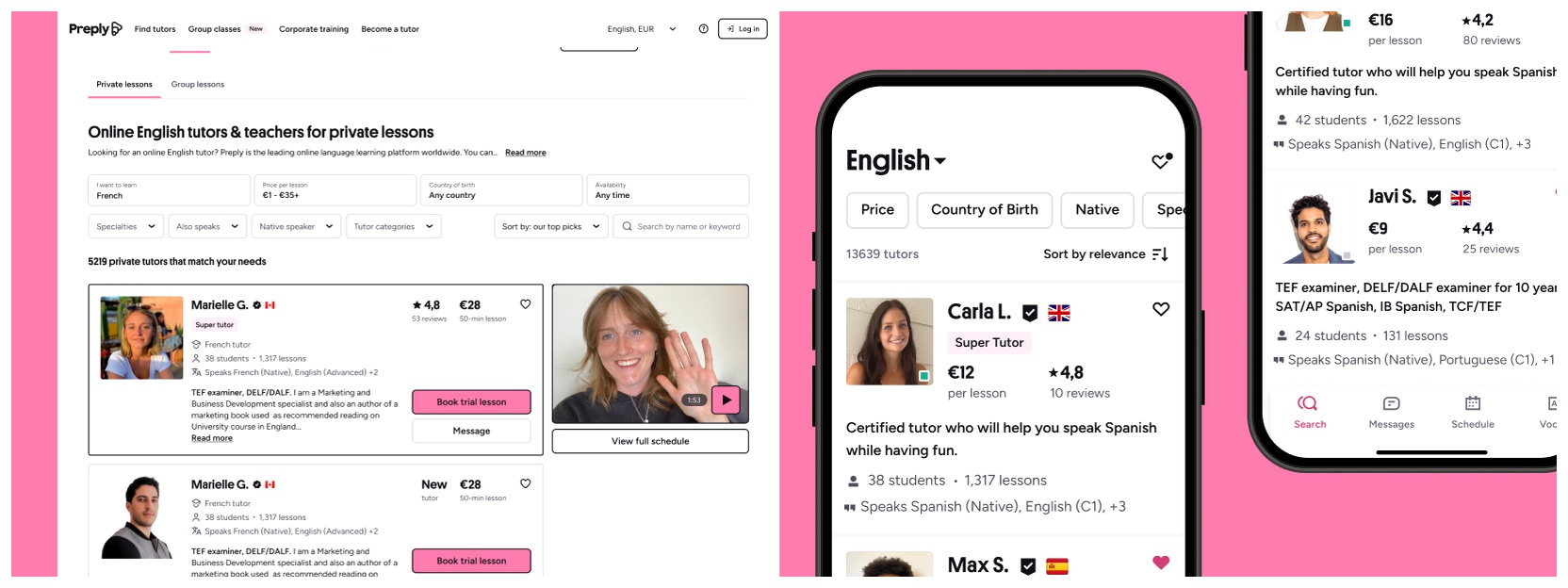
Looking for a way to practice speaking a new language without the hassle of coordinating a language exchange? Consider 1-on-1 online tutoring! It’s a more streamlined and effective solution. Here’s why it might be the perfect choice for you:
- Maximize your language learning with 100% focus on study time. In an ideal language exchange, 50% of the time is dedicated to skill development, but realistically, only about 35% is spent on actual language practice due to initial discussions and negotiations, especially with new partners. Streamline your learning by taking online lessons with LingualNeeds—simply select a tutor, book a session, and log in to get started.
- No preparation is required when taking lessons on LingualNeeds—unless you prefer to. You can request specific topics, or let your professional tutor handle the lesson planning, ensuring a tailored and effective learning experience.
- No Awkwardness: LingualNeeds offers a comfortable environment for practicing a new language without the pressure of time. You can take your time, make mistakes, and learn at your own pace with a supportive tutor who is passionate about teaching. Enjoy a stress-free experience as you build your language skills!
- Ensure quality learning by choosing the right language exchange partner. A poorly informed partner can lead to confusion and misconceptions, especially if they struggle to explain grammar rules in their native language. For instance, many native speakers can’t clearly define concepts like the past conditional tense. In contrast, LingualNeeds provides verified tutors with detailed profiles showcasing their teaching experience, ensuring effective language learning.
- Guaranteed Perfect Match: Finding your ideal tutor on LingualNeeds is straightforward and affordable. Easily filter our extensive database by subject, availability, price, and specialization. Each tutor profile includes reviews, detailed bios, and video introductions, allowing you to assess their fit before your first lesson. If you don’t connect with your tutor after the lesson, we offer a full refund or a complimentary lesson with a different tutor.
Next steps
Now that you’re familiar with the concept of a language exchange and how to maximize its benefits, it’s time to take action. Here are the essential steps to kickstart your language learning journey:
- Choose a platform: Select a language exchange app or website based on your preferences and needs.
- Initiate conversations: Reach out to potential language exchange partners or tutors, introducing yourself confidently.
- Experiment with exchange formats: Explore various language exchange methods, document your experiences, and analyze what enhances your language learning most effectively.
Language exchanges offer an excellent opportunity to gain essential speaking practice and forge genuine connections in a new language. However, if scheduling challenges make them impractical for you, consider 1-on-1 lessons on LingualNeeds. These tailored sessions provide the practice you seek without requiring you to take on the role of a teacher!
Frequently Asked Questions
What is a language exchange?
A language exchange is a partnership where individuals share their language skills, taking turns to teach and learn from each other.
How can I find language exchange partners?
You can find language exchange partners through apps like HelloTalk, Tandem, and Bilingua, as well as websites, social media groups, and local language clubs.
What should I prepare for a successful language exchange?
To have a successful language exchange, prepare by deciding on your goals, introducing yourself, discussing expectations, and planning topics to speak about.
How can I handle awkwardness during a language exchange?
Embrace the discomfort by using a timer to structure your conversation and remember that making mistakes is a natural part of learning.
What are the benefits of online tutoring compared to language exchanges?
Online tutoring offers focused study time, tailored lesson planning, and a comfortable environment for practice without the pressure of coordinating with a partner.


