

- What does it mean to achieve a conversational language level?
- How long does it take to become conversational in a language?
- The 90-day plan to reach a conversational level
- Focus on comprehensible input (0 – 30 days)
- Speak… a lot! (31 – 60 days)
- Turn up these methods to the max (61 – 90 days)
- Beyond 90 days: Repetition and habit building
- To wrap up
- Frequently Asked Questions
- Can I really learn a language well enough to hold a conversation in just three months?
- What is the difference between conversational proficiency and fluency?
- How long does it typically take to become conversational in a language?
- What are some effective strategies for achieving conversational proficiency?
- What should I do after the initial 90 days of language study?
Can you really learn a language well enough to hold a conversation in just three months? Experts say it’s possible! With effective fast-track methods, you can achieve conversational fluency without spending years on traditional study or getting lost in complex textbooks.
Before diving into how to reach a conversational level in a language, it’s essential to distinguish it from fluency. The Cambridge Dictionary defines fluency as the ability to speak a language smoothly and confidently. Many consider fluency to be equivalent to a B2 level or higher on the Common European Framework of Reference for Languages (CEFR). Achieving fluency is often necessary for those working or studying abroad, as it allows for more effective communication in diverse environments.
Fluency in a new language is a journey that requires time, dedication, and commitment. Along the way, you’ll likely achieve a conversational level where you can actively practice your language skills. In this article, we’ll share valuable insights from non-native speakers who successfully reached conversational proficiency in just 90 days. Plus, we’ll provide you with essential tips and tricks to help you achieve your own conversational goals!
Let’s get started!
What does it mean to achieve a conversational language level?
Conversational proficiency allows you to engage with others in a language, enabling you to participate actively in discussions. While you may not speak exactly like a native, you can comprehend what others are saying and effectively express your thoughts, ensuring clear communication.
A conversational-level speaker is able to:
- Follow social formalities, such as greetings and basic sentences.
- Inquire about others.
- Talk about work, hobbies, interests, and lifestyle.
- Navigate everyday conversation, such as when shopping or asking for directions.
Engaging in conversations with others allows you to explore topics that go beyond traditional classroom learning and textbooks. For instance, you may discover regional idioms or gain insights into industry-specific terminology relevant to the person you’re talking to. This not only enriches your vocabulary but also deepens your understanding of different perspectives and cultures.
Achieving fluency in a language involves mastering grammar, sentence structure, vocabulary, and spelling. While reaching a B2 proficiency level may take years of dedicated study, you can attain conversational skills much more quickly. This ability can enhance your travel experiences and facilitate communication with native speakers. Additionally, the international job board Indeed encourages you to include your conversational language skills on your resume, showcasing your versatility to potential employers.
Conversational proficiency differs significantly from fluency or bilingualism, as it is largely subjective and lacks formal assessment standards to indicate success. You’ll gain a clearer sense of your conversational skills once you start engaging in dialogue—it’s all about how well you understand others and how comfortably you can respond.
How long does it take to become conversational in a language?
The time it takes to attain conversational proficiency varies based on the daily commitment you can dedicate to learning. Remarkably, expert polyglots demonstrate that with focused effort, you can achieve a functional conversational level in as little as three months.
A perfect illustration of this is Benny Lewis, a renowned polyglot who created the “Fluent in 3 Months” challenge. This program caters specifically to beginners with minimal language experience, as well as those who may lack confidence or have struggled with language learning in the past.
This course emphasizes the power of repetition and hands-on speaking practice, while also providing strategies to boost motivation and incorporate new daily habits. By the end of the 90-day program, participants will confidently engage in a 15-minute conversation with a native speaker of the language.
If you’re looking to master a language in just three months, aiming for conversational fluency is an excellent target. As Benny puts it:
“Start speaking a new language in real conversations today—no need to wait until tomorrow, next year, or until you’ve memorized the entire dictionary and mastered perfect grammar. The time to begin is now!”
Benny’s Fluent in 3 Months challenge offers language learners a dynamic way to achieve their goals while becoming conversational in a surprisingly short period. Explore another effective strategy outlined below to further enhance your language journey.
The 90-day plan to reach a conversational level
Curious about how to learn a language quickly, we turned to renowned polyglot Olly Richards, who speaks eight languages. He shared his incredible journey of mastering Italian, progressing from a beginner to holding hour-long conversations in just 90 days. Based on his insights, we’ve crafted a learning plan that focuses on three essential components: comprehensible input, language output, and immersive experiences.
Focus on comprehensible input (0 – 30 days)
Comprehensible input refers to language materials, such as books, podcasts, and other resources, that are slightly more advanced than your current proficiency level. While you may encounter unfamiliar words or sentence structures, the overall meaning remains accessible. This exposure helps learners naturally and subconsciously acquire new vocabulary and grammar, enhancing their language skills over time.
During the webinar, Olly mentioned:
Many people overlook the fact that the simple dialogues you encounter at the start of language learning include the 100 to 200 most frequently used words. These words make up about 50% of everyday communication, making them essential for effective conversation.
For lists of the most useful phrases in a wide variety of languages, you can visit omniglot.com.
To enhance your learning experience, align your input resources with your favorite content types. Embrace what you enjoy most—be it reading books, listening to podcasts, watching movies, or utilizing flashcards—and incorporate these into your study routine. This personalized approach can make learning more enjoyable and effective!
In his captivating TEDx Talk, renowned polyglot and author Gabriel Wyner shares his fascinating journey of mastering multiple languages. He emphasizes that the most effective memories are those intertwined with our senses. By engaging with the sound of words, their visual representation, and the emotions they evoke—whether excitement or frustration—he illustrates that language learning must resonate with our personal experiences and life stories.
Gabriel suggests enhancing your flashcard study by swapping out translated words for engaging images that evoke a sense, interaction, or memory. This method, when practiced repeatedly without relying on direct translations, can significantly boost your ability to remember words and phrases.
To attain conversational proficiency in a new language, it’s essential to build a strong foundation for your memory. Engaging in real-life conversations and immersing yourself in authentic dialogues will elevate your language learning experience, making it more meaningful and memorable.
Speak… a lot! (31 – 60 days)
Initially, you may feel a bit uneasy and awkward, but that’s a positive sign! When Olly Richards embarked on learning a new language, he embraced mistakes in his conversations as valuable learning opportunities. His approach focused on prioritizing speaking, emphasizing the importance of “getting the language out of his mouth” to enhance his skills.
Venturing beyond your comfort zone can invigorate your senses and create what’s known as “optimum arousal.” This heightened state not only stimulates your mind but also enhances your capacity to learn effectively.
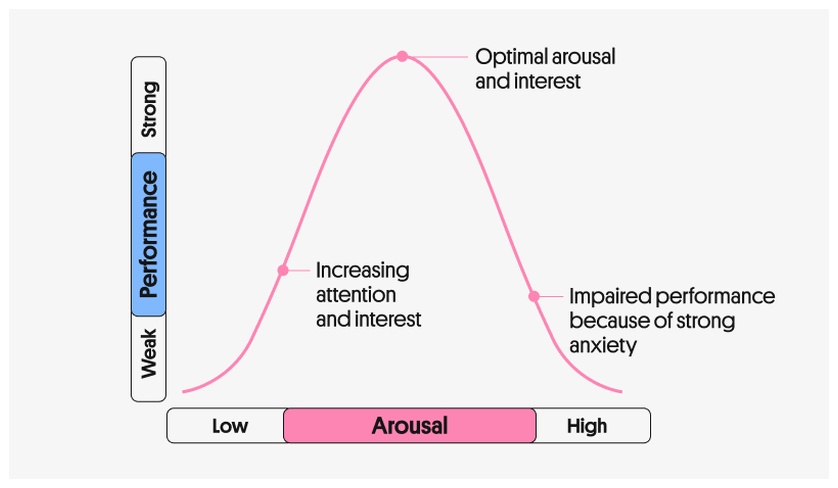
It’s essential to acknowledge that you may never feel completely ready to enter this new phase. Remember, everyone learning a language makes mistakes, and that’s perfectly normal—there’s no reason to feel embarrassed. Embrace the experience, shed your shyness, and confidently incorporate speaking your new language into your daily routine.
Some great ways to start speaking include:
- **Personalized Online Language Tutoring:** Discover expert tutors for any language on LingualNeeds. Benefit from customized learning plans designed to target your specific improvement areas, helping you achieve your language goals efficiently.
- **Language Exchange:** Engage in a dynamic language exchange to practice speaking a foreign language with a partner eager to learn your language. For detailed instructions, explore our comprehensive guide to language exchanges.
- Language Exchange Apps: In addition to LingualNeeds, various language exchange apps allow you to practice your target language through 1-on-1 conversations anytime, anywhere.
- **Travel**: Immersing yourself in a country where your target language is spoken is one of the most effective ways to enhance your conversational skills. Engaging with locals will compel you to use the language in real-life situations. If travel isn’t feasible at the moment, consider alternative immersion methods mentioned earlier.
Turn up these methods to the max (61 – 90 days)
As you enter the final month of your language-learning journey, it’s time to dive deep and fully immerse yourself in the language like never before! Embrace every opportunity to engage with it in exciting and intense ways!
To truly immerse yourself in your new language, it’s time to supercharge your efforts! Connect with as many people as you can and explore various media formats—yes, even use your phone! Dive into your hobbies using the language, whether that’s binge-watching Netflix or keeping a journal. Strive to integrate the language into every aspect of your daily life.
We never claimed this journey would be simple! Expect a challenging month ahead, but by immersing yourself in your new language as much as possible, you’ll significantly enhance your conversational skills. Embrace the challenge and watch your proficiency grow!
By immersing yourself in your target language through reading, speaking, writing, and listening, you can achieve remarkable progress. While these activities are beneficial, the key lies in your ability to focus your attention effectively.
If you want to dive deeper into language immersion and discover effective ways to learn from home, don’t miss our insightful interview with language expert John Fotheringham.
Beyond 90 days: Repetition and habit building
This is where the real transformation occurs! After the initial 90 days, the focus shifts to repetition and cultivating habits. If you’ve diligently followed the steps outlined in this article, you should now have a solid foundation in the language.
Your chances of succeeding in the 90-day challenge or mastering a new language hinge on your dedication and strategy. Before you dive in, take a moment to establish clear goals and design a language study planner. This will keep you focused and on track throughout your journey.
What comes after 90 days of study? Consider incorporating spaced repetition learning into your routine. This effective method takes advantage of the psychological spacing effect, which shows that spreading out your study sessions enhances learning. By focusing on long-term memory, you can transform your habits into lasting routines. To deepen your understanding beyond casual conversation, take breaks between your study sessions. This intentional pause allows your brain to “forget” the material, prompting you to actively recall it later. The more you practice this recall, the stronger your long-term memory becomes!
Learning a language is a journey, not a race, and it’s unrealistic to expect complete mastery in just 90 days. However, the real enchantment begins when you continue to delve deeper into the language beyond this initial period. You’ll uncover new opportunities, forge connections, and gain fresh perspectives on the world. By committing 90 days to your language growth, you unlock the door to this captivating realm.
Step in and enjoy it!
To wrap up
Reaching a conversational level in any language within just 90 days is an impressive milestone. No matter which language you choose to study, this accomplishment showcases your dedication and ability to grasp new skills quickly.
Here are our final top tips for getting to a conversational level:
- Try to have real conversations in daily life and make it a daily habit.
- Remember your language-learning goals and use them to keep motivated even on the days you want to give up.
- Speak. A lot! Get talking as much as you can, and leave the anxiety about making mistakes behind.
- At the 90-day mark, leverage spaced repetition to enhance long-term memory retention.
- Find yourself a language tutor to have basic conversations, learn expressions, and practice new words and phrases.
Frequently Asked Questions
Can I really learn a language well enough to hold a conversation in just three months?
Yes, experts say it’s possible to achieve conversational fluency in as little as three months with effective fast-track methods.
What is the difference between conversational proficiency and fluency?
Conversational proficiency allows you to engage in basic discussions, while fluency generally refers to a smoother and more confident ability to speak, often equating to a B2 level or higher.
How long does it typically take to become conversational in a language?
With focused effort, you can achieve conversational proficiency in as little as three months, depending on your daily commitment.
What are some effective strategies for achieving conversational proficiency?
Effective strategies include focusing on comprehensible input, speaking frequently, and immersing yourself in the language through various media and real-life interactions.
What should I do after the initial 90 days of language study?
After 90 days, focus on repetition, habit building, and incorporating spaced repetition learning to enhance long-term memory retention.


