
- Hyflex: Hybrid, flexible working
- Growth in online learning
- Growth in EdTech
- Education and politics
- Edutainment: Bite-sized learning
- The Paradox of Choice: Flocking to celebrities
- Adult education and career switching
- The metaverse
- Frequently Asked Questions
- What is the main impact of online technologies on education?
- What does ‘Hyflex’ work arrangement mean?
- How has the pandemic affected the growth of online learning?
- What strategies can help combat ‘Zoom fatigue’?
- What role does the metaverse play in the future of education?
The rise of online technologies has revolutionized the education sector, opening doors for learners beyond the confines of traditional classrooms. As we step into a new year of learning, let’s explore the tech trends from 2022 that will keep shaping the future of education globally. These innovations include flexible classroom setups, adaptable workplaces, engaging bite-sized lessons, and even masterclasses led by celebrities.
We’ll also take note of the impact of EdTech on the business world, career choices, politics, and socioeconomics.
Hyflex: Hybrid, flexible working
The recent pandemic significantly transformed the workplace landscape. By March 2020, nearly 50% of office-based businesses in the United States transitioned their employees to remote work. While the virtual work technologies facilitating this shift had been around for decades, they gained prominence during this time, leading to the rise of hybrid or “hyflex” work arrangements. Hyflex allows employees to alternate between working from home and collaborating in shared office spaces, offering greater flexibility and adaptability in their work routines.
Before the pandemic reshaped work environments, flexible arrangements like Hyflex were relatively uncommon. Prior to 2020, many companies hesitated to allow remote work, fearing it would hinder productivity and complicate employee supervision. As a result, most office workers were required to commute daily to a central workplace.
Nonetheless, these technologies have empowered businesses to thrive even during lockdowns and periods of social isolation. The pandemic served as a crucial test, demonstrating to many companies the practicality and effectiveness of adopting a virtual workplace, which they had previously overlooked.
In August 2020, McKinsey & Company conducted a survey with 278 executives, revealing that many plan to reduce their office space by an average of 30 percent. As a result, we can expect that more employees will have the opportunity to embrace hybrid-flexible work arrangements moving forward, even beyond the pandemic.
While the shift to virtual work environments has brought numerous advantages, it has also led to some significant challenges. A growing number of employees are experiencing “Zoom fatigue,” a psychological condition stemming from the demanding nature of frequent video conferences. Jeremy Bailenson, director of the Stanford Virtual Human Interaction Lab, explains that these video meetings involve an overload of eye contact and the exhausting pressure of constantly viewing one’s own image, contributing to this widespread fatigue.

To combat Zoom fatigue effectively, the Harvard Business Review suggests several strategies. Consider scheduling brief breaks between video meetings to refresh your mind, using simple backgrounds to reduce on-screen distractions, and choosing emails or phone calls over video chats whenever possible.
Looking ahead, the industry has the opportunity to enhance video conferencing technologies to boost user comfort and minimize fatigue. Platforms like Microsoft Mesh are already leading the way by allowing users to engage through interactive avatars instead of traditional live video. This innovative approach enables participants to express their individuality in virtual meetings while alleviating the discomfort that often arises from constantly viewing their own image.
Modern technologies like video conferencing and screen sharing have not only revolutionized office work by enhancing flexibility but have also transformed the landscape of education. Online learning now encompasses everything from large classes to personalized one-on-one tutoring sessions. Platforms like the LingualNeeds classroom are specifically designed to support both individual and group learning experiences. They equip students and instructors with the essential tools for a smooth and effective online education journey.
The traditional classroom will remain vital in education, particularly in fields that require hands-on experience. EdTech is enhancing professional training and formal education, even for those working full-time. Instead of commuting to a scheduled class, today’s learners can often choose online courses that fit their busy lives. Additionally, asynchronous classes allow students to learn at their own pace, while still meeting assignment deadlines.

Learn a language with personalised 1-on-1 classes with our expert tutors from all over the world
French lessons online
Spanish lessons online
Growth in online learning
The landscape of online learning has dramatically shifted in recent years. Before the Covid-19 pandemic, only around 5% of school-aged children in the United States were homeschooled, often incorporating online lessons into their studies. In-person attendance remained the norm for most students.
The widespread social distancing and lockdown measures during the pandemic forced a shift from traditional classroom learning to online education. The U.S. Census Bureau reports that nearly 93% of American school-aged children transitioned to distance learning. However, disparities emerged among different income levels: children from lower-income households relied more on paper materials than digital resources. In fact, while 85.8% of families earning six figures utilized online tools for home learning, only 65.8% of those with annual incomes under $50,000 did the same.
During lockdowns, traditional schools shifted primarily to online learning, coinciding with a significant number of parents starting to work from home. According to the Organisation for Economic Co-operation and Development, the decision to telecommute was driven more by practicality than by income levels. For instance, individuals in sectors like health care, food service, transportation, and manufacturing were far less likely to work remotely compared to those in fields such as information technology, education, communications, and finance.
The transition to virtual offices and classrooms has inspired many to reassess their living situations. With the flexibility to work and learn from virtually anywhere, why not take advantage of the opportunity to spend more time outdoors or by the water?
In response to the stress and uncertainty brought on by lockdowns, the demand for yachts and other recreational boats surged during the pandemic. These vessels offered a private escape for families, combining the joys of relaxation with the thrill of adventure. As a result, the boating market expanded to attract middle-income buyers. This new wave of boat owners also sought out homeschooling and tutoring options, enriching their own education and that of their children while enjoying life on the water.
The pandemic sparked a significant shift towards online learning, even for families who remained at home. With social interactions limited, parents—many of whom were working remotely—sought new ways to engage their children. As a result, extracurricular learning opportunities flourished, leading to an increased demand for tutoring in various skills, including foreign languages. This trend continues to thrive as families adapt to a new educational landscape.
Virtual environments have opened up exciting avenues for language learning, allowing individuals to connect directly with native speakers. During lockdowns, many people found themselves with extra free time and a heightened longing for social interaction. This unique blend of circumstances sparked a significant surge in online language courses, along with a rising interest in acquiring other skills such as photography, baking, coding, and calligraphy.
As pandemic restrictions ease and in-person gatherings become more common, many individuals will continue to embrace the advantages of hybrid flexible (hyflex) working and learning. This approach allows for a seamless blend of remote and on-site experiences, enhancing productivity and accessibility in both professional and educational settings.
Growth in EdTech
Prior to the pandemic, online learning already held a significant role in education. However, with the onset of lockdowns and social restrictions, its popularity skyrocketed like never before, leading to a rapid expansion that now surpasses traditional offline education.
The online education sector has become a vital part of contemporary life, earning the trust of financial investors in EdTech companies. This confidence has fueled significant growth within the industry. At the same time, we are witnessing signs of stability and consolidation, as many EdTech firms are now taking the step to launch their initial public offerings.
Furthermore, major tech giants like Google and Microsoft are making significant strides in the EdTech sector. In 2014, Google launched Google Classroom, a blended learning platform that has since attracted over 150 million users by 2021. Meanwhile, in 2018, Microsoft expanded its educational offerings by acquiring Flipgrid, a platform for video discussions in classrooms. That same year, Microsoft also purchased TakeLessons, a learning startup, further solidifying its presence in the education technology landscape.
The EdTech market is poised for significant growth in 2022 and beyond. The pandemic led millions of workers to reassess their careers, with many choosing to leave their jobs in search of new opportunities. Factors such as the desire for remote work options and the reluctance to abandon the flexibility of virtual roles drove this shift. In this context, online education became a vital resource, equipping individuals with the skills they needed to navigate career changes successfully.
Learn a language online with our free learning materials.
Learn English online
Learn French online
Education and politics
Online education is not just a luxury for the privileged; it has the potential to transform lives for people from all walks of life. By breaking down barriers, virtual learning creates opportunities that enhance social connections and boost economic prospects for everyone.
With the power of smartphones and internet connectivity at their fingertips, individuals have the incredible opportunity to learn new languages and acquire essential job skills, empowering them to better support their families.
Furthermore, education serves as a bridge that unites people around the world. Through online learning, ideas and knowledge flow seamlessly between cultures, often facilitated by personal interactions with tutors or classmates.
Education holds the remarkable ability to influence perceptions and shape beliefs, giving it a significant political role. This potential is why nations like the People’s Republic of China are tightening regulations on private online education platforms.
Chinese culture has long valued education as a vital means for personal growth and professional advancement. However, in mid-2021, the Chinese government imposed stringent regulations on EdTech companies, significantly limiting their potential and pushing many to the brink of bankruptcy.
These adjustments were reportedly implemented to alleviate financial burdens on families and to ease the overwhelming demands placed on students. Additionally, there were growing worries about the increasing influence of private EdTech companies in China.
Alongside its stringent measures against EdTech companies, China has implemented significant restrictions on online gaming. Similar to virtual education, online gaming fosters social interactions, providing citizens with platforms to engage in discussions that could challenge the country’s political narrative. By limiting these digital spaces, China appears to be seeking to isolate its citizens from the broader global community.
Edutainment: Bite-sized learning
In an intriguing twist, China, known for its strict control over EdTech companies and online learning, has also gifted the world TikTok—a dynamic video platform that holds remarkable potential for virtual education.
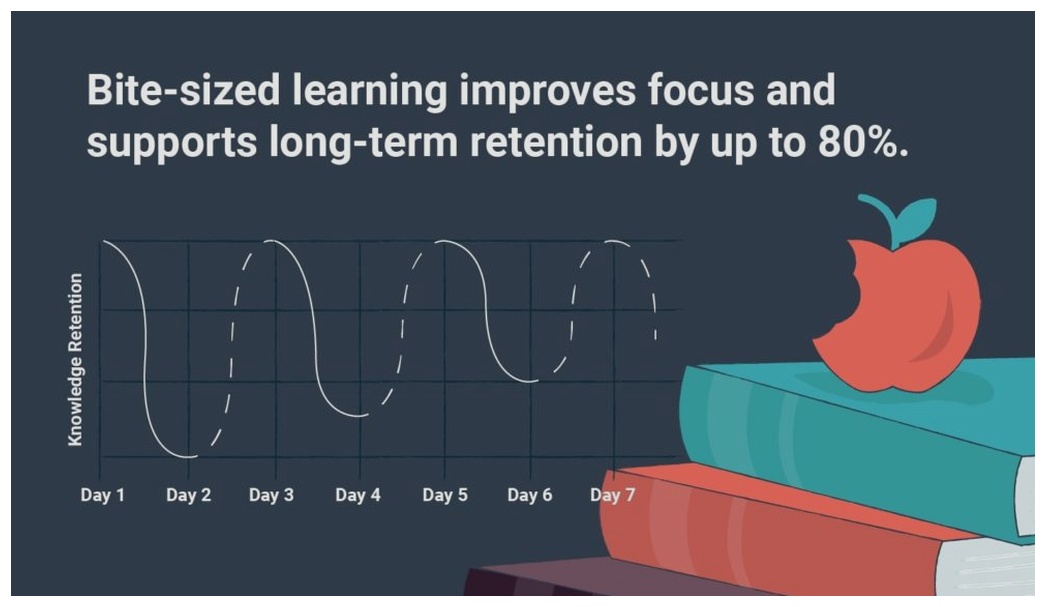
In today’s fast-paced digital world, our constant access to entertainment—like videos and games on mobile devices—has led to significantly shorter attention spans. A peer-reviewed study published in Nature Communications in April 2019 found that our collective focus on trending topics is diminishing rapidly, largely due to the overwhelming frequency of new content being released.
In today’s fast-paced world, the overwhelming sensory and mental stimulation has led many individuals to turn away from conventional learning methods like textbooks. Instead, there’s a growing demand for educational content that is engaging, concise, and easily accessible. Platforms like TikTok have emerged as powerful tools for delivering quick and dynamic video lessons that cater to this desire for entertaining and portable learning experiences.
By June 2020, the hashtag #LearnOnTikTok had amassed an impressive seven billion views, highlighting a surge in interest for educational content on the platform. Recognizing this trend, TikTok began to invest in the professional production of learning materials. By February 2022, the hashtag had skyrocketed to over 250 billion views, showcasing its immense popularity and the platform’s commitment to education.
The Paradox of Choice: Flocking to celebrities
Today’s learners have access to an incredible array of educational resources. From engaging videos and virtual tutoring to gamified apps and online textbooks, a wealth of information is just a click away across numerous subjects. Whether you’re diving into a foreign language, exploring philosophy, tackling physics, or mastering mathematics, you’ll likely discover a multitude of websites and YouTube channels dedicated to your chosen topic.
In his insightful book, *The Paradox of Choice: Why More is Less*, psychologist Barry Schwartz highlights a surprising truth: having too many choices can lead to increased stress and dissatisfaction. When selecting a learning experience, both time and money are at stake, especially since many appealing options come with a hefty price. With such a vast array of possibilities, you might find yourself constantly questioning whether you’ve made the right choice for your educational journey.
Much like a luxury car stands out against an economy model, premium courses are viewed as more valuable than their free or discounted counterparts. To enhance this perception of quality and assure learners that their investment is justified, EdTech companies are increasingly collaborating with celebrities and social media influencers.
This partnership goes beyond mere name recognition. In the EdTech industry, celebrities and influencers actively collaborate with course creators, bringing their unique expertise to the table by taking on roles as instructors.
Social media has transformed how people connect with celebrities and influencers, fostering a sense of closeness that inspires and guides many. EdTech companies can harness this trust by collaborating with these renowned figures to create engaging masterclasses. Imagine learning culinary skills from world-class chefs like Gordon Ramsay, gaining insights from Nobel Prize winners like Malala Yousafzai, or honing musical talent with virtuosos like Yo-Yo Ma.
Adult education and career switching
A significant trend in the tech industry is the growing acceptance of targeted certifications over traditional university degrees by employers. In an effort to provide more efficient education and training, EdTech companies are shifting learners’ attention from conventional degree programs to practical, affordable alternatives that better meet the demands of today’s job market.
Udacity offers “nanodegrees” designed for adults looking to shift into IT or business careers, providing a flexible and practical learning path. In a similar vein, EdX collaborates with esteemed universities to offer “MicroMasters” programs. These programs deliver graduate-level certifications at a fraction of the cost and time investment, making them a valuable credential recognized by leading corporations.
Professional education programs provide a vital pathway for adult learners looking to switch careers, acting as a launchpad for success in new fields. Increasingly popular, mini-degree programs are emerging across a variety of disciplines, from psychology and law to supply chain management, offering flexible options for those seeking to expand their skill sets and enhance their career prospects.
LinkedIn, the leading social media platform for professionals, has embraced the EdTech movement through LinkedIn Learning, which was formerly known as lynda.com. This platform offers engaging, video-based courses that provide interactive learning experiences. Upon completing these courses, users receive certificates that can be showcased on their LinkedIn profiles, potentially enhancing their career opportunities and professional visibility.
EdTech companies cater to both career changers and corporations, providing effective training solutions designed to enhance employee performance. For example, LingualNeeds offers corporate language training programs in English, German, and Spanish, empowering staff to communicate effectively with clients and partners. These online courses allow employees to conveniently complete their training from the office or the comfort of their own homes, helping them maintain productivity while developing essential skills.
The metaverse
Neal Stephenson, a visionary speculative fiction author, coined the term “metaverse” in his 1992 cyberpunk novel, *Snow Crash*. Since then, this concept of a “beyond-the-universe” realm has evolved and taken shape in the digital landscape of our online world.
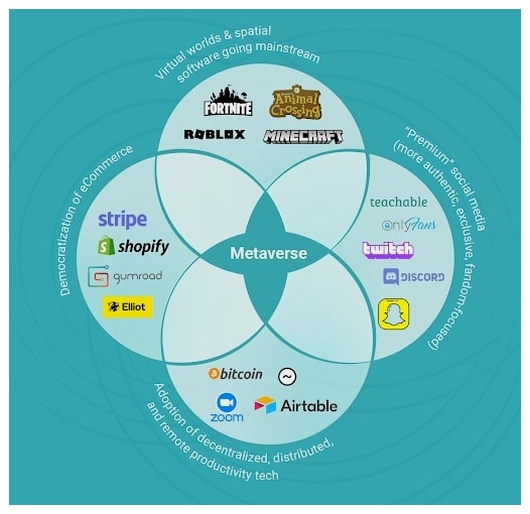
The metaverse transforms the traditional two-dimensional internet into an immersive three-dimensional virtual world. It’s not just a hub for gamers like Fortnite and Roblox fans; the metaverse encompasses a wide range of experiences. It blends workplace collaboration tools, eCommerce, cloud-based gaming, and social platforms such as Twitch, Teachable, and Snapchat, creating a dynamic space for interaction and innovation.
Cryptocurrencies like Bitcoin and Ethereum are set to become key players in the evolving economy of the metaverse, a virtual universe where digital interactions thrive. Within this dynamic landscape, a rapidly growing investment market is emerging, centered around non-fungible tokens (NFTs). These NFTs represent unique digital assets, ranging from stunning computer-generated artworks to virtual properties, offering exciting opportunities for creators and investors alike.
Virtual concerts, online holiday celebrations, and various social experiences play a crucial role in fostering community within the metaverse. These events often align with popular real-world happenings, such as the Super Bowl, creating a vibrant space for connection and engagement.
Eager to lead the charge in the emerging metaverse landscape, social media powerhouse Facebook rebranded itself as Meta Platforms, Inc. in late 2021. Meanwhile, other companies are crafting unique entertainment experiences, like the Vans World Skatepark Experience. By incorporating augmented and virtual reality technologies, these ventures enable users to immerse themselves in a multi-sensory environment that enhances the realism of the metaverse.
The landscape of EdTech is evolving to incorporate cutting-edge technology trends, enhancing both virtual and in-person learning experiences through the metaverse. Students no longer have to rely solely on textbooks or videos; they can don VR headsets to explore immersive, three-dimensional recreations of Ancient Rome. Online classrooms can be transformed into realistic lecture halls, featuring avatars that represent both students and instructors, creating a more interactive and engaging learning environment.
The metaverse offers exciting possibilities for training in practical professions and skilled trades. Picture a medical school set in this virtual realm, where interns can hone their skills by conducting exams or performing surgeries on lifelike patient models. Similarly, aspiring engineers could grasp foundational concepts by designing and testing virtual circuits or navigating intricate wiring diagrams in an immersive environment.
In less than forty years, the internet has evolved from a simple text-based platform into a vibrant, media-rich environment. Today, this digital landscape is shifting into a metaverse, brimming with exciting opportunities for eCommerce, entertainment, social interaction, and education, fundamentally changing everyday life for nearly everyone.
Frequently Asked Questions
What is the main impact of online technologies on education?
Online technologies have revolutionized the education sector by providing flexible learning opportunities beyond traditional classrooms.
What does ‘Hyflex’ work arrangement mean?
Hyflex refers to hybrid, flexible working where employees alternate between working from home and collaborating in shared office spaces.
How has the pandemic affected the growth of online learning?
The pandemic forced a significant shift to online education, with nearly 93% of American school-aged children transitioning to distance learning.
What strategies can help combat ‘Zoom fatigue’?
To combat Zoom fatigue, consider scheduling breaks between meetings, using simple backgrounds, and opting for emails or phone calls instead of video chats.
What role does the metaverse play in the future of education?
The metaverse transforms education by creating immersive, interactive learning experiences, enabling students to engage in virtual environments for training and skill development.