- What is the employee life cycle?
- What are the stages of the employee life cycle?
- Variations of the employee life cycle
- How to adapt the employee life cycle for remote work
- Attraction
- Recruitment
- Onboarding
- Retention
- Development
- Separation (Offboarding of happy employees)
- How does online learning support the employee life cycle?
- Make your employee life cycle fit the “new normal”
- Frequently Asked Questions
- What is the employee life cycle?
- What are the key stages of the employee life cycle?
- How has the Covid-19 pandemic influenced work arrangements?
- Why is employee development important?
- What role does online learning play in the employee life cycle?
Pause for a moment and reflect on your employees’ current workday. How has it evolved over the past few years? Understanding these changes can provide valuable insights into their experiences and productivity.
And what do these changes mean for their employee experience and employee life cycle?
In every industry, the need for flexible work arrangements has become paramount. The Covid-19 pandemic has significantly accelerated the transition to remote and hybrid work models. Concurrently, we are witnessing a historic wave of employees resigning and pursuing new career paths.
One of the primary drivers of the Great Resignation is the lack of clear career advancement opportunities for employees. In fact, a striking 63% of U.S. workers who left their jobs in 2021 cited limited progression options as a key reason for their departure.
This highlights that employees are looking beyond their current roles; they seek a meaningful future in their work. To attract and retain top talent, companies must consider the entire employee journey, especially within the evolving landscape of flexible, hybrid work environments.
In this article, we’ll explore the essential components of the employee life cycle and how to enhance it for a remote and distributed workforce. We’ll also examine the vital role online learning plays in supporting employees at every stage of their career journey.
What is the employee life cycle?
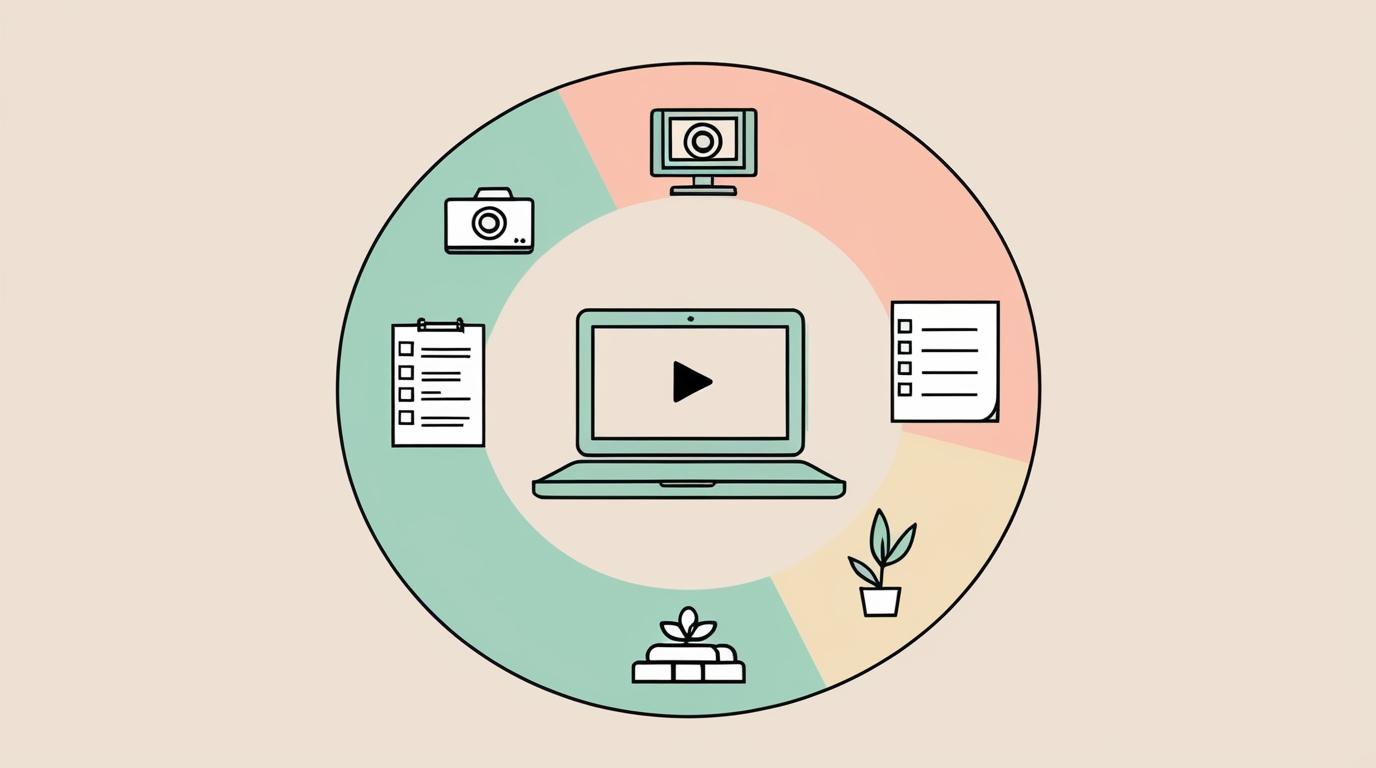
The employee life cycle serves as a visual guide to the entire journey of an employee within an organization. It outlines key stages, starting from their initial interaction with the company, continuing through their development and contributions, and extending to their departure and beyond.
What are the stages of the employee life cycle?
Organizations often categorize the employee life cycle into various stages, but the most widely accepted model identifies six key phases.
- Attraction: Capturing the attention of potential employees is crucial for both established multinationals and emerging startups. Your first impression matters not only for customer perception but also for showcasing your company as an appealing workplace.
- **Recruitment Process: How do candidates apply and transition to employees? Does your hiring process engage applicants and keep them motivated to join your team?**
- Onboarding: Effectively manage contract signing and the first day for new hires by providing support for settling in, learning essential skills, and integrating into the team. A strong onboarding process establishes a solid foundation for the employee-company relationship.
- **Employee Retention: Enhance Your Workplace Experience**
Are you providing an employee experience that meets your team’s expectations? If not, you risk losing talent. To retain employees, foster a positive and rewarding work environment by ensuring they have the necessary tools and technology, an appealing workspace, and a company culture along with competitive compensation and benefits that align with their desires for a great workplace.
- **Employee Development:** Job seekers prioritize training and development opportunities. Do you provide programs that enhance their skills and align with their career goals? Investing in your employees’ growth demonstrates your commitment to their professional advancement.
- **Separation:** Eventually, every employee will part ways with the company. Effectively managing the separation process, including exit interviews and disciplinary actions, is crucial for a successful employee lifecycle.
Variations of the employee life cycle
Alternative frameworks often highlight the 7 stages of the employee life cycle, particularly focusing on the Separation stage, which is further divided into Offboarding and Happy Leavers. The Offboarding process encompasses essential elements such as handling dismissals or resignations, conducting exit interviews, and completing final administrative tasks.
An employee’s exit doesn’t signify the conclusion of their journey with your company. Instead, it marks the beginning of the Happy Leavers or alumni phase, where the connection continues long after they’ve moved on. When employees have a positive experience during their tenure, they’re more likely to share their stories with others, enhancing your company’s reputation.
The employee life cycle comes full circle when satisfied employees leave the organization, transforming into brand ambassadors. Their positive experiences can attract new talent to your recruitment pipeline, enhancing your company’s appeal.
Some models take a deeper dive into the stages of employee management by introducing specific phases such as interviewing, recognition (acknowledging employee contributions), and engagement (finding ways to continually motivate and involve employees in their roles and the company’s mission).
No matter how many stages your company incorporates, the primary goal of the employee lifecycle remains consistent: to deliver an exceptional employee experience that attracts and retains top talent.
How to adapt the employee life cycle for remote work
The trend of remote and hybrid work models, which gained popularity during the pandemic, shows no signs of fading. While these arrangements were already prevalent in many tech and knowledge-based industries, they have now become a staple for a broader range of sectors.
For countless individuals, lockdowns and quarantines transformed working from home into a new norm. Surprisingly, many discovered benefits they hadn’t anticipated. Today, a significant number of employees express a preference for incorporating at least some remote work into their routines.
Despite the evolving landscape of the workplace, the core principles of the employee life cycle remain unchanged. Employers must continue to attract, recruit, and retain top talent, while employees still require effective onboarding, training, and development opportunities to ensure a fulfilling and engaging experience.
So how can employers adapt the employee life cycle for the realities of the “new normal”?
Let’s look at practical steps to optimize each stage for digital, remote, and hybrid workers and workspaces.
Attraction
The pandemic has led many employees to realize the benefits of flexible working arrangements, enhancing both their work-life balance and overall productivity.
Consequently, a growing number of job-seekers and individuals looking to change careers are prioritizing flexible work options. To appeal to this talented workforce, employers must highlight flexibility as a key advantage in their offerings.
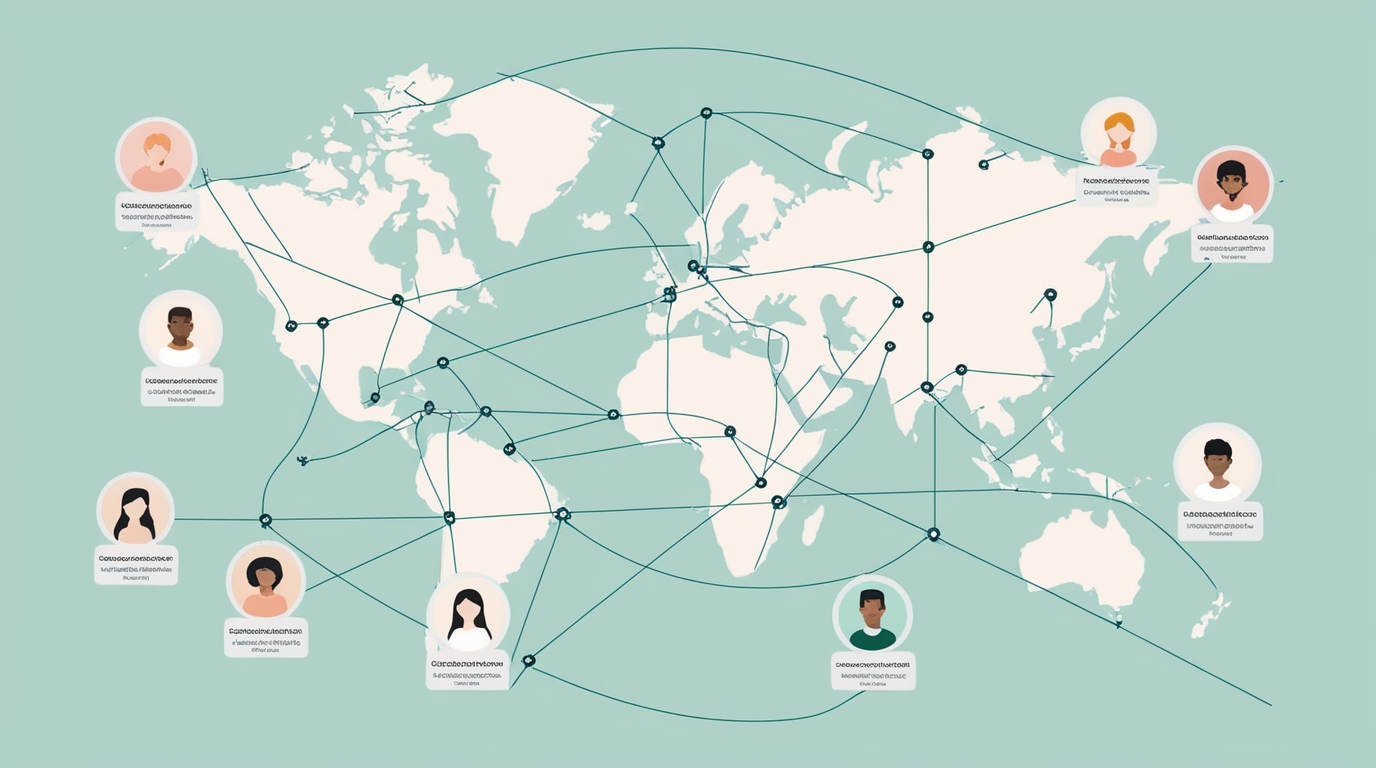
In today’s digital workplace, geographical boundaries are fading, allowing employees to work from virtually anywhere. This shift gives employers access to a broader talent pool than ever before. As a result, effectively marketing your brand online is essential to attract the right candidates and stand out in this competitive landscape.
Consider your choice of platforms, like LinkedIn or Indeed, for posting job openings. Don’t overlook the potential of your former employees—those who left on good terms can be a fantastic resource in spreading the word about your vacancies.
Highlighting your career development opportunities is essential. While Learning and Development (L&D) follows its own life cycle, we know that access to learning experiences significantly appeals to job-seekers. Additionally, offering international opportunities and language training can serve as compelling incentives for potential candidates.
Recruitment
The world has mastered the art of working, learning, communicating, and socializing via video. Online interviews have seamlessly integrated into this landscape, particularly as organizations tap into a global talent pool.
While virtual hiring offers numerous advantages by streamlining logistics, it does come with its own set of challenges. One major drawback is the difficulty in gauging an applicant’s true personality through a video call. Therefore, it’s crucial to adapt your approach to online interviews rather than simply replicating in-person methods.
While the traditional face-to-face Q&A format is well-established, it’s not the only option available. Consider modifying your interview approach to create an environment that allows candidates to shine and showcase their true potential.
Consider using video interview platforms like SparkHire for your initial screening. This approach diversifies the interview process beyond traditional conference calls. Additionally, enhance inclusivity in your recruitment by utilizing tools like Textio, which helps identify and eliminate unconscious bias in your job postings and application materials.
Onboarding
Navigating a new workplace, role, and team can be particularly challenging in a virtual setting. With fewer opportunities for casual chats and informal interactions, it’s essential to implement effective support systems and virtual tools to ensure a seamless onboarding experience.
Consider using a learner experience platform like Learn Amp to streamline the onboarding process. This tool can integrate essential tasks such as contract signing, induction, and compliance training, empowering new hires to navigate their onboarding journey independently and efficiently.
Such tools integrate communication and collaboration tools so they can connect with their colleagues immediately.
Retention
Attracting, recruiting, and onboarding employees is just the beginning. It’s another story—especially during the Great Resignation—to keep them onboard.
We’ve highlighted the importance of a positive employee experience in retaining your workforce. However, it’s essential to recognize that retention is just one phase within the broader employee life cycle.
Cultivating employee commitment hinges on delivering the employee experience they desire. Studies indicate that when individuals consider changing jobs, they are in search of meaningful work, flexibility, support for their well-being, and opportunities for career advancement.
Fostering a positive hybrid or remote work environment demands a higher level of creativity from companies. To ensure employees feel appreciated and acknowledged, organizations must proactively invest in building and maintaining a vibrant hybrid work culture.
Leverage smart digital communication tools to help remote employees feel connected to a welcoming and inclusive workplace culture. Promote asynchronous collaboration to enhance the flexibility and independence that team members cherish. Additionally, provide online learning opportunities that contribute to both employee well-being and career advancement.
Development
Companies that actively invest in and prioritize employee development not only attract top talent but also retain it effectively. By offering clear pathways for growth and advancement, these organizations enhance employee satisfaction and loyalty, making them more likely to stay long-term.
In today’s hybrid work environment, leveraging virtual tools for learning and development (L&D) is essential. While some may argue that in-person training is irreplaceable, e-learning presents a multitude of advantages for employees, enhancing accessibility and flexibility in their professional growth.
- Increases the range of course options
- Encourages autonomous and self-directed career development
- Allows all employees to access the same level and quality of training wherever they are
Remote and hybrid teams can conveniently access training resources from any location, allowing them to customize their learning experiences to align with their schedules.
LingualNeeds Business offers a unique corporate language training program that empowers employees to find tutors globally who align with their specific learning requirements and availability. Additionally, it’s essential that your learning platform provides tools for you and your team to track training progress effectively.
Separation (Offboarding of happy employees)
The departure of an employee, whether by choice or not, can be a difficult experience for any company. This challenge is amplified in a virtual setting, where the usual face-to-face interactions and emotional support are often lacking.
To boost your chances of creating a ‘happy leaver’ who can serve as a valuable advocate for attracting new talent, it’s crucial to approach the offboarding process with care and sensitivity.
When scheduling your virtual exit interview, it’s important to consider time zone differences, especially if your team spans multiple locations. Additionally, be mindful of cultural and legal variations among diverse employees. For instance, employment laws in Europe and North America can differ significantly, so it’s wise to seek advice from local legal experts to navigate these complexities effectively.
As their journey with your company comes to an end, take the opportunity to highlight the significant impact they made and the contributions that fueled the organization’s success. Additionally, don’t forget that maintaining connections during the employee life cycle is effortless in the digital age—staying in touch is just a click away!

How does online learning support the employee life cycle?
Time and again, it’s evident that the various stages and components of the employee life cycle are interconnected, working together to enhance the overall experience. This synergy also applies to learning and development, which play a crucial role in supporting and strengthening the entire process.
While primarily focused on the onboarding and development stages, this approach can influence the entire employee lifecycle. By showcasing the training opportunities available, your company can effectively attract prospective candidates.
Growth opportunities can significantly enhance employee retention by increasing motivation and job satisfaction. Furthermore, when employees eventually move on, they carry with them the valuable knowledge and skills they’ve acquired at your company, which can positively influence potential future hires.
Make your employee life cycle fit the “new normal”
The employee life cycle plays a crucial role in shaping the overall experience of your workforce from beginning to end. Whether your team operates fully remotely, in the office, or in a hybrid setup, how you handle each phase of this cycle directly impacts employee satisfaction and engagement. Ultimately, effective management of these stages will not only enhance your employees’ experiences but also contribute to the long-term success of your organization.
By dedicating time and resources to optimize your processes for the digital workplace, you can create a valuable experience for your employees that fosters growth and engagement.
When current, former, and prospective employees view your company as an exceptional workplace, it can generate significant advantages for the organization. This positive perception creates a win-win-win scenario for your employees, the business, and its clients.
Are you looking to attract top talent and equip your team for success in the global marketplace? Discover how LingualNeeds Business can elevate your employee experience through effective corporate language training.
Frequently Asked Questions
What is the employee life cycle?
The employee life cycle serves as a visual guide to the entire journey of an employee within an organization, outlining key stages from initial interaction to departure.
What are the key stages of the employee life cycle?
The six key stages of the employee life cycle are Attraction, Recruitment, Onboarding, Retention, Development, and Separation.
How has the Covid-19 pandemic influenced work arrangements?
The pandemic has accelerated the transition to remote and hybrid work models, making flexible work arrangements paramount for many employees.
Why is employee development important?
Investing in employee development enhances job satisfaction and loyalty, making employees more likely to stay long-term and contributing to their professional growth.
What role does online learning play in the employee life cycle?
Online learning supports the employee life cycle by facilitating onboarding and development, attracting prospective candidates, and enhancing retention through growth opportunities.