- Common fabrics and their names in English
- Uncommon fabrics and their names in English
- Tips for learning fabric names in English
- Frequently Asked Questions
- What are some common fabrics and their characteristics?
- What are some examples of uncommon fabrics?
- How can I learn fabric names in English effectively?
- What is the importance of knowing fabric names?
- What materials are used to make leather and suede?
If you’re passionate about fashion, textiles, or looking to enhance your English vocabulary, mastering the names of various fabrics is a fantastic starting point. In this article, we’ll delve into both common and unique fabric names in English, offer guidance on how to incorporate them into your conversations, and share effective strategies for expanding your vocabulary.
Common fabrics and their names in English
Certain fabric names are well-known for their prevalence and appeal. In this section, we’ll delve into the characteristics and uses of popular fabrics such as cotton, silk, wool, polyester, and denim. Gaining insight into these materials is crucial for anyone passionate about fashion, textiles, or simply looking to make informed choices while shopping for everyday clothing.
- Cotton: A soft, breathable fabric derived from cotton plant fibers, commonly used in casual apparel and bedding.
- Silk: A luxurious, smooth fabric derived from silkworm cocoons, commonly used in formal attire and high-end textiles.
- Wool: A warm, durable fabric derived from sheep and other animals, ideal for winter clothing and blankets.
- Polyester: A durable, wrinkle-resistant synthetic fabric that is low-maintenance and commonly used in casual apparel and home decor.
- Denim: A durable cotton fabric known for its iconic blue hue and diagonal weave, commonly used in jeans and casual apparel.
- Rayon – A soft, breathable fabric made from cellulose fibers, often used in summer clothing and home decor.
- Nylon – A synthetic fabric that is lightweight, durable, and quick-drying, often used in activewear and outdoor gear.
- Spandex – A synthetic fabric with excellent stretch and recovery, often used in athletic wear and tight-fitting clothing.
- Linen – A lightweight, breathable fabric made from the flax plant, often used in summer clothing and household textiles.
- Leather – A durable, flexible material made from animal hide, often used in jackets, shoes, and accessories.
Uncommon fabrics and their names in English
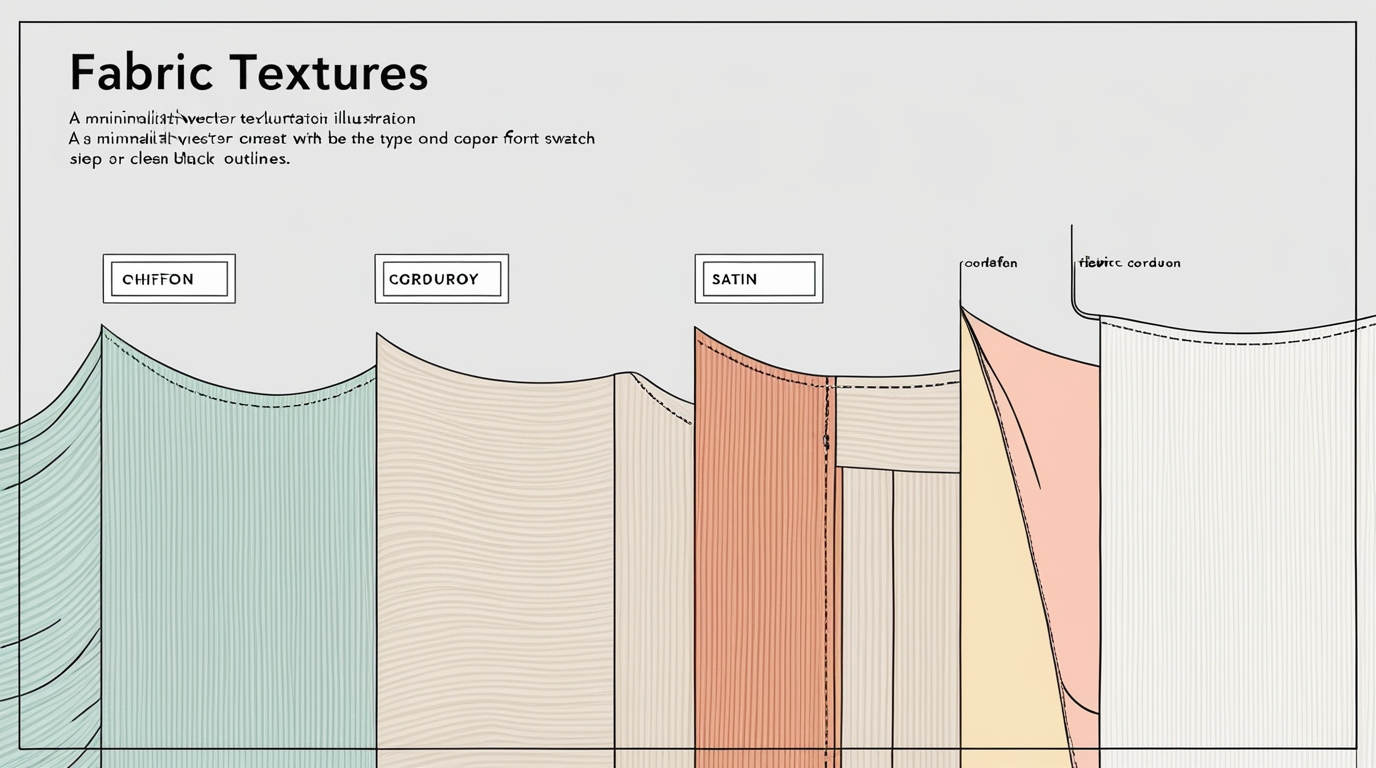
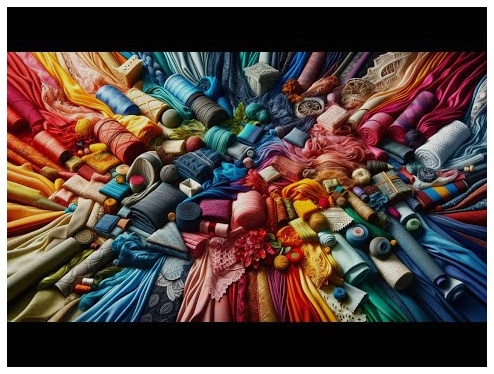
While many are familiar with popular fabrics like cotton, silk, and wool, there exists a fascinating array of lesser-known materials, each with distinct qualities and uses. In this section, we’ll explore the intriguing world of uncommon fabrics, including chiffon, brocade, taffeta, flannel, and tweed, highlighting their unique characteristics and applications.
- Cashmere – A soft, luxurious fabric made from the fleece of cashmere goats, often used in high-end clothing and accessories.
- Corduroy – A durable fabric with raised ridges, often used in pants and jackets.
- Muslin – A lightweight cotton fabric with a plain weave, often used in dressmaking and theater productions.
- Lace: A delicate, decorative fabric featuring intricate patterns and an open weave, commonly used in formal attire and home decor.
- Fleece – A soft, warm fabric made from synthetic fibers, often used in jackets and blankets.
- Suede – A soft, napped leather fabric with a velvety texture, often used in jackets and shoes.
- Brocade – A heavy, ornate fabric with raised patterns, often used in upholstery and formal wear.
- Georgette – A sheer, lightweight fabric with a crinkled texture, often used in formal dresses and blouses.
- Canvas – A heavy, durable fabric often used in tents, shoes, and artist’s canvases.
- Chambray – A lightweight, denim-like fabric with a plain weave, often used in shirts and dresses.
- Brocade – A heavy, ornate fabric with raised patterns, often used in upholstery and formal wear.
- Taffeta – A crisp, smooth fabric with a rustling sound, often used in formal dresses and decorative linings.
- Flannel – A soft, warm fabric with a napped surface, often used in winter clothing and bedding.
- Tweed – A thick, woolen fabric with a rough surface and muted colors, often used in outerwear and suits.
- Organza – A sheer, stiff fabric with a crisp texture, often used in formal dresses and home decor.
- Jacquard – A fabric with a raised pattern or design woven into it, often used in upholstery and decorative fabrics.
- Velvet – A soft, plush fabric with a dense pile, often used in formal wear and home decor.
- Satin – A smooth, shiny fabric with a lustrous sheen, often used in formal dresses and lingerie.
Tips for learning fabric names in English
Mastering the names of fabrics in English may seem challenging, particularly for non-native speakers. However, with commitment and a strategic approach, you can quickly enhance your knowledge and gain confidence in just a short period.
Here are some practical tips to help you learn fabric names in English:
- Learn the fundamentals of fabric names in English, starting with common types like cotton, silk, wool, and polyester. Once you’re familiar with these basics, explore more complex and less common fabrics.
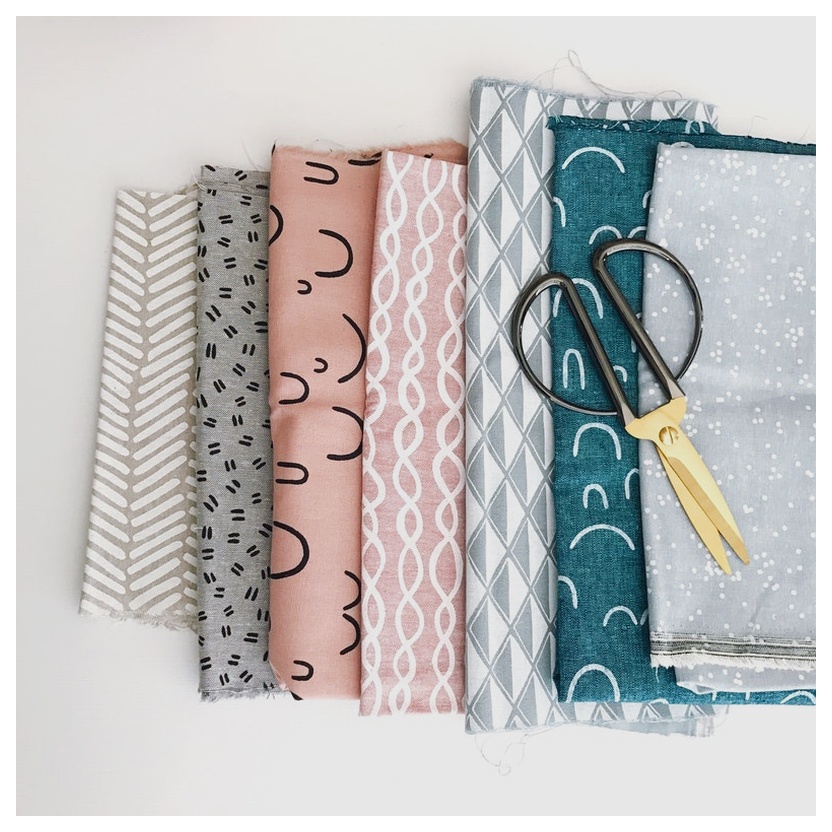
- Utilize visual aids: Search for images and videos of various fabrics to connect their names with their appearance and texture, enhancing memorization.
- Use flashcards for fabric learning: Make flashcards featuring fabric names on one side and their descriptions on the other. Regular self-quizzing will strengthen your understanding.
- Explore fashion blogs and magazines to learn English fabric terminology. Focus on articles that detail various clothing materials and note the specific vocabulary used.
- Watch fashion shows and movies: Tune into fashion-centric programs like *Project Runway* or *The Devil Wears Prada*. Focus on the descriptions of clothing and fabrics featured in these productions for valuable insights.
Embrace these tips to master the names of fabrics in English! Regular practice is key—consider working with an online tutor for guidance. Be patient with yourself, and soon enough, you’ll find yourself confidently navigating the world of fabric terminology like a pro!
Frequently Asked Questions
What are some common fabrics and their characteristics?
Common fabrics include cotton (soft, breathable), silk (luxurious, smooth), wool (warm, durable), polyester (durable, wrinkle-resistant), and denim (durable, iconic blue hue).
What are some examples of uncommon fabrics?
Examples of uncommon fabrics include cashmere (soft, luxurious), corduroy (durable with raised ridges), muslin (lightweight cotton), lace (delicate and decorative), and fleece (soft and warm).
How can I learn fabric names in English effectively?
To learn fabric names effectively, start with common types, use visual aids, make flashcards, explore fashion blogs, and watch fashion shows.
What is the importance of knowing fabric names?
Knowing fabric names is crucial for making informed choices in fashion and textiles, enhancing vocabulary, and improving communication about clothing.
What materials are used to make leather and suede?
Leather is made from animal hide, while suede is a type of soft, napped leather fabric with a velvety texture.