
- Affectionate German nicknames for anyone
- German nicknames for romantic partners
- Pet names for women:
- Pet names for men:
- Gender-neutral German endearments:
- German phrases for lovers
- German endearments for children
- German endearments for siblings
- German endearments for parents and grandparents
- German endearments for friends
- Using diminutives with German endearments
- Common diminutives of German endearments:
- Creating personalized endearment with diminutives
- Compound German endearments
- Final thoughts
- Frequently Asked Questions
- What are some common German terms of endearment?
- How do diminutives work in German endearments?
- What are affectionate nicknames for romantic partners in German?
- Can you give examples of German endearments for children?
- How can I create personalized German pet names?
Endearments are a charming way to express love and affection. In German, you can use the term “Kosewort” for a term of endearment, while “Kosename” refers specifically to a pet name.
In German, the term “kosen” translates to “to caress” or “to cuddle.” This gives us a delightful perspective on German terms of endearment, which can be viewed as “cuddling words,” while pet names might be considered “cuddling names.”
German is rich with delightful terms of affection, whether you refer to them as endearments, pet names, or Koseworte. These charming expressions add a touch of sweetness and playfulness to relationships with family, friends, and loved ones.
In this article, we’ll explore a delightful selection of endearing German terms perfect for expressing affection to your loved ones. You’ll learn how to use these terms appropriately across various social relationships. Additionally, we’ll delve into the fascinating world of diminutives, transforming everyday German words into sweet nicknames, and guide you on creating your own unique pet names in German.
So, let’s get started!
Affectionate German nicknames for anyone
Let’s kick things off with some versatile pet names perfect for the special people in your life! Keep in mind that these affectionate terms are typically saved for family members, friends, or romantic partners. It’s best to avoid using these German endearments with colleagues, professors, restaurant staff, or shopkeepers!
A helpful guideline is to reserve endearments for those you would address as “du” (the informal “you”). It’s best to avoid using them with anyone you would refer to as “Sie” (the formal “you”).
- Schatz – Treasure
- Herzblatt – Darling, Sweetheart (Literally, “heart leaf.”)
- Lieblingsmensch – Favorite person
German nicknames for romantic partners
When it comes to expressing love in German, affectionate nicknames for partners and sweethearts are at the top of the list. Many of these terms are specifically tailored for men or women, but some, like the timeless “Schatz” (meaning “treasure”), can be used for anyone.
In some instances, pet names come in both masculine and feminine forms. Typically, the feminine versions end with an “e,” while the masculine counterparts conclude with “er.”
Pet names for women:
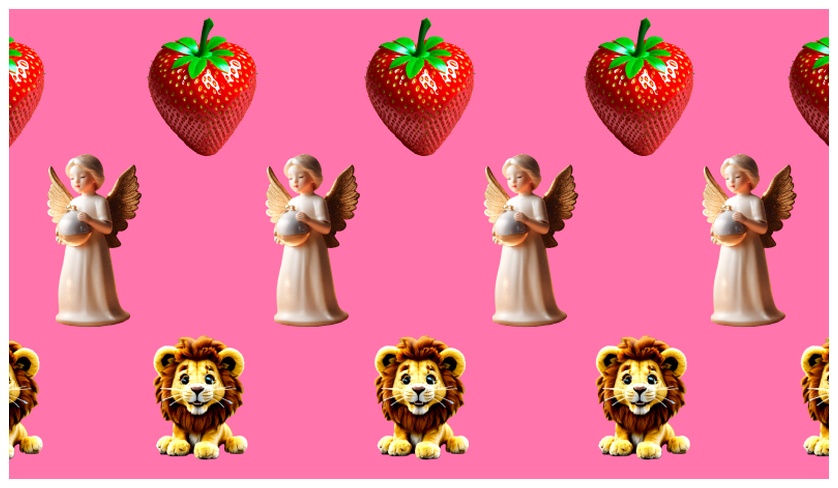
- **Schnecke – Snail**: While this nickname may not appeal to everyone, it likely refers to the delightful snail-shaped pastry from Germany and Austria, known as Schnecken, which is certainly a sweeter alternative to a slimy snail!
- Erdbeerchen – Little strawberry
- Mein Frau – My woman / My wife
- Meine Prinzessin – My princess
- Mein Schmuckstück – My jewel
- Mein Engel – My angel
- Engelchen – Little angel
- Geliebte – Beloved
- Süße – Sweetie
Pet names for men:
- Kuschelbär – Snuggle bear
- Hübscher – Handsome
- Mein Mann – My man / My husband
- Mein Prinz – My prince
- Löwe – Lion
- Held – Hero
- Tiger – Tiger
- Geliebter – Beloved
- Süßer – Sweetie
Gender-neutral German endearments:
- Meine bessere Hälfte – My better half
- Bärchen – Little bear (This one is always used in its diminutive form. Imagine a teddy bear.)
- Mein Herz – My heart
- Mein ein und alles – My one and only
- Mein Baby – My baby
- Knuddel – Cuddles
- Sonnenschein – Sunshine
- Meine Sonne – My sun
- Meine Sonne und Sterne – My sun and stars
German phrases for lovers
In addition to pet names, other romantic terms of endearment include phrases to make you swoon.
- Ich bin in dich verliebt. – I am falling in love with you.
- Du bist die liebe meines lebens. – You are the love of my life.
- Du bist der Mann meiner Träume. – You are the man of my dreams.
- Du bist die Frau meiner Träume. – You are the woman of my dreams.
- **Ich liebe dich – I Love You**
This phrase is unequivocal in its meaning and is not used lightly in German. Typically reserved for significant moments, it’s often exchanged between romantic partners or family members. For expressing affection in friendships, consider using other German phrases that convey warmth without the intensity of “Ich liebe dich.”
German endearments for children
These adorable names would be used within the family circle. They work for girls and boys alike.
- Mäuschen – Little mouse
- Mausi – Little mouse
- Mausebein – Mouse’s leg
- Mauszähnchen – Little mouse tooth
- Spatz – Sparrow
- Käferchen – Little beetle
- Biene – Bee
- Honigbienchen – Little honey bee
- Blümchen – Little flower
- Kindchen – Dear child, Sweetheart
- Schnucki – Sweetie (This is also sometimes used for romantic partners. It comes from the adjective schnuckelig, meaning “cozy” or “warm.”)
- Schnuckelchen – Little sweetie
- Schnuckiputzi – Cutie pie
- Schatzi – Little treasure
- Kleiner Schatz – Little treasure
- Dreikäsehoch – Tiny tot (This would only be appropriate for very small kids, such as toddlers.)
German endearments for siblings
Depending on a sibling’s mood, these names can be used either tenderly or facetiously.
- Bruderherz – Little brother, Dear brother (Literally, “brother heart.”)
- Schwesterlein – Little sister
German endearments for parents and grandparents
These endearments might be among a child’s very first words.
- Mama – Mom
- Papa – Dad
- Mami – Mommy
- Papi – Daddy
In Germany, the terms for “Mom” and “Dad” can differ significantly based on the region. For instance, in southern areas like Franconia, many view “Mutti” (Mom) and “Vati” (Dad) as outdated. Conversely, in places like Leipzig in the northeast, “Mutti” remains a popular term of endearment.
- Oma – Grandma
- Opa – Grandpa
- Omi – Grandmommy
- Öpi – Granddaddy
German endearments for friends
There are a few common endearments for friends.
- Mein Lieber – My dear, My love (for a male friend)
- Meine Liebe – My dear, My love (for a female friend)
- Mein Bester – My best buddy (for a male friend)
- Meine Beste – My bestie, My best friend (for a female friend)
If you want to personalize the nickname, you can add a diminutive suffix to your friend’s name.
Using diminutives with German endearments
Several diminutive suffixes can effectively make German words cuter:
- -chen
- -lein
- -i
- -erl
The tiny suffix “-chen” has become the most popular among its counterparts. The other suffixes mentioned are linked to Bavaria, the picturesque southeastern German state famous for its Oktoberfest celebrations and the enchanting Neuschwanstein Castle.
In German, adding the suffix “-lein” or “-chen” to a noun always results in a neuter gender. This is due to the fact that the gender of a compound noun is determined by its final component.
You may be familiar with the German word “Mädchen,” which translates to “girl.” It might surprise you to learn that this term is grammatically neuter, despite referring to a female individual. Have you ever pondered the reasoning behind this linguistic choice?
The term “Mädchen” merges the diminutive suffix “-chen” with an ancient word for “maiden,” resulting in a translation akin to “little maiden.” Interestingly, the neuter “-chen” ending shifts the gender of the German word for “girl” from feminine to neuter.
When adding the “-chen” suffix to a base word that contains the vowels “a,” “o,” or “u,” an umlaut is typically added to that vowel. For example, the word “Hund” (dog) transforms into “Hündchen” (puppy or doggy), while “Hase” (bunny or hare) becomes “Häschen” (little bunny). This alteration helps convey a sense of endearment or diminutiveness in the new word.
Common diminutives of German endearments:
- Schnecke (snail): Schneckchen, Schnecki
- Maus (mouse): Mäuschen, Mausi, Mauslein
- Spatz (sparrow): Spätzchen, Spatzi
- Schatz (treasure): Schatzi
- Hase (bunny/hare): Hasi, Häschen
- Stern (star): Sternchen
Creating personalized endearment with diminutives
With a few simple adjustments, you can craft personalized nicknames for your friends and family that reflect your unique bond. These special names not only highlight your affection but also add a playful touch to your relationships.
Examples of common German masculine names:
- Heinrich —> Heini
- Siegmund / Siegfried —> Sigi
- Hans —> Hänschen, Hänsel
- Friedrich —> Fritz —> Fritzchen
- Karl —> Karlchen
Examples of common German feminine names:
- Andrea —> Andi
- Christiane / Christine —> Christel
- Margarete —> Greta —> Gretchen, Gretel
- Magdalene / Helene —> Leni
- Susanne —> Susi
Creating personal nicknames is an art rather than a science, with no strict guidelines to follow. Embrace your creativity and experiment with various affectionate suffixes until you discover the perfect nickname that captures your loved one’s unique personality.

Compound German endearments
Some of the most fanciful and creative German pet names were formed as compound words.
- Knuddelbär – Cuddle bear
- Knuddelkätzchen – Cuddle kitten
- Mausbär – Mouse bear
- Zuckerschnecke – Sugar snail
- Zuckerschnute – Sugar lips (literally, “sugar pout”)
- Honigkuchenpferd – Honey-cake horse
One of the fascinating aspects of compound endearments in German is their spontaneous creation. When you combine words to form a compound, the gender is dictated by the final component of the word. This is due to the fact that in German, the gender of a noun is always determined by its ending.
Consider the word “Mausbär,” which blends two distinct German nouns: “Maus” (mouse), a feminine noun, and “Bär” (bear), a masculine one. In German grammar, the gender of a compound word is determined by its final component. Since “Bär” is the last part, “Mausbär” is classified as a masculine noun.
In the same way, Zuckerschnute would be feminine, because Schnute (pout) is feminine. This is true even though Zucker (sugar) is masculine.
Final thoughts
Discovering German endearments offers a delightful glimpse into the rich culture of the German-speaking world. There are various enjoyable ways to practice these charming phrases:
- Test out pet names or endearments with family and friends if you already use them. Remember, not everyone appreciates nicknames, so be mindful of their preferences.
- Use pet names for your animal companions if your friends or family prefer not to hear endearments.
- Use diminutives like -chen and -lein to create your own endearments. You can use animal names or even foods like Zucker (sugar) or Honig (honey).
- Create unique pet names by combining German words, such as “Knuddelbär” (cuddle bear). Embrace creativity and enjoy the process!
To learn more real-world German through live lessons, check out 1-on-1 tutoring and online German classes from LingualNeeds.
Frequently Asked Questions
What are some common German terms of endearment?
Common German terms of endearment include Schatz (treasure), Herzblatt (darling), and Lieblingsmensch (favorite person).
How do diminutives work in German endearments?
Diminutives in German are created by adding suffixes like -chen or -lein to words, making them cuter or more affectionate.
What are affectionate nicknames for romantic partners in German?
Affectionate nicknames for romantic partners include Mein Engel (my angel), Mein Prinz (my prince), and Geliebte (beloved).
Can you give examples of German endearments for children?
Examples of German endearments for children include Mäuschen (little mouse), Spatz (sparrow), and Schnucki (sweetie).
How can I create personalized German pet names?
You can create personalized German pet names by adding diminutive suffixes to names or combining words to form compound endearments.


