
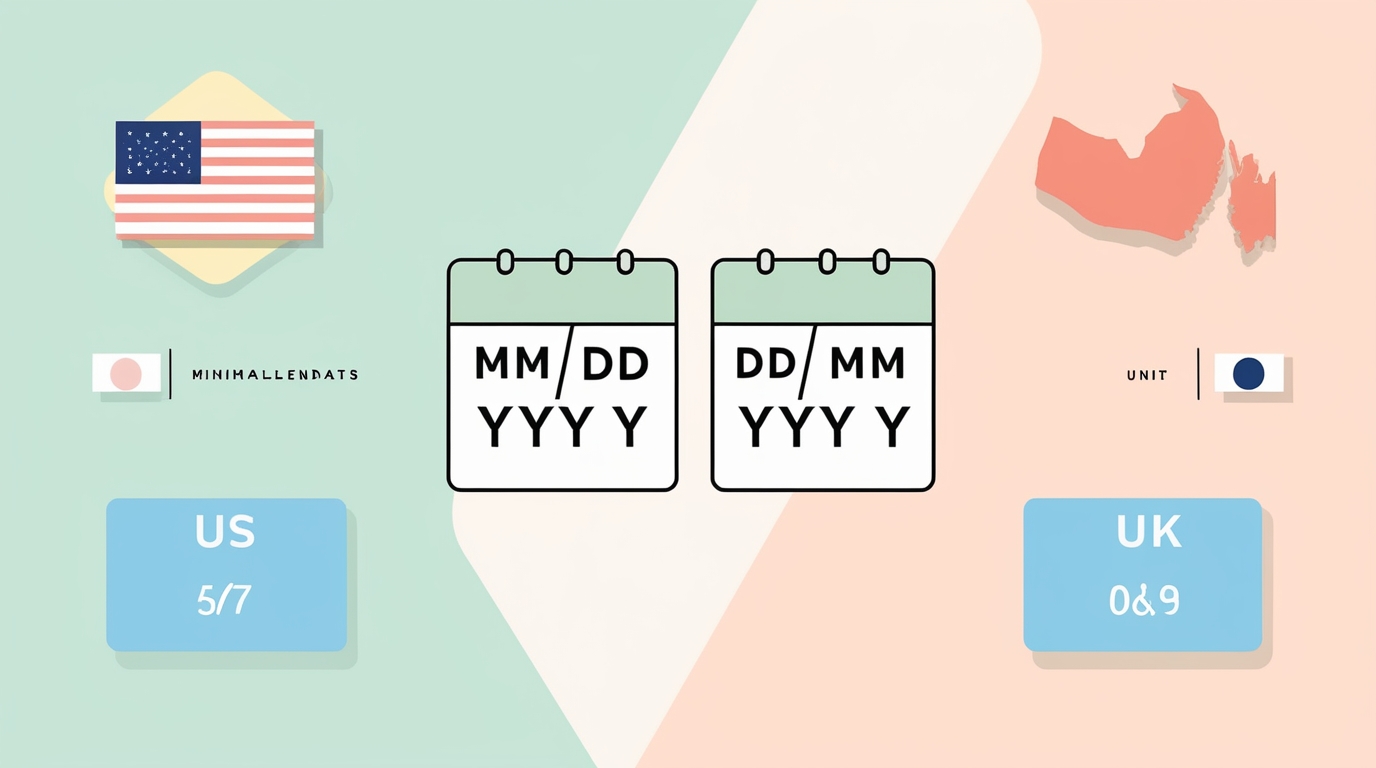
- Differences in writing and saying dates in US English and UK English
- Frequently Asked Questions
- What are the names of the months in English?
- How should month names be written in English?
- What are common abbreviations for month names?
- How do date formats differ between US and UK English?
- Why is it important to be consistent in date formatting?
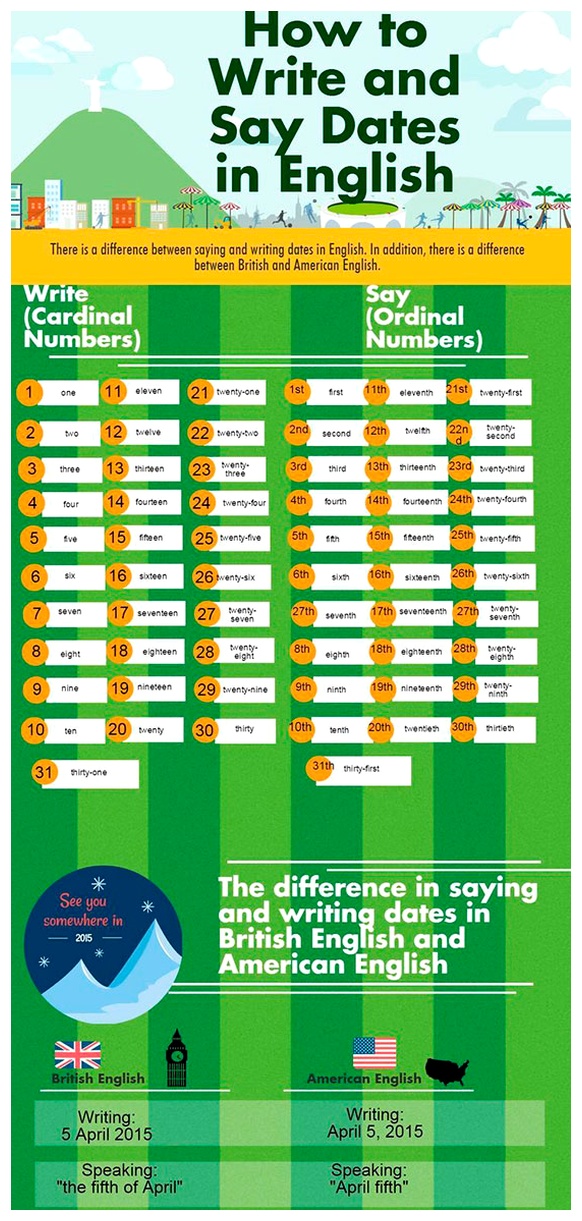
First of all, let us look at the months of the year:
- January
- February
- March
- April
- May
- June
- July
- August
- September
- October
- November
- December
In English, the names of the months always start with a capital letter, such as “August.” When it comes to writing dates, these month names are frequently abbreviated to three letters, like “Jan,” “Feb,” and “Dec.”

Differences in writing and saying dates in US English and UK English
Br.E. (British English)
Write: 6 May 2016
Say: “the sixth of May”
Am.E. (American English)
Write: November 7, 2015
Say: “November seventh”
Select one of these styles and consistently incorporate it into your English speaking and writing. Doing so will demonstrate your proficiency in the language.
Good luck in learning English!
Frequently Asked Questions
What are the names of the months in English?
The names of the months in English are January, February, March, April, May, June, July, August, September, October, November, and December.
How should month names be written in English?
In English, the names of the months always start with a capital letter.
What are common abbreviations for month names?
Common abbreviations for month names include ‘Jan’ for January, ‘Feb’ for February, and ‘Dec’ for December.
How do date formats differ between US and UK English?
In British English, dates are written as ‘6 May 2016’ and said as ‘the sixth of May’, while in American English, dates are written as ‘November 7, 2015’ and said as ‘November seventh’.
Why is it important to be consistent in date formatting?
Being consistent in date formatting demonstrates proficiency in the English language.


