
- How to improve English-speaking fluency: 12 expert tips
- 1. Start speaking English as much as possible
- 2. Start speaking English with a personal tutor
- 3. Expose yourself to English every day
- 4. Make the most of technology
- 5. Use resources made for your level
- 6. Don’t be afraid to challenge yourself
- 7. Work on your pronunciation
- 8. Learn whole phrases, not just individual words
- 9. Work on your idioms
- 10. Accept that you will feel uncomfortable speaking English
- 11. Consider a big lifestyle change
- 12. Plan your conversations when you can
- 13. Don’t focus too much on English grammar
- 14. Expand your vocabulary
- How to become fluent in English: Final thoughts
- Frequently Asked Questions
- What does fluency in English mean?
- How can I improve my English-speaking fluency?
- Why is working with a personal tutor beneficial for language learning?
- What role does technology play in learning English?
- Is it important to challenge myself while learning English?

Fluency in English means speaking effortlessly and confidently, much like a native speaker. Achieving fluency can significantly enhance your career prospects, unlock thrilling educational opportunities, and enable you to forge connections with people globally.
Are you eager to speak fluent English and unlock its many advantages? Look no further! We’ve compiled 12 expert tips that will help you master the language like a pro.
Fluency in a language is when you can understand and communicate with ease, almost without thinking. Achieving this level takes considerable time and dedication, which can lead many learners to doubt its attainability.
Every year, thousands of individuals achieve fluency in English, and with the right determination, you can join them! To assist you on your journey, we consulted the expert language tutors at LingualNeeds for their top strategies. Keep reading for valuable tips on mastering the English language!
How to improve English-speaking fluency: 12 expert tips
1. Start speaking English as much as possible
To achieve fluency in English, the most crucial step is to engage in more speaking practice. Nearly all guidance on reaching your fluency aspirations ultimately emphasizes this point. No other method is as impactful or essential for your progress.
If you’re in a country where English isn’t widely spoken, it can be challenging to practice the language. Here are some effective strategies to help you improve your skills:
- Partner with an English speaker learning your native language, or use a language exchange app to find a match.
- Schedule 1-on-1 online classes with an English tutor to get expert advice on your English-speaking skills
- Use English-learning apps with speech recognition software
- Connect with a small group of international learners in online group classes
- When you have reached an intermediate level, attend webinars or live events
- Share your life story in English. For detailed guidance, watch Bob the Canadian’s video here.
Incorporating creative opportunities to practice English into your daily routine can lead to rapid improvement. Before you know it, you’ll notice significant progress in your speaking skills!
2. Start speaking English with a personal tutor
Bloom’s 2 Sigma Problem study reveals an impressive finding: students who receive one-on-one tutoring exceed the performance of 98% of their peers in traditional classroom settings. If you’re committed to achieving fluency in English, consider hiring a personal language tutor. Here’s why personalized tutoring can accelerate your learning:
- Working with an expert English tutor provides essential guided practice and immediate feedback to help you correct errors before they become ingrained habits.
- You’ll be able to ask questions about English regularly
- Concentrate on relevant words and phrases that enhance your personal and professional growth, ensuring your learning is immediately applicable.
- Staying motivated and maintaining a consistent learning routine is easier when you have a supportive accountability partner.
- Work with an English teacher for personalized coaching to overcome language challenges like complex grammar and pronunciation.
Discover the convenience and affordability of 1-on-1 English lessons with LingualNeeds! Our global network of tutors spans various time zones, ensuring that an expert is always available to meet your needs. Plus, our innovative search filter lets you easily find a tutor within your budget, with prices starting as low as $10 per hour. With LingualNeeds, finding a personal language coach that fits your lifestyle and wallet has never been easier!
3. Expose yourself to English every day
To achieve fluent English speaking, immersing yourself in the language daily is essential. Engage with English in some form each day, even outside of traditional study sessions. By incorporating a few straightforward adjustments into your routine, you can significantly enhance your English-speaking abilities:
- Change your phone/social media/tablet language to English
- Listen to English music
- Read the news in English
- Commit to watching English-language movies and TV shows
- Keep a language journal in English
This approach, known as language immersion, is an effective method for becoming familiar with the sounds and vocabulary of a new language. By surrounding yourself with the language, you reinforce your learning and enhance your understanding in a natural and engaging way.
If you’re eager to immerse yourself in English every day, explore our articles on enhancing your language skills through podcasts and engaging stories. These resources offer fun and effective ways to boost your English proficiency!
4. Make the most of technology
How many English learning apps do you currently have on your phone? Chances are, you have at least one! In today’s digital age, language learning has been transformed, making it more accessible and convenient than ever. It’s easy to overlook just how fortunate we are to have these resources at our fingertips.
With a vast array of study technologies at your disposal, it’s essential to make thoughtful choices. Focus on utilizing resources that align with your personal study habits, and be cautious not to become overly dependent on gamified apps. Select tools that truly enhance your learning experience!
While English learning apps can be helpful, they do have their limitations. To accelerate your language acquisition, it’s essential to diversify your learning activities. As John Fotheringham, the founder of languagemastery.com, wisely notes, “Language apps are a fantastic supplement to a well-rounded language diet, but they shouldn’t be the sole focus.”
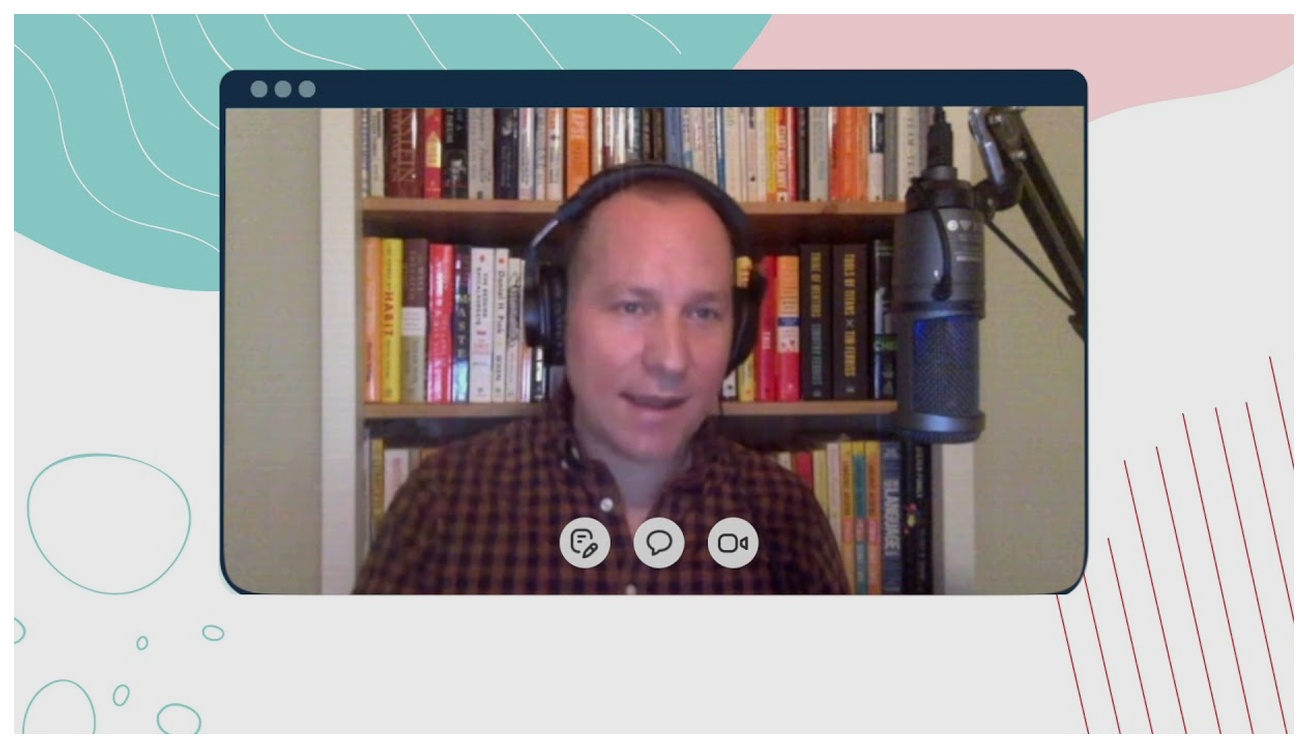
YouTube is an incredible treasure trove for English learners, offering a wealth of expert advice that far exceeds what any student could absorb in a lifetime. The platform enhances the learning experience by providing subtitles for nearly every video, allowing viewers to adjust playback speed and revisit sections as needed. This makes it easier than ever to grasp every word and concept at your own pace!
Explore our article highlighting the best YouTube channels for learning English! This resource is designed to support you on your journey to speaking English fluently. Don’t miss out on these valuable tools!
5. Use resources made for your level
Selecting resources that align with your current skill level is essential for your growth. To make the most of a course, self-study, or personal tutoring, it’s important to first assess your abilities. This self-evaluation will guide you in choosing the right materials that will effectively support your learning journey.
To get an accurate assessment of your language abilities, try one of LingualNeeds’s placement tests. These tests effectively evaluate your skills, highlight your strengths, and reveal areas that need improvement. Once you’ve determined your English proficiency level, you can select study materials tailored to your needs. Looking for recommendations? Explore our comprehensive guide to resources designed for various proficiency levels!
- **Beginners (A1-A2):** For newcomers, gamified apps, children’s books, and beginner-friendly educational videos offer a solid foundation by using simple vocabulary and repetitive patterns.
- **Intermediate Learners (B1-B2):** Challenge yourself with more complex materials, such as watching news reports without subtitles and reading simple novels and articles. This will enhance your vocabulary and improve your understanding of grammar.
- **Advanced Learners (C1-C2):** Utilize movies, podcasts, and books favored by native speakers to enhance your fluency. These resources provide exposure to everyday expressions and idiomatic language in context, helping you refine your language skills.
For some online resources perfect for your level, read our blog post on the best websites to learn English.
6. Don’t be afraid to challenge yourself
To enhance your English skills, it’s essential to push beyond your comfort zone. Simply revisiting familiar material won’t drive significant improvement. In essence, aim to embrace a bit of discomfort during your study sessions; this is where true growth happens.
To enhance your language skills, start by watching your favorite shows with English subtitles instead of your native language. Once you feel comfortable with that, challenge yourself by watching without any subtitles at all. This gradual shift not only improves your listening abilities but also deepens your comprehension of the language.
Engaging with native speakers is an excellent way to elevate your language skills. Whether you choose to connect with language exchange partners or work with a private tutor, practicing English conversation immerses you in authentic language experiences.
Engaging in conversation with a native English speaker not only introduces you to slang and diverse expressions but also pushes you to think on your feet and respond promptly—just as you would in your own language.
Just remember: the more you challenge yourself, the more comfortable you’ll become using English in the long run.
7. Work on your pronunciation
Improving your pronunciation offers several benefits. Clear communication is essential, and practicing your pronunciation enhances your ability to be understood. It’s important to note that refining your pronunciation doesn’t require you to lose your accent. However, unclear speech can lead to frustration for both you and those trying to understand you.
Achieving fluency and clear pronunciation in English involves a significant physical component. For those whose native language differs greatly from English, like Spanish, it’s essential to adjust how you move your mouth and tongue. Many native Spanish speakers report that speaking English for extended periods can lead to jaw discomfort, highlighting the physical adjustments needed in this learning process.
Try using YouGlish, an innovative tool that allows you to hear any sentence spoken in a range of English accents. This not only helps you practice your pronunciation by repeating what you hear but also enhances your listening skills, making it a fun and effective way to learn!
For more practical exercises that you can bookmark and return to any time, check out our English pronunciation resources.
8. Learn whole phrases, not just individual words
Fluency means speaking in complete sentences smoothly and confidently. If you approach learning English by memorizing individual words, you may find it challenging to speak without pausing. This struggle arises because you’ll be translating each sentence from your native language into English word by word in your mind.
There is another way: Learning new words as part of common phrases can ease mental strain when speaking.
For instance, when learning the word “tonight,” it’s beneficial to learn it within a complete phrase, like “Tonight, I am going to…” This approach equips you with a ready-made response for evening plans, reducing the time spent pausing to think and making conversations flow more smoothly.
Learning lists of phrases in a new language, often referred to as sentence mining, is a popular technique among language enthusiasts. Proponents argue that this method accelerates vocabulary acquisition and helps internalize grammar rules more intuitively, making language learning both quicker and more effective.
Feeling uncertain about where to begin? Check out this free resource featuring a comprehensive list accompanied by audio recordings from native speakers. Alternatively, consider purchasing an informative e-book like this one for more in-depth guidance.

9. Work on your idioms
Mastering idioms is essential for sounding like a native English speaker and can significantly enhance your understanding of different situations. By grasping these expressions, you’ll not only improve your communication skills but also gain deeper insights into cultural nuances.
Are you part of an English-speaking workplace? Familiarizing yourself with common idioms can significantly enhance your communication skills. Here are a few essential idioms to consider:
- Back to the drawing board: Start over when a plan fails
- Cut corners: Do something poorly to save time or money
- Out of the loop: Not knowing what’s currently happening
- Touch base: Briefly check in with someone
- Get the ball rolling: Start something important
Incorporating these phrases into your workplace communication can significantly enhance clarity and fluidity. Additionally, familiarizing yourself with idioms specific to your profession or culture can enrich your interactions and foster stronger connections with colleagues.
Looking to expand your understanding of idioms—those colorful cultural expressions? LingualNeeds offers a treasure trove of insightful articles just for you! Enrich your language skills by exploring our curated list of the most beautiful idioms. And if you’re in the mood for some humor, don’t miss our collection of ten hilarious English idioms that are sure to bring a smile to your face!
Finding it challenging to connect with your British colleagues? Our latest blog post on British sayings is here to help! Discover how to decode their expressions during meetings and enhance your small talk over coffee breaks. Engage more confidently with your team and bridge any communication gaps!
10. Accept that you will feel uncomfortable speaking English
For many people, learning to speak a new language often involves overcoming a common fear. This apprehension is entirely natural! Your native language serves as a finely-tuned instrument for expressing ideas, allowing you to navigate the nuances of meaning, irony, humor, and the subtle shifts in word stress that can alter your message.
Learning a new language often resembles wielding a dull axe; communication becomes clumsy and imprecise. You struggle to convey your thoughts, risk unintentionally offending others, and may feel like you’re not reflecting your true intelligence. It’s a daunting experience! Yet, the discomfort that accompanies this journey is rarely discussed among language learners.
Language expert and polyglot Olly Richards emphasizes the importance of cultivating a “tolerance for ambiguity” in the journey of language learning. His approach to mastering new languages quickly encourages learners to embrace the confusion that often accompanies the process. It’s perfectly normal not to grasp everything or speak flawlessly as you work towards fluency, and accepting this uncertainty is key to your progress.
True progress in your language journey happens when you embrace the discomfort of engaging in English-speaking environments. By allowing yourself to make mistakes, you open the door to valuable learning experiences.
11. Consider a big lifestyle change
One of the most effective ways to master spoken English is to immerse yourself in an English-speaking country. If you’re committed to achieving fluency and have the flexibility to relocate for a few months, this experience can significantly accelerate your learning. You’ll find countless opportunities to engage in conversations with native speakers, allowing you to practice and refine your skills in real-life situations.
For many individuals, achieving this may not be feasible. But don’t fret if that sounds like you! There are plenty of significant lifestyle changes you can implement to enhance your English skills, such as the following:
- Pursue a job or engaging hobby that requires English-speaking skills, such as teaching your native language to English speakers on LingualNeeds.
- Clean out your spare room and use it to host English-speaking travelers via a service like couch surfing
- Encourage English practice at home by designating specific times for English-only conversations, such as during meals, Monday evenings, or while driving.
- “Learn English quickly by falling in love with a native speaker! Discover inspiring stories of individuals who mastered the language for love.”
These changes may seem significant, but they’re essential for integrating English into your daily life. If you primarily use your native language 99% of the time, it’s no wonder that English can feel foreign. However, by incorporating English-speaking experiences into your routine, you’ll accelerate your learning and make the language feel more natural much faster.
12. Plan your conversations when you can
While it may sound like a simple suggestion, planning can significantly enhance your journey to fluency. Fluency allows you to converse effortlessly on any topic, but if you’re not quite there yet, a little preparation can bolster your confidence. This is especially beneficial when you want to impress native speakers with your English proficiency.
As you prepare for an event where you can sharpen your English skills, consider planning your small talk in advance. Will you share stories about your kids, discuss your knitting group, or chat about your job? Having these topics ready can boost your confidence and make conversations flow more smoothly!
Having a few conversation starters on hand can be a great way to practice the vocabulary you’ve been learning. This preparation helps reduce the pressure of thinking of something engaging to say spontaneously, allowing you to focus on the conversation itself.
Looking for a spark of inspiration? By signing up for lessons on LingualNeeds, you’ll receive complimentary conversation starters each week. These resources help you expand your vocabulary while engaging in discussions about the latest trends and events with your tutor.
13. Don’t focus too much on English grammar
Native English speakers frequently bend the rules of their language without even realizing it. If you’ve ever transcribed a spoken conversation in English, you’ve likely noticed this phenomenon firsthand. Interestingly, many British high school students use phrasal verbs regularly, yet they may not even recognize what they are!
While understanding grammar rules is important and worth studying eventually, prioritizing practice in speaking English should come first. Engaging in conversation will enhance your language skills more effectively than focusing solely on grammar.
Don’t worry too much about perfect grammar when communicating with native English speakers; what’s most important is being understood! Focus on clear communication, and over time, you’ll naturally absorb grammatical rules with practice.
14. Expand your vocabulary
Expanding your vocabulary is essential for becoming fluent in English, but it doesn’t have to be a tedious process.
Engaging in conversations with native speakers, diving into books, or enjoying Netflix shows in English can significantly boost your language skills by introducing you to a wealth of new vocabulary. These enjoyable activities provide a rich, immersive experience that helps you effortlessly absorb new words and phrases in context.
If you’re eager to master office-related English, a great starting point is familiarizing yourself with the names of 18 essential office items. As you progress, expand your vocabulary by exploring B2B business English terminology, along with key phrases and expressions related to finance. This will enhance your communication skills in any professional setting!
To effectively learn and remember new vocabulary, employing techniques such as spaced repetition can be incredibly beneficial. This approach involves reviewing words at gradually increasing intervals, which helps transfer them from short-term to long-term memory. Utilizing flashcards or dedicated apps can make this process even more engaging and efficient.
How to become fluent in English: Final thoughts
Becoming fluent in English—or any language—is not a destination you reach and stop; it’s a continuous journey filled with learning and practice. Embrace the process, as each step enhances your skills and deepens your understanding.
Research indicates that individuals continue to expand their vocabulary in their native language well into middle age! This highlights the importance of ongoing practice, even after achieving fluency in English. Use this insight as motivation rather than a setback; the advantages of being fluent far exceed the effort involved in honing your skills. Keep pushing forward!
Mastering English can significantly enhance your job prospects, making you a more competitive candidate. It will also boost your confidence and enable you to engage with approximately 1.46 billion speakers of this global language.
To kickstart your journey towards English fluency, explore LingualNeeds’s English Fluency Handbook for comprehensive tips and strategies. Start making strides in your language skills today!
Frequently Asked Questions
What does fluency in English mean?
Fluency in English means speaking effortlessly and confidently, much like a native speaker.
How can I improve my English-speaking fluency?
You can improve your English-speaking fluency by practicing speaking as much as possible, working with a personal tutor, and immersing yourself in the language daily.
Why is working with a personal tutor beneficial for language learning?
Working with a personal tutor provides essential guided practice, immediate feedback, and helps concentrate on relevant vocabulary for personal and professional growth.
What role does technology play in learning English?
Technology offers a variety of English learning apps and resources that can supplement your study, making language learning more accessible and convenient.
Is it important to challenge myself while learning English?
Yes, challenging yourself is essential for growth, as pushing beyond your comfort zone leads to significant improvement in your language skills.


