- What are employee benefits?
- Why are employee benefits important?
- What are the most popular employee benefits?
- Health benefits
- Paid time off (PTO) benefits
- Financial security benefits
- Lifestyle benefits
- Professional growth benefits
- What companies offer the best employee benefits?
- 1. Google
- 2. Microsoft
- 3. HubSpot
- 4. Starbucks
- 5. Meta (formerly Facebook)
- Final words
- Frequently Asked Questions
- What are employee benefits?
- Why are employee benefits important?
- What are some common types of employee benefits?
- Which companies are known for offering exceptional employee benefits?
- How can offering employee benefits impact a business?
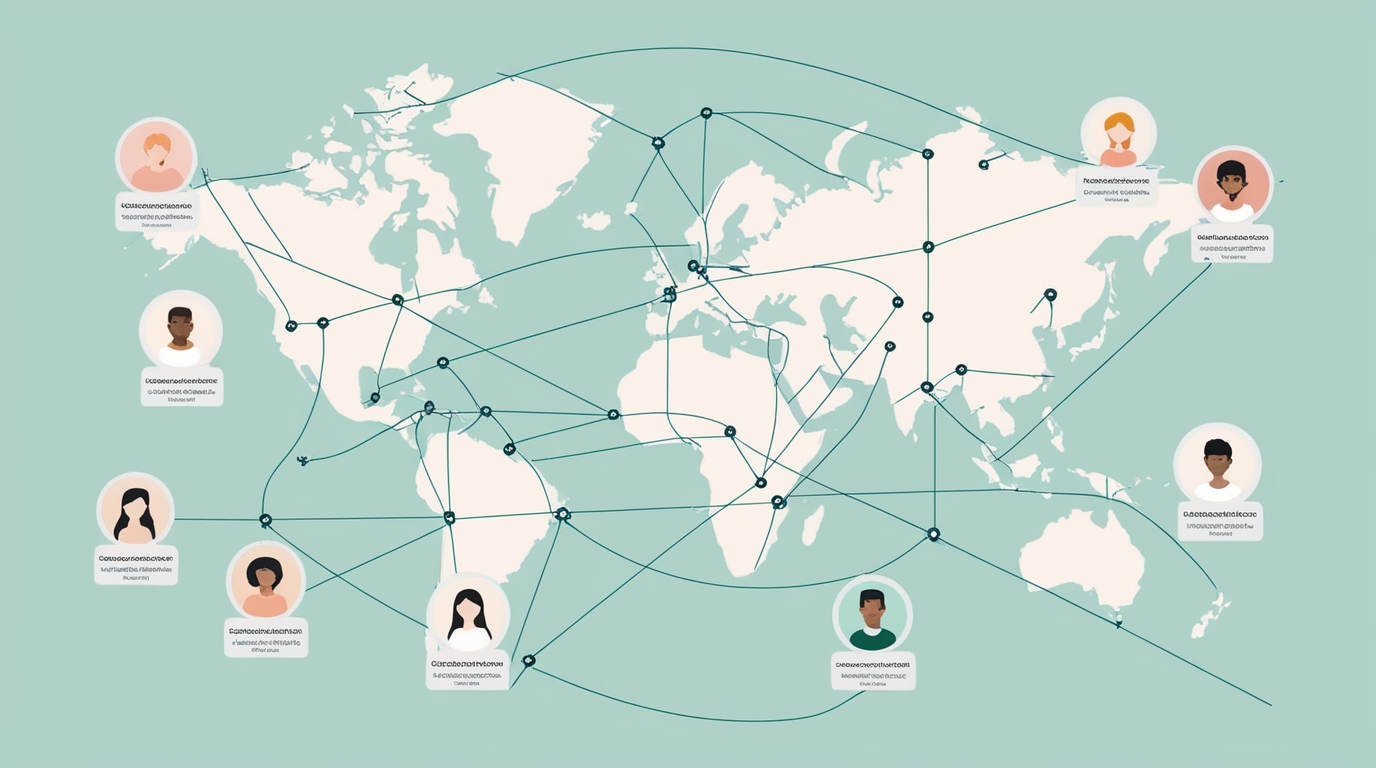
All over the globe, countries are experiencing tight labor markets: plenty of vacant jobs yet a shortage of available workers.
As a result, you may have observed a growing focus on employee benefits, as companies explore new incentives to attract fresh talent and retain their current employees.
In today’s competitive corporate environment, it’s crucial for organizations to thoroughly understand employee benefits and offer an attractive compensation package. This knowledge not only helps retain top talent but also enhances overall job satisfaction.
To help with such an endeavor, this article will guide you through what employee benefits are, why they’re important, and which are most commonly provided.
We will connect you with companies renowned for their exceptional benefits, enabling you to explore innovative compensation strategies. By doing so, you can attract top talent and enhance the satisfaction of your current employees, ultimately driving your business success to new heights.
What are employee benefits?
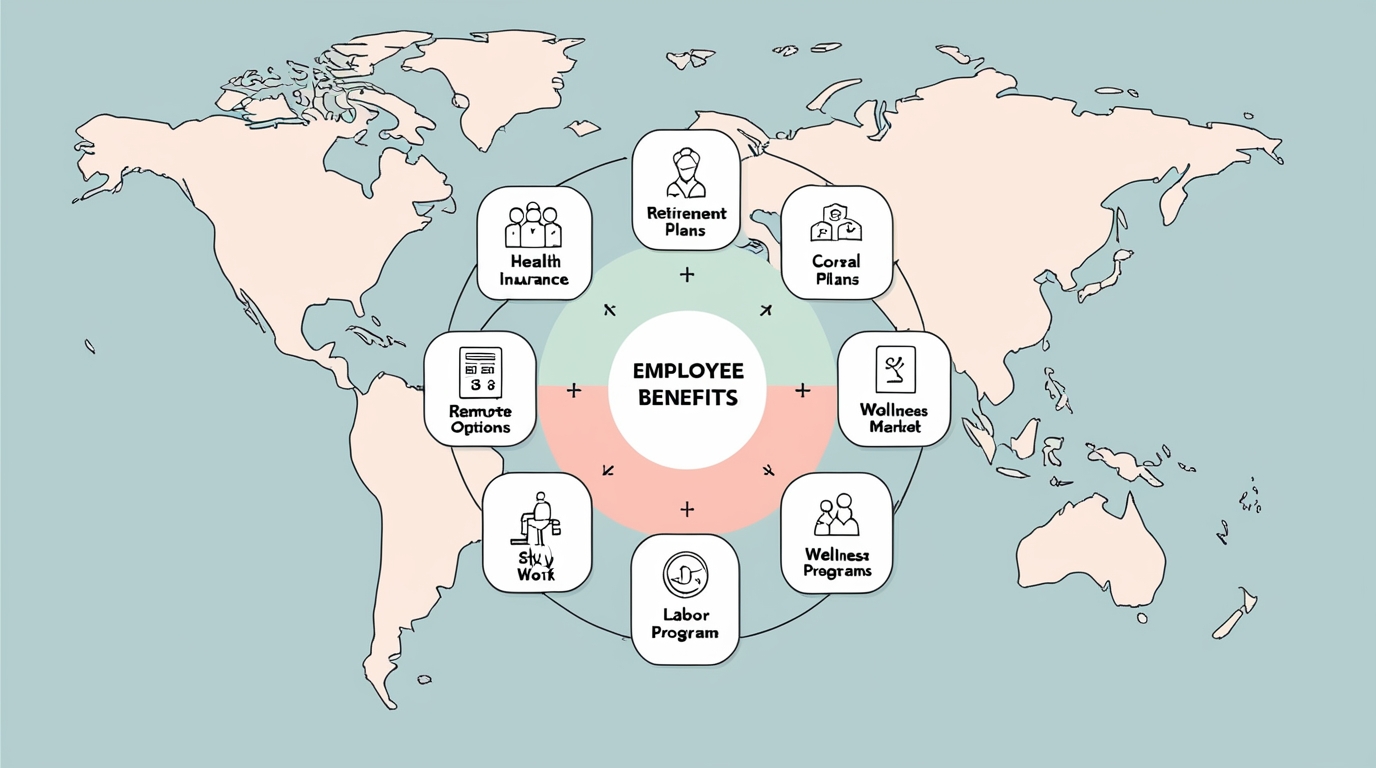
Employee benefits are various types of compensation that companies offer in addition to base salaries or wages, typically outlined in employment contracts. These benefits can include health insurance, retirement plans, and paid time off, enhancing overall job satisfaction and attracting talent.
These can be monetary (e.g., bonuses, pay raises) and non-monetary perks (e.g., extra time off, employee recognition).
Some benefits are mandatory, whereas others are voluntary. However, these regulations depend on your country, territory, or state.
For example, paid maternity leave is required by federal law in 186 nations but optional in the U.S.
You must know which benefits are obligatory in your area to comply with employment legislation and which are non-compulsory but could set your company apart from competitors.
Why are employee benefits important?
Highlighting a strong benefits package can entice high-caliber candidates to apply for positions within your company. Many job seekers look beyond salary and prioritize additional perks when evaluating new opportunities.
In fact, 82% of employees say the benefits employers offer are important in their decision to accept a job.
If your business offers salaries and wages that are competitive with other companies in your market, the benefits you provide could play a crucial role in attracting top talent.
By distinguishing yourself from your competition through superior compensation plans, you could draw in peak talent.
Companies that offer outstanding employee benefits are more successful at retaining their talent. In fact, research shows that nearly 49% of employees are likely to seek new job opportunities within the next year if they feel unclear or unhappy with their benefits. This highlights the crucial role that clear and appealing benefits play in workforce satisfaction and loyalty.
In contrast, 78% of employees are more likely to stay with your business if you have a solid benefits program.
A study published in the Journal of Business and Economics reveals that offering a variety of organizational perks—ranging from financial incentives to non-monetary benefits—enhances job satisfaction. This boost in satisfaction leads to better work performance, highlighting the importance of diverse benefits in the workplace.
Moreover, offering valuable incentives amplifies employee commitment to a company, even during times of crisis.
Ultimately, enhancing your recruitment and retention strategies with attractive benefit packages can significantly boost your business’s profitability. By investing in these offerings, you’ll reduce hiring expenses, minimize employment gaps, and strengthen your brand reputation. Plus, you’ll cultivate a skilled, competitive, and loyal workforce that drives success.
What are the most popular employee benefits?
Companies with good benefits don’t all offer the same compensation packages. Instead, smart organizations tailor their perks to workers’ preferences and needs and the industry they’re in.
Regardless, most firms will offer some combination of the most common benefits below:
Health benefits
- Health insurance: coverage for employees’ medical expenses, including hospital care, prescription medications, and mental health services.
- Dental insurance: coverage that pays for some or all of workers’ dental care (e.g., surgeries, check-ups)
- Vision insurance: coverage that pays for some or all of employees’ vision care (e.g., exams, glasses)
- Wellness programs: initiatives aimed to improve employees’ overall physical and mental health (e.g., health screenings, fitness incentives, meditation breaks)
- Flexible Spending Accounts (FSAs) and Health Savings Accounts (HSAs) allow employees to allocate pre-tax earnings for eligible medical expenses.
- Workers’ compensation insurance provides coverage for medical expenses, lost wages, and rehabilitation costs for employees injured or ill due to work-related incidents.
Paid time off (PTO) benefits
- Paid vacation: compensated time away from work in which employees can travel, spend time with family, or rest
- Paid holidays: compensated time away from work in which employees can celebrate public federal holidays (e.g., Easter, Christmas)
- Paid sick leave: compensated time away from work in which employees can recover from illnesses or injuries
- Paid personal leave: compensated time off for employees to manage personal matters, such as jury duty, voting, or bereavement.
- Paid family leave: compensated time off for employees to address family matters, such as parental leave or adoption.
Financial security benefits
- Life insurance: coverage that pays designated beneficiaries upon an insured person’s death (e.g., group accidental death and dismemberment)
- Retirement Planning: Effective saving and investment strategies for financial stability post-employment, including IRAs, 401(k)s, employee stock ownership plans, pensions, and profit-sharing options.
- Disability Insurance: Provides financial protection for employees unable to work due to prolonged illnesses or injuries, including short-term and long-term coverage options.
- Unemployment insurance: coverage for employees who lost their jobs through no fault of their own (e.g., lay offs, retrenchment)
Lifestyle benefits
- Living stipends: compensation to cover the costs of living (e.g., relocation costs, company equipment, rent)
- Workplace Flexibility: Empowering employees to choose their work schedule and location through options like remote or hybrid setups, job sharing, and a 4-day workweek.
- Transportation/travel benefits: compensation to cover commuter costs (e.g., company cars; transit passes; pay for lodging or food)
- Family care benefits: financial assistance for dependent care expenses, including on-site childcare, in-home care, and paid childcare website memberships.
- Employee Clubs and Activities: Engage and connect with colleagues through specialized groups and events, such as book clubs, happy hours, and retreats.
Professional growth benefits
- Formal education coverage: financial assistance to earn degrees at higher education institutes (e.g., tuition reimbursement, scholarship programs)
- Student loan repayment programs: a financial incentive covering some or all of employees’ student loan debt
- Continuing education allowances: stipends for employees to spend on job-related workshops, seminars, conferences, or trainings of their choice
- Paid professional training: programs provided for employees to develop their competency in job-related tasks and duties (e.g., corporate language training)
- Opportunities for career growth: initiatives that support employees’ career advancement (e.g., job shadowing, job rotation, succession planning)
- Employee recognition: acknowledgement and rewards given to workers for exceptional performance (e.g., #kudos Slack channel, gift cards, personal notes)
HubSpot Call-to-Action Code end HubSpot Call-to-Action Code
What companies offer the best employee benefits?
Now it’s time to examine companies with the best benefits—those that provide their workforce with the perks employees value most.
As you look through the list below, consider which unique compensation strategies you could employ at your own organization to enhance recruitment and retention.
1. Google
Google is a leading global technology powerhouse, renowned as the world’s foremost internet search engine. With a workforce of approximately 140,000 employees, the company provides a wide array of generous benefits designed to support and enhance the well-being of its team members, including:
- Health benefits: onsite wellness centers, subscriptions to mental health apps, second medical opinions, medical advocacy for transgender workers
- Financial benefits: equity refresh programs, annual pay equity evaluations and adjustments, student loan repayment, 1-on-1 financial coaching
- Flexible Work and Time Off Benefits: Enjoy ample paid time off, a hybrid work model with two remote days per week, and job-sharing options for enhanced work-life balance.
- Family care benefits: fertility and family planning; parental, baby bonding, and caregiver leave; backup childcare; survivor income benefits
- Community/personal development benefits: tuition reimbursement, peer learning, donation matching, paid volunteer days, employee resource groups, culture clubs
- Additional perks include a company-provided mobile phone, complimentary onsite snacks and meals, wellness initiatives like massages and cooking classes, and a dog-friendly environment.
2. Microsoft
Microsoft stands out as a leading global technology giant, recognized as the world’s largest software producer. With a workforce exceeding 220,000 employees, the company offers an appealing and extensive compensation package that includes:
- Health benefits: $1,500 annual reimbursement for wellness expenses, health programs (e.g., 24-hour nurse hotline), on-campus healthcare (e.g., pharmacy)
- Investment benefits: employee stock purchasing, student loan refinancing, financial planning, legal services (e.g., real estate transactions, traffic tickets)
- **Flexible Time Off Benefits:** Enjoy 15 paid vacation days, 10 paid sick leave days, 10 paid holidays, 2 personal days annually, and adaptable work schedules.
- Family care benefits: paid parental and caregiver leave, adoption assistance, discounted childcare, backup care, college coaching program for teen dependents
- Professional/personal growth benefits: tuition reimbursement, internal resources/courses (e.g., management, financial), on-site library and reading room
- Discount benefits: employee discounts on Microsoft products, Microsoft PRIME mobile membership discounts (e.g., shopping, dining, travel, entertainment)
- Philanthropic benefits: donation matching of up to $15,000 a year, volunteer matching at $25 per hour served
- Other perks: on-campus stores, entertainment, and dining; employee resource groups; social clubs; commuter benefits (e.g., shuttles, transit passes)
3. HubSpot
HubSpot, a leading customer relationship management (CRM) platform, boasts a dedicated team of around 5,900 employees. Recognized as the #2 Best Place to Work in 2022 by the Glassdoor Employees’ Choice Award, HubSpot offers its staff an impressive array of top-tier benefits that enhance their work experience.
- Health benefits: mental health resources (e.g., therapy), healthy snack options, fitness reimbursement, nutrition consultations, wellness classes (e.g., mindfulness)
- **Time Off Benefits:** Enjoy unlimited vacation days, a company-wide week off in July, Vacation Quota Relief, and a 4-week paid sabbatical with a $5,000 bonus after five years of service.
- Flexible Work Options: Choose from a hybrid model that includes remote, office, or flexible work arrangements, plus receive financial assistance for home office setup.
- Family care benefits: family resource group, paid parental leave, egg-freezing support for women
- Professional growth benefits: $5,000 annual stipend for trainings, access to ThinkSpace/Learn@Hub platforms, Free Books Program, mini-MBA program
- Financial benefits: equity refresh programs, discounted employee stock purchase options
- Other perks: employee resource groups (e.g., LGBTQ+ Alliance, People of Color, women), 8 paid volunteer hours annually
4. Starbucks
Starbucks is a global coffeehouse and roastery chain renowned for its wide array of coffee and tea beverages. With a workforce exceeding 400,000 employees, Starbucks is committed to providing a comprehensive “Total Rewards” package that includes a range of benefits designed to support and enhance the well-being of its team members.
- Health benefits: various insurance coverage levels, health reimbursement accounts (HRA), life insurance, disability and accident insurance
- **Financial Benefits:** Access to discounted company stock, equity reward programs, cash-incentive savings accounts, and a financial crisis support fund for employees.
- **Time Off Benefits:** Enjoy paid vacation days, sick leave, two personal days annually for salaried employees, and seven paid holidays. Working retailers receive 1.5 times the base rate for holiday shifts.
- Family Care Benefits: Enjoy paid parental leave, up to $10,000 for surrogacy, adoption, or artificial insemination, 10 backup care days, and a premium Care.com membership.
- **Professional Growth Benefits**: Enjoy full tuition coverage for a bachelor’s degree at Arizona State University and receive student loan management coaching via Tuition.io.
- Additional Benefits: Transit passes, weekly free coffee/tea, on-site gym and daycare, dry cleaning services, 30% in-store discount, Spotify Premium subscription, annual donation matching up to $1,000, and monthly stipends for elite athletes.
5. Meta (formerly Facebook)
Meta is a global technology powerhouse known for its widely used social media and messaging platforms, including Facebook, WhatsApp, and Instagram. With a diverse workforce of around 87,000 employees, the company offers a comprehensive range of employee benefits, including:
- Health benefits: second medical opinions, reimbursement for wellness expenses, support programs (e.g., autism therapy, cancer care, transgender services)
- Family care benefits: paid parental leave, adoption and surrogacy support, financial aid for newborn expenses, flexible spending account (FSA)
- Financial benefits: retirement plans, life insurance, survivor support, equity awards, free access to TurboTax, tax consultations, legal aid
- Community benefits: employee clubs, employee resource groups
- Time Off Benefits: Enjoy generous paid time off, including a 30-day paid leave every five years and various leave programs such as caregiver and disability leave.
Honorable mentions: Airbnb, Salesforce, Campbell Soup Company, Netflix, Spotify
HubSpot Call-to-Action Code [if lte IE 8]>
<div id=”hs-cta-ie-element”></div>
<![endif] end HubSpot Call-to-Action Code
Final words
Although offering generous employee benefits is an expensive venture, its high return on investment makes it a worthwhile endeavor.
Offering attractive perks not only helps you draw in top talent but also boosts employee engagement and lowers turnover rates. By investing in your workforce with these incentives, you’ll cultivate a committed and skilled team that pays you back tenfold.
If you’re aiming to join the ranks of companies known for exceptional employee benefits, consider partnering with LingualNeeds to provide your team with tailored corporate language training. This investment not only enhances skills but also boosts overall employee satisfaction and engagement.
Enhance your compensation package with our tailored 1-on-1 classes led by expert tutors. These personalized sessions not only provide your employees with valuable opportunities for professional growth but also showcase your dedication to their success.
Frequently Asked Questions
What are employee benefits?
Employee benefits are various types of compensation that companies offer in addition to base salaries or wages, including health insurance, retirement plans, and paid time off.
Why are employee benefits important?
Employee benefits are important as they help attract top talent, enhance job satisfaction, and improve employee retention.
What are some common types of employee benefits?
Common types of employee benefits include health benefits, paid time off, financial security benefits, lifestyle benefits, and professional growth benefits.
Which companies are known for offering exceptional employee benefits?
Companies like Google, Microsoft, HubSpot, Starbucks, and Meta are known for providing exceptional employee benefits.
How can offering employee benefits impact a business?
Offering employee benefits can boost recruitment, enhance employee engagement, reduce turnover rates, and ultimately increase business profitability.