- What is UK English “got” and US English “gotten”?
- Frequently Asked Questions
- What is the historical origin of the verb ‘to get’?
- How do British and American English differ in their use of ‘got’ and ‘gotten’?
- What does the phrase ‘have got’ mean in British English?
- What are some examples of phrases using the verb ‘to get’?
- What does the slang ‘gotta’ express?
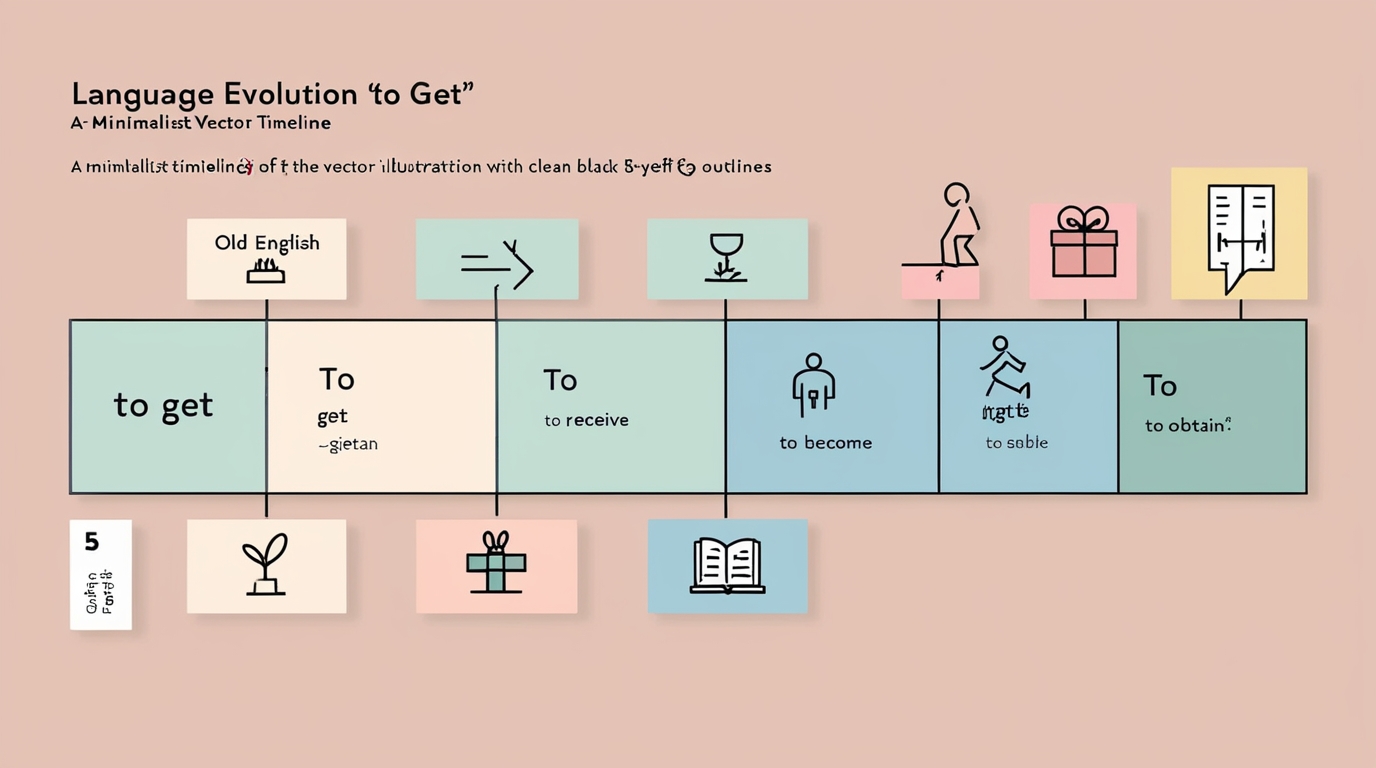
Today, we’re diving deeper into the versatile verb “to get.” This word has a rich history, dating back to the time of the Vikings when it was known as “gietan” in Anglo-Saxon. In modern American English, we use the form “gotten,” which reflects its historical roots. Meanwhile, British English speakers opted for a more streamlined approach about 300 years ago, simplifying the past forms to get-got-got. You might recall some examples from your English classes:
- I have got a house. Have you got a car? –No, I haven’t got.
In addition to the well-known British English expression “have got,” you might also encounter its synonym “have.” For example, you might ask, “Do you have a car?” and the response could be, “Yes, I do.”
In American English, the word “gotten” is commonly used to indicate the act of acquiring something, as in, “I have gotten a new car.” Additionally, the phrase “have got to,” often shortened to the slang “gotta,” expresses necessity, such as in the sentence, “I’ve gotta go.”
What is UK English “got” and US English “gotten”?
Ladies and gentlemen, let’s dive into the world of past participles! These handy grammatical tools come into play whenever we want to express that an action has been completed. We frequently pair them with nouns, as in “broken heart” or “hard-boiled egg.” Remember the iconic American TV series *Lost*? That title cleverly uses “lost,” the past participle of the verb “to lose.”
Why are we focusing on the verb “to get”? This versatile verb frequently pairs with past participles to indicate the onset of an action.
- to get stuck in a traffic jam
- to get lost
- to get excited about
In some contexts, the term is used to describe the act of prompting someone or something to take action or undergo a transformation. For instance, you might recognize the catchy phrase from the Black Eyed Peas hit, “Let’s get it started. Oh yeah!”
- You got me hypnotized.
- Jim got his car repaired.
Here are more examples:
- Get it done by tomorrow.
- Kira got promoted.
- I got surprised by his call.
- I got changed and got ready/prepared for dinner.
- Jill got married last week.
- We got our country house remodelled.
Good luck on your journey to learn English! Embrace the adventure and discover new things along the way. We’d love to hear how you use the verb “to get”—share your examples in the comments!
Frequently Asked Questions
What is the historical origin of the verb ‘to get’?
The verb ‘to get’ has roots dating back to the time of the Vikings, known as ‘gietan’ in Anglo-Saxon.
How do British and American English differ in their use of ‘got’ and ‘gotten’?
British English typically uses ‘got’ as the past form, while American English uses ‘gotten’ to indicate acquiring something.
What does the phrase ‘have got’ mean in British English?
‘Have got’ is synonymous with ‘have’ and is used to express possession, as in ‘I have got a house’.
What are some examples of phrases using the verb ‘to get’?
Examples include ‘get stuck in a traffic jam’, ‘get lost’, and ‘get excited about’.
What does the slang ‘gotta’ express?
‘Gotta’ is a shortened form of ‘have got to’ and expresses necessity, such as in ‘I’ve gotta go’.